Barcelona Neighborhoods Guide: Find Your Perfect Area to Explore
Barcelona is a city of remarkable contrasts and distinct personalities, and nowhere is this more evident than in its neighborhoods. From the winding medieval streets of the Gothic Quarter to the elegant grid of modernist Eixample, and from the beachside charm of Barceloneta to the artsy alternative vibe of El Raval, each Barcelona neighborhood tells its own story. Whether you’re planning your first visit or returning to discover new corners, understanding the character of Barcelona’s diverse districts is essential to crafting an authentic experience. In 2026, Barcelona’s neighborhoods are undergoing exciting transformations—the UNESCO World Capital of Architecture designation brings architectural exhibitions and heritage events to neighborhoods citywide, while the Superblocks initiative continues to reshape streets in Eixample and Sant Antoni into car-free, pedestrian-friendly zones. This comprehensive guide explores the most essential neighborhoods, helping you find your perfect area to explore.
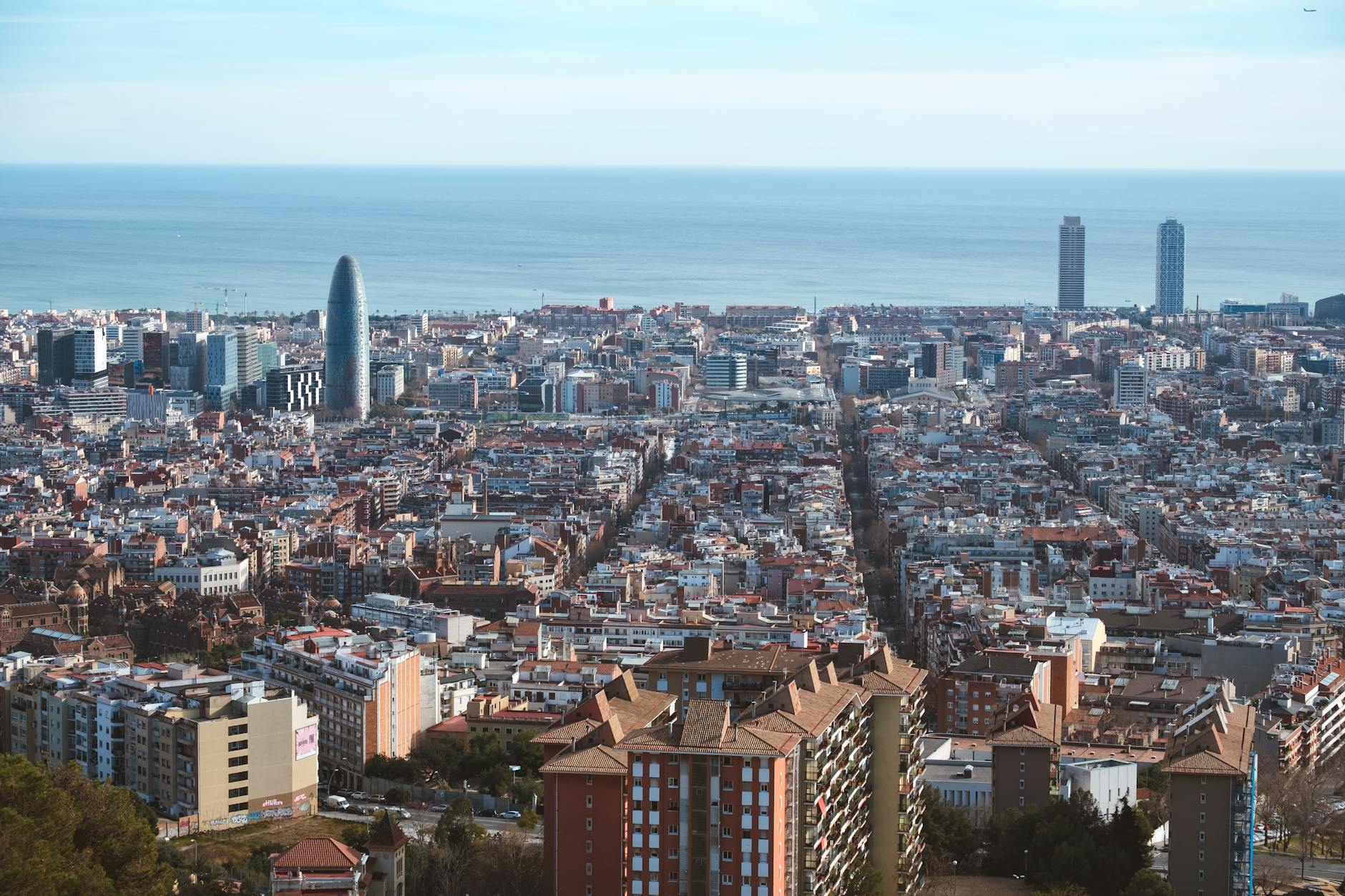
Overview of Barcelona’s 10 Official Districts
Barcelona is officially divided into 10 districts (or districtes), each containing multiple neighborhoods that offer their own distinct character. Understanding these divisions helps orient visitors as they navigate the city. The Ciutat Vella (Old City) district encompasses the Gothic Quarter, El Born, and La Rambla—the historical heart where Barcelona’s story began. Eixample, the largest district, is famous for its modernist architecture and geometric grid layout. Sants-Montjuïc combines the working-class Sants neighborhood with the cultural and recreational hub of Montjuïc hill. Gràcia retains a small-town village atmosphere despite being central. Les Corts and Sarrià-Sant Gervasi in the northwest offer tree-lined streets and neighborhood charm. Horta-Guinardó and Nou Barris lie in the north and northeast. Sant Martí includes the cutting-edge Poblenou district. This guide focuses on the neighborhoods within these districts that matter most to visitors seeking to experience Barcelona’s diverse character and culture.
Gothic Quarter (Barri Gòtic): The Medieval Heart of Barcelona Neighborhoods
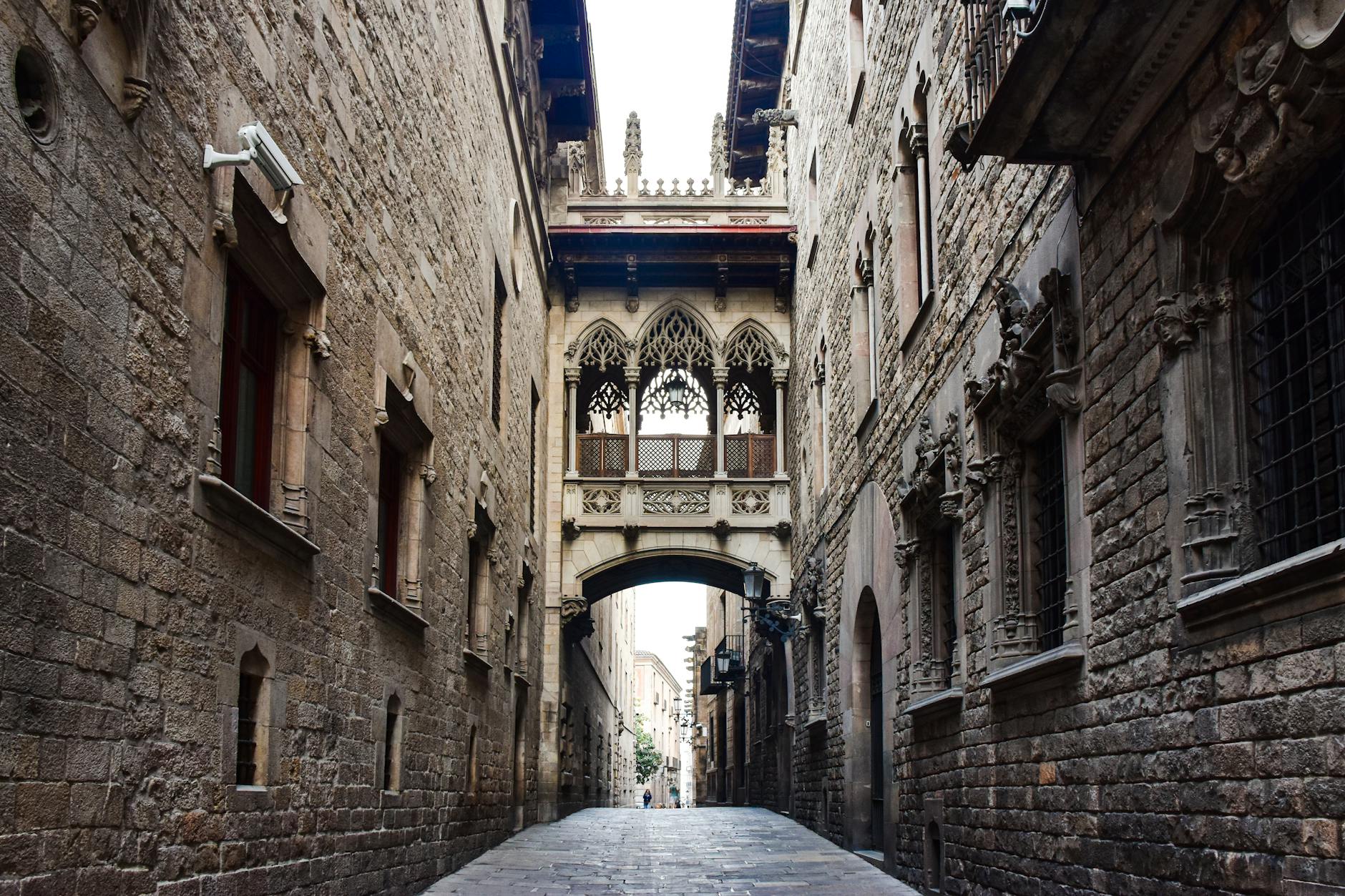
The Gothic Quarter is Barcelona’s oldest neighborhood, a maze of narrow cobblestone streets that transport you back to the Middle Ages. This UNESCO World Heritage neighborhood within Barcelona’s medieval district is the authentic soul of the city, where history lives in every shadowed alley and ancient façade. Walking through the Gothic Quarter feels like stepping into history itself—you’ll encounter Roman walls dating from the 1st century, intricate Gothic architecture from the 14th and 15th centuries, and charming plazas filled with locals and tourists alike.
What to See and Do
The Barcelona Cathedral (La Seu) dominates the Gothic Quarter, a magnificent Gothic structure that took nearly 600 years to complete. Inside, you’ll find soaring columns, intricate cloisters, and a peaceful courtyard where white geese waddle—a tradition dating back centuries. Plaça Reial, one of the most enchanting plazas in Barcelona’s districts, offers a tree-lined square surrounded by elegant arcaded buildings, now home to restaurants and cafés. The Roman temple ruins and city walls provide tangible reminders of Barcelona’s ancient heritage. Don’t miss the picturesque Call (Jewish Quarter), one of the oldest and best-preserved Jewish quarters in Europe, with streets so narrow that sunlight barely reaches the ground.
Eating and Drinking
The Gothic Quarter offers everything from casual pintxos bars to fine dining. Stop at Euskal Etxea on Plaça Montcada for authentic Basque tapas, or grab seafood at one of the traditional seafood restaurants. For something more refined, the neighborhood has several acclaimed restaurants. Café culture thrives here—find a quiet spot overlooking a plaza and watch Barcelona’s districts come alive around you.
Best For
History lovers, photographers, and anyone seeking to experience Barcelona’s medieval heritage. The Gothic Quarter works well for couples on romantic getaways and families who enjoy exploring historical sites on foot.
Getting There
Metro L4 (Yellow) stations at Jaume I or L3 (Green) at Liceu put you right in the heart of the Gothic Quarter. Most of the neighborhood is pedestrianized, so expect to explore on foot.
Practical Tip
Visit early morning (before 9 AM) to experience the Gothic Quarter’s atmospheric streets before the crowds arrive. The neighborhood transforms into a peaceful, almost spiritual space when most tourists are still sleeping.
El Born (La Ribera): Where Art Meets Tradition
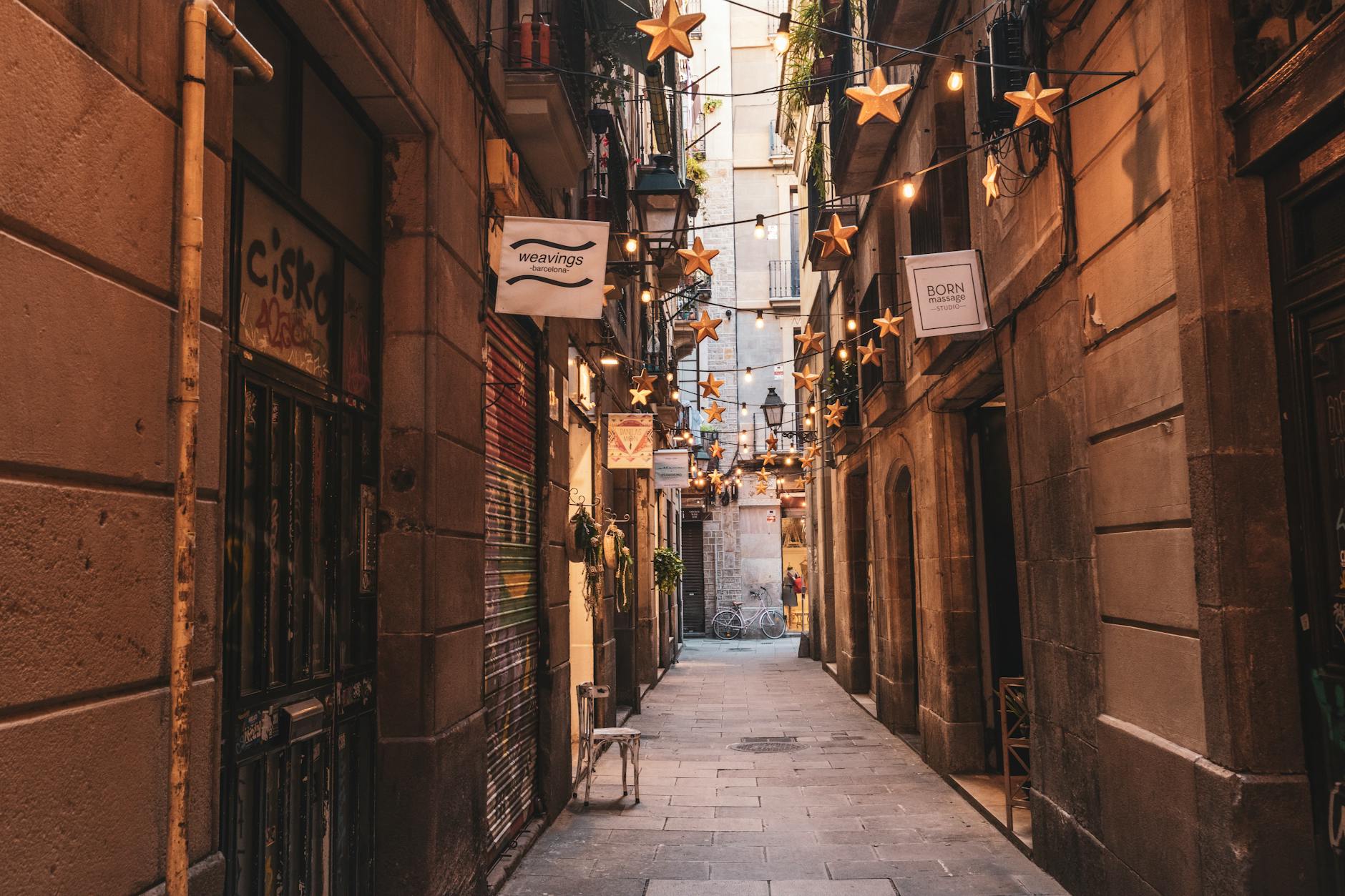
Just east of the Gothic Quarter, El Born is one of Barcelona’s districts that perfectly blends history with contemporary cool. This charming district has undergone a renaissance, transforming from a working-class quarter into a trendy hub for artists, designers, and foodies while maintaining its authentic character and medieval street layout. El Born feels more intimate and less touristy than the Gothic Quarter, making it a favorite among locals and discerning visitors.
What to See and Do
The Picasso Museum is the neighborhood’s crown jewel, housed in a Renaissance palace and displaying the world’s most comprehensive collection of Picasso’s early works. The Gothic church of Santa Maria del Mar is an architectural masterpiece, with soaring columns and exceptional stained glass—far less crowded than the Cathedral. The neighborhood’s narrow streets hide boutique shops, vintage stores, and artisan galleries. The medieval market, Mercat de Santa Caterina, serves as both a working market and cultural space with a striking undulating wood roof that’s become iconic in Barcelona’s districts.
Eating and Drinking
El Born is tapas heaven. Wander the streets and you’ll find pintxos bars at nearly every corner. El Xampanyet is legendary—a standing-room-only bar where locals order wine and eat from platters of simple, perfect food. For something more substantial, Barcelona tapas restaurants in El Born range from casual to Michelin-starred. Wine bars have proliferated here, many offering natural wines and knowledgeable staff.
Best For
Art lovers, foodies, and travelers who appreciate authenticity without sacrificing creature comforts. El Born suits couples and small groups exploring Barcelona’s districts at a relaxed pace.
Getting There
Metro L4 (Yellow) at Jaume I is adjacent. The neighborhood is very walkable from the Gothic Quarter—just head east through the medieval streets.
Practical Tip
Book Picasso Museum tickets online in advance to skip lines, especially during 2026’s peak season when UNESCO Capital of Architecture events draw extra crowds to Barcelona’s districts.
Eixample: Modernist Masterpiece and Urban Innovation
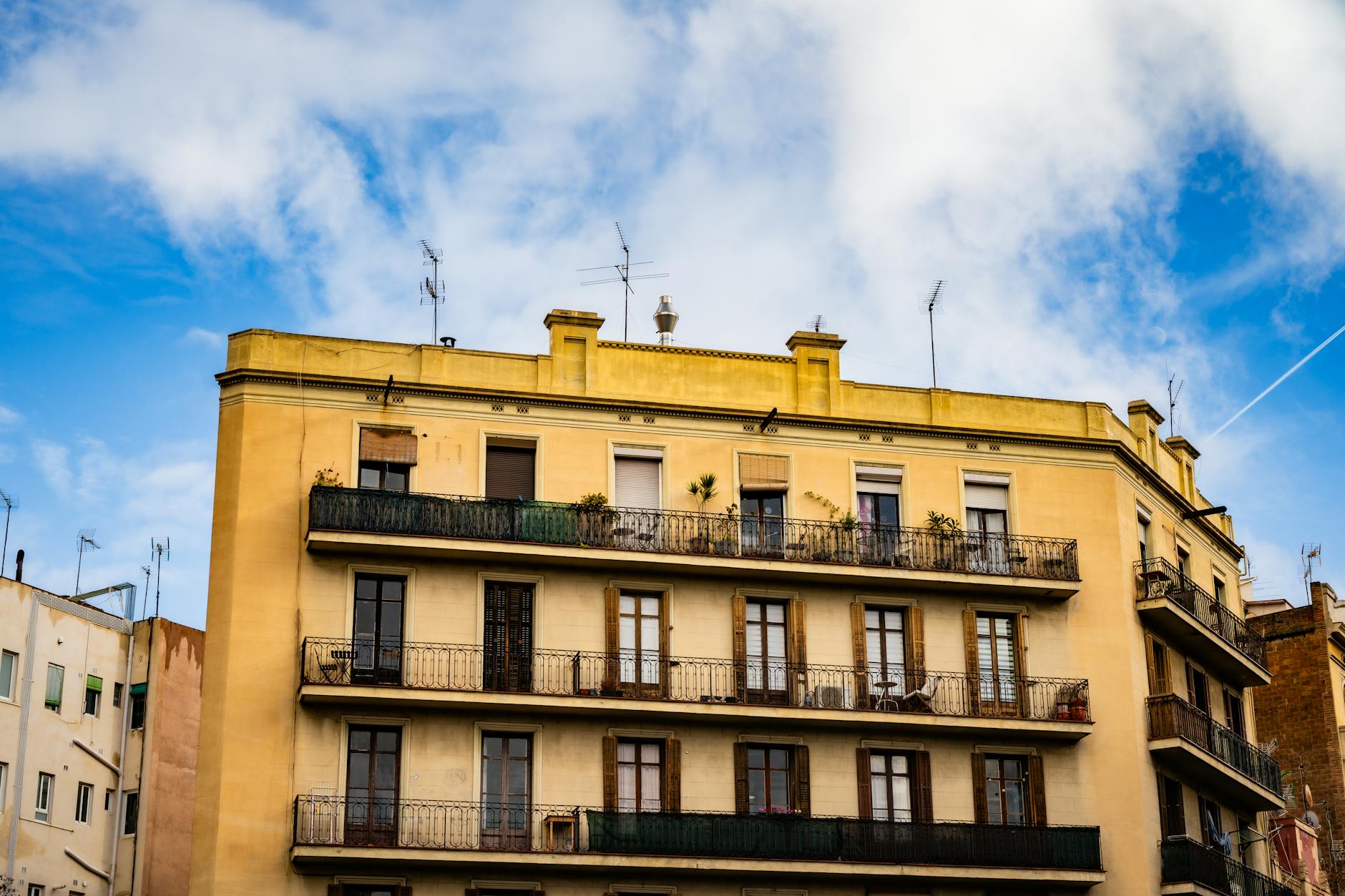
Eixample (pronounced “eye-SHAM-pluh,” meaning “expansion”) is Barcelona’s most distinctive Barcelona neighborhood—a vast district of elegant boulevards and uniform blocks laid out in a revolutionary grid pattern in the 1860s. This neighborhood was designed to be the urban heart of Barcelona, and it succeeds spectacularly, combining residential living with cultural attractions, shopping, dining, and some of the world’s finest modernist architecture. What makes Eixample unique among Barcelona’s districts is how it balances grandeur with livability—you can walk these streets and feel the aspirations of 19th-century urban planners realized in architecture and public space.
Gaudí Masterpieces in Barcelona Neighborhoods
Eixample is Gaudí territory. Casa Batlló, with its undulating façade and organic forms, looks like a building dreamed into existence. Casa Milà (La Pedrera), with its dramatic wavy stone exterior and wrought-iron balconies, is equally mesmerizing. Both represent the peak of modernist architecture and are UNESCO World Heritage sites. The Sagrada Familia, Gaudí’s unfinished masterpiece, dominates the skyline—in 2026, the Tower of Jesus Christ reached its final height of 172.5 meters, making the basilica one of the world’s tallest churches. These iconic buildings make Eixample essential among Barcelona’s districts for architecture enthusiasts.
Passeig de Gràcia: Barcelona’s Grand Boulevard
This famous avenue stretches from Plaça de Catalunya through Eixample, lined with shops, restaurants, and modernist buildings. It’s where Barcelona’s districts showcase their prosperity and style. The avenue’s tree-lined stretches provide pleasant walking, and the architecture at street level keeps eyes constantly upward, discovering details in façades and ironwork that reveal the neighborhood’s grandeur.
The Superblocks Transformation
In 2026, Eixample is experiencing a revolutionary transformation through the Superblocks (Superilles) initiative. These car-free zones are reshaping Barcelona’s districts for residents and visitors alike. Currently, over 20 Superblocks are operational in Eixample and Sant Antoni, with 503 planned citywide by 2030. Within these zones, streets are pedestrianized, cyclists have priority, and the character fundamentally shifts—you’ll notice more children playing, neighbors chatting, street musicians performing. This represents Barcelona’s commitment to sustainable urban life and makes these particular neighborhoods increasingly pleasant to explore on foot.
What to See and Do
Beyond the famous Gaudí buildings, explore the smaller modernist gems lining each block—nearly every street in Eixample offers architectural treasures. Visit the Fundació Antoni Tàpies in a stunning modernist building. Browse the shops of Passeig de Gràcia and the boutique stores on nearby side streets. Visit museums like Fundació Suñol or CaixaForum for contemporary and classical art. The neighborhood invites leisurely strolls where the architecture itself is the primary attraction.
Eating and Drinking
Eixample has evolved into a foodie destination. Michelin-starred restaurants sit alongside casual, excellent restaurants serving Catalan and Spanish cuisine. Cervecerías offer craft beers. Cafés are sophisticated spaces for meetings or quiet contemplation. The neighborhood caters to all budgets, from hole-in-the-wall pintxos bars to haute cuisine.
Best For
Architecture enthusiasts, photographers, upscale travelers, and anyone wanting the full cosmopolitan Barcelona experience. The neighborhood works for families, though shopping and museums may be of more interest than pure sightseeing.
Getting There
Multiple metro lines traverse Eixample. L2 (Purple), L3 (Green), and L4 (Yellow) serve different parts of the neighborhood. The district is so large and walkable that you might navigate it entirely on foot, discovering new Barcelona’s districts and hidden passages as you go.
Practical Tip
Many major Gaudí sites require advance booking. Purchase tickets online to skip queues—particularly important for Casa Batlló and Casa Milà, which see heavy foot traffic year-round and especially during 2026’s Gaudí Year centennial celebrations.
Barceloneta: Beach Life and Seafaring Tradition
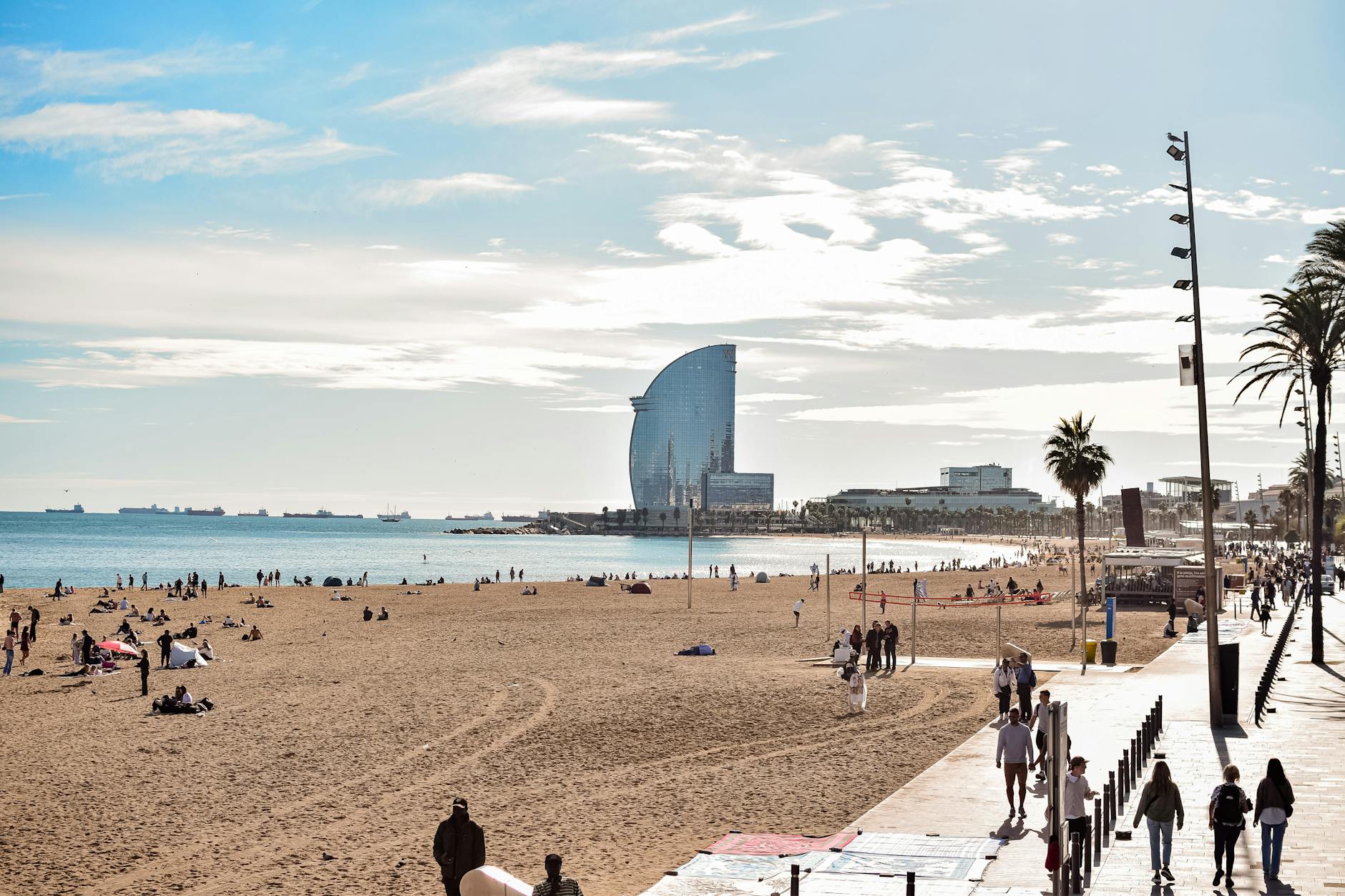
Barceloneta is Barcelona’s districts’ link to the Mediterranean—a distinctive seaside district with a unique personality shaped by centuries of maritime tradition. Originally a fishing village, Barceloneta maintains that working-class character even as it’s become a major beach destination. The neighborhood is small and densely packed, with narrow streets, colorful laundry lines strung between buildings, and an authentic, unpretentious atmosphere that contrasts with some of Barcelona’s more touristy areas.
What to See and Do
Barceloneta Beach is the main draw—a wide sandy beach perfect for swimming, sunbathing, and people-watching. The beach culture here is more relaxed than party-focused; you’ll see families, retirees, and young people all mingling. The Port Olímpic, built for the 1992 Olympics, offers dining and promenades along the water. Maritime Museum (Museu Marítim) celebrates Barcelona’s seafaring heritage, with extensive collections of ships, navigation instruments, and maritime history. Walk the narrow streets to experience authentic Barcelona neighborhood life—markets, small restaurants, and laundry-draped buildings reveal how locals actually live.
Eating and Drinking
Seafood is king in Barceloneta. Paella restaurants line the waterfront—some are tourist traps, but many serve excellent versions of this Valencian dish. Chiringuitos (casual beach bars) serve cold beer and grilled fish. Don’t miss traditional Barcelona suquet (fish stew) or gambas al ajillo (garlic shrimp). The neighborhood’s restaurants tend to be less expensive than central Barcelona’s districts, offering excellent value.
Best For
Beach lovers, families with children, budget-conscious travelers, and anyone wanting a more relaxed Barcelona neighborhood experience. Couples looking for romance will appreciate sunset walks along the beach.
Getting There
Metro L4 (Yellow) at Barceloneta station puts you right at the neighborhood’s heart. Bus lines serve the beach area. The walk from the Gothic Quarter takes about 15 minutes through pleasant streets.
Practical Tip
Barceloneta gets crowded on summer weekends. Arrive early or visit on weekday mornings to enjoy the beach without overwhelming crowds. Water quality is monitored and generally safe for swimming year-round.
Gràcia: Village Charm in the Heart of Barcelona Neighborhoods
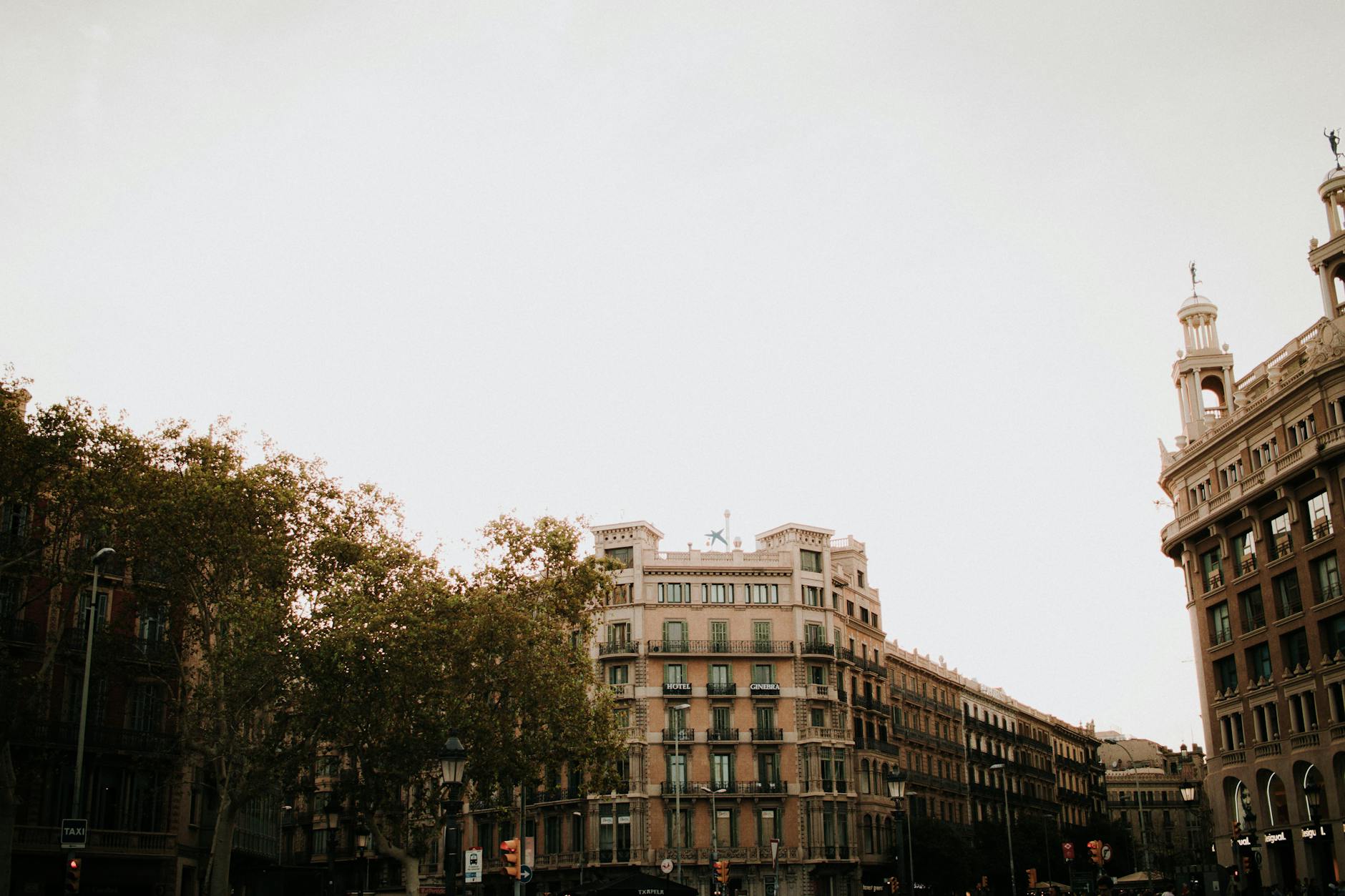
Gràcia is one of Barcelona’s districts that feels most like a small town, despite being just north of Eixample. This district retains a fiercely independent village identity, with tree-lined plazas, bohemian cafés, independent shops, and a strong sense of community that makes it feel distinct from the rest of the city. Locals in Gràcia are proud of their neighborhood’s character—it’s where you’ll encounter Barcelona’s districts at their most authentic and least touristy, filled with young professionals, artists, students, and families who choose to live here for its quality of life.
What to See and Do
Park Güell, Gaudí’s whimsical masterpiece, is within reach (about 20 minutes uphill). The neighborhood itself centers on charming plazas—Plaça del Sol, Plaça de la Virreina, and Plaça del Diamant are surrounded by cafés and street life. These plazas are where Barcelona’s districts reveal their social character; you’ll see people lingering over coffee, children playing, musicians performing. The neighborhood has an excellent independent cinema showing foreign and art films. Bookstores, vintage shops, and record stores give Gràcia a creative, slightly bohemian air distinct from commercial Barcelona’s districts.
Eating and Drinking
Gràcia’s dining scene is excellent and authentic. Small restaurants and pintxos bars operate alongside casual cafés and juice bars. You’ll find everything from traditional Catalan to international cuisine, often at reasonable prices compared to touristy Barcelona’s districts. The neighborhood has a strong bar culture—vermut bars, wine bars, and craft beer spots attract a young, local crowd.
Festa Major: A Neighborhood Tradition
Each August, Gràcia hosts Festa Major, a week-long neighborhood festival where residents decorate streets with elaborate installations, close plazas to cars, and celebrate with concerts, theater, food, and community activities. It’s among the most authentic Barcelona neighborhood festivals, showcasing local culture and community spirit more than any tourist festival.
Best For
Travelers seeking authentic Barcelona neighborhood life, artists, writers, students, and anyone who wants to experience how locals live. Families appreciate the parks and plazas. Those interested in independent culture and away from mainstream tourism find Gràcia ideal.
Getting There
Metro L3 (Green) and L6 (Brown) serve Gràcia. The neighborhood is walkable from central Barcelona’s districts—about 20-30 minutes on foot from Plaça de Catalunya depending on your destination within Gràcia.
Practical Tip
Gràcia reveals itself to those who slow down. Rather than checking off sights, spend a morning or afternoon in one plaza with a coffee, observing how the neighborhood lives. This is how you experience what makes Gràcia one of Barcelona’s districts locals genuinely treasure.
El Raval: Multicultural Edge and Contemporary Art
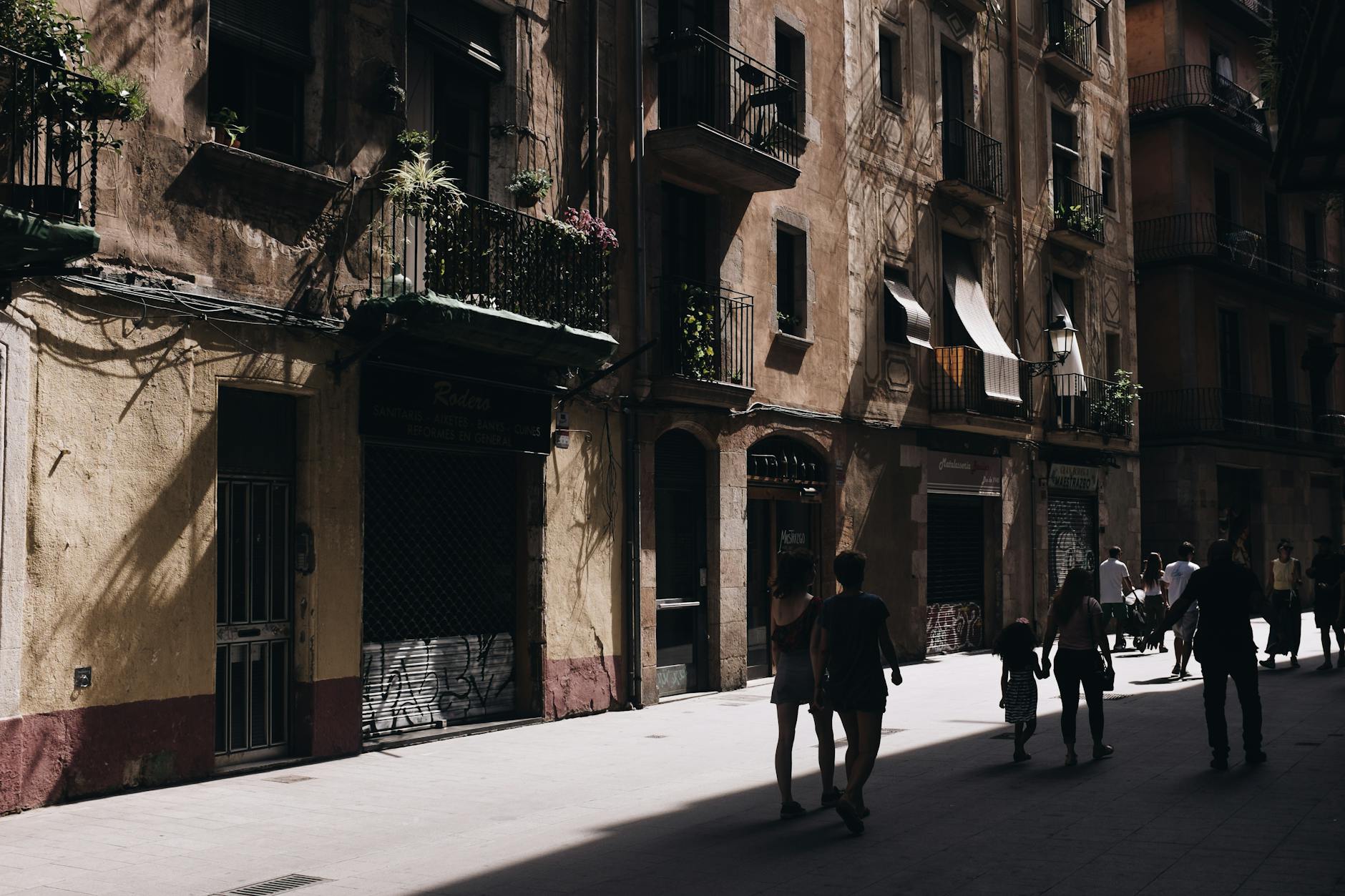
El Raval is one of Barcelona’s districts that defies easy characterization—it’s gritty, artistic, multicultural, historic, and constantly evolving. This neighborhood west of the Gothic Quarter has a complex character: historically poor and marginalized, it’s experienced gentrification and cultural revitalization while retaining working-class roots and immigrant communities that give it authentic, lived-in character. El Raval is not polished, but that’s precisely what makes it real and fascinating among Barcelona’s districts.
What to See and Do
The Museum of Contemporary Art (MACBA) is the neighborhood’s cultural anchor—a stunning Richard Meier building housing cutting-edge contemporary art. The surrounding plaza is a cultural space where skateboarders, street performers, and art students create vibrant street culture. La Boqueria Market is one of Europe’s finest markets, with stalls overflowing with produce, seafood, jamón, cheese, and prepared foods. Walking its aisles is a sensory experience quintessential to Barcelona’s districts. The Rambla del Raval is a more recent intervention—a tree-lined promenade cutting through dense medieval streets, improving the neighborhood’s livability while preserving its character. The neighborhood contains numerous galleries, performance spaces, and alternative venues that showcase Barcelona’s creative side.
Eating and Drinking
El Raval’s dining reflects its multicultural character. You’ll find Pakistani, Chinese, Indian, and African restaurants alongside Spanish tapas bars. La Boqueria’s prepared food section offers fresh juices, prepared meals, and snacks—an excellent option for quick, affordable dining. The neighborhood’s bars and cafés range from casual neighborhood spots to trendy venues catering to students and artists.
Best For
Art lovers, photographers, travelers seeking authentic urban neighborhoods, and adventurous eaters. The neighborhood appeals to younger travelers and those interested in contemporary culture. It’s less suitable for those seeking polished, touristy Barcelona’s districts.
Getting There
Metro L2 (Purple) at Universitat or L3 (Green) at Liceu provide access. The neighborhood is adjacent to the Gothic Quarter and El Born, easily reached on foot.
Practical Tip
Visit La Boqueria in the morning (before noon) when the market is in full swing. Afternoon hours see the market winding down. Take standard urban precautions with belongings—El Raval, like any urban Barcelona neighborhood, has petty theft in crowded areas.
Montjuïc: Cultural Heights and Urban Green Space
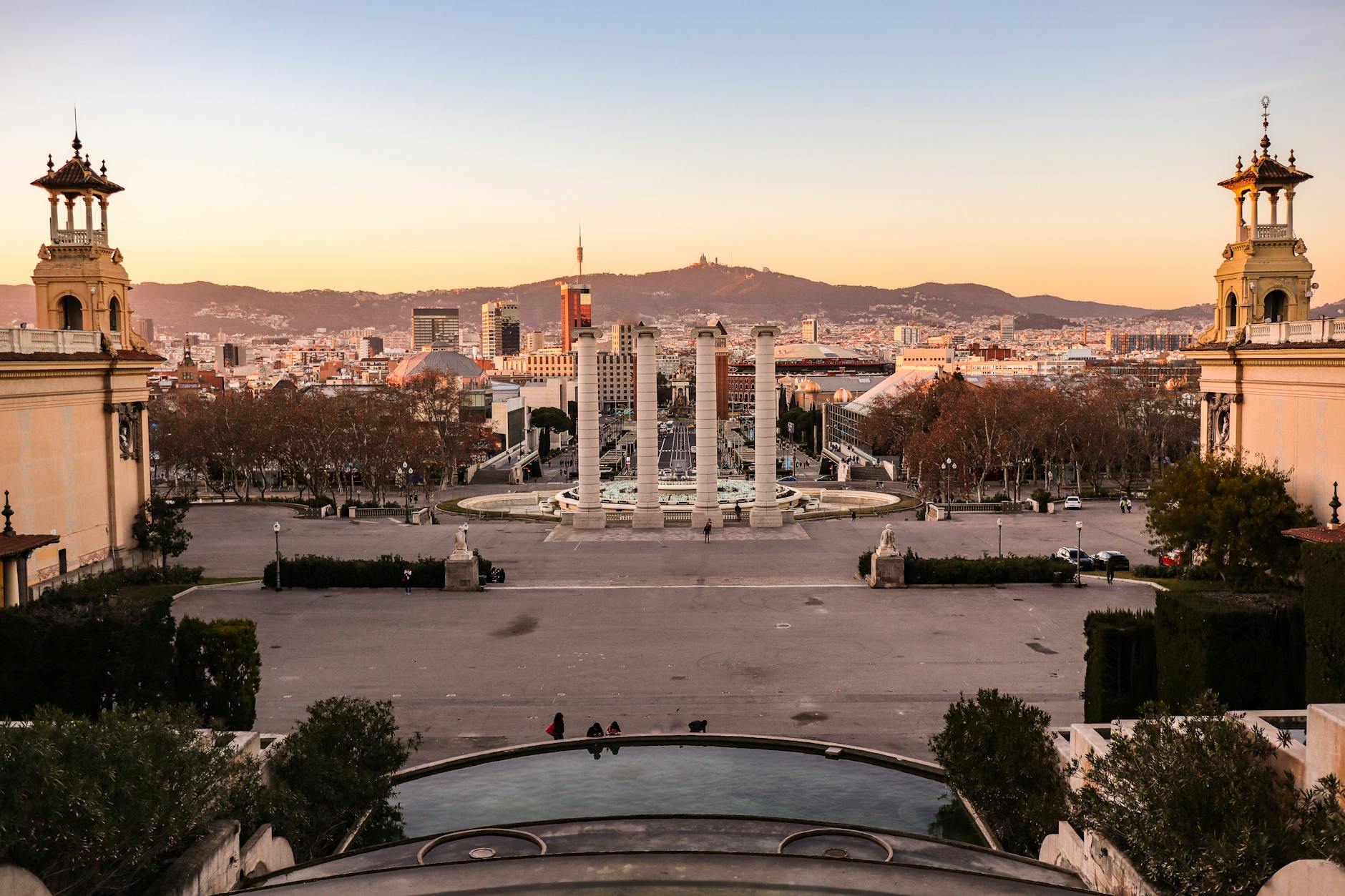
Montjuïc is Barcelona’s districts reimagined as a cultural and recreational destination spread across a 213-meter hill overlooking the city. Originally a fortress, Montjuïc has been transformed into a landscape of museums, gardens, sports facilities, and viewpoints that together form one of Barcelona’s premier attractions. The neighborhood offers escape from urban density while remaining integral to Barcelona’s cultural identity, with institutions and spaces that would merit their own pilgrimage in many cities.
What to See and Do
The National Art Museum of Catalonia (MNAC) houses extensive collections of Romanesque, Gothic, Renaissance, and modern art. The Magic Fountain is a spectacular light and water show set to music—an unforgettable Barcelona’s districts experience that’s completely free. The Olympic Ring remains from the 1992 Olympics, offering views and historical significance. The Fundació Joan Miró showcases the artist’s works in a purpose-built museum. Montjuïc also features botanical gardens, a castle with views, and numerous lesser-known museums ranging from design to ethnography. The neighborhood’s green spaces provide peaceful respite from Barcelona’s dense streets.
Getting There and Around
Cable cars, funiculars, and metro lines serve Montjuïc’s various areas. The main cable car runs from the waterfront up the hill—a scenic journey in itself. Walking the hill requires effort but rewards you with views and intimate discovery of Barcelona’s districts from above. Metro L2 (Purple) and L3 (Green) provide access to different parts of the hill.
Best For
Art and culture lovers, families with children (abundant green space and museums suitable for kids), those seeking views and perspective on Barcelona’s districts. Anyone wanting to escape urban density but remain connected to the city.
Practical Tip
Plan an afternoon and evening here. Visit museums during daylight, then stay for the Magic Fountain at dusk—it’s a magical Barcelona’s districts experience. Wear comfortable shoes; the terrain involves slopes and stairs. 2026’s UNESCO Capital of Architecture designation brings special exhibitions here; check ahead for special events.
Poble Sec: Emerging Foodie Destination and Neighborhood Secret
Poble Sec sits south of Montjuïc, directly across from Barceloneta, and is one of Barcelona’s districts experiencing rapid transformation. Traditionally working-class and overlooked by tourists, Poble Sec has become a culinary hotspot while maintaining authentic neighborhood character. The neighborhood represents Barcelona’s districts at their most dynamic—old meeting new, tradition meeting innovation, with locals and visitors increasingly discovering its charms.
What to See and Do
Carrer Blai is the neighborhood’s main thoroughfare and has become synonymous with pintxos culture—small plates of Basque-style bar food. Walking this street, you’ll find pintxos bar after bar, each with unique offerings and passionate followers. The Teatre Grec is an outdoor amphitheater cut from stone, offering performances during summer months and remarkable views across Barcelona’s districts. The neighborhood’s plazas and side streets reveal layers of Barcelona you won’t find in guidebooks—community spaces, family businesses, and authentic local life. The waterfront is increasingly accessible as Barcelona continues improving connections between neighborhoods along its coastline.
Eating and Drinking
Poble Sec is becoming Barcelona’s districts’ destination for serious eaters. Pintxos bars range from casual to sophisticated, with ingredients sourced carefully. Restaurants here often offer excellent value compared to central Barcelona’s districts, with quality cooking and thoughtful menus. The neighborhood appeals to food-focused travelers and locals seeking authentic dining experiences.
Best For
Foodies, travelers seeking less-touristy Barcelona’s districts, those interested in neighborhood culture and local life. It works for budget-conscious travelers, couples seeking hidden gems, and anyone wanting to avoid the main tourist circuits.
Getting There
Metro L2 (Purple) at Paral·lel provides access. The neighborhood is adjacent to Montjuïc, making it easy to combine visits to both Barcelona’s districts in a single day.
Practical Tip
Come to Poble Sec hungry and with time to bar-hop along Carrer Blai. Spanish pintxos culture involves stopping at several bars, trying specialties, and moving on—this is how locals approach Barcelona’s districts’ emerging foodie scenes.
Sant Antoni: Market Culture and Superblocks Transformation
Sant Antoni sits between Gràcia and Eixample, centered on a 19th-century market that’s become a symbol of neighborhood revitalization. This Barcelona neighborhood represents the tension between gentrification and community preservation—young creative professionals increasingly move here, boutiques and trendy cafés open, yet the neighborhood retains working-class roots and authentic character that prevents it from becoming purely touristy among Barcelona’s districts.
What to See and Do
Mercat de Sant Antoni is a stunning wrought-iron structure built in 1882, featuring produce markets, meat and fish stalls, and increasingly, fashionable cafés within and around its arcades. Sundays bring the book and vintage market, a tradition that draws collectors and curious browsers. The neighborhood’s side streets reveal independent boutiques, record stores, and contemporary galleries. Sant Antoni is actively implementing Superblocks, making streets here increasingly pleasant for walking and lingering. The neighborhood’s transformation makes it one of Barcelona’s districts most representative of 2026’s urban evolution.
Eating and Drinking
Sant Antoni’s food scene has exploded in recent years. New restaurants emphasizing seasonal, local ingredients share the neighborhood with traditional bars and cafés. The market itself offers exceptional prepared foods and fresh ingredients. Wine bars and natural wine shops reflect the neighborhood’s increasingly sophisticated approach to dining.
Best For
Those interested in neighborhood evolution and contemporary Barcelona’s districts, foodies exploring markets and new restaurants, vintage and book collectors. The neighborhood attracts young professionals and creative people who want to be in Barcelona’s districts that feel authentic without sacrificing amenities.
Getting There
Metro L2 (Purple) at Sant Antoni, L1 (Red) nearby. The neighborhood is walkable from central Barcelona’s districts and between Gràcia and Eixample.
Practical Tip
Visit Mercat de Sant Antoni on Sunday for the book and vintage market—a Barcelona’s districts tradition that’s become increasingly popular. Arrive early for best selection. Note the Superblocks streets when exploring; these car-free zones are becoming the model for neighborhoods’ future.
Poblenou: Creative Haven and Emerging Waterfront
Poblenou, in the Sant Martí district on Barcelona’s eastern edge, is one of Barcelona’s districts experiencing dramatic reinvention. Once an industrial zone, the neighborhood has attracted artists, designers, and creative enterprises, becoming a hub for contemporary culture and innovation. Street art covers walls, studios and galleries occupy former factories, and the neighborhood has an energetic, creative atmosphere unlike any other neighborhoods.
What to See and Do
Street art is the neighborhood’s most visible attraction—vibrant murals cover buildings throughout Poblenou, making the neighborhood a photographer’s paradise. The Rambla del Poblenou is a tree-lined promenade with cafés and a relaxed neighborhood atmosphere. Tàctil Gallery and other contemporary art spaces showcase cutting-edge work. The waterfront is increasingly developed, with new parks and public spaces opening regularly. The neighborhood feels like a work-in-progress—part industrial heritage site, part creative playground, entirely authentic.
Eating and Drinking
Poblenou’s restaurants and cafés reflect its creative population—expect contemporary cooking, artisan coffees, craft beer, and a young, casual vibe. The neighborhood is less established for dining than some Barcelona’s districts, but this is part of its charm—you’re discovering places before they become famous.
Best For
Artists, photographers, younger travelers, and anyone interested in urban culture and street art. Those seeking less-touristy Barcelona’s districts and contemporary Barcelona experience find Poblenou essential.
Getting There
Metro L4 (Yellow) at Llacuna or Poblenou stations. The neighborhood is further from central neighborhoods but easily reached by metro.
Practical Tip
Combine a Poblenou visit with the waterfront promenade, which increasingly connects this Barcelona neighborhood to Port Vell and central areas. The transformation is ongoing; expect surprises and new developments.
Where to Stay: Choosing Your Barcelona Neighborhood Base
Selecting where to stay is crucial to your Barcelona experience, as different Barcelona districts offer distinct advantages depending on travel style and interests. Consider these options based on your priorities:
For History and Culture
The Gothic Quarter and El Born offer proximity to major sites and authentic medieval atmosphere. Expect charming but small accommodations, narrow streets, and lively nightlife. Perfect for first-time visitors and history enthusiasts.
For Architecture and Upscale Amenities
Eixample offers larger, more comfortable hotels and apartments, proximity to Gaudí sites, excellent dining and shopping, and modernist surroundings. Ideal for those with higher budgets seeking contemporary convenience with cultural depth.
For Beach Life and Relaxation
Barceloneta offers beach access, seafood dining, and more relaxed pace than central Barcelona’s districts. Good for families, sun-lovers, and those seeking break from urban intensity. More affordable than Eixample.
For Authentic Local Living
Gràcia, Sant Antoni, and Poble Sec offer neighborhood experiences where you live like a local, access excellent dining and nightlife, avoid crowds, and enjoy authentic neighborhoods character. Increasingly popular for longer stays and travelers seeking immersion.
For Budget Consciousness
El Raval, Poble Sec, and Poblenou offer more affordable accommodations while maintaining authentic Barcelona neighborhoods character and cultural appeal. Perfect for budget travelers and those prioritizing experience over luxury.
Getting Around Barcelona’s Neighborhoods
Barcelona’s metro system is the fastest way to move between neighborhoods. The T-casual ticket offers 10 journeys within central zones at €11.35, making it economical for extensive exploration of Barcelona neighborhoods. Buses complement the metro system. Rent a bicycle through Bicing or tour operators to explore neighborhoods at your own pace—many Barcelona neighborhoods feature bike lanes and pedestrianized streets, especially with ongoing Superblocks expansions. Walking is the best way to truly understand Barcelona neighborhoods’ character; most major neighborhoods are within 15-30 minutes of each other on foot.
2026 Barcelona Neighborhoods: Transformations and Opportunities
Barcelona neighborhoods are shaped in 2026 by several major developments worth understanding:
UNESCO World Capital of Architecture (Feb 12 – Dec 13, 2026): This prestigious designation brings architectural exhibitions, walking tours, lectures, and cultural events throughout Barcelona neighborhoods. Expect enhanced focus on neighborhoods’ heritage buildings and contemporary architecture projects, particularly in Eixample and around Montjuïc.
Gaudí Year Centennial: 2026 marks a century since Gaudí’s death, bringing exhibitions, performances, and special programming across Barcelona neighborhoods. Sagrada Familia and other sites feature extended hours and special exhibitions. Avoid peak summer if crowds overwhelm you.
Superblocks Expansion: The transformation of Barcelona neighborhoods into car-free zones continues expanding. Over 20 operational Superblocks currently exist in Eixample and Sant Antoni, with 503 planned by 2030. These spaces fundamentally improve walkability and neighborhood character—visit these Barcelona areas to experience the future of urban design.
La Sagrera High-Speed Rail Hub: Development of Barcelona’s new rail station continues north of the city, eventually improving regional connectivity. Current development creates some construction disruption but improves long-term access to Barcelona neighborhoods.
Frequently Asked Questions About Barcelona Neighborhoods
What’s the best Barcelona neighborhood for first-time visitors?
The Gothic Quarter and El Born offer the most accessible Barcelona neighborhoods for first visits, combining historic sites, walkability, and immediate charm. Many first-time visitors stay here and branch out to other Barcelona neighborhoods from this central base.
Which Barcelona neighborhood is best for families with young children?
Barceloneta offers beaches and parks ideal for young children. Gràcia has excellent plazas and playgrounds. Montjuïc features gardens, museums suited to kids, and the free Magic Fountain show. All these Barcelona neighborhoods offer family-friendly experiences, though narrow medieval streets in Gothic Quarter and El Born present challenges with strollers.
Where can I find the most authentic local Barcelona neighborhood experience?
Gràcia, Sant Antoni, Poble Sec, and Poblenou offer more authentic Barcelona neighborhood character than heavily touristed areas. Avoid peak season, seek residential streets away from main plazas, and visit neighborhood markets and local bars where locals actually gather.
Which Barcelona barrios have the best food scenes?
Eixample offers Michelin-starred restaurants alongside excellent casual dining. Poble Sec has emerged as the pintxos capital. El Born remains excellent for tapas. Sant Antoni and Gràcia offer contemporary cooking with neighborhood focus. For street food and market experiences, La Boqueria in El Raval is unmatched among Barcelona neighborhoods.
What’s the best way to experience all major Barcelona neighborhoods?
Three to five days allows meaningful exploration of Barcelona’s major neighborhoods. Day 1-2: Gothic Quarter, El Born. Day 3: Eixample’s architectural highlights. Day 4: Montjuïc and Poble Sec. Day 5: Gràcia or Poblenou for neighborhood immersion. This sequence provides geographic flow and varied neighborhood experiences among Barcelona neighborhoods.
Conclusion: Your Barcelona Neighborhoods Exploration Awaits
Barcelona neighborhoods are the true heart of the city—each with distinct personality, character, and stories waiting to be discovered. Whether you’re drawn to medieval history, modernist architecture, beach culture, contemporary art, or authentic neighborhood life, Barcelona neighborhoods offer something profound and meaningful. The beauty of exploring Barcelona neighborhoods is that the deeper you venture, the more authentic your experience becomes. Skip the main plazas, wander side streets, order food at neighborhood bars, sit in plazas with locals, and gradually the city reveals itself.
In 2026, Barcelona neighborhoods are experiencing exciting transformation—Superblocks are reimagining urban streets, the UNESCO World Capital of Architecture designation brings cultural focus to heritage and contemporary architecture, and ongoing development makes Barcelona neighborhoods more livable and accessible than ever. Whether this is your first visit to Barcelona neighborhoods or your tenth return, there’s always something new to discover.
Explore with intention, respect local culture, support neighborhood businesses, and let Barcelona quarters guide you toward authentic experience and genuine connection with this remarkable city.