Why 24 Hours in Barcelona Is Both Impossible and Worth It
Barcelona deserves a week. It deserves a month. But sometimes you have one day, whether you are on a layover, a cruise stopover, or simply passing through on the way to somewhere else. The good news is that barcelona in 1 day is not a hopeless mission. The city’s Old City and Gaudi heart are tightly clustered, the metro is fast, and a smart route can give you the iconic view of the Sagrada Familia, a wander through medieval streets, a glimpse of a Gaudi masterpiece, a lunch on a sun-drenched plaza, and a sunset on the Mediterranean. This barcelona one day itinerary shows you exactly how to do it without rushing or wasting time.
The plan below is built for someone arriving early and leaving late, with one mid-morning museum, one Gaudi visit, lunch, an Old City walk, and a beach finale. We include backup plans for cruise visitors with shorter time windows, late-arrival travellers, and those who prefer to swap one of the headline visits for something quieter. Whether you are squeezing in a single day before flying out or trying to make a stopover memorable, this 24 hours barcelona guide will help you walk away with the city in your bones.
Before You Arrive: The Essential Pre-Trip Steps
To make a one-day trip work, you need to lock in a few things before you set foot in Barcelona.
- Buy your Sagrada Familia ticket online, weeks ahead. Tickets are timed-entry only and routinely sell out 4 to 8 weeks in advance for peak slots. Aim for a 9:00 AM or 9:30 AM entry. You cannot buy at the door.
- Pre-book Park Guell tickets. Same situation: timed entry, sold out in advance. The 9:00 to 10:30 AM slots are best for both light and crowds.
- Decide between Park Guell and Casa Batllo. Both are Gaudi masterpieces; doing both in one day is a stretch. Pick one based on your priorities. Casa Batllo is in the city centre and more efficient time-wise; Park Guell is further afield but offers grand panoramic views.
- Download the TMB app. It includes the metro map, bus routes, and real-time arrivals.
- Buy a T-Casual or Hola Barcelona Travel Card. The 10-trip T-Casual at 12.55 EUR is plenty for a single day; the 24-hour Hola card at 18.10 EUR includes airport transfers if you are arriving and leaving by air.
- Pack light. Comfortable walking shoes are non-negotiable.
- Charge your phone. You will use it for tickets, photos, navigation, and translation.
The 24-Hour Barcelona Itinerary at a Glance
This route assumes you start at 8:30 AM and finish around 10:00 PM. Total walking time is about 90 minutes spread throughout the day; the rest is metro and short transfers. We have built in 90 minutes of buffer for the unexpected.
- 8:30 AM: Coffee and pastry near the Sagrada Familia.
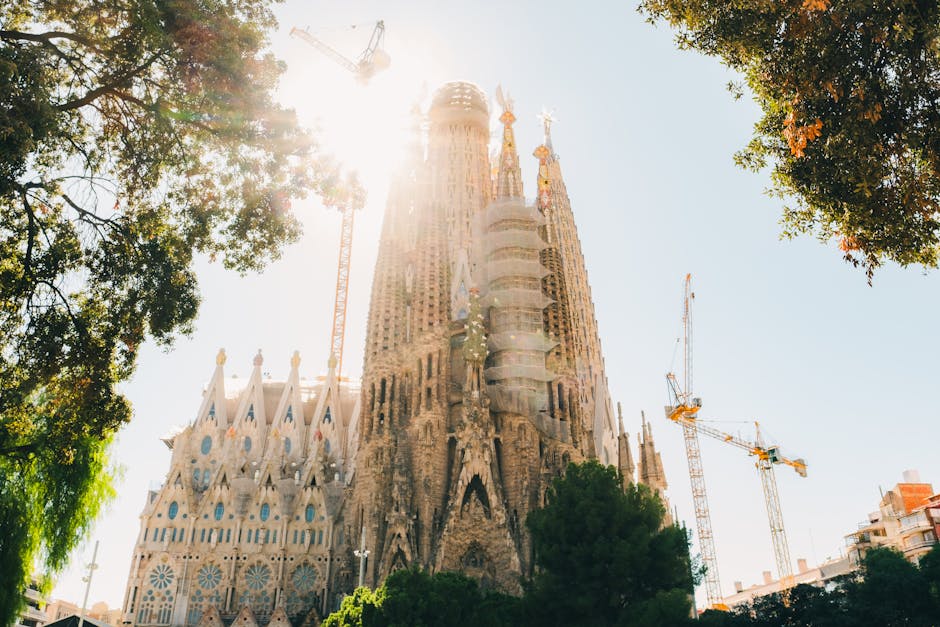
- 9:00 AM: Sagrada Familia visit (90 minutes).
- 10:30 AM: Walk along Avinguda Gaudi and visit the Hospital de Sant Pau exterior.
- 11:00 AM: Metro to Passeig de Gracia. Casa Batllo exterior viewing and (optional) interior visit.
- 12:30 PM: Lunch in the Eixample or walk down toward the Gothic Quarter.
- 2:00 PM: Gothic Quarter walking tour (self-guided): Cathedral, Placa del Rei, Placa Sant Jaume.
- 3:30 PM: El Born walk; Picasso Museum exterior, Santa Maria del Mar, Born Cultural Centre.
- 4:30 PM: Relax at Parc de la Ciutadella and the Cascada fountain.
- 5:30 PM: Walk to the marina and Barceloneta.
- 6:30 PM: Sunset stroll on the beach.
- 7:30 PM: Tapas dinner in El Born or Barceloneta.
- 9:30 PM: Optional Magic Fountain show at Plaza Espanya OR a final cocktail in the Gothic Quarter.
The full plan is below, hour by hour, with practical notes and decision points.
Morning: Gaudi at His Most Famous
8:30 AM — Coffee and Pastry Near the Sagrada Familia
Step out of your hotel and head to the Sagrada Familia neighbourhood. The blocks immediately around the basilica have several decent independent cafes (avoid the obvious ones directly facing the entrance). Order a cafe con leche and a small ensaimada or croissant; locals call this the standard “smoked cigarette” coffee — short, dark, and energising. Total spend: 3 to 5 EUR.
9:00 AM — The Sagrada Familia
Your timed-entry slot is the most important moment of the day. Arrive 5 minutes before your slot, pass through the security check, and enter via the Nativity Facade. The basilica is most visually stunning in the morning, when eastern light pours through the warm-coloured stained glass to fill the nave with rainbows. Allow 90 minutes inside, including the audioguide. Skip the towers unless you have an extra 60 minutes; the queues for the lift can eat your morning.
For the full breakdown of what to see, see our Sagrada Familia guide.
10:30 AM — Hospital de Sant Pau and Avinguda Gaudi
Exit the Sagrada Familia through the Passion Facade and cross the street to begin walking up the leafy Avinguda Gaudi. This 800-metre, tree-lined avenue links two UNESCO Modernista sites: the Sagrada Familia at one end and the Hospital de Sant Pau (a stunning Modernista hospital complex by Lluis Domenech i Montaner) at the other.
The hospital exterior is free to admire from the avenue. If you have an hour to spare, the interior visit (15 EUR) is worthwhile. Otherwise, take photos and continue.
Late Morning: Eixample and Casa Batllo
11:00 AM — Metro to Passeig de Gracia
Take the L5 from Hospital de Sant Pau to Diagonal, then transfer to L3 to Passeig de Gracia. About 12 minutes including transfer. As you climb out at Passeig de Gracia, you are looking up the elegant Eixample boulevard, with Casa Batllo a 1-minute walk to your left and Casa Mila (La Pedrera) a 5-minute walk in the other direction.
11:15 AM — Casa Batllo Exterior or Interior
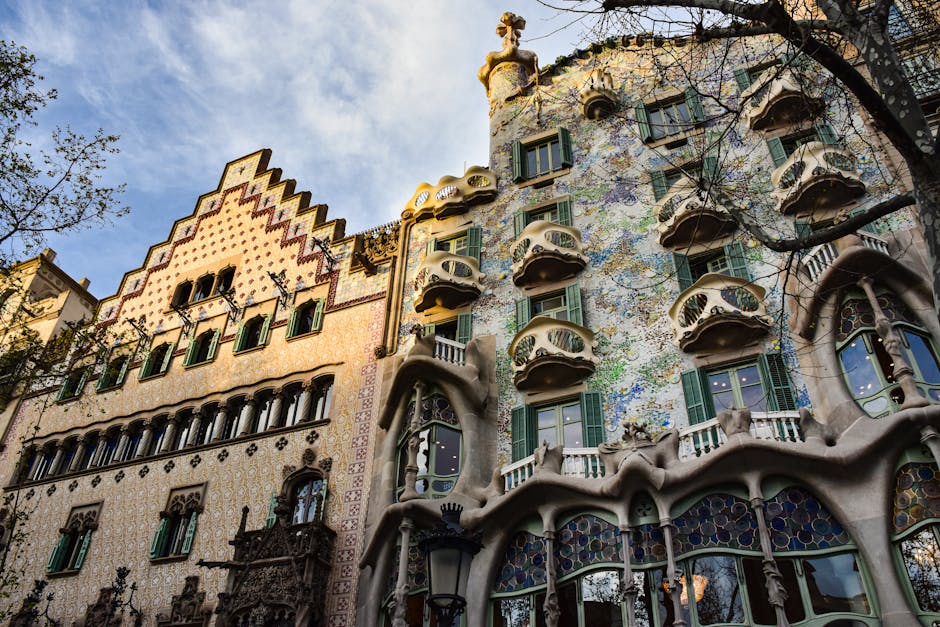
If you have already booked a tour, head inside. Casa Batllo is one of Gaudi’s most playful buildings: skull-shaped balconies, dragon-skin scales on the roof, and an interior that feels like the inside of a sea creature. Allow 60 to 75 minutes for the interior visit (around 35 EUR for advance online tickets).
If you have not pre-booked, simply admire the facade from the street. The exterior alone is one of the most photographed in Barcelona. You can also peek at Casa Mila across the street if you walk 5 minutes north on Passeig de Gracia. Both are masterpieces, both have queues, and you can savour them from the pavement without spending a euro.
12:30 PM — Lunch in the Eixample
Lunch is a turning point in the day. You have walked off the morning coffee, you are warm but not exhausted, and the Eixample is packed with options. Consider:
- Cervezeria Catalana (Carrer Mallorca 236): Famous tapas bar with a wide selection. Lunchtime queue but moves fast.
- Tapas 24 (Carrer Diputacio 269): Classy modern tapas from chef Carles Abellan; reservations recommended.
- Bar Mut (Carrer Pau Claris 192): Stylish wine bar with excellent small plates.
- Lasarte (Carrer Mallorca 259): A 3-Michelin-star option if you have booked weeks ahead and have an indulgent budget.
For a budget-friendly menu del dia, walk a couple of blocks off Passeig de Gracia where prices drop noticeably. A typical 3-course lunch with a glass of wine runs 14 to 22 EUR.
Early Afternoon: The Gothic Quarter
2:00 PM — Walk Down to the Gothic Quarter
From Passeig de Gracia, you can walk south to the Gothic Quarter in 15 minutes via Rambla Catalunya, or take the L3 metro one stop to Catalunya. Either way, you arrive at the heart of the medieval city.
2:15 PM — Cathedral and Placa del Rei
The Barcelona Cathedral (Cathedral of the Holy Cross and Saint Eulalia) sits on a small rise in the heart of the Gothic Quarter. The Gothic facade is a 19th-century addition, but the interior dates from the 13th to 15th centuries. Don’t miss the cloister, where 13 white geese (one for each year of Saint Eulalia’s life) wander a small fountain courtyard. Entry is around 9 EUR.
From the Cathedral, walk one block north to Placa del Rei, the most evocative medieval plaza in Barcelona. Surrounded by the Royal Palace, the Saint Agatha Chapel, and the Tinell Hall (where Christopher Columbus reportedly was received after his first voyage), this stone-paved square will fix the medieval feel of the city in your memory.
3:00 PM — Placa Sant Jaume
Continue south to the political heart of Barcelona: Placa Sant Jaume. The Catalan Generalitat (regional government) faces the Barcelona City Hall across the square. The square’s history goes back to Roman times. On many days you can catch impromptu civic events; on Sunday mornings during festival season this is where the famous human towers rise.
3:30 PM — El Born and Santa Maria del Mar
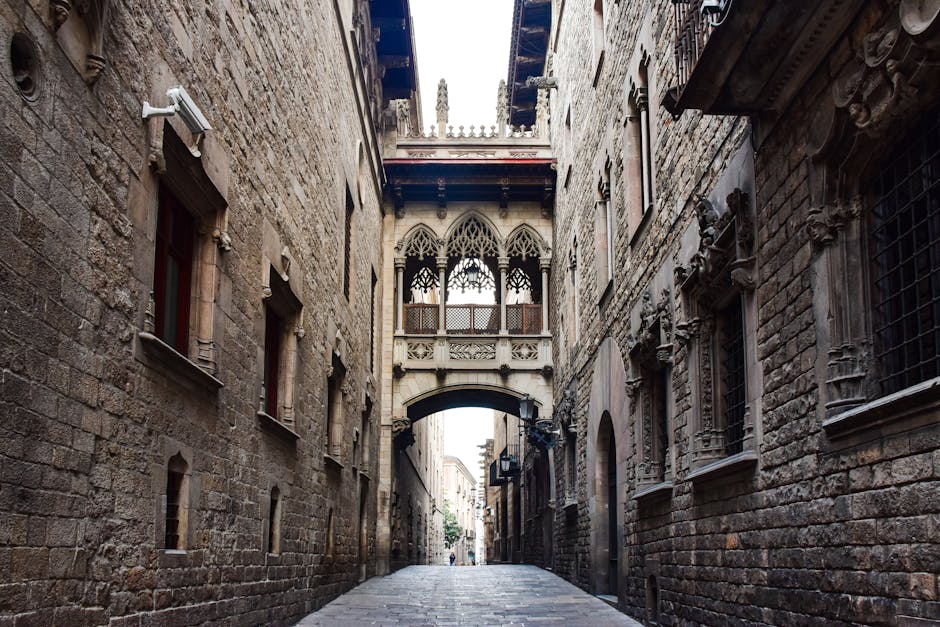
Walk east through Carrer del Bisbe (peeking up at the famous neo-Gothic bridge) and across Via Laietana into El Born, the city’s old maritime quarter. Stop at Santa Maria del Mar, often considered the most beautiful church in Barcelona. The 14th-century basilica was built by the city’s port workers and is a masterpiece of Catalan Gothic in its purest form: tall, slender, austere, and breathtaking.
Keep walking to the Born Cultural Centre, a 19th-century iron-and-glass market hall converted into a cultural space and archaeological site (the foundations of the Bourbon-era city are visible underneath). If you have time, the Picasso Museum is a 5-minute walk further into El Born; allow 60 minutes for a quick visit.
Late Afternoon: Park Time and the Beach
4:30 PM — Parc de la Ciutadella
From El Born, a 10-minute walk east takes you to Parc de la Ciutadella, the central green space of Barcelona. Visit the dramatic Cascada fountain, a Beaux-Arts cascade of waterfalls and statuary that Antoni Gaudi himself worked on as a young architecture student. There is a small lake with rowboat rentals (about 8 EUR for 30 minutes if you have time), and the Catalan Parliament building is visible across the lawn.
Buy an ice cream from one of the carts, sit on a bench, and rest your feet. You have just walked through 2,000 years of history.
5:30 PM — Walk to the Marina and Beach
Exit Parc de la Ciutadella at the southeast corner near the Arc de Triomf or via Carrer de Wellington. From there, a 15-minute walk down Passeig de Picasso takes you to the harbour. Cross the wooden Rambla del Mar bridge to reach the Old Port and the Aquarium.
From here, walk along the Passeig Maritim toward Barceloneta. The boardwalk is lined with chiringuitos (beach bars), and the W Hotel rises like a sail at the southern end of the beach.
6:30 PM — Sunset on the Beach
Take off your shoes, walk along the sand, and watch the sun sink behind the city skyline. In summer, this is one of the best hours of any Barcelona day. In winter, the light is even more dramatic but the wind picks up. Either way, allow 30 to 60 minutes here.
For the full beach map and recommendations, see our best beaches in Barcelona guide.
Evening: Dinner and One Last Spectacle
7:30 PM — Tapas Dinner in El Born or Barceloneta
Spanish dinner is late. By 7:30 PM kitchens have just opened, and 8:30 PM is when most locals start. Either walk back to El Born for the trendier tapas options or stay in Barceloneta for traditional seafood. Recommended:
- Cal Pep (Placa de les Olles 8, El Born): Iconic tapas counter; arrive at 7:00 PM to queue.
- Bar Cañete (Carrer de la Unio 17, Raval): A 10-minute walk from El Born; high-quality classic Catalan tapas.
- El Xampanyet (Carrer de Montcada 22, El Born): Small old-school cava bar; cash, no reservations, queue from 7:30.
- Can Sole (Carrer de Sant Carles 4, Barceloneta): Classic seafood, white tablecloth, reservations essential.
- La Plata (Carrer de la Merce 28, Gothic Quarter): Tiny, four-tapas-only spot; cash; queue from 7:00 PM. Worth the trip.
Budget 30 to 45 EUR per person for a tapas dinner with wine.
9:30 PM — Magic Fountain or Final Cocktail
The day has one more option. If the Magic Fountain is running tonight (Thursday through Sunday in winter, Wednesday through Sunday in spring/autumn, most evenings in summer), take the metro to Plaza Espanya and watch the choreographed light-and-water show. It is free and lasts 30 minutes.
If the fountain is not running or you are tired, head back to a Gothic Quarter cocktail bar for a nightcap. Try Sips Drinkery House for a world-class cocktail, El Paradiso for a 50 Best Bar experience (queues from 9:30 PM), or Two Schmucks for a relaxed, neighbourhood-feel bar.
Variations on the Itinerary
If You Are on a Cruise Stopover (6-8 Hours)
Compress the morning into the Sagrada Familia, skip the Eixample shopping street, and use the time to walk straight to the Old City for lunch. Visit Santa Maria del Mar, walk Las Ramblas, and take the harbour cable car back to the cruise terminal. You will miss Park Guell and the beach, but you will have the city’s spirit.
If You Are Arriving Late (12-Hour Day)
Skip the Sagrada Familia visit and start at Park Guell or Casa Batllo. Spend the afternoon in the Gothic Quarter and El Born, then sunset and tapas in Barceloneta. The Magic Fountain at 9:30 PM is your closer.
If You Have a Layover (4-6 Hours)
Take the L9 Sud metro from the airport to the city centre (32 minutes). With 4 hours, hit Passeig de Gracia, photograph Casa Batllo and Casa Mila, and walk through the Gothic Quarter. With 6 hours, add the Sagrada Familia exterior and a tapas lunch.
If It Rains
The Sagrada Familia, Casa Batllo, the Picasso Museum, the Born Cultural Centre, and the Cathedral are all indoor experiences. Replace the beach with the Aquarium. The Magic Fountain still runs in light rain.
If You Are with Children
Replace the Casa Batllo interior with the family activities at Parc de la Ciutadella, the Aquarium, or the Magic Fountain. Many of the Gothic Quarter walking moments still appeal to children.
Practical Tips for a Successful 1-Day Visit
- Wear comfortable walking shoes. The cobbled Old City is unforgiving in stilettos.
- Carry a small day bag. Don’t leave anything in a rental car or unattended cafe seat.
- Watch for pickpockets. Las Ramblas, the metro, and the area around the Sagrada Familia are favourite hunting grounds.
- Hydrate and snack often. Spanish meals are far apart; eat a mid-morning snack to stay alert.
- Avoid the obvious tourist traps. Restaurants directly on Las Ramblas tend to be expensive and forgettable. One block off, prices and quality both improve.
- Use the bathroom at every museum. Public toilets in Barcelona are scarce.
- Dress respectfully for the basilica and cathedral. Shoulders covered, no shorts above the knee.
- Don’t try to see Park Guell on a 1-day Sagrada Familia day. The bus and walk add 90 minutes, and you will rush. Pick one Gaudi outdoor experience.
- Cash for small things. Most places take cards but tip a couple of euros in cash if service was warm.
- Have a backup plan. A missed metro or a slow lunch can throw the schedule off; build in 90 minutes of buffer through the day.
What to Skip on a 1-Day Trip
You cannot do it all. The following are wonderful but realistically impossible to fit:
- Park Guell: Worth a full afternoon, not a stopover. Save for a 2-day trip.
- Camp Nou: The stadium tour requires 90 minutes and is on the city’s outer edge.
- Montjuic: Castle, MNAC museum, and Olympic Stadium each warrant time.
- Day trips: Montserrat, Sitges, Costa Brava — all need a full day.
- Tibidabo: The hilltop amusement park and church need their own afternoon.
- Most museums: The Picasso Museum, MACBA, Fundacio Joan Miro, MNAC, and CosmoCaixa each deserve 2 to 3 hours.
For longer stays, our 3-day Barcelona itinerary and 4-day Barcelona itinerary are the next reads.
Frequently Asked Questions
Is one day enough for Barcelona?
One day is enough to experience the city, but not enough to know it. You can hit the main highlights and feel the atmosphere, but you will miss day trips, neighbourhood deep-dives, and the second-tier museums.
Should I do Park Guell or the Sagrada Familia in one day?
Sagrada Familia, hands down. It is more central, more emblematic, and more time-efficient (no long uphill bus ride).
Should I take a guided tour?
For a 1-day visit, a half-day morning walking tour with a licensed guide can save you logistics stress and add depth. Otherwise, the audioguide at the Sagrada Familia is excellent and self-guided walking is rewarding.
Is the metro fast enough for a 1-day plan?
Yes. Trips between major attractions take 5 to 15 minutes. Combined with smart walking, you can cover the route above without any taxi.
How much should I budget for one day?
A reasonable middle-budget day with two paid attractions, lunch, dinner, transport, and one cocktail runs around 110 to 150 EUR per person. Lower budget at 70 to 90 EUR with simpler meals and only one paid attraction.
Where should I store luggage if my hotel hasn’t checked me in?
Use a luggage storage service near a major train station (Sants Estacio, Passeig de Gracia) or download the LuggageHero or Bounce app. Cost is around 7 to 10 EUR for a full day.
Are restaurants open all day?
Most kitchens close from 4:00 PM to 7:30 PM. Plan lunch at 1:30 PM or after, and dinner at 8:00 PM at the earliest. Cafes and tapas counters are open all day.
What time does the Sagrada Familia open?
9:00 AM most days; 9:30 AM in some seasons. Check the official site when booking.
What’s the most photogenic spot for an Instagram shot?
Park Guell’s mosaic terrace (if you make it there), Casa Batllo’s facade at golden hour, the rooftops of the Sagrada Familia, the Cascada fountain in Parc de la Ciutadella, and the spiral staircase of Casa Mila. The boardwalk near Barceloneta at sunset is also extraordinary.
Is one day enough to feel Barcelona’s character?
Surprisingly, yes. The city’s mix of medieval streets, Modernista architecture, sea, and food culture is dense enough to leave a deep impression in 12 well-spent hours. Most visitors leave wanting to come back, which may be the point.
Final Thoughts: Make the One Day Count
A successful barcelona one day itinerary requires three things: pre-booked tickets, comfortable shoes, and the discipline to skip what you can’t fit. Follow the route above, give yourself buffer for the slow Spanish kitchens and the surprise photo stops, and you will leave Barcelona with the same hunger that brings everyone else back. The city does not give up its secrets in 24 hours, but it gives you a glimpse of every reason to return.
For the next steps in your trip planning, see our complete itineraries pillar, the 3-day plan, the main Barcelona travel guide, and the metro guide for the practical transit logistics.