We get commissions for bookings made through this post. Booking links, and any accommodation options shown on the page, are handled by a partner that adds commission tracking automatically. It never costs you more, and it never affects what we recommend. Affiliate disclosure
Barcelona in 2026 is experiencing an extraordinary moment in time. As UNESCO’s World Capital of Architecture (February 12 – December 13, 2026), the Catalan capital is celebrating the 100th anniversary of Antoni Gaudí’s death, making this the year to explore things to do in Barcelona like never before. The iconic Sagrada Familia has just completed its Tower of Jesus Christ at 172.5 meters tall, featuring a stunning new observation deck. With over 1,500 multidisciplinary architecture activities scheduled throughout the year and the UIA World Congress of Architects arriving in June, Barcelona is positioned as the world’s premier destination for architecture lovers and culture seekers alike.
Whether you’re a first-time visitor planning your itinerary or a seasoned Barcelona explorer looking for fresh experiences, this comprehensive guide covers the best things to do in Barcelona across every category imaginable. From world-renowned architectural wonders to hidden neighborhood gems, from sophisticated museum experiences to vibrant beach culture—we’ve curated 101 essential activities that showcase why Barcelona consistently ranks among Europe’s most dynamic destinations. Read on to discover your perfect Barcelona experience.
Gaudí’s Architectural Masterpieces: The Heart of Things to Do in Barcelona
No exploration of things to do in Barcelona can begin anywhere else than with Antoni Gaudí, the visionary architect who transformed the city into an open-air museum of Modernisme. As 2026 marks the centenary of Gaudí’s death and Barcelona celebrates its UNESCO World Capital of Architecture status, visiting these masterpieces becomes a pilgrimage every traveler should undertake.
Sagrada Familia: The Newly Completed Tower of Jesus Christ
The Sagrada Familia isn’t just one of Barcelona’s most visited monuments—it’s one of the most extraordinary architectural achievements in human history. The basilica reached a historic milestone in February 2026 with the completion of the Tower of Jesus Christ, standing at 172.5 meters tall. This newly finished spire is now the tallest element of the basilica and offers visitors an unprecedented viewing experience from the new observation deck.
Begun by Gaudí in 1883, the Sagrada Familia represents an unfinished symphony—and that’s precisely what makes it so captivating. The basilica’s interior features eighteen soaring columns designed to resemble a forest canopy, with natural light filtering through stained glass that bathes the space in ethereal color. The ongoing construction process remains visible to visitors, allowing you to witness architectural evolution in real time.
Planning Your Visit: Book advance tickets through sagradafamilia.org to avoid queues (€26–€33 depending on tower access). Allow 2–3 hours for your visit. The climb to the observation deck offers panoramic city views. Visit early morning or late afternoon for better lighting and fewer crowds. The basilica operates daily from 9 AM–8 PM (extended hours during summer).
Casa Batlló: Gaudí’s Most Colorful Creation
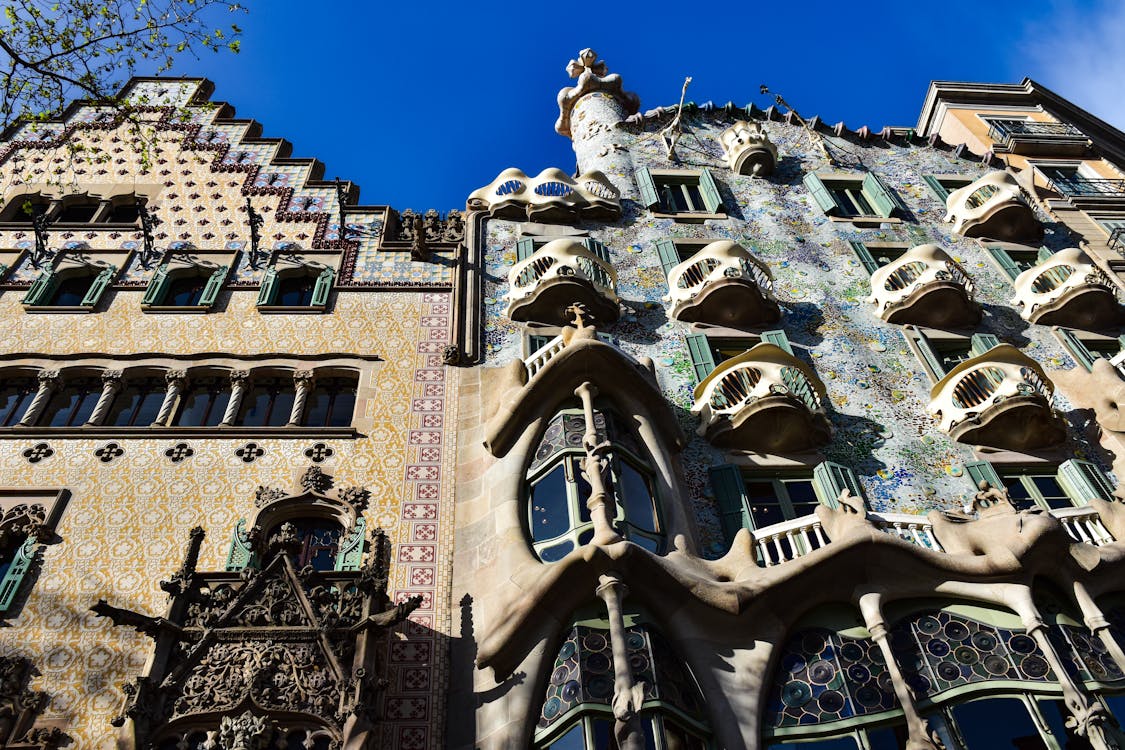
Casa Batlló exemplifies Gaudí’s mastery of organic forms and chromatic expression. The apartment building’s sinuous stone facade undulates like water, featuring a balcony system that resembles skeletal forms—a haunting beauty that once earned it the nickname “House of Bones.” The roof, covered with colorful ceramic tiles that represent a dragon’s back, is one of Barcelona’s most photographed rooflines.
In January 2026, Casa Batlló unveiled its “Beyond the Façade” exhibition, a new immersive experience designed specifically for Gaudí Year. This exhibition explores the interior spaces in unprecedented ways, combining original architectural elements with modern presentation techniques. The first floor’s main salon features spectacular stained glass and original furnishings, while the attic reveals Gaudí’s ingenious structural solutions—a series of catenary arches that distribute weight with stunning efficiency.
Planning Your Visit: Visit casabatllo.es for tickets (€28–€42, depending on experience level). The “Beyond the Façade” exhibition is included with admission. Plan 1.5–2 hours for your visit. Tuesday through Thursday mornings typically see smaller crowds. Night visits offer a magical atmosphere with artistic lighting that emphasizes the building’s sculptural qualities.
Park Güell: Whimsy in Stone and Tile
Perched on a hillside overlooking Barcelona, Park Güell initially seems more like a fairy tale landscape than an actual park. Gaudí’s vision for this private gated community (which failed commercially but succeeded artistically) created a dreamscape of colorful mosaics, sculptural forms, and organic geometry seamlessly integrated with nature.
The iconic terrace features the famous serpentine bench, a undulating seat decorated with vibrant “trencadís” mosaic—colorful ceramic shards arranged to create abstract patterns. The entrance pavilions, with their candy-like turrets and organic forms, immediately transport you into Gaudí’s imaginative realm. Walking through the park reveals constant surprises: stone archways that seem to grow from the ground, columns shaped like tree trunks, and platforms offering stunning views across the city to the Mediterranean.
Planning Your Visit: Book tickets through parkguell.barcelona in advance (€14–€20, free for children under 6). The main terrace (free access area) can be visited without a ticket, though the best views and photographic angles require paid admission. Morning visits (8–9 AM) offer the park at its most peaceful. Allow 1.5–2 hours for exploration. The park is wheelchair accessible via alternative routes.
La Pedrera: Where Technology Meets Organic Design
Casa Milà, affectionately known as La Pedrera (“The Stone Quarry”), showcases Gaudí’s most daring residential design. The building’s undulating facade lacks any straight lines, creating an effect of stone waves frozen in motion. The wrought-iron balconies, designed by Josep Maria Jujol, resemble tangled seaweed or undulating ribbons—pure sculptural poetry in iron.
The rooftop is an adventure in itself—a landscape of whitewashed chimney stacks and ventilation shafts that resemble an avant-garde sculpture park. The interior apartments, while primarily private residences, occasionally offer viewing opportunities. The main floor’s exhibition space showcases the apartment as it would have appeared in Gaudí’s era, complete with period furnishings and original details.
Planning Your Visit: Tickets cost approximately €24–€32. The building is open daily 9 AM–6:30 PM (extended hours in summer). Night tours are particularly atmospheric, with artistic lighting that emphasizes the building’s sculptural drama. Expect to spend 1–1.5 hours. The building is largely wheelchair accessible on the ground floor and main exhibition areas.
Historic Neighborhoods: Discovering Authentic Barcelona
While Gaudí’s architectural creations draw the crowds, the true spirit of Barcelona lives in its neighborhoods. Among the best things to do in Barcelona is simply wandering these ancient quarters, getting lost in winding streets, and discovering hidden plazas, local tapas bars, and centuries-old traditions. Each neighborhood tells a different chapter of Barcelona’s rich history.
Gothic Quarter (Barri Gòtic): Medieval Barcelona Preserved
The Gothic Quarter, the oldest section of Eixample and the medieval heart of Barcelona, feels like stepping into the 14th century. Narrow, shadowed streets wind between soaring Gothic buildings, many dating back to the 1300s and 1400s. The Cathedral of the Holy Cross and Saint Eulalia dominates the quarter’s center—a magnificent Gothic structure whose construction began in 1298 and continued for nearly 200 years.
Wandering through the Gothic Quarter reveals constant surprises: hidden plazas like Plaça Reial with its elegant arcades, the atmospheric Royal Palace (Palau Reial), atmospheric medieval streets that feel frozen in time, and dozens of small museums, art galleries, and craft shops tucked into ancient buildings. The quarter’s narrow streets provide welcome shade during hot summer months and create an intimate, discovery-driven exploration experience.
Things to Do Here: Visit the Cathedral (free entry to main church, €3 donation requested; 8–9:30 AM is the quietest time). Explore Plaça Reial and watch street performers. Browse vintage clothing shops and art galleries. Stop at traditional tapas bars (many have stood in the same location for decades). Join a free walking tour to learn the quarter’s history. Climb the Cathedral’s tower for city views.
El Born: Bohemian Charm and Contemporary Art
Once a working-class medieval neighborhood, El Born has transformed into Barcelona’s most fashionable quarter without losing its authentic character. This is where Barcelona’s young professionals, artists, and creatives congregate—browsing independent boutiques, sipping craft coffee in converted Gothic buildings, and dining in Michelin-starred restaurants housed in 15th-century structures.
The neighborhood centers around the Gothic Santa Maria del Mar basilica, one of Barcelona’s most beautiful churches, featuring soaring columns and spectacular rose windows. The surrounding narrow streets branch off into hidden galleries, concept stores, and cozy wine bars. The hidden gems of El Born include converted palaces-turned-museums and courtyard cafes tucked away from street level.
Things to Do Here: Visit the Picasso Museum, housed in several medieval palaces. Explore Carrer del Bisbe’s Gothic arcades and bridges. Browse independent fashion boutiques and design shops. Experience the neighborhood’s excellent dining scene (from pintxos bars to fine dining). Attend evening classical concerts at Santa Maria del Mar.
Gràcia: Village Vibes Inside the City
Gràcia retains the character of an independent village despite being absorbed into Barcelona proper over a century ago. Its charming squares are filled with local bars and cafes, while its streets feature independent bookstores, vintage clothing shops, and small galleries. This neighborhood is where Barcelona’s residents come to relax, not where tourists come to see sights—which makes it perfect for experiencing authentic local life.
Plaça del Sol, Plaça de la Virreina, and Plaça de diamant each serve as neighborhood hubs, lined with outdoor tables where locals linger over coffee and conversation. The neighborhood hosts a renowned summer festival featuring concerts, theater, and performances across multiple plazas simultaneously—a uniquely Barcelona experience that captures the city’s creative energy.
Things to Do Here: Relax with coffee at a neighborhood cafe (most significantly cheaper than tourist areas). Browse independent shops and galleries. Attend neighborhood festivals and cultural events. Explore the bohemian residential streets. Dine at local restaurants serving contemporary Catalan cuisine. Join locals for evening drinks in the plazas.
El Raval: Art, Culture, and Urban Regeneration
El Raval represents Barcelona’s commitment to urban renewal and cultural development. Once known for its seedier reputation, the neighborhood has transformed dramatically through strategic cultural investments and community development. The white rectangular bulk of the MACBA (Museum of Contemporary Art) anchors the district, with its sloped facade serving as an informal skate park where local youth gather for tricks and socializing.
Walking through El Raval reveals the city’s multicultural character—immigrant communities, street art covering entire buildings, vintage record shops, and alternative cultural spaces. The neighborhood doesn’t have the manicured charm of the Gothic Quarter or Gràcia, but that’s precisely what makes it feel authentic and vital—this is contemporary Barcelona, dynamic and still evolving.
Things to Do Here: Visit MACBA’s contemporary art exhibitions (free entry to atrium; museum tickets approximately €18). Watch skateboarders on the MACBA plaza. Explore street art and urban murals. Browse vintage record and book shops. Experience the multicultural dining scene. Visit the Church of Sant Antoni Abat (free, beautiful Gothic architecture).
Museums and Cultural Experiences for Every Interest
Barcelona’s world-class museums represent some of the finest things to do in Barcelona for culture seekers. The city punches well above its weight in terms of art collections, architectural museums, and specialized institutions that rival those of much larger cities. Whether your passion is Picasso, contemporary art, or Catalan design, Barcelona delivers comprehensive experiences.
Museum of National Art of Catalonia (MNAC)
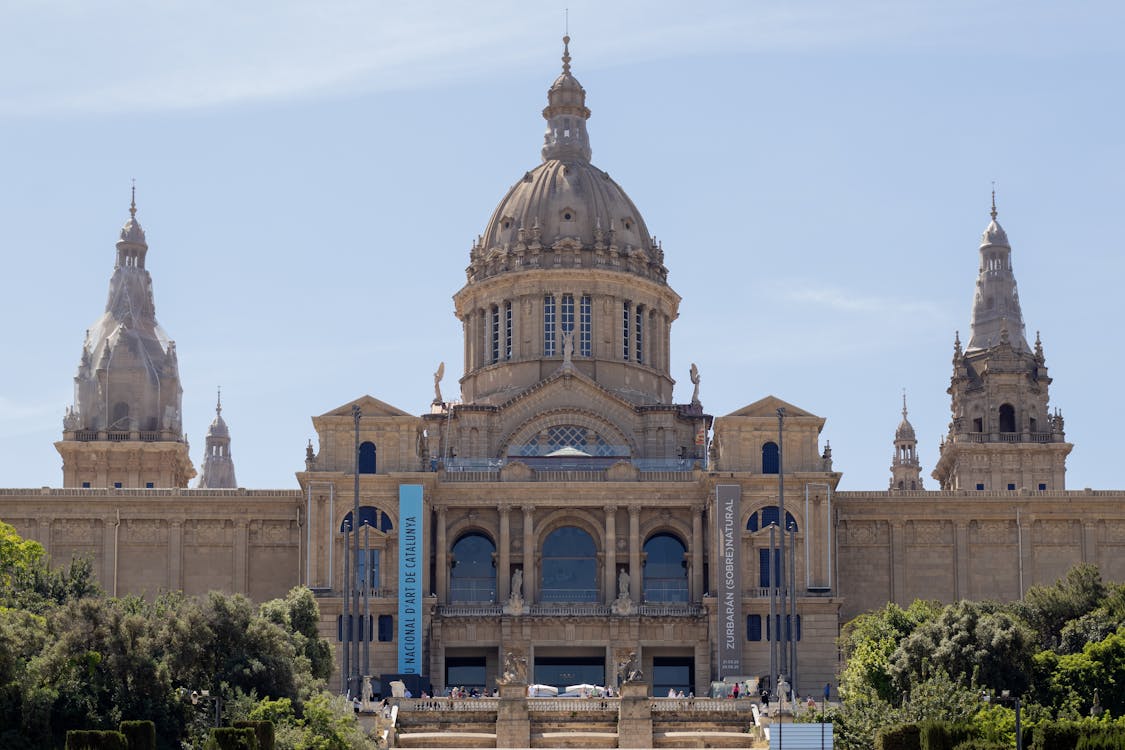
Housed in the stunning Palau Nacional atop Montjuïc hill, MNAC contains one of the world’s finest collections of Romanesque art, alongside impressive medieval, Gothic, and Renaissance galleries. The collection’s breadth—spanning the 11th through early 20th centuries—provides a comprehensive view of Catalan and Spanish artistic achievement.
The Romanesque collection is particularly extraordinary, featuring frescoes, icons, and altarpieces from Catalonia’s mountain churches, many restored to their original brilliance. The Gothic galleries showcase devotional panels and sculptures demonstrating the region’s artistic sophistication during the medieval period. The building itself, with its grand entrance staircase and impressive dome, makes a statement about the importance of art to Catalan identity.
Planning Your Visit: Tickets cost €15 (€12 reduction, free on first Sunday of month). Hours are Tuesday–Saturday 10 AM–6 PM, Sunday 10 AM–3 PM (closed Mondays). Plan 2–3 hours for your visit. The interior staircase provides dramatic photo opportunities. The rooftop terrace offers city views and a cafe.
Picasso Museum: One of the World’s Most Comprehensive Picasso Collections
Barcelona’s Picasso Museum ranks among the world’s finest dedicated to a single artist, particularly strong in Picasso’s early and formative years. The museum’s particular genius is showing how Picasso evolved from his Blue Period through to his revolutionary development of Cubism. Housed in several interconnected medieval palaces in El Born, the museum creates an intimate, discovery-driven experience.
The collection emphasizes Picasso’s Barcelona connections—he spent his youth here (1895–1904), and the city profoundly influenced his artistic development. Beyond the artworks themselves, the building interiors are beautiful, with Gothic arches, interior courtyards, and period architectural details that enhance the contemplative museum experience.
Planning Your Visit: Tickets cost €14 (€7 reduction, free after 7 PM Thursday). Hours are Tuesday–Sunday 9 AM–7 PM, Thursday 9 AM–9:30 PM (closed Mondays). Tuesday to Thursday evenings are less crowded. Plan 1.5–2 hours for a meaningful visit. The museum’s location in El Born makes it easy to combine with neighborhood exploration.
Fundació Joan Miró: A Masterpiece in Modern Art Display
Joan Miró, the Catalan surrealist artist, achieved international fame while maintaining deep roots to his Barcelona homeland. The Fundació Joan Miró, designed by architect Josep Lluís Sert and located on Montjuïc, houses the world’s most comprehensive collection of Miró’s works—over 11,000 pieces, with rotating exhibitions ensuring repeat visits reveal new discoveries.
The museum building itself is a masterpiece of modernist architecture, with clean lines, abundant natural light, and exhibition spaces that beautifully showcase the artworks. Miró’s evolution from early paintings through his abstract works, sculptures, ceramics, and graphic design pieces tells a comprehensive artistic narrative. The collection spans his entire creative life, revealing constant experimentation and an artist never satisfied with repeating previous achievements.
Planning Your Visit: Tickets cost €15 (€10.50 reduction, free for children under 14). Hours are Tuesday–Saturday 10 AM–7 PM, Sunday 10 AM–3 PM (closed Mondays). Plan 2–2.5 hours for a comprehensive visit. The museum’s location on Montjuïc pairs well with visits to MNAC and the Magic Fountain. Thursday evenings (until 9:30 PM) offer a quieter atmosphere.
CosmoCaixa: Science Meets Wonder
For a different museum experience, CosmoCaixa in the upper part of the city offers interactive science exhibitions that captivate both children and adults. The museum’s “Flooded Forest” recreates the ecosystem of an Amazonian rainforest, complete with 100 species of animals, unusual plant life, and controlled weather systems that produce actual rainfall within the museum space.
Beyond the permanent exhibits, the museum features rotating exhibitions on topics ranging from outer space to archaeological discoveries. The interactive nature of the displays makes it ideal for families, though the sophisticated science makes it equally rewarding for adult visitors seeking intellectual stimulation.
Planning Your Visit: Tickets cost €6–€10 depending on age and exhibitions. Hours are Tuesday–Sunday 10 AM–8 PM (closed Mondays). Plan 2–3 hours, depending on interest level. The museum includes a planetarium with shows throughout the day. Arrive early on weekends to avoid crowds.
Montjuïc Hill: Barcelona’s Cultural Crown Jewel
Rising dramatically above the city’s southwestern edge, Montjuïc serves as a comprehensive cultural destination unto itself. The hill hosts museums, gardens, historic monuments, and entertainment venues, making it one of Barcelona’s most multifaceted things to do. A single day could be spent entirely on Montjuïc without exhausting its attractions.
Magic Fountain of Montjuïc: Barcelona’s Evening Spectacle
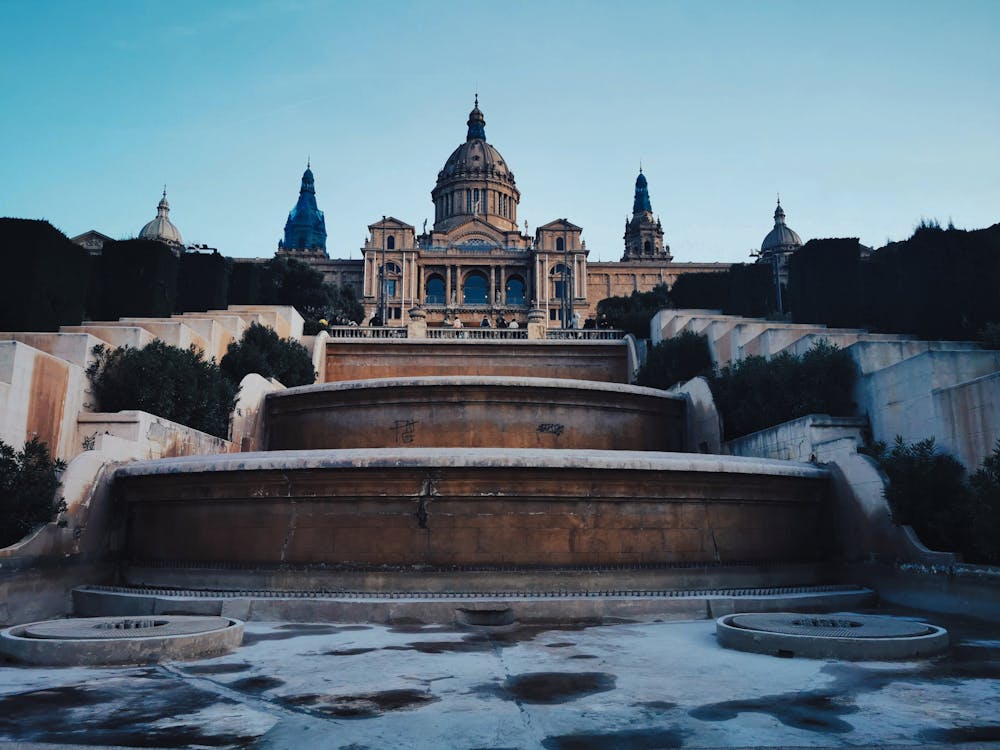
The Magic Fountain (Font Màgica) represents Barcelona at its most theatrical. This choreographed fountain show synchronizes thousands of water jets with music and colored lights, creating a spectacular display that has captivated audiences since it debuted in 1929. The fountain sits in front of the Palau Nacional, providing an impressive architectural backdrop for the performance.
The performances do not run every night: in 2026 the shows run Wednesday to Sunday from June to September, Thursday to Saturday in April and October, and Thursday and Saturday in November and December, with no regular shows on Mondays or Tuesdays and a winter maintenance break early in the year. Each show lasts about an hour and is made up of several musical sequences with different choreography—stay for a few and you see the fountain’s remarkable variety. The experience is entirely free, with viewing areas accommodating thousands of visitors across multiple locations on the plaza.
Planning Your Visit: Shows run from 9:30 PM to 10:30 PM in summer (June–September) and from 9 PM to 10 PM in April, October, November and December. Check the city’s official schedule on the day, as times and nights change with the seasons. Arrive 20–30 minutes early for good viewing positions. The plaza offers various sightlines; the area directly in front provides the best fountain views, while side angles offer perspectives of the Palau Nacional. Bring a light jacket for evening breezes.
Montjuïc Castle: Historic Fortifications and City Views
Perched at Montjuïc’s summit, this 17th-century fortress commands panoramic views across Barcelona toward the Mediterranean. The castle’s military history spans centuries—originally constructed in 1640 and rebuilt multiple times, it served as both a military stronghold and, unfortunately, as a political prison. Today, it functions as a museum and recreational space, with its walls offering spectacular vistas of the city spread below.
The interior includes several small museums covering the castle’s military history and Barcelona’s fortification development. More importantly, walking the castle’s perimeter provides unobstructed 360-degree city views—arguably Barcelona’s best perspectives. Sunset visits offer particularly magical light, with the entire city gradually shifting from daylight to evening illumination.
Planning Your Visit: Entry costs €5 (€3.50 reduction). The castle is open daily 9 AM–sunset. Plan 1.5–2 hours for exploration and photography. The cable car ascent (€11 round-trip) provides scenic transportation, though the walk is manageable and offers gradual vista development. Bring water—the exposed hilltop lacks shade during hot months.
Montjuïc’s Garden Network: Green Spaces and Plant Collections
Beyond its major attractions, Montjuïc features an impressive network of gardens and green spaces, making it ideal for leisurely exploration. The Jardins de Mossèn Costa i Llobera showcases Mediterranean and desert plants in terraced gardens offering stunning city and sea views. The Jardins de Laribal provides cascading terraces with fountains, sculptures, and abundant shade—a refreshing escape from the busy city below.
The Jardins del Teatre Grec, developed around the remains of a Greek-style amphitheater, combines botanical interest with cultural significance. Multiple interconnected gardens allow for hours of wandering without retracing steps, discovering different zones dedicated to various plant families and geographic regions.
Planning Your Visit: Most gardens are free to enter and operate dawn to dusk. Plan 2–3 hours for comprehensive garden exploration. The spring bloom (March–May) offers the most vibrant colors. Gardens provide excellent photo opportunities and peaceful respite from city crowds. Bring comfortable walking shoes for the hill’s considerable elevation changes.
Markets and Food Experiences: Eating Well in Barcelona
Among the most authentic things to do in Barcelona is exploring the city’s legendary markets and food scene. Barcelona’s relationship with food extends far beyond fine dining—it’s woven into daily life through open-air markets, standing-room tapas bars, and family restaurants serving the same dishes for generations. Food tourism in Barcelona reveals the city’s culture, values, and spirit.
La Boqueria Market: Barcelona’s Most Famous Food Market
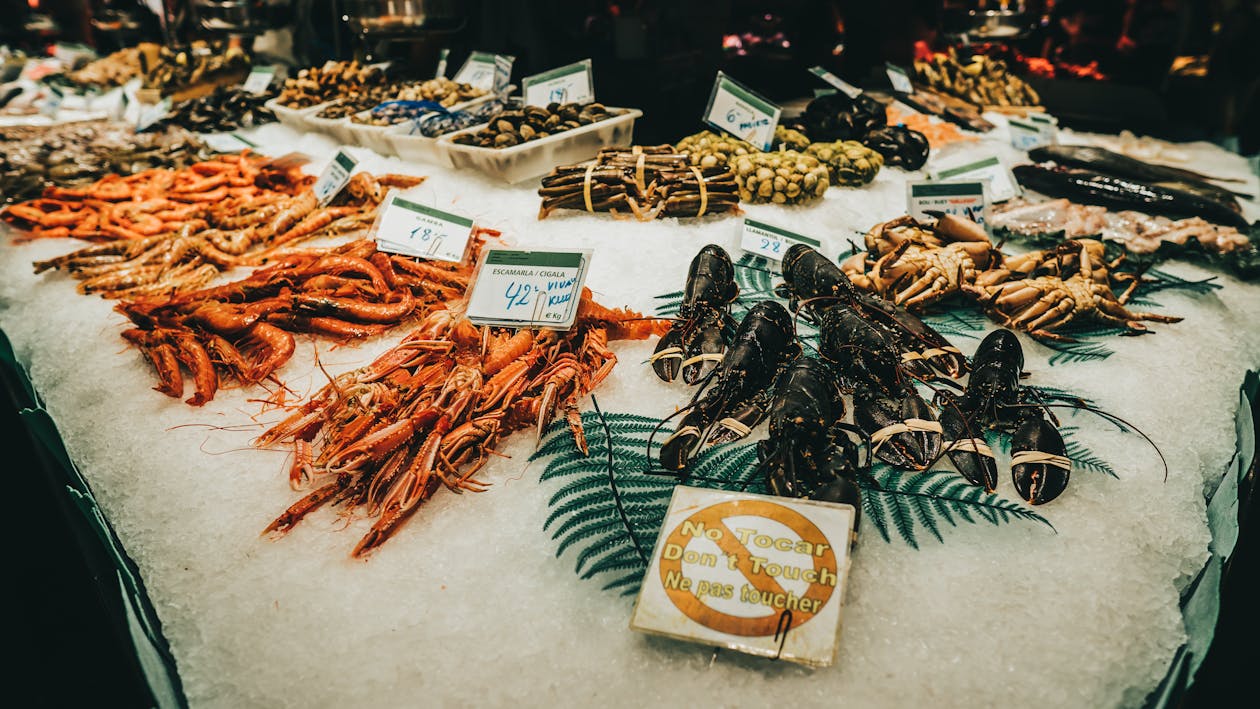
Located on Las Ramblas, La Boqueria has operated as a public market since 1836, evolving from a livestock market into the city’s premier destination for fresh produce, seafood, meat, and prepared foods. The market’s covered arcade features hundreds of stalls, each specializing in particular products—colorful fruit and vegetable vendors, fishmongers displaying the daily catch, olive oil specialists, nut and dried fruit vendors, and juice bars offering fresh-squeezed combinations.
La Boqueria’s character has somewhat shifted toward tourism, with prices reflecting its famous status. However, it remains an authentic marketplace where locals still shop daily, and exploring it captures essential Barcelona experiences. Early morning visits (before 10 AM) offer the best atmosphere before the heaviest tourist arrivals, with vendors still actively selling to residential customers.
What to Do Here: Sample fresh fruit from market stands. Try prepared foods like pa amb tomàquet (tomato bread) or croquetas. Grab fresh juice from juice stands. Browse high-quality olive oils, nuts, and spices. Watch fish vendors working. Grab a quick bite at market-edge bars. Visit early morning for the most authentic experience. Plan 1–1.5 hours.
Santa Caterina Market: Modern Meets Traditional
A contemporary reimagining of market architecture, Santa Caterina combines a working fresh market with a modern restaurant and event space. The market’s undulating wooden roof, designed by architects Enric Miralles and Benedetta Tagliabue, represents one of Barcelona’s most innovative recent architectural additions. The wavy form playfully references the ripples of the fish and waters below, creating a building that’s both beautiful and functional.
The ground level operates as a traditional market, with fresh produce, fish, and prepared food vendors. The upper level features a restaurant and bar serving dishes prepared from market ingredients—ensuring maximum freshness. The space works equally well for quick breakfast, leisurely lunch, or evening drinks while enjoying views across El Born neighborhood.
What to Do Here: Browse the fresh market. Eat at the upstairs restaurant or bar. Watch the city from elevated seating areas. Photography enthusiasts should capture the dramatic wooden ceiling. Plan 1–2 hours depending on dining. Best visited mid-morning when the market is active but not overwhelmingly crowded.
Food Tours and Cooking Classes: Learning Barcelona’s Culinary Traditions
For travelers interested in deeper food knowledge, Barcelona offers excellent guided experiences. Market-based food tours guide visitors through La Boqueria or other markets with expert commentary about Barcelona’s culinary culture, product sourcing, and preparation traditions. Spanish cooking classes teach traditional dishes—from pa amb tomàquet and escalivada to more complex seafood preparations and traditional desserts.
These immersive food experiences transform Barcelona into an edible classroom, helping visitors understand the philosophy and culture underlying the city’s food traditions. Multi-hour experiences often include market shopping, cooking instruction, and dining on prepared dishes—creating comprehensive food memories.
Planning Your Visit: Market food tours cost €40–€80 per person, typically 2–3 hours. Cooking classes range €60–€150, usually 3–4 hours with meals included. Book in advance through tourism agencies or directly with providers. Morning market tours and afternoon cooking classes offer good combinations for full-day food experiences.
Sant Antoni Market: Where Locals Still Shop
Less touristy than La Boqueria, Sant Antoni remains the primary market for local residents shopping for daily groceries. The market’s iron framework structure, built in 1882, is itself a beautiful example of industrial architecture. The surrounding neighborhood of Sant Antoni has gentrified in recent years, filling with hip bars, vintage shops, and contemporary restaurants alongside the market.
Weekend mornings feature a used-book market in the surrounding plaza, making Sant Antoni an excellent destination for browsing markets, picking up fresh food items, and experiencing a neighborhood that feels more authentically Barcelona than the tourist-heavy Gothic Quarter. The surrounding bars serve excellent afternoon vermut (vermouth) culture—a Barcelona tradition worth experiencing.
What to Do Here: Shop the fresh market like locals. Browse used books (weekend mornings). Enjoy vermut and tapas at neighborhood bars. Explore the hip bars and vintage shops opening throughout the district. Plan 2–3 hours for a neighborhood experience. Sunday morning is prime time for the book market and post-market coffee culture.
Beaches and Outdoor Activities: Barcelona’s Seaside Culture
Barcelona’s position on the Mediterranean means beaches represent essential things to do in Barcelona. Beyond simple swimming, the beaches anchor a lifestyle of outdoor activity, social gathering, and waterfront recreation that defines modern Barcelona identity.
Barcelona’s Beach System: From City Center to Suburban Shores
Barcelona operates over a dozen public beaches stretching from the city’s center southward for over 4.5 kilometers. Barceloneta Beach, the most central and popular, runs directly from the Old City and provides excellent swimming, beach bars, and a vibrant social atmosphere. The water is surprisingly clean for a major city harbor, meeting EU bathing water quality standards. Lifeguards patrol during official beach hours (typically 10 AM–6 PM in summer), and water temperature varies from approximately 13°C in winter to 25°C in August.
Moving south, beaches become progressively quieter and less developed. Bogatell and Mar Bella offer a middle ground between Barceloneta’s intense social scene and the residential quietness of outlying beaches. The southernmost beaches, near Poblenou, provide authentic local atmosphere with fewer tourists, casual chiringuito (beach bar) culture, and a more relaxed vibe.
Planning Your Beach Visit: Barceloneta Beach is best visited early morning (7–9 AM) or late afternoon (after 4 PM) to avoid peak crowds. Lifeguards patrol during peak hours. Bring your own beach bag—theft from unattended items occurs frequently, especially at crowded beaches. Beach bars (chiringuitos) serve drinks and light meals at moderate prices. Water temperature ranges from cool (winter) to warm (summer). Bring reef shoes for rocky bottom areas.
Water Sports: Kayaking, Paddleboarding, and Sailing
Barcelona’s coastal location makes it ideal for various water sports. Kayaking along the coast provides unique perspectives of the city’s waterfront architecture and access to secluded coves. Standup paddleboarding offers a full-body workout while exploring Mediterranean waters. Sailing experiences range from hour-long introductions to full-day excursions, with instruction available for beginners.
Most water sports providers operate from the beach or nearby facilities, offering equipment rental and instruction. Summer months provide the most pleasant water temperatures and calmest sea conditions. Spring and fall offer fewer crowds while maintaining swimmable water temperatures (15–20°C).
Planning Your Visit: Water sports cost €30–€80 per hour depending on activity and instruction level. Book through hotel concierge or tourism offices. Life jackets and basic instruction are typically included. Summer mornings (7–9 AM) offer the calmest water. Intermediate swimmers should avoid strong current areas; stay within marked zones.
Parc de la Ciutadella: Urban Green Space with History
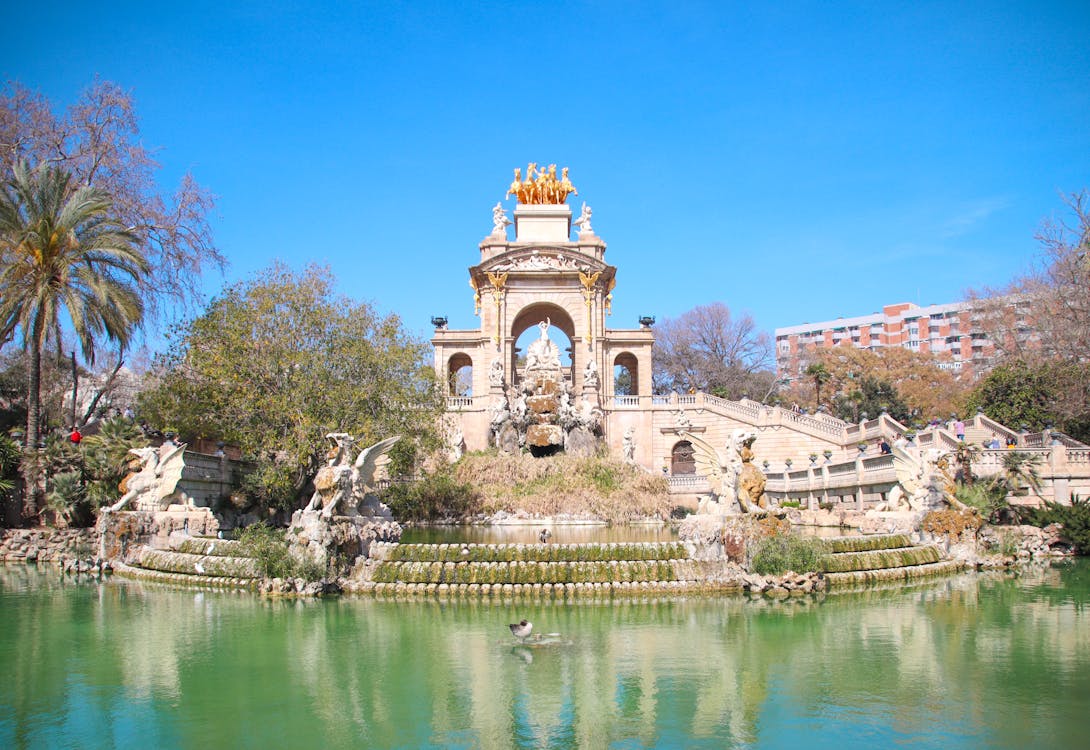
Just inland from the beaches, Parc de la Ciutadella represents one of Barcelona’s most important green spaces and a masterpiece of urban planning. Built on the remains of a 18th-century military fortress (the “citadel” for which it’s named), the park was created for the 1888 World’s Fair and reimagined repeatedly since then. The result is a 30-hectare park combining gardens, cultural institutions, recreational facilities, and natural spaces.
The park’s crowning element is the Cascada Monumental, a monumental waterfall and fountain designed by Josep Fontsère and the young Antoni Gaudí (one of his first Barcelona projects). The cascading water, surrounding sculptures, and dramatic stonework create a theatrical landscape centerpiece. Beyond the cascade, the park features tree-lined walkways, open meadows, ornamental gardens, and lakeside areas perfect for rowing or simply relaxing.
Things to Do Here: Walk through the Cascada gardens and photograph this architectural centerpiece. Rent rowing boats on the park lake. Picnic on the open lawns. Visit the Zoological Museum or Parliament of Catalonia housed within the park. Stroll through the botanical gardens. Watch street performers and musicians throughout the park. Plan 2–4 hours depending on activities. Best visited on weekday mornings when crowds are minimal.
Cycling: Urban Routes and Natural Areas
Barcelona has increasingly prioritized cycling infrastructure, with protected bike lanes expanding throughout the city. A flat ride along the seafront beachfront bike path provides scenic exercise accessible to casual riders. More ambitious cyclists can tackle routes to Montserrat (35 kilometers) or explore the Collserola hills behind the city for mountain biking opportunities.
Bike rental companies operate throughout the city, offering hourly, daily, and weekly rates. Most hotels can arrange rentals. The city provides a public bike-share system (Bicing) available to registered users; short-term tourists should use private rental providers. Spring and fall offer the most pleasant cycling weather; summer heat can be intense during afternoon hours.
Planning Your Visit: Bike rentals cost €10–€20 daily. Helmets are legally required (though rarely enforced for tourists). Beginner routes: beachfront path (flat, scenic). Intermediate: Montjuïc circuit, neighborhoods exploration. Advanced: Collserola mountain biking, coastal routes northward. Morning rides (7–10 AM) avoid heat and provide better visibility. Travel with a lock—bike theft occurs frequently.
Tibidabo: Mountains, Amusement Park, and Elevated Views
North of the city, Tibidabo mountain offers recreational opportunities alongside stunning views. The mountain’s summit reaches 512 meters and features an amusement park (Parc d’Atraccions Tibidabo) dating to 1899, making it one of Europe’s oldest surviving theme parks. The vintage rides, combined with modern attractions and comprehensive city views, create a unique experience blending nostalgia with contemporary entertainment.
The Tibidabo church (Temple Expiatori del Sagrat Cor), perched dramatically on the summit, dominates the skyline. The modernist structure, begun in 1902, remains under construction, lending an unfinished quality that somehow enhances rather than detracts from its presence. From multiple viewpoints, the church appears to float above the city.
Planning Your Visit: Amusement park admission costs €29–€42 depending on season (summer higher than winter). Individual ride tickets cost €1–€3. The park operates weekends year-round and daily during summer months. Plan 3–4 hours for the amusement park. The vintage wooden roller coaster is a historic experience. Bring a light jacket—the elevation means cooler temperatures. Arrive early to avoid afternoon queues. The city views from the summit are particularly spectacular at sunset.
Sports and Entertainment: Barcelona’s Vibrant Event Culture
Among the most thrilling things to do in Barcelona is experiencing the city’s passionate sports culture and dynamic entertainment scene. Barcelona doesn’t merely watch sports and performances—it celebrates them with an intensity reflecting the city’s creative spirit and competitive passion.
FC Barcelona at Camp Nou Stadium
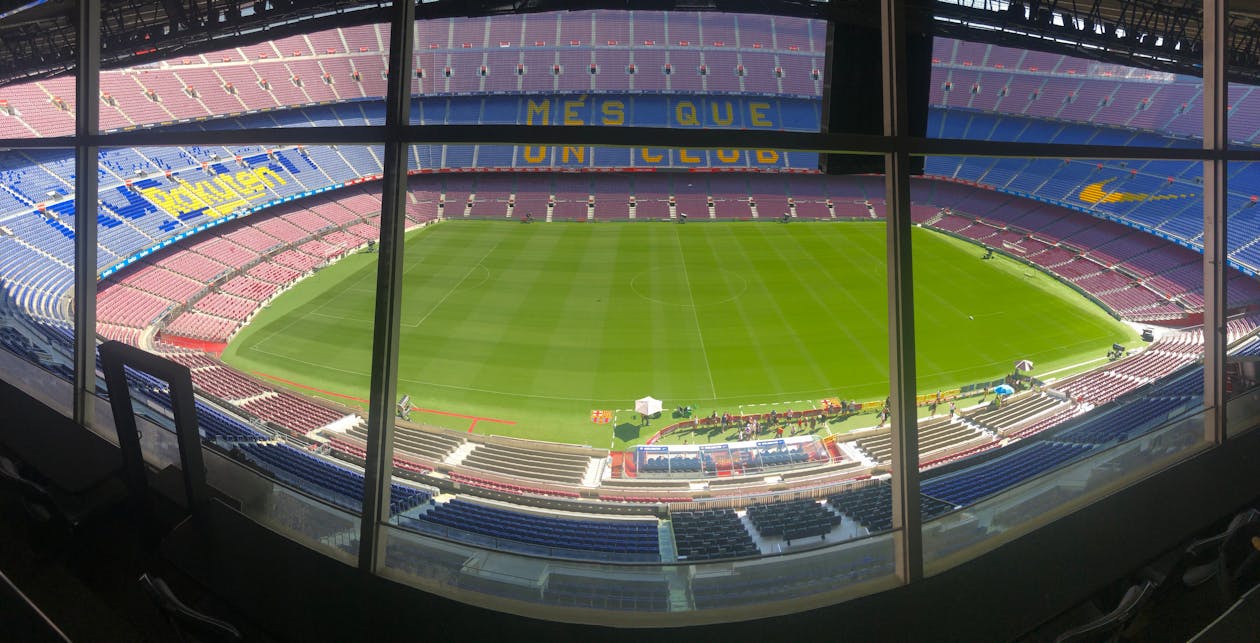
Camp Nou, the world’s largest football stadium (capacity 99,354), serves as the home fortress of FC Barcelona. Watching a match at Camp Nou represents an essential Barcelona experience—the passionate fan base, the technical excellence of the team, the theatrical atmosphere combining sport with entertainment and cultural pride. The club, with its motto “Més que un club” (More than a club), functions as a symbol of Catalan identity.
Even visitors uninterested in football should consider experiencing a Camp Nou match or stadium tour. The stadium experience transcends sports—it’s theater, community celebration, and cultural expression simultaneously. The Barcelona team plays October through May (plus European competitions). Weekday evening matches offer smaller crowds than weekend fixtures. The surrounding district, Sarrià-Sant Gervasi, features numerous bars and restaurants supporting match-day culture.
Planning Your Visit: Match tickets cost €100–€500+ depending on match importance and seat location. Season ticket holders dominate best-positioned seats; tourist-accessible tickets are typically in upper tiers. Book through fcbarcelona.com directly or through authorized resellers. Stadium tours (€29–€34) operate on non-match days, accessing the pitch, dressing rooms, and museum. Arrive 2 hours early for match atmosphere. Public transport provided by Metro stops near the stadium. Avoid ticket scalpers outside the stadium.
Live Music Venues: From Intimate Clubs to Major Concerts
Barcelona’s music scene encompasses everything from intimate jazz clubs featuring local improvisers to major concert venues hosting international touring acts. The city’s location makes it a regular stop for major touring artists, while the local scene nurtures jazz, flamenco, and contemporary music traditions.
Notable venues include the Palau de la Música Catalana, a stunning modernist concert hall hosting classical, jazz, and world music performances; the Teatre Nacional de Catalunya, featuring theater and music performances; and smaller venues throughout the city hosting rock, electronic, indie, and experimental music. The city’s neighborhood bars feature live performances several nights weekly, often free entry with drink purchases.
Planning Your Visit: Concert and theater tickets range €20–€150+ depending on venue and artist. Major venues sell through their websites. Smaller clubs operate on a first-come basis (arrive early) or reserve tables for food/drink minimum purchases. Check Timeout Barcelona or Atrapalo for event listings. Evening performances typically begin 9–10 PM (later than northern European venues). Tickets for major performances sell out weeks in advance.
Flamenco and Spanish Dance Performances

While flamenco originated in Andalusia, Barcelona offers authentic performance experiences at multiple venues. Tablao Flamenco establishments feature live flamenco guitar, singing, and dancing—traditionally performed in intimate settings where audience and performers share space. The best performances capture flamenco’s essence: passionate, technically brilliant, emotionally raw expression combining dance, music, and cultural heritage.
Several venues operate in the Gothic Quarter and El Raval, offering dinner packages combining typical Spanish cuisine with professional flamenco performances. While tourist-oriented compared to authentic Andalusian flamenco bars, these performances still deliver powerful cultural experiences. Some venues include wine service and explanations of flamenco’s history and technique.
Planning Your Visit: Flamenco performances cost €50–€120 per person depending on venue and whether dinner is included. Performances typically run 2 hours with drinks included. Showtimes are usually 8 PM and 10 PM daily. Book in advance through tourism offices or directly with venues. Dress is smart casual or better. The intimate setting creates close interaction with performers. Arrive early to secure good viewing positions.
Nightlife: Bars, Clubs, and the Barcelona Evening Culture
Barcelona’s nightlife reflects the city’s creative energy and Mediterranean leisure attitude. Dinner typically begins at 9 PM, with post-dinner drinks extending evening socializing. The city’s bar culture centers on vermut (a traditional fortified wine served as an aperitif), cocktails in sophisticated lounges, and beer in casual neighborhood establishments. Dance clubs operate late (opening around midnight, peak activity 1–4 AM), featuring electronic music, house, techno, and international DJs.
Barcelona’s neighborhood character creates distinct nightlife districts: the Gothic Quarter for tourist-oriented party bars, El Born for sophisticated cocktail lounges, Gràcia for bohemian local bars, and the waterfront for late-night dance clubs. The best nightlife experiences combine bar-hopping through neighborhood clusters, discovering local favorites alongside established venues.
Planning Your Visit: Drinks cost €3–€8 at neighborhood bars, €8–€15 at cocktail lounges, €10–€20 at upscale clubs. Many clubs charge cover (€10–€20) depending on night and artist. The most authentic experience involves sampling multiple neighborhood bars rather than mega-clubs. Thursday–Saturday nights are busiest. The city operates 24-hour metro service Friday and Saturday nights, making late transportation convenient. Spanish and Catalan are common languages; English is widely spoken in touristy areas.
Hidden Gems and Local Favorites: Beyond the Tourist Guidebooks
While Barcelona’s famous attractions deserve visits, discovering hidden gems and local favorites reveals the city’s authentic character. These locations, frequented more by residents than tourists, capture Barcelona’s true spirit and provide more intimate, memorable experiences.
Bunkers del Carmel: The City’s Best-Kept Secret Viewpoint
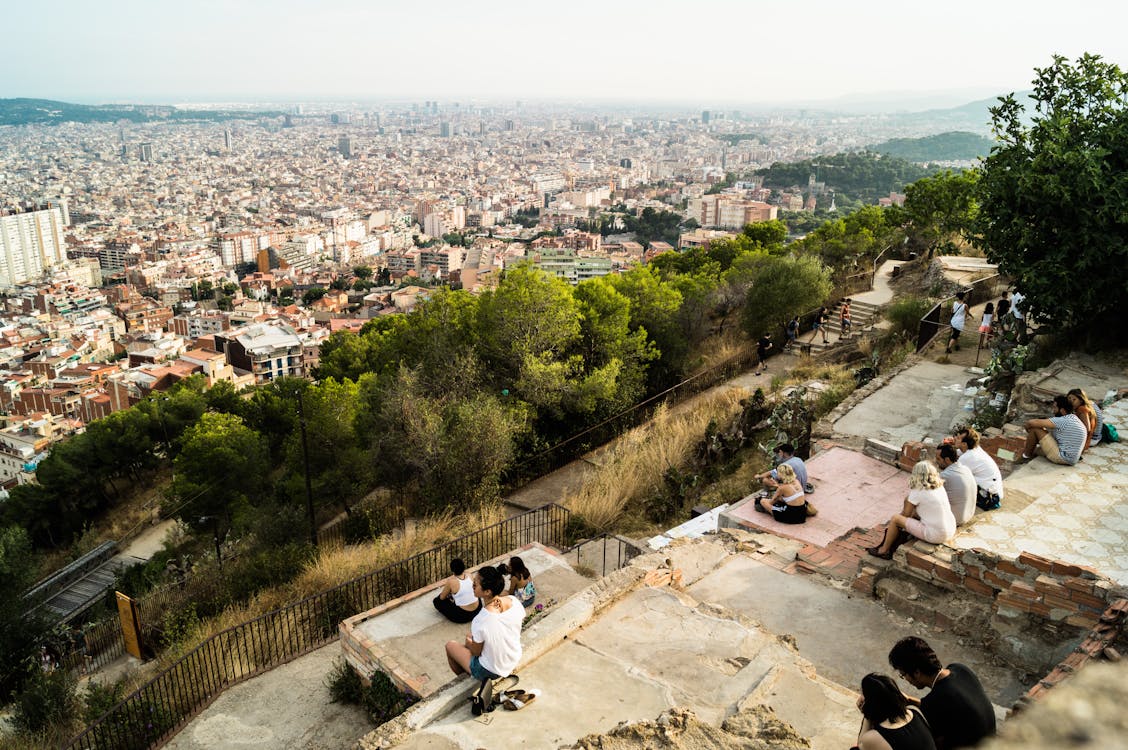
Most visitors photograph Barcelona from Montjuïc or Tibidabo, missing one of the city’s most spectacular panoramic viewpoints: the Bunkers del Carmel. Built during the Spanish Civil War as an anti-aircraft battery to defend the city against bombing raids, the site was abandoned after the war and later became a shanty settlement until 1990. In recent years, improved accessibility and word-of-mouth discovery have transformed it into a favorite local spot—though it remains far less crowded than official viewpoint attractions.
The bunkers provide unobstructed 360-degree views across Barcelona—from Montjuïc and the port to the northernmost urban sprawl and the Collserola mountains rising above the city. The sunset colors transform the cityscape, making evening visits particularly special. The site’s rougher edges and less-developed infrastructure maintain its local, undiscovered character.
Planning Your Visit: Entrance is free. The location, in the Carmel neighborhood, requires public transport (bus lines 24 or 92 from city center, approximately 20 minutes). The site is open from 09:00 to 19:30 in summer and 09:00 to 17:30 in winter and closed at night, so go in the morning or the afternoon; for most of the year it shuts before sunset. The rough ground and Civil War-era construction means sturdy footwear is advisable. The surrounding neighborhood is largely residential; avoid the area at night. Plan 1–2 hours for a complete visit. The less-developed infrastructure and lack of safety railings make it unsuitable for small children or those with mobility limitations.
Parc del Laberint d’Horta: Barcelona’s Oldest Surviving Garden
While city-center parks attract crowds, few tourists venture to Parc del Laberint d’Horta (Labyrinth Park), Barcelona’s oldest surviving garden. Begun in 1791, the park predates most city development surrounding it. The park combines multiple garden styles—Neoclassical and Romantic era landscape designs—creating distinct zones that reveal 200+ years of garden aesthetics and horticultural philosophy.
The park’s highlight is its famous hedge maze (laberint), a living puzzle where visitors navigate through tall hedges attempting to locate the exit. Beyond the maze, peaceful walking paths wind through classical gardens, past romantic waterfalls, and across picturesque bridges. Tree-canopied walkways provide shaded respite from the summer sun, while open meadows offer resting spots.
Planning Your Visit: Entry costs €7.45 (€5.65 reduction). Hours are April–August 10 AM–8 PM, September–March 10 AM–6 PM (closed Mondays). The park is in the Horta neighborhood, requiring public transport (Metro line 3 to Mundet station, then approximately 10-minute walk). Arrive early for peaceful exploration and maze navigation without crowds. Plan 2–3 hours. The maze operates separately from main park admission (included). Bring comfortable walking shoes and water—the park covers 13 hectares with considerable elevation changes.
Hospital de Sant Pau: Gothic Architecture Meets Medical Innovation
For a unique Barcelona experience blending art history with medical heritage, the Hospital de Sant Pau offers fascinating guided tours. This Gothic-inspired hospital complex, built between 1401 and 1930, represents centuries of medical practice and architectural evolution. The interconnected buildings feature graceful arches, beautiful courtyards, and interior gardens designed to promote healing and contemplation.
The hospital operated as an active medical facility until 2009, giving it a lived-in historical authenticity. Tours guide visitors through the original pharmacy, medical equipment museums, and operating theaters—revealing how medicine evolved across centuries. The building’s architectural beauty matches its historical significance, making it simultaneously an art and history experience.
Planning Your Visit: Entry is €15 for guided tours (recommended; self-guided tours are less engaging). Tours operate Tuesday–Saturday at 10 AM, 11 AM, 12 PM, and 1 PM (Spanish language; English tours available some days—confirm in advance). The hospital is in the Sant Pau neighborhood, requiring public transport (Metro line 5 to Sant Pau station). Plan 1.5–2 hours. Tours include the pharmacy, medical museum, and building exteriors. Photography is not permitted inside. The location feels genuinely residential and less touristy than central attractions.
Antic Teatre: Bohemian Culture in an Abandoned Theater
In the heart of El Raval, the Antic Teatre occupies a former theater building transformed into a cultural and artistic collective space. This bohemian haven hosts experimental theater, performance art, film screenings, and community events. The rooftop bar—accessible by climbing through the theater—offers drinks and casual socialization in a converted theater space overlooking El Raval.
The Antic Teatre represents Barcelona’s countercultural side, where abandoned buildings become creative spaces, established institutions give way to experimental practices, and art remains deliberately unprofessional and authentic. The experience is deliberately rough around the edges—that’s the point. This is where Barcelona’s young artists gather, not where tourists come for polished cultural experiences.
Planning Your Visit: Entry is free; drinks at the rooftop bar cost €3–€6. The space operates in the afternoon and evening (approximately 4 PM–late night). Events are listed on their website. The surrounding El Raval neighborhood is edgy and not particularly safe late at night; visit in the evening rather than after midnight. The rooftop bar occasionally closes for events or inclement weather. Arrive expecting experimental, bohemian atmosphere—this isn’t a polished tourist attraction. The experience is about meeting locals, experiencing contemporary Barcelona culture, and appreciating artistic authenticity.
El Call: Barcelona’s Medieval Jewish Quarter
Hidden within the Gothic Quarter lies El Call, Barcelona’s medieval Jewish neighborhood. Now a quiet, narrow street with plaques and a small museum, El Call once thrived as a vibrant Jewish community center. Medieval Barcelona supported a sophisticated Sephardic Jewish culture—philosophy, medicine, commerce, and art flourished here before the Spanish Inquisition destroyed the community in the late 15th century.
Walking through El Call (literally “Jewish Quarter” in Catalan) you see narrow streets where medieval community members lived, worked, and worshipped. The small Museum of the History of Barcelona maintains a section dedicated to El Call’s history, with artifacts and explanations contextualizing the Jewish community’s contribution to Barcelona’s medieval prosperity and cultural achievement.
Planning Your Visit: El Call is free to walk through (self-guided). The small museum section is accessed through the main Museum of the History of Barcelona (€7 entry, though some sections are free). The area is best explored in daylight; narrow streets feel unwelcoming at night. Plan 30–45 minutes for self-guided exploration. The area is quiet and meditative—a respectful approach to this sites significant tragic history is appropriate. Several plaques and markers provide historical context for visitors navigating the streets.
Day Trips from Barcelona: Expanding Your Horizons
While Barcelona offers virtually unlimited activities, day trips to surrounding areas expand your experience. Nearby destinations like Montserrat’s monasteries, the beach resort town of Sitges, and the medieval city of Girona provide compelling reasons to venture beyond the city limits. These destinations represent entirely different facets of Catalan culture and landscape.
Our comprehensive Barcelona travel guide includes detailed day trip sections. For specialized information, explore our dedicated day trips pillar page, which covers Montserrat’s stunning mountain monastery, Sitges’ excellent beaches and vibrant LGBTQ+ culture, and Girona’s remarkably preserved medieval old town with fascinating Jewish heritage. Each destination is reachable within 45–60 minutes of central Barcelona by train or bus, making them manageable as day excursions.
Practical Tips for Making the Most of Your Barcelona Visit
Getting Around: Metro, Buses, and Walking
Barcelona’s public transportation system, operated by TMB (Transports Metropolitans de Barcelona), consists of metro, buses, trams, and suburban trains. The metro is the fastest way to cover long distances, with ten lines color-coded and clearly marked. Buses provide coverage to areas not reached by metro, often with better views than underground travel. Walking remains the preferred method for exploring neighborhoods—most tourist attractions in city-center neighborhoods are within walking distance of each other.
Transportation Passes: A T-10 ticket provides 10 journeys on any combination of metro/bus (€11.35, shareable among multiple people). A T-Casual pass provides unlimited travel for 2 or 3 consecutive days (€17.35–€26.50). Single journey tickets cost €2.55. A Hola Barcelona pass includes public transport and museum discounts (€59–€160 for 2–5 days). Purchase tickets at metro stations or tobacco shops.
Walking is highly recommended for neighborhood exploration, providing street-level perspective and discovery opportunities impossible from public transport. Many Barcelona neighborhoods can be thoroughly explored on foot in 2–3 hours. Good walking shoes are essential—the city’s medieval neighborhoods feature uneven cobblestones, while elevated areas like Montjuïc involve considerable elevation changes.
When to Visit: Seasons and Climate Considerations
Spring (March–May): Mild temperatures (15–20°C), blooming gardens, and lower crowds make spring ideal. The Gaudí Year and UNESCO World Capital of Architecture special events occur spring through early summer. Easter holidays bring increased tourism and higher prices.
Summer (June–August): Warm to hot temperatures (25–30°C), perfect beach weather, and extended daylight. However, peak tourist season means crowds at major attractions, higher prices, and intensive heat during afternoon hours (siesta culture exists for good reason). Summer events include outdoor cinema, music festivals, and beach culture at its peak.
Fall (September–October): Temperatures gradually cool (15–25°C), summer crowds diminish, and the city regains local character. Early fall retains beach-appropriate temperatures. The Festa de la Mercè (late September) celebrates patron saint Merè with concerts, street performances, and the spectacular “human tower” (castell) competitions.
Winter (November–February): Cool temperatures (8–13°C), occasional rain, and minimal crowds characterize winter. However, this includes the Gaudí Year centenary celebrations, the Barcelona World Race sailing event, and cultural events indoors. Winter offers authentic Barcelona experience without tourist intensity.
Budget Planning and Money-Saving Tips
Free or Low-Cost Activities: Many museums offer free entry on certain days (typically first Sunday monthly). Walking through neighborhoods costs nothing. Public beaches are free. MNAC offers free entry first Sunday monthly. Many churches are free during non-service hours.
Food Budget Tips: Menu del día (daily set lunch) at restaurants costs €12–€18, significantly cheaper than ordering à la carte. Market shopping and grocery stores provide affordable meals. Standing room only in bars (de pie) costs less than seated table service. Picnicking in parks saves money while providing pleasant experiences.
Accommodation: Budget ranges from €15–€30 per night in hostels to €100–€300+ in mid-range hotels. The best value neighborhoods for accommodations are Gràcia, Sant Antoni, or Poblenou—less touristy, more affordable, and better for experiencing local Barcelona.
Safety and Practical Considerations
Continue Exploring Barcelona
Ready to dive deeper into specific Barcelona experiences? Explore our comprehensive guides to free things to do in Barcelona, hidden gems off the tourist path, must-see museums and cultural institutions, Barcelona’s legendary markets and food experiences, best walking tours for neighborhood exploration, romantic activities for couples, indoor activities for rainy days, solo travel recommendations, accessible activities and accommodations, and the best viewpoints and photo opportunities across the city.
For broader Barcelona travel planning, visit our complete Barcelona travel guide covering accommodation options, transportation, dining recommendations, neighborhoods, safety, and practical visitor information. We’re here to help you plan an unforgettable Barcelona experience.