We get commissions for bookings made through this post. Booking links, and any accommodation options shown on the page, are handled by a partner that adds commission tracking automatically. It never costs you more, and it never affects what we recommend. Affiliate disclosure
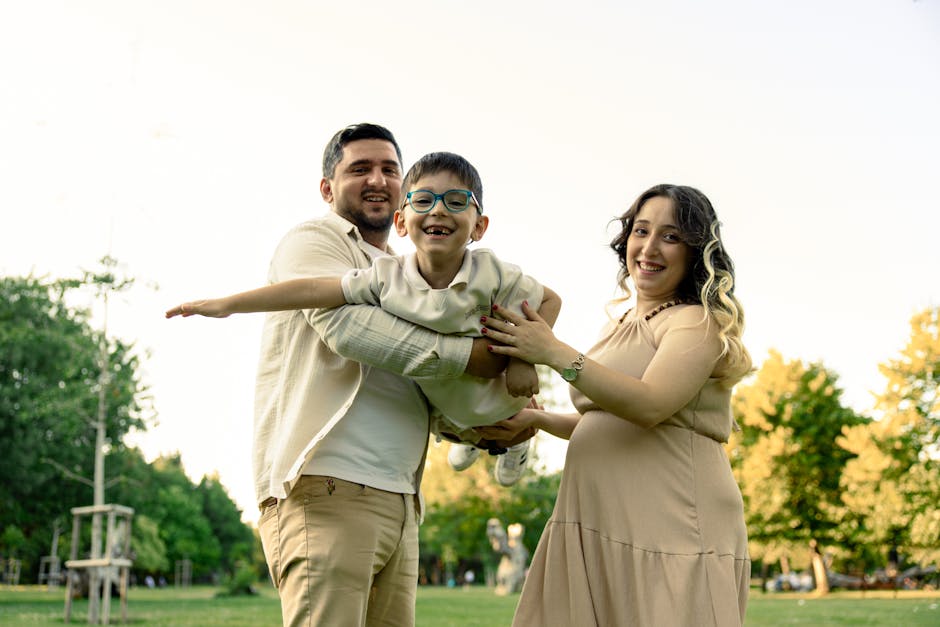
Planning a trip to Barcelona with kids? You are making an excellent choice. This sun-drenched Mediterranean city is one of Europe’s most family-friendly destinations, offering a rare combination of world-class culture, golden beaches, imaginative architecture, and a dining scene that genuinely welcomes children at the table. Unlike many European capitals where traveling with little ones can feel like an uphill battle, Barcelona embraces families with open arms — from restaurants that set extra places without a second thought to museums designed specifically to spark young imaginations.
Whether you are visiting Barcelona with kids for the first time or returning for another round of Gaudí-gazing and gelato-hunting, this complete guide covers everything you need to know. We have distilled years of family travel experience into practical, tested advice on where to stay, what to see, how to get around, and where to eat — broken down by age group so you can plan a trip that works for toddlers, school-age explorers, and even hard-to-impress teenagers. For a broader overview of the city, start with our Barcelona Travel Guide, then come back here for the family-specific details.
Why Barcelona Is Perfect for Family Travel
Barcelona consistently ranks among the top cities in Europe for family travel, and it is easy to see why. The weather alone is a major draw — with over 300 days of sunshine per year, you can count on pleasant conditions for outdoor sightseeing in nearly every season. But the appeal of Barcelona with kids goes far beyond the climate.
The city is inherently visual and tactile, which is a gift when traveling with children. Gaudí’s fantastical buildings look like something out of a storybook. The colorful mosaics of Park Güell captivate toddlers and teenagers alike. Street performers on La Rambla provide free entertainment, and the beach is never more than a short metro ride away. Spanish culture is famously welcoming to children — you will see local families dining out at 9 PM with young children in tow, and nobody bats an eye.
Barcelona is also surprisingly compact. Most major attractions sit within a walkable core or a short public transit hop, meaning you spend less time in transit and more time actually enjoying things. The city’s grid layout in the Eixample district makes navigation intuitive even for first-time visitors pushing a stroller. And with an excellent metro system, affordable taxis, and flat seafront promenades perfect for scooters and balance bikes, getting around Barcelona with children is genuinely manageable.
Best Time to Visit Barcelona with Kids
Choosing when to visit can make or break a family trip. Here is a season-by-season breakdown for those planning family travel Barcelona adventures:
Spring (April–June): The Sweet Spot
Spring is widely considered the best time to visit Barcelona with kids. Temperatures hover between 17°C and 25°C — warm enough for outdoor play but cool enough for comfortable sightseeing. Crowds are thinner than in peak summer, meaning shorter queues at the Sagrada Família and more space on the beach. The city’s parks are in full bloom, and outdoor terraces buzz with life. Late May and June are warm enough for swimming at the beach, giving you the best of both worlds.
Summer (July–August): Beach Season
Summer brings the heat — daytime temperatures regularly hit 30°C and above — along with the biggest crowds and the highest prices. That said, if your kids live for the beach, summer has obvious appeal. Plan sightseeing for mornings and evenings, reserve afternoons for the beach or pool, and always carry water and sun protection. Be aware that some local restaurants close for August holidays, though tourist-area dining remains fully operational.
Autumn (September–October): The Second Sweet Spot
September offers sea temperatures at their warmest — perfect for beach days — while air temperatures begin to cool into a comfortable range. October brings occasional rain but also thinner crowds, lower hotel prices, and pleasant walking weather. This is an underrated window for families visiting Barcelona with kids who want value and flexibility.
Winter (November–March): Mild but Quieter
Barcelona’s winters are mild by northern European standards, with daytime temperatures rarely dropping below 10°C. While swimming is off the table, you gain virtually queue-free access to major attractions and significantly lower accommodation costs. The Christmas markets and light displays in December add festive appeal for families. January and February are the quietest months — ideal if your children are not yet school-age and you have scheduling flexibility.
Where to Stay: Best Neighborhoods for Families
Your choice of neighborhood shapes the entire experience of Barcelona with kids. Here are the top picks for families, each with a distinct character. For deeper exploration of each area, see our Barcelona Neighborhoods guide.
Eixample: Best for Space and Convenience
The Eixample is the top recommendation for most families. Its wide, grid-pattern streets were designed in the 19th century with generous sidewalks — a godsend for strollers and small children on scooters. Apartments here tend to be larger than in the Old Town, and the neighborhood is packed with restaurants, supermarkets, and pharmacies. You are also within walking distance of the Sagrada Família, Casa Batlló, and several excellent playgrounds. The metro connections are outstanding, putting the beach, Montjuïc, and the Gothic Quarter within 10 to 15 minutes.
El Born: Best for Culture-Loving Families
El Born (part of the Ciutat Vella) offers narrow medieval streets, independent boutiques, and the magnificent Parc de la Ciutadella right on its doorstep. It is more atmospheric than the Eixample but also more compact — stroller navigation requires some patience on the cobblestoned lanes. The Picasso Museum, the Chocolate Museum, and the Barcelona Zoo are all within easy walking distance, making this a strong choice for families with school-age children who can handle more walking.
Barceloneta: Best for Beach Families
If your family’s priority is sand between the toes, Barceloneta puts you steps from the seafront. This former fishing village has a lively, local character with excellent seafood restaurants and a flat promenade that stretches for kilometers. Accommodation tends toward smaller apartments, so book early for family-sized options. The trade-off is distance from Gaudí sites and the Gothic Quarter, though the metro (L4 line) connects you efficiently. Our Barcelona Beaches guide covers the waterfront in detail.
Gràcia: Best for a Local Experience
Gràcia feels like a village within the city — tree-lined squares (plaças) filled with families, independent shops, and a relaxed pace. It is close to Park Güell and has a genuinely neighborhood feel that many families love. The trade-off is slightly longer transit times to the beach and waterfront attractions. Gràcia works particularly well for longer stays where you want to settle into a routine and feel like a local.
For specific hotel and apartment recommendations by neighborhood, see our dedicated Family Hotels guide.
Getting Around Barcelona with Kids
Navigating any city with children requires strategy. Here is what works in Barcelona, with more detail available in our Getting Around Barcelona guide.
The Metro: Your Best Friend
Barcelona’s metro is clean, efficient, and runs frequently. Children under 4 travel free. The system covers all major family attractions, and trains are air-conditioned — a genuine relief in summer. However, many older stations lack lifts, which is a challenge with strollers. The newer L9 and L10 lines are fully accessible, as are most L2 stations. Before traveling with a pushchair, check the TMB app for lift availability at your planned stations.
The Hola BCN Card
For families planning to use public transit frequently, the Hola BCN card offers unlimited travel on metro, bus, tram, and local trains for 2, 3, 4, or 5 consecutive days. It typically pays for itself within three or four journeys per day. Children under 4 do not need one. Purchase cards online in advance for a small discount.
Stroller-Friendliness
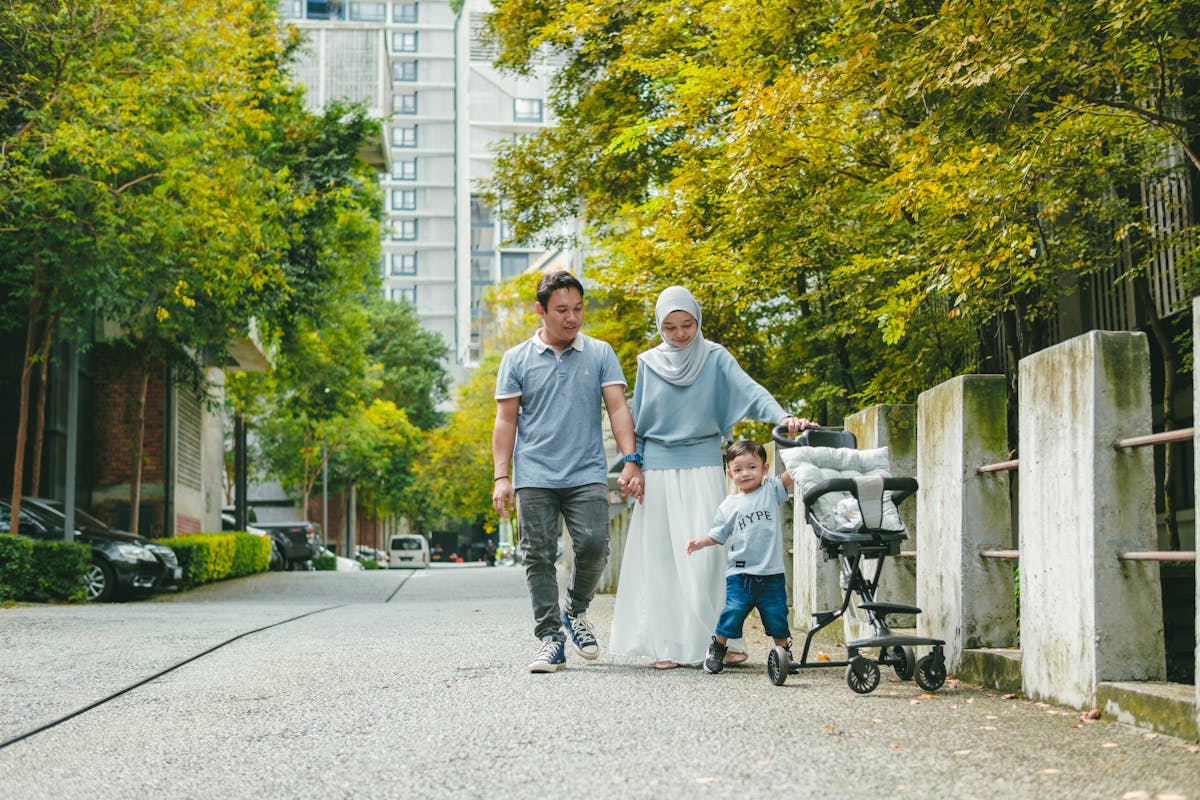
Barcelona is a mixed bag for strollers. The Eixample’s wide, flat sidewalks are excellent. The seafront promenade is perfectly smooth. However, the Gothic Quarter and El Born feature uneven cobblestones and narrow lanes where a bulky stroller becomes a hindrance. Many parents recommend bringing a lightweight, compact stroller or an ergonomic carrier for days in the Old Town, switching to a regular stroller for Eixample and waterfront days.
Taxis and Ride-Hailing
Barcelona’s black-and-yellow taxis are plentiful, metered, and reasonably priced. Most drivers will not have child car seats, so bring a portable booster if your child requires one — Spanish law requires appropriate restraints for children under 135 cm. The FreeNow and Cabify apps work well for hailing rides, and you can sometimes request a vehicle with a child seat through these platforms.
Walking
Many of Barcelona’s best family experiences happen on foot. The stroll from Plaça Catalunya down La Rambla to the waterfront is a classic family walk. The seafront promenade from Barceloneta to the Olympic Port is flat, wide, and perfect for kids on scooters. Allow extra time — children will want to stop at every street performer, fountain, and ice cream stand along the way.
Top Family Attractions: Gaudí Sites with Kids
Antoni Gaudí’s surreal architecture is arguably Barcelona’s greatest draw, and the good news is that children tend to love it. The organic shapes, vivid colors, and fantastical details appeal naturally to young imaginations. Here is how to approach the major Gaudí sites when visiting Barcelona with kids.
Sagrada Família
Barcelona’s iconic unfinished basilica is a must-visit, but it requires some planning with children. Book tickets online well in advance — same-day tickets are rarely available, and the queue in the sun is miserable with little ones. Children under 11 enter free but still need a (free) ticket reservation. Inside, the forest-like columns and kaleidoscopic light from the stained glass windows genuinely mesmerize children. The tower visits involve narrow spiral staircases and are not suitable for young children or strollers. For most families, 60 to 90 minutes inside is sufficient.
Parent tip: Visit first thing in the morning when energy levels are highest and crowds are thinnest. The morning light through the east-facing windows is also the most spectacular.
Park Güell
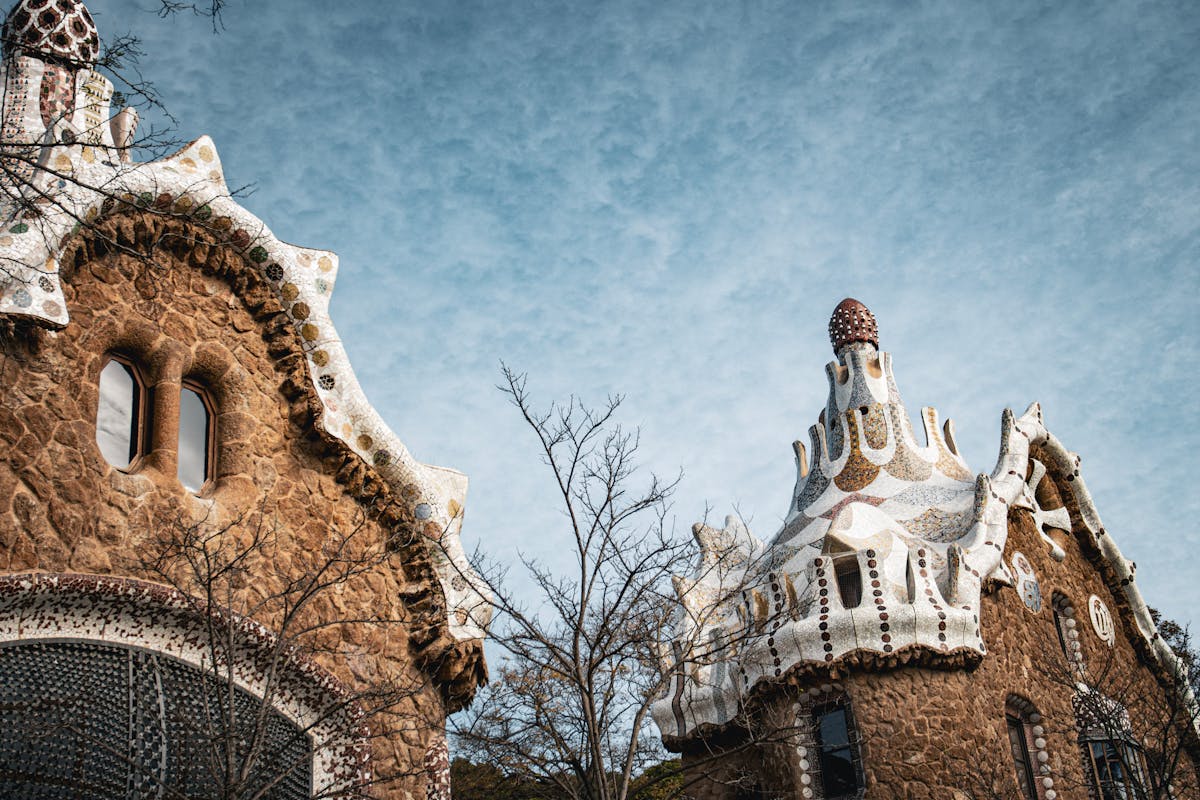
If you only visit one Gaudí site with children, make it Park Güell. The mosaic-covered terraces, the dragon fountain (El Drac), and the gingerbread-style gatehouses look like they were designed for a children’s fairy tale. The Monumental Zone (the famous terraced area) requires timed tickets, but the rest of the park is free and includes shaded paths, viewpoints over the city, and space for children to run. The uphill walk from the nearest metro station is steep — consider taking bus 24 or a taxi to the top entrance instead.
Our Things to Do in Barcelona guide covers all the Gaudí sites in greater detail.
Casa Batlló
Casa Batlló on Passeig de Gràcia offers an augmented reality guide that transforms the visit into an immersive experience — children aged 7 and up tend to find this genuinely engaging. The building’s dragon-spine rooftop and skeleton-like balconies spark conversations about Gaudí’s nature-inspired designs. Under-12s receive discounted tickets. For younger children (under 5), the visit may be too abstract, and the “look but don’t touch” environment can be frustrating.
Museums Kids Will Love
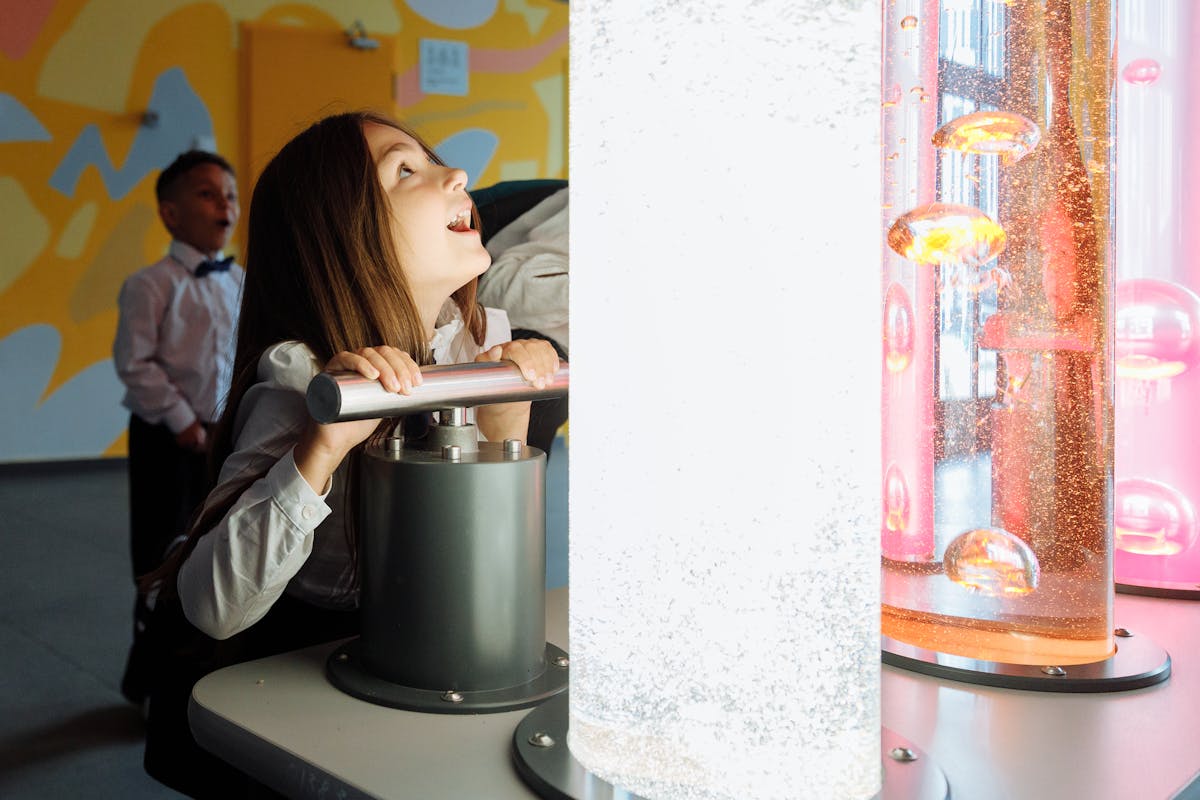
Barcelona’s museum scene includes several standouts that are specifically designed to engage young visitors. These are among the best things to do with kids Barcelona offers, rain or shine.
CosmoCaixa: The Science Museum
CosmoCaixa is, without question, the single best museum in Barcelona for children. This sprawling science museum in the Tibidabo foothills features a real Amazonian rainforest ecosystem under glass (complete with tropical fish, anacondas, and free-flying birds), a planetarium, a geological wall showing millions of years of rock strata, and dozens of interactive experiments covering physics, biology, and technology. The dedicated spaces for under-6s (Planetari Bombolla and Toca Toca) are thoughtfully designed and staffed.
Allow at least three hours — many families spend an entire half-day here. Admission is just 6 euros for adults and free for children under 16, making it outstanding value. See our dedicated CosmoCaixa Guide for full visiting details. You can also find information on the official CosmoCaixa website.
Museu de la Xocolata (Chocolate Museum)
Located in El Born, this small museum tells the story of chocolate from its Mesoamerican origins to modern-day confection. Children love the elaborate chocolate sculptures and the hands-on workshop where families can make their own chocolate creations (book in advance). The visit itself takes about an hour, and the entry ticket doubles as an edible chocolate bar — a detail that delights every child. It pairs perfectly with a morning exploring El Born and Parc de la Ciutadella.
Museu Marítim (Maritime Museum)
Housed in the magnificent medieval Royal Shipyards (Drassanes) at the bottom of La Rambla, the Maritime Museum features a full-scale replica of a royal galley, interactive navigation exhibits, and a collection of model ships that captivates children interested in boats and the sea. The building itself is impressive — soaring Gothic arches that transport you back centuries. Free entry on Sundays after 3 PM.
L’Aquàrium de Barcelona
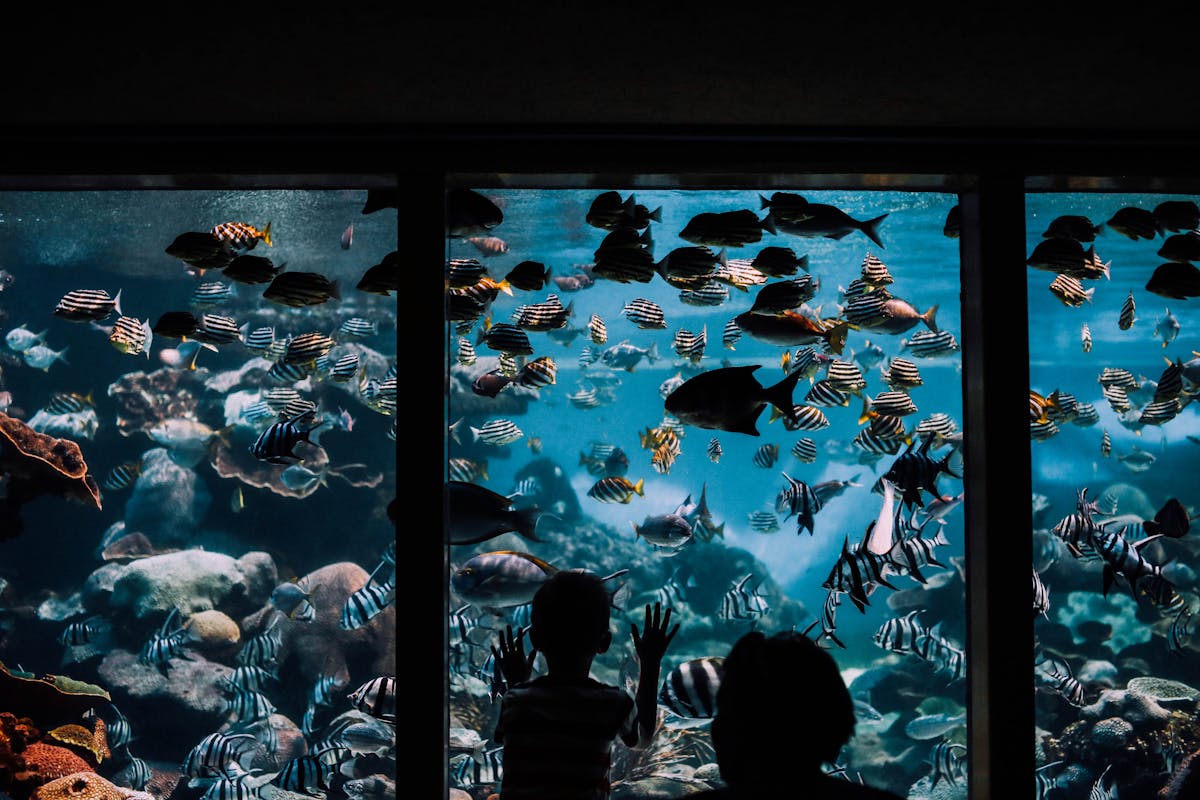
The Barcelona Aquarium at Port Vell is a perennial family favorite. Its centerpiece is an 80-meter underwater glass tunnel that passes through a vast oceanarium filled with sharks, rays, and thousands of fish. The Explora! zone for children aged 3 to 12 offers hands-on activities about marine habitats. While not the largest aquarium in Europe, its location on the waterfront makes it easy to combine with a Barceloneta beach visit or lunch at the port.
For a comprehensive look at both the aquarium and the nearby zoo, read our Zoo and Aquarium Guide.
Parks, Playgrounds, and Outdoor Fun
One of the best things about Barcelona with kids is the abundance of green space and outdoor play areas scattered across the city. Spanish families live outdoors, and the city’s parks reflect this — expect well-maintained playgrounds, shaded benches for parents, and a lively atmosphere on weekend mornings.
Parc de la Ciutadella
This is Barcelona’s answer to Central Park and the single most useful green space for families. Located in the Ciutat Vella, it features a boating lake where families can rent rowboats, a spectacular waterfall fountain (the Cascada, which Gaudí helped design as a young student), a large playground, the Barcelona Zoo, and vast lawns for picnicking and ball games. On weekends, the park fills with street musicians, bubble artists, and families — it is a genuinely joyful place. Free entry, open daily.
Tibidabo Amusement Park
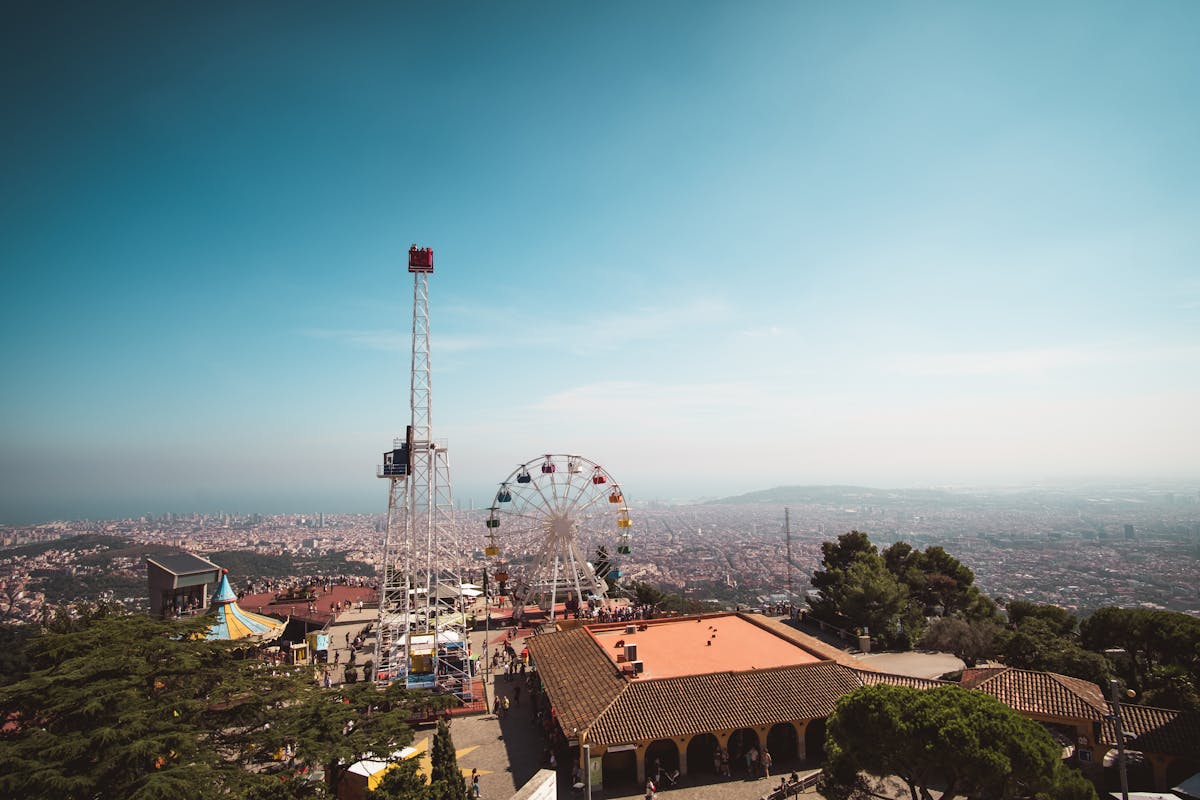
Perched on the mountain overlooking Barcelona, Tibidabo is the city’s beloved vintage amusement park — operating since 1901, making it one of the oldest in the world. The rides range from gentle carousels and a puppet theater (perfect for under-6s) to roller coasters and a terrifying free-fall ride for older children and teens. The panoramic views over Barcelona and the sea are worth the trip alone. Getting there is part of the adventure — take the old Tramvia Blau (blue tram) and the Tibidabo funicular railway for an experience children remember long after.
Our dedicated Tibidabo Guide covers ticket options, ride recommendations by age, and the best way to get there.
Parc del Laberint d’Horta (Labyrinth Park)
Tucked away in the northern Horta-Guinardó district, this 18th-century neoclassical garden features a genuine cypress hedge maze that children absolutely love. It is rarely crowded (visitor numbers are capped), beautifully maintained, and feels like stepping into a secret world. Allow an hour for the maze and gardens. A small entrance fee applies (free on Wednesdays and Sundays). It pairs well with a morning trip to CosmoCaixa, which is nearby.
Montjuïc
The Montjuïc hill offers a full day of barcelona family activities. Take the cable car from Barceloneta for dramatic aerial views (children love this), then explore the hilltop castle, the Joan Miró Foundation (which often has family workshops), the Olympic stadium, and the botanical gardens. On weekend evenings from May through September, the Magic Fountain at the foot of Montjuïc puts on a spectacular free light and music show that mesmerizes children. The extensive gardens and paths make Montjuïc ideal for families who prefer nature to crowded city streets.
City Playgrounds Worth Knowing
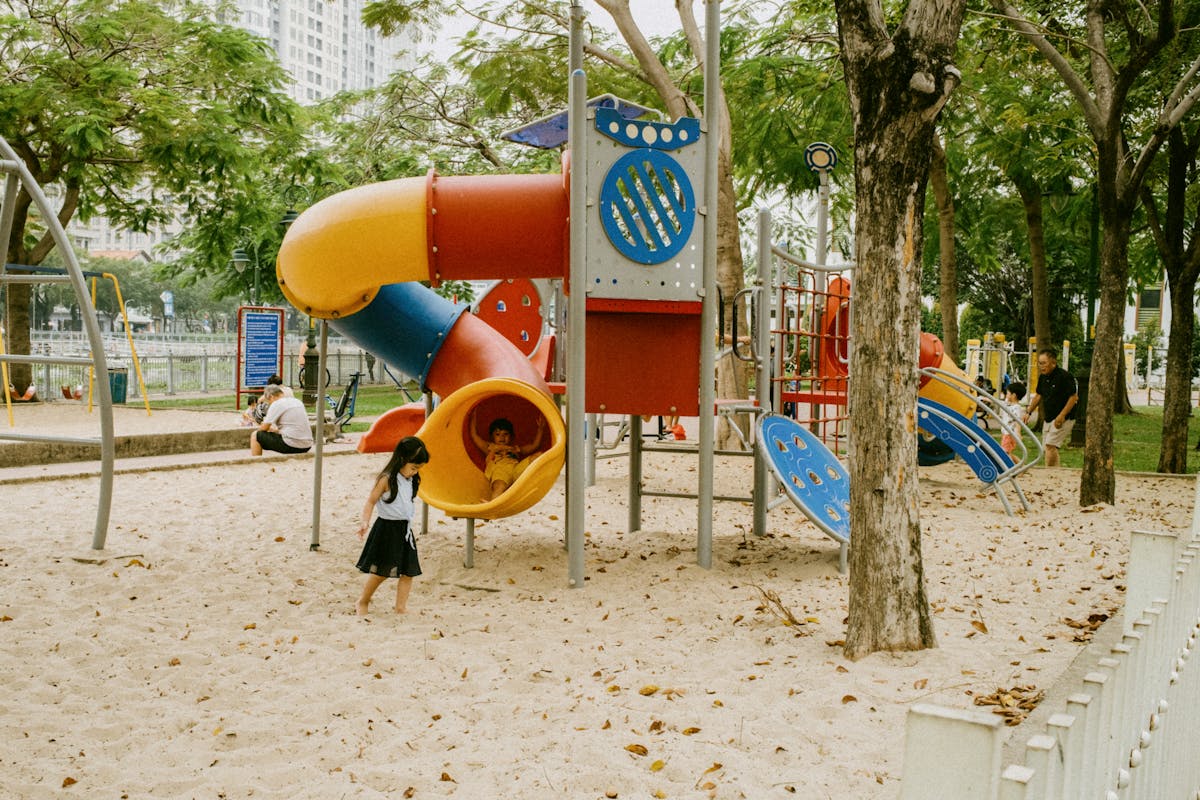
Barcelona takes its playgrounds seriously. Notable ones for families to bookmark include the large playground in Parc de Joan Miró (near Plaça Espanya, with a distinctive Miró sculpture), the adventure-style play area in Parc de la Pegaso (Sagrera), and the nautical-themed playground on Barceloneta beach. The Eixample also has small but well-equipped play areas in many of its interior courtyard blocks (superilles), which provide shaded, car-free play spaces.
Barcelona Beaches with Kids
Beach days are a cornerstone of any family trip to Barcelona. The city’s 4.5 kilometers of urban coastline include several distinct beaches, each with a slightly different character. All are free, and most have lifeguards on duty from late May through September. Our Family Beaches guide goes into full detail, but here is a summary.
Best Beaches for Young Children
Nova Icària and Bogatell are the top picks for families with young children. Both have calm, shallow water, clean sand, playgrounds nearby, and good facilities including showers, toilets, and accessible boardwalks for strollers. They are also less crowded than Barceloneta beach, which tends to fill up quickly and has a livelier (sometimes rowdy) atmosphere.
Barceloneta Beach
The most famous and most central beach is Barceloneta. It is the easiest to reach by metro (Barceloneta, L4) and has the most facilities — restaurants, bars, volleyball courts, and watersport rentals. However, it is also the most crowded, and the atmosphere skews younger and more party-oriented, especially on summer weekends. Families with older children and teenagers may enjoy the energy; those with toddlers may prefer the relative calm of beaches further northeast.
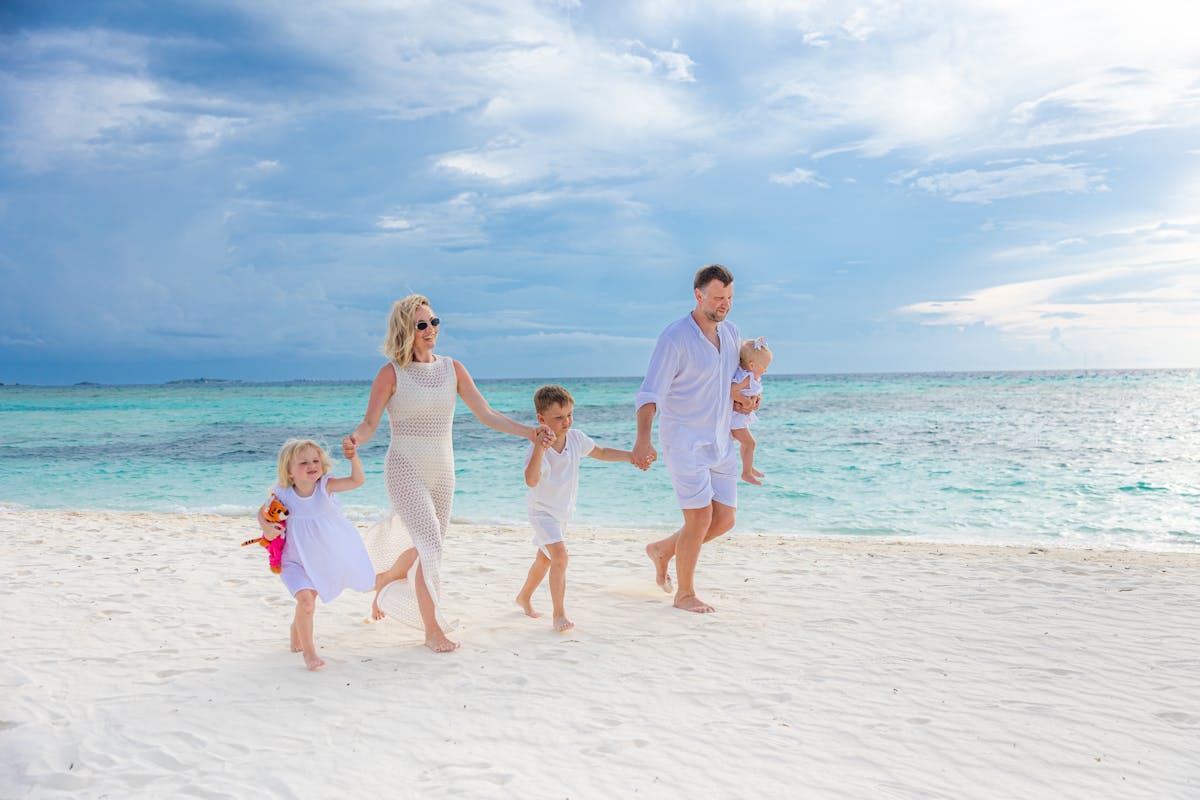
Beach Safety Tips for Families
The Mediterranean is generally calm, but watch for the flag system — a red flag means no swimming. Jellyfish occasionally appear in summer; ask lifeguards about conditions. Sun protection is essential — Barcelona’s UV levels are high from May through September. Bring a beach tent or umbrella for shade, and reapply sunscreen frequently. Finally, keep valuables to a minimum on the beach. Petty theft from unattended bags is unfortunately common at busy beaches. Assign one parent to stay with belongings while others swim.
Eating Out with Kids in Barcelona
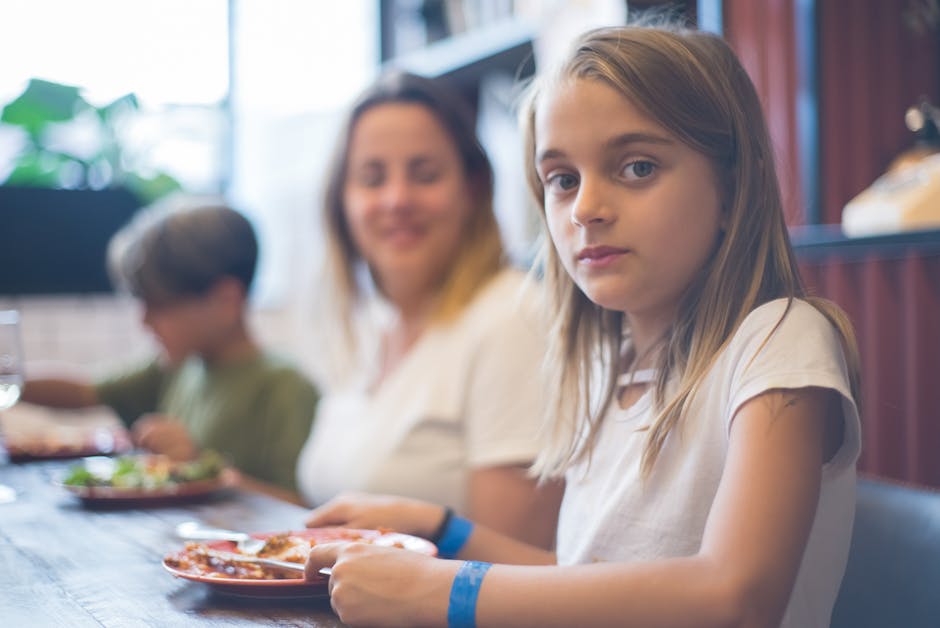
Dining is one of the great pleasures of Barcelona, and the good news is that child friendly Barcelona restaurants are the norm rather than the exception. Spanish culture does not separate children from adult dining experiences — kids are welcome in virtually every restaurant, and you will see local families out for dinner well past what many visitors consider a reasonable bedtime.
Navigating the Spanish Dining Schedule
The biggest adjustment for families is the timing. Lunch in Barcelona runs from 1:30 PM to 3:30 PM, and dinner typically starts at 8:30 PM or later. Restaurants often do not open their kitchens for dinner until 8 PM. This is a challenge when traveling Barcelona with kids who are accustomed to eating at 6 PM. Strategies that work: eat a substantial late lunch (the menú del día, a multi-course set lunch available at most restaurants, is both filling and affordable), have a merienda (afternoon snack) of pastries or a sandwich around 5 PM, and aim for an early dinner slot around 8 PM. Alternatively, food markets and tapas bars serve food throughout the afternoon.
Food Markets: A Family Highlight
Barcelona’s food markets are among the best family travel Barcelona experiences you can have. They combine eating with visual spectacle, and children can graze on small plates rather than committing to a full sit-down meal. La Boqueria on La Rambla is the most famous but also the most tourist-heavy. Mercat de Santa Caterina in El Born is beautiful and slightly calmer. Mercat de Sant Antoni (recently renovated) has an excellent food hall. Let children choose their own dishes — fresh fruit cups, jamón slices, croquetas, and freshly squeezed juices make for an exciting lunch.
Foods Kids Love in Barcelona
Even selective eaters tend to find plenty to enjoy. Patatas bravas (fried potatoes with sauce), croquetas (creamy ham or cheese croquettes), pan con tomate (bread rubbed with tomato and olive oil), tortilla española (potato omelette), and fideuà (a noodle-based paella alternative) are all reliably child-friendly. For treats, seek out churros con chocolate — thick, hot chocolate with crispy dough sticks for dipping. Granja Viader in the Raval and Xurreria Trebol near Plaça Catalunya are local favorites. For more restaurant recommendations, see our Family Restaurants guide and the wider Barcelona Food Guide.
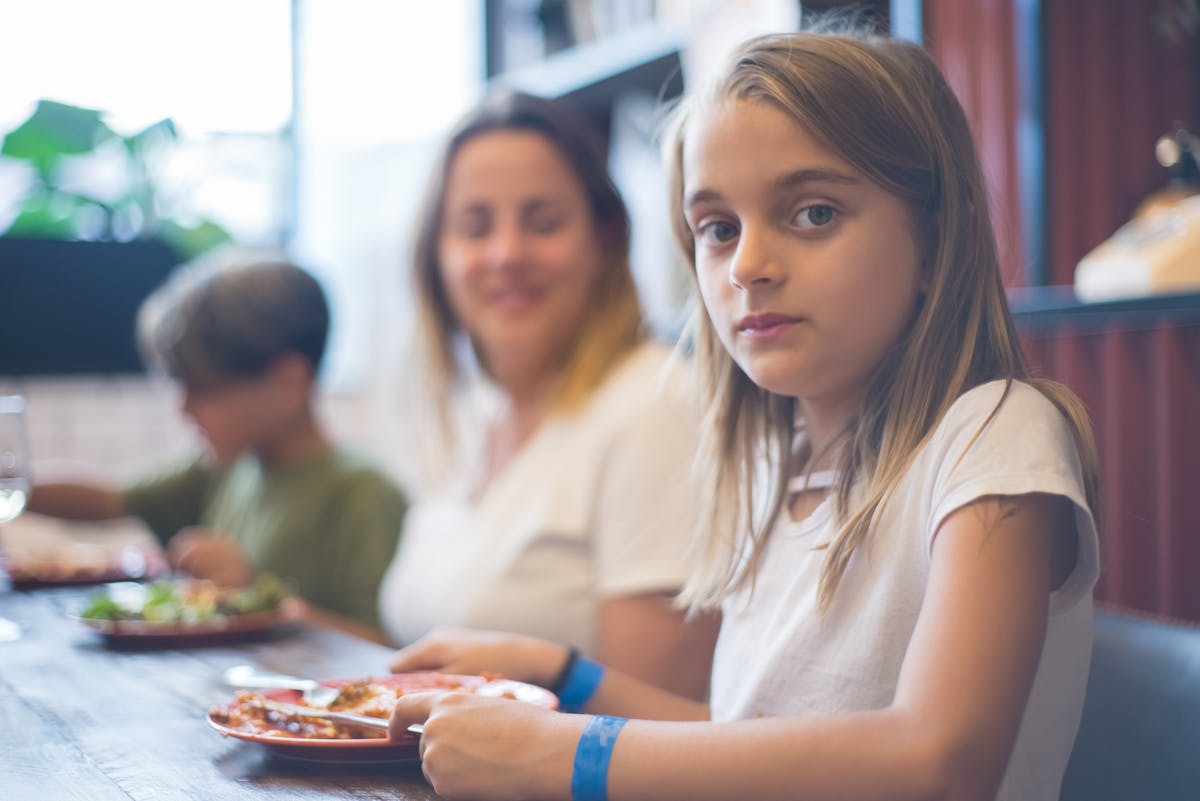
Practical Dining Tips
High chairs (tronas) are available at most restaurants — just ask. Dedicated children’s menus are less common than in northern Europe, but most kitchens will prepare a plain portion of pasta, grilled chicken, or fish upon request. Tap water is safe to drink but has a strong mineral taste; most locals and visitors order bottled water. Tipping is not expected but rounding up the bill or leaving a euro or two is appreciated for good service.
Age-Specific Tips for Barcelona with Kids
A trip that works brilliantly for a 10-year-old may be exhausting for a toddler or boring for a teenager. Here is how to tailor your Barcelona family trip by age group.
Babies and Toddlers (0–3 Years)
Barcelona is manageable with babies and toddlers if you set realistic expectations. Stick to one or two activities per day, build in nap time at the apartment, and prioritize outdoor spaces where little ones can move freely. Parc de la Ciutadella and the beach are your best friends. The Eixample is the most stroller-friendly neighborhood. Pharmacies (farmàcies) are everywhere and stock nappies, formula, and baby food — you do not need to pack everything from home. Baby-changing facilities exist in most museums and shopping centers but are rare in restaurants.
Must-do for this age: Boating on the lake in Parc de la Ciutadella, playing in the sand at Nova Icària beach, riding the funicular up Montjuïc, and visiting CosmoCaixa’s dedicated toddler zone.
School-Age Children (4–11 Years)
This is the golden age for Barcelona with kids. Children in this bracket have the stamina for sightseeing, the curiosity to engage with museums, and the energy for beach days and park play. Prioritize interactive experiences: CosmoCaixa’s hands-on exhibits, the Chocolate Museum workshop, the Barcelona Aquarium’s underwater tunnel, and the treasure-hunt quality of spotting Gaudí’s nature motifs across his buildings. A visit to Tibidabo amusement park is practically mandatory for this age group.
Must-do for this age: CosmoCaixa, Tibidabo, Park Güell, the Aquarium, the Laberint d’Horta maze, and a boat trip along the waterfront.
Teenagers (12+ Years)
Teenagers need autonomy, social relevance, and genuine interest to stay engaged. Barcelona delivers on all three. The street art scene in El Raval and Poblenou gives them something to photograph and post. The skateboarding culture around MACBA (the contemporary art museum) is a draw for skating-inclined teens. Camp Nou — FC Barcelona’s legendary stadium — is a pilgrimage for football fans of any age (book the stadium tour in advance). Older teenagers appreciate the Gothic Quarter’s atmospheric lanes, the independent shops in Gràcia, and the creative energy of El Born.
Must-do for this age: Camp Nou Experience, Gothic Quarter walking exploration, Montjuïc cable car, the Magic Fountain show, and a day at the beach with watersport rentals (paddleboarding and kayaking are available at several beach locations).
Day Trips from Barcelona with Kids
If you are spending a week or more in Barcelona with kids, a day trip breaks up the city routine and introduces some variety. Several excellent options sit within 60 to 90 minutes of the city.
Montserrat
The serrated mountain monastery of Montserrat, about an hour northwest of Barcelona by train, is one of Catalonia’s most dramatic sights. The rack railway ride up the mountain is thrilling for children, and the Sant Joan funicular leads to hiking trails with jaw-dropping views. The boys’ choir (La Escolania) performs on weekday mornings during term time — a rare cultural experience that even fidgety children find moving. The journey itself is half the fun, and you can easily be back in Barcelona by late afternoon.
PortAventura World
Located about 90 minutes south near Tarragona, PortAventura is Spain’s largest theme park and a major draw for families with children aged 4 and up. It features six themed areas, a water park (open seasonally), and a Ferrari Land section with Europe’s tallest roller coaster. A full day here is exhausting but thrilling. Book tickets online for discounts and arrive at opening time to maximize ride time before queues build.
Costa Brava Beaches
The Costa Brava’s coves north of Barcelona — Tossa de Mar, Calella de Palafrugell, and Sa Tuna — offer crystal-clear water, rocky snorkeling spots, and a completely different beach experience from Barcelona’s urban sand. Tossa de Mar is the easiest to reach by public bus (about 90 minutes) and has a medieval walled old town that children enjoy exploring. Bring snorkeling gear — the underwater life along the rocky shoreline is surprisingly rich.
Illa Fantasia Water Park
Closer to the city (about 30 minutes north in Vilassar de Dalt), Illa Fantasia is a water park with slides, wave pools, and splash areas that provides a full day of entertainment for water-loving children. It is less polished than PortAventura’s water park but more affordable and easier to reach. Open from June through September.
Budget Tips and Family Passes
Barcelona is not the cheapest city in Europe, but there are genuine ways to manage costs when visiting with a family. Smart planning around free attractions and discount passes can save a meaningful amount over a week-long stay.
Free Attractions for Families
Many of Barcelona’s best barcelona family activities cost nothing at all. Parc de la Ciutadella, the beach, walking the Gothic Quarter, watching street performers on La Rambla, and exploring the exterior of Gaudí buildings are all free. The Magic Fountain light show is free. Many museums offer free entry on the first Sunday of each month or on Sunday afternoons — check individual museum websites for current schedules. CosmoCaixa is free for under-16s. Children under 11 enter the Sagrada Família free. The non-ticketed areas of Park Güell are free and extensive.
Transport Passes
The Hola BCN card (mentioned above) saves money if you are using public transit three or more times per day. A family of two adults and two children over 4 would spend about 60 euros on 3-day passes — roughly the cost of six or seven individual metro journeys per person, which is easy to exceed.
The Menú del Día
For dining savings, always opt for the menú del día at lunch. For 12 to 18 euros per person, you typically receive a starter, main course, dessert, and a drink — often including wine or beer for the adults. This is the best-value meal in Barcelona by a wide margin, and the portions are generous enough that children can share or order a half portion.
Supermarket Picnics
Barcelona’s supermarkets (Mercadona, Bonpreu, Caprabo) stock excellent bread, cheese, ham, fruit, and other picnic supplies at very reasonable prices. A family picnic in Parc de la Ciutadella or on the beach makes for a memorable meal at a fraction of restaurant prices. The city’s bakeries also sell empanadas, sandwiches, and pastries that make perfect grab-and-go lunches.
Advance Booking Discounts
Nearly every major attraction offers cheaper tickets when booked online in advance. The Sagrada Família, Park Güell, Casa Batlló, the Aquarium, and Tibidabo all discount online bookings by 5 to 15 percent. More importantly, advance booking guarantees entry — many attractions sell out entirely during peak season, and there is nothing worse than walking to the Sagrada Família with excited children only to face a “sold out” sign.
For a broader look at family-focused activities and current pricing, visit our Family Activities page.
Safety and Practical Tips
Barcelona is a safe city for families, but like any major tourist destination, a few precautions help ensure a smooth trip. The Barcelona Tourism official family page is a useful additional resource for up-to-date information.
Pickpockets and Petty Theft
Pickpocketing is the number one safety concern in Barcelona, particularly on La Rambla, in the metro, and at busy tourist sites. When visiting Barcelona with kids, you are understandably distracted — which is exactly what thieves count on. Use a crossbody bag or money belt, keep phones in front pockets, and never leave bags unattended at restaurants or on the beach. Involve older children in the awareness: make it a game to spot the “distraction teams” (someone drops something, another reaches for your bag).
Sun and Heat Protection
Barcelona’s sun is stronger than many northern European and North American families expect. Children burn quickly, especially at the beach where water reflection intensifies UV exposure. Apply high-SPF sunscreen before leaving your accommodation, reapply every two hours, and use hats and UV-protective clothing for prolonged outdoor time. Carry water bottles — public drinking fountains are scattered across the city but are not always easy to find when you need one. The hottest hours (1 PM to 4 PM in summer) are best spent indoors, at the beach with shade, or resting at your accommodation.
Healthcare and Pharmacies
Pharmacies (look for the green cross sign) are plentiful and well-stocked. Pharmacists in Barcelona can advise on minor ailments and sell many medications over the counter that would require a prescription elsewhere. For more serious concerns, Barcelona’s hospitals provide excellent care. EU citizens should carry a European Health Insurance Card (EHIC) or its UK equivalent (GHIC). Non-EU visitors should have comprehensive travel insurance — medical care in Spain is world-class but not free for non-residents. The Hospital de Sant Joan de Déu in Esplugues (southwest of the city) specializes in pediatric care and is widely regarded as one of the best children’s hospitals in Europe.
Language
Barcelona is bilingual — residents speak both Catalan and Spanish (Castilian). In tourist areas, English is widely understood, particularly among younger staff. Learning a few basic Spanish or Catalan phrases earns goodwill: “por favor” (please), “gracias” (thank you), and “la cuenta, por favor” (the bill, please) cover most restaurant interactions. Children attempting a “hola” or “gracias” will be met with warm smiles.
Pharmacies on Duty
At least one pharmacy in each neighborhood operates 24 hours (farmàcia de guàrdia). All pharmacies display a sign indicating the nearest after-hours option. Google “farmàcia de guàrdia Barcelona” for current listings.
Planning Your Family Itinerary
With so much to see and do, structuring your days helps prevent overstimulation and meltdowns (from children and parents alike). Here is a suggested approach for a week-long stay visiting Barcelona with kids.
Day 1: Arrive and Settle In
Resist the urge to sightsee. Instead, explore your neighborhood, locate the nearest playground and supermarket, and have a relaxed dinner at a nearby restaurant. If energy permits, an evening stroll along La Rambla or the seafront sets the scene beautifully.
Day 2: Gaudí and the Eixample
Morning visit to the Sagrada Família (book the earliest time slot available). Walk down Passeig de Gràcia to see Casa Batlló and La Pedrera from outside. Lunch at a local restaurant using the menú del día. Afternoon at a playground or the hotel pool.
Day 3: Beach Day
Full morning and afternoon at Nova Icària or Bogatell beach. Lunch at a chiringuito (beach bar) or pack a picnic. Late afternoon, explore the Port Vell waterfront and the Aquarium if energy allows.
Day 4: Park Güell and Gràcia
Morning visit to Park Güell (book the earliest Monumental Zone slot). Explore the village-like streets and squares of Gràcia for lunch. Afternoon free time — playground, shopping, or rest.
Day 5: CosmoCaixa or Tibidabo
Dedicate a full half-day to CosmoCaixa (especially for under-10s) or Tibidabo amusement park (especially for over-5s). If you have the energy, combine both — they are in the same part of the city.
Day 6: Old Town and Culture
Morning walk through the Gothic Quarter and El Born. Visit the Chocolate Museum or the Picasso Museum. Lunch at Mercat de Santa Caterina. Afternoon boating and playground time in Parc de la Ciutadella.
Day 7: Day Trip or Relaxation
Choose a day trip (Montserrat for culture, PortAventura for thrills, or a Costa Brava beach for nature) or simply revisit your family’s favorite spots from the week. Evening: watch the Magic Fountain show if it is running.
For a more detailed day-by-day plan, visit our Family Itinerary page.
What to Pack for Barcelona with Kids
Packing smart makes every day easier. Here are the essentials beyond normal clothing that experienced family travelers recommend for Barcelona:
- Lightweight stroller or carrier: A compact umbrella stroller handles cobblestones better than a large travel system. A soft-structured carrier is invaluable for the Gothic Quarter and hilly areas like Park Güell.
- Sun protection: High-SPF sunscreen, sun hats, and UV-protective swimwear. The Barcelona sun catches families off guard more than almost anything else.
- Reusable water bottles: Essential for keeping everyone hydrated during sightseeing days. Refill at fountains or your accommodation.
- Comfortable walking shoes: Adults and children alike need supportive footwear. Barcelona involves more walking than most families expect — 10 to 15 kilometers per day is typical.
- A lightweight rain jacket: Particularly in spring and autumn. Barcelona’s rain showers tend to be brief but intense.
- Snacks: Carry granola bars, fruit, or crackers for the inevitable hunger strikes between meals. The Spanish meal schedule leaves long gaps if you are not prepared.
- A portable phone charger: You will be using your phone constantly for maps, tickets, and photos. A dead battery at the wrong moment is avoidable misery.
Final Thoughts: Making the Most of Barcelona with Kids
The secret to a great family trip to Barcelona is the same as any trip with children — balance ambition with flexibility. You cannot see everything, and you should not try. The best memories from family travel Barcelona trips tend not to be the famous attractions but the in-between moments: discovering a hidden playground, sharing churros at a counter with powdered sugar on everyone’s chin, watching a street musician in the Gothic Quarter, or that golden hour at the beach when the light softens and nobody wants to leave.
Barcelona rewards families who slow down and let the city reveal itself at a child’s pace. Build in downtime. Say yes to the second gelato. Let your children lead you down a side street. The historic and cultural richness of Barcelona will be there whenever you are ready, and half the magic is stumbling upon it unexpectedly.
This is a city that was made for living, not just visiting — and that philosophy extends to the smallest members of your travel party. From Gaudí’s otherworldly creations to the simple pleasure of sand between small toes, Barcelona with kids is an experience your family will talk about for years to come. Start planning, book those advance tickets, and get ready for a trip that proves family travel and cultural immersion are not mutually exclusive — they are better together.
For more inspiration and practical resources, explore our complete Barcelona Travel Guide and our full collection of family-friendly activities and itineraries.