Why the Eixample Is the Architectural Heart of Barcelona
If the Gothic Quarter is Barcelona’s medieval heart and El Born its merchant soul, the Eixample is the city’s modern brain. The geometric grid of 9-block-wide chamfered streets, designed by the engineer Ildefons Cerda in 1859, is one of the most ambitious urban plans of the 19th century and an enduring blueprint for modern city planning. The Eixample (pronounced eye-SHAM-pluh, meaning “expansion” in Catalan) covers the heart of modern Barcelona, contains the city’s most iconic Modernista buildings, and houses the Eixample’s elegant residential blocks where many locals still live. This eixample barcelona guide gives you the complete neighbourhood: the architecture, the food, the shopping, the practical layout, and the hidden corners most visitors miss.
By the end of the article you will know what to see, where to eat, where to stay, and how the Eixample fits into the rest of your trip. Whether you are visiting for the first time and trying to understand the geography, or returning for a deeper exploration of eixample things to do, this guide is built to be both readable in advance and consultable on the day.
A Brief History: Cerda’s Dream and Modernisme’s Canvas
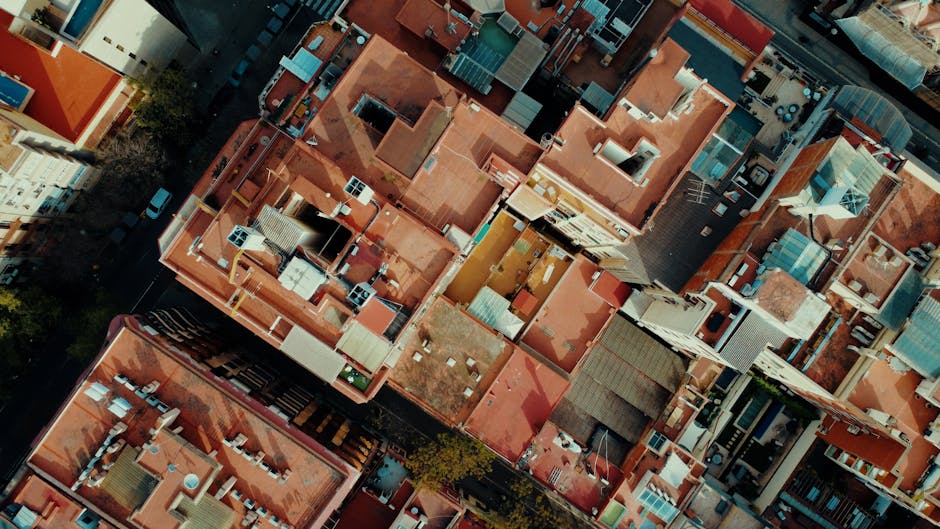
By the mid-19th century, medieval Barcelona was bursting at its 800-year-old walls. Cholera epidemics, overcrowding, and an industrial boom forced the city to plan an expansion. In 1859 the Spanish government chose Ildefons Cerda’s plan, which proposed a 1,300-hectare grid of identical octagonal blocks, with chamfered corners that opened up small public squares at every intersection.
Cerda’s vision was utopian: each block would be built on only two sides, leaving the centres as communal gardens; each street would be 20 metres wide for sunlight and air circulation; and the whole would be served by tram and boulevard infrastructure. The reality fell short on many counts (most blocks ended up fully enclosed for higher real-estate yield), but the grid was built and remains the largest 19th-century urban expansion in Europe.
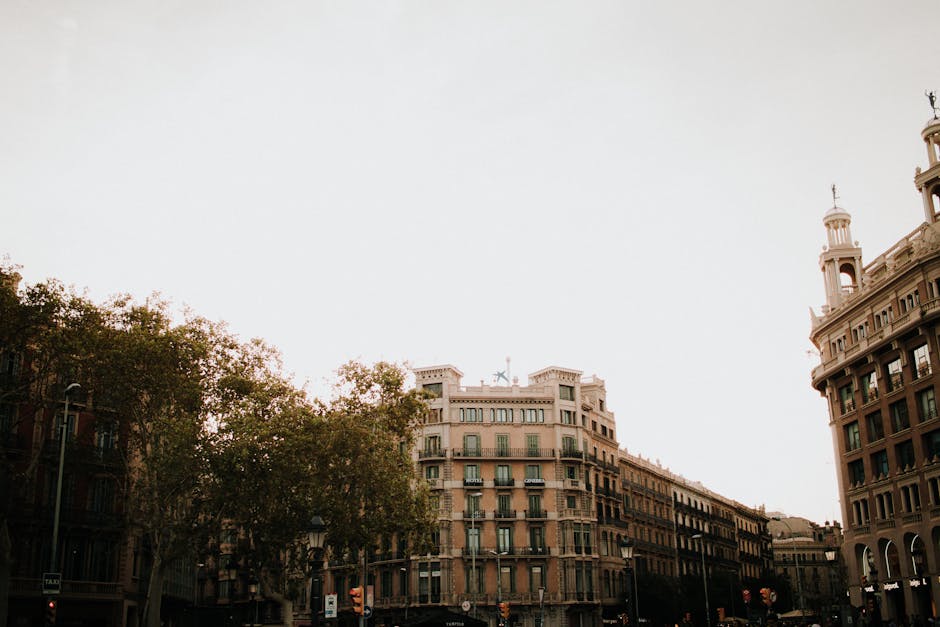
The Eixample became the canvas for the Catalan Modernisme movement of 1888 to 1910. Antoni Gaudi, Lluis Domenech i Montaner, Josep Puig i Cadafalch, and dozens of other architects competed to build the most fantastical residential apartment buildings on the new boulevards. The result is the densest concentration of Modernista architecture in the world, with major works on every block of Passeig de Gracia and many surrounding streets.
Where Exactly Is the Eixample?
The Eixample is the geographic heart of Barcelona, bounded by:
- South: The Old City (Plaza Catalunya is the boundary).
- North: Avinguda Diagonal and the Gracia neighbourhood.
- East: The Sant Marti district and Sagrada Familia.
- West: Sants and Hostafrancs.
The Eixample is divided into Eixample Esquerra (left) and Eixample Dreta (right), separated by Carrer de Balmes. Both halves have similar architecture; the Dreta has the famous Modernista buildings (Casa Batllo, Casa Mila), while the Esquerra has more local residential character with excellent restaurants and the LGBTQ+ “Gaixample” district.
The Top 12 Things to Do in the Eixample
1. Sagrada Familia
The masterpiece of the entire Modernista era and arguably the world’s most extraordinary basilica. Anchors the eastern edge of the Eixample. Allow 90 minutes inside; book 4 to 8 weeks ahead. See our Sagrada Familia guide.
2. Casa Batllo
Antoni Gaudi’s most playful façade, with skull-shaped balconies, dragon-skin scales on the roof, and an interior that feels like the inside of a sea creature. The 2026 visit experience features augmented reality and a 360-degree LED chamber. About 35 EUR; book 1 to 2 weeks ahead.
3. Casa Mila (La Pedrera)
Gaudi’s last residential building, with its undulating limestone façade, warrior-helmet chimneys on the rooftop, and a beautiful interior courtyard. About 28 EUR; the rooftop is one of the most photographed architectural spaces in Barcelona. Open until 8:30 PM in summer for evening visits.
4. Hospital de Sant Pau
A complete Modernista hospital complex by Lluis Domenech i Montaner, completed in 1930 and now a UNESCO World Heritage Site. The 27 pavilions, mosaic-tiled corridors, and underground tunnels make it one of the most ambitious Art Nouveau projects ever built. Connected to the Sagrada Familia by Avinguda Gaudi, an 800-metre tree-lined boulevard.
5. Casa Lleo Morera
Another stunning Domenech i Montaner work on the famous “Block of Discord” (Mançana de la Discordia), where Casa Batllo, Casa Lleo Morera, and Casa Amatller stand within 100 metres of each other. Limited interior tours.
6. Casa Amatller
A Puig i Cadafalch building from 1900, next door to Casa Batllo. The neo-Gothic façade and beautifully preserved interior offer a different style of Modernisme. Includes a cafe and shop in the original Amatller chocolate factory’s headquarters.
7. Passeig de Gracia
The grand central boulevard of the Eixample, lined with luxury shops, the famous Modernista buildings, and elegant cafes. Walking from Plaza Catalunya north to Diagonal is a 1.5-kilometre architectural lesson. The metro line L2/L3/L4 stops at Passeig de Gracia station.
8. Rambla de Catalunya
A parallel pedestrian boulevard one block west, with terraces, art galleries, and a more local feel. Less commercial than Passeig de Gracia and excellent for a mid-afternoon walk.
9. Plaça de Catalunya
The Eixample’s southern gateway and the city’s main public square. Surrounded by department stores, banks, and cafes. The starting point for many city walks and tours.
10. Mercat de Sant Antoni
The neighbourhood market on the western edge of the Eixample, recently renovated. Larger and more local than La Boqueria, with excellent produce, charcuterie, and a Sunday book and coin market.
11. Palau Robert and the Catalan Tourist Office
The neoclassical Palau Robert at the top of Passeig de Gracia houses Catalonia’s main tourist office, with free maps, exhibitions, and concerts in its garden during summer.
12. Casa Vicens
Antoni Gaudi’s first major commission, completed in 1885, sits at the northern edge of the Eixample in upper Gracia. Open to the public since 2017; the Moorish-influenced façade and intimate interior offer a glimpse of the early Gaudi.
Eixample Restaurants: Where to Eat
Modern Catalan Tasting Menus
- Disfrutar (Carrer de Villarroel 163): 3 Michelin stars and ranked among the World’s 50 Best Restaurants. Run by Adria-trained chefs.
- Lasarte (Carrer de Mallorca 259): 3 Michelin stars from chef Martin Berasategui.
- Cinc Sentits (Carrer d’Aribau 58): 1 Michelin star and beloved by locals; superb tasting menu of Catalan ingredients.
- Hofmann (Carrer La Granada del Penedes 14): Refined Catalan-French cuisine.
Classic and Casual Catalan
- Cervezeria Catalana (Carrer Mallorca 236): Famous tapas bar with long counter and equally long queues.
- Tapas 24 (Carrer Diputacio 269): Classy modern tapas from chef Carles Abellan.
- Bar Mut (Carrer Pau Claris 192): Stylish wine bar with excellent small plates.
- La Pubilla (Plaça de la Llibertat 23): Traditional Catalan home cooking.
- Bardeni (Carrer Valencia 454): Meat-focused gourmet Catalan; small and excellent.
International and Specialty
- Hot Cup (Carrer de Casanova 122): Specialist Asian-fusion noodles.
- Boldfood (Carrer de la Diputacio 318): Stylish modern Catalan-Mediterranean.
- Cera 23 (Carrer de Cera 23, near the Eixample-Raval border): Refined Catalan with an excellent wine list.
Markets and Lunch Counters
- Mercat de Sant Antoni: Counter-style lunch at the market’s gourmet stalls.
- Forn Mistral (Ronda Sant Antoni): The classic Catalan bakery for breakfast pastries.
Eixample Bars and Cafes
Coffee
- Nomad Coffee (Passatge Sert): Speciality coffee with the best espresso in central Eixample.
- Satan’s Coffee (Carrer de Mallorca 211): Industrial-style cafe with excellent flat whites.
- Granja M. Viader (Carrer Xuclà): Just over the boundary in the Old City but worth the walk for hot chocolate.
Cocktail Bars
- Sips (Carrer Muntaner 108): 2023 World’s Best Bar; reservations 2 to 3 weeks ahead.
- Solange Cocktails (Carrer d’Aribau 143): Black-tie cocktail bar with a 600-spirit collection.
- Dry Martini (Carrer d’Aribau 162): 1978 institution with a hidden Speakeasy room.
- Bobby’s Free (Carrer de la Granada del Penedes 20): Speakeasy hidden behind a barber shop.
Wine Bars
- Bar Mut (Carrer Pau Claris 192): Stylish wine bar.
- Monvinic (Carrer Diputacio 249): One of Spain’s best wine bars with 3,500 references.
Shopping in the Eixample
Passeig de Gracia is Barcelona’s premier luxury-shopping boulevard, with flagships of Louis Vuitton, Chanel, Cartier, Hermes, and the major Spanish brands (Loewe, Massimo Dutti, Zara, Mango). For Catalan-Spanish design, visit:
- Camper: The Mallorcan shoe brand with a flagship on Passeig de Gracia.
- Loewe: Spain’s premier leather house.
- Vialis: Local Barcelona shoe brand.
- Lupo: Designer leather goods.
- El Boli: Catalan stationery and art supplies.
- Vinçon: Iconic Barcelona design store on Passeig de Gracia (now closed but the building is preserved).
For independent boutiques, try Carrer Enric Granados (a pedestrian street with small fashion and design shops) and the smaller streets between Carrer de Provença and Carrer del Consell de Cent.
Eixample Architecture: The Top Modernista Walks
The most rewarding way to experience Eixample architecture is on foot. Three classic walks:
The Block of Discord (Mançana de la Discordia)
The single most concentrated stretch of Modernista architecture on earth. Within 100 metres on Passeig de Gracia between Carrer del Consell de Cent and Carrer d’Arago you find:
- Casa Lleo Morera (Domenech i Montaner)
- Casa Mulleras (Enric Sagnier)
- Casa Bonet (Marcelia Coquillat)
- Casa Amatller (Puig i Cadafalch)
- Casa Batllo (Antoni Gaudi)
You can walk this in 15 minutes; allow 60 to 90 minutes if you want to photograph each façade properly.
The Quadrat d’Or (Golden Square)
The 200-block area bounded by Plaça Catalunya, Diagonal, Aribau, and Passeig de Sant Joan contains over 100 listed Modernista buildings. The official Quadrat d’Or walking guide is available at Palau Robert. Allow 2 to 3 hours.
Avinguda Gaudi
The 800-metre tree-lined avenue connecting the Sagrada Familia to the Hospital de Sant Pau. One of the most beautiful and least photographed pedestrian boulevards in Barcelona. Allow 30 minutes.
Hidden Corners of the Eixample
Passatge de Permanyer
One of three remaining 19th-century private passages cutting through Eixample blocks. This 100-metre lane is lined with single-family Modernista houses and feels like a cobblestone village. On the Esquerra side, near Carrer Roger de Lluria.
Casa Ramon Mulleras Courtyards
Many Eixample blocks have interior courtyards (patios interiors) that are private but occasionally accessible during open-house weekends.
The 48h Open House Festival
Each October, more than 100 Eixample buildings open their doors to the public for free guided tours. Books up fast; check the official festival site.
Hospital de Sant Pau Gardens
Beyond the famous interior, the back gardens of the hospital are an oasis of fountains, mosaics, and shaded olive trees. Most visitors miss them.
Plaça de la Concordia
A small Eixample square in the Sant Antoni quarter, with a market on Wednesday and Saturday mornings.
Passatge Mendez Vigo
Another quiet private passage, this one off Carrer del Consell de Cent.
The Top of Tibidabo Avenue
The far northern end of the Eixample meets the foot of Tibidabo, where the FGC train station and the historic Tramvia Blau begin. A small architectural surprise.
Where to Stay in the Eixample
The Eixample is the most popular hotel district for first-time visitors. Recommended hotels:
- Hotel Mandarin Oriental Barcelona (Passeig de Gracia 38): 5-star luxury with a rooftop pool.
- Hotel El Palace (Gran Via 668): Classical Belle Epoque luxury.
- Hotel Casa Fuster (Passeig de Gracia 132): Modernista 5-star at the top of the boulevard.
- Hotel Majestic (Passeig de Gracia 68): Classic 5-star with rooftop bar.
- Cotton House Hotel (Gran Via 670): Stylish 5-star in a former cotton merchants’ guild house.
- Hotel Casa Bonay (Gran Via 700): Mid-range design hotel with a rooftop bar.
- Yurbban Trafalgar (Carrer Trafalgar 30): Mid-range with rooftop pool.
- Hotel Praktik (multiple locations): Affordable design hotels in restored Modernista buildings.
For complete recommendations, see our where to stay in Barcelona guide.
Eixample for Specific Trip Types
For Architecture Enthusiasts
Spend at least one full day on the Block of Discord, Casa Mila, the Sagrada Familia, and the Hospital de Sant Pau. Add a Casa Vicens visit if you have time.
For Foodies
Reserve at Disfrutar or Cinc Sentits weeks in advance. Add a Sunday vermouth at Bar Mut, a tapas dinner at Tapas 24, and breakfast at Granja M. Viader.
For Cocktail Lovers
Sips, Solange, Dry Martini, and Bobby’s Free are all in the Eixample. A 4-stop tour easily fills an evening.
For Shoppers
Passeig de Gracia for luxury, Carrer Enric Granados for independent designers, Mercat de Sant Antoni for groceries.
For Families
The Eixample is stroller-friendly with wide pavements and chamfered corners that double as kid-safe pause zones. Hospital de Sant Pau gardens, Avinguda Gaudi, and the playgrounds of Passatge Permanyer all work for kids.
How to Get Around the Eixample
The Eixample’s grid is highly walkable. Most attractions are within 15 to 20 minutes’ walk of each other. Key metro stations:
- Plaza Catalunya (L1, L3, FGC, Renfe): The main southern gateway.
- Passeig de Gracia (L2, L3, L4): The heart of the boulevard.
- Diagonal (L3, L5): The northern end.
- Sagrada Familia (L2, L5): Eastern boundary.
- Sant Antoni (L2): Western boundary.
- Hospital Clinic (L5): Esquerra Eixample.
For more, see our Barcelona metro guide.
Eixample Itinerary Suggestions
Half-Day Eixample Walk
- 10:00 AM: Casa Mila (rooftop tour).
- 11:30 AM: Walk down Passeig de Gracia to the Block of Discord.
- 12:30 PM: Casa Batllo facade or interior visit.
- 1:30 PM: Lunch at Cervezeria Catalana or Tapas 24.
- 3:00 PM: Walk Rambla de Catalunya to Plaça Catalunya.
Full-Day Eixample
- 9:00 AM: Sagrada Familia.
- 10:30 AM: Walk Avinguda Gaudi to Hospital de Sant Pau.
- 12:00 noon: Lunch in the eastern Eixample.
- 2:00 PM: Casa Mila rooftop tour.
- 3:30 PM: Block of Discord and Casa Batllo.
- 5:00 PM: Coffee at Nomad Coffee.
- 6:30 PM: Tapas dinner at Tapas 24 or Bar Mut.
- 9:30 PM: Cocktails at Sips or Dry Martini.
Practical Tips
- Wide pavements. Most Eixample streets have 6-metre pavements; comfortable for strollers.
- Pickpocketing. Heavy on Passeig de Gracia and at the Block of Discord.
- Cycling. Several dedicated cycle lanes; the city’s Bicing scheme has many stations.
- Sunday closures. Most shops close Sunday morning; restaurants stay open.
- Architecture photography. Best 8:00 to 10:00 AM and after 5:00 PM; midday sun flattens facades.
- Restaurant hours. Lunch 1:30 to 4:00 PM; dinner 8:30 to 11:00 PM.
- Reservations. Top tasting menus need booking 4 to 12 weeks ahead.
- Public toilets. Limited; use cafe restrooms after a coffee purchase.
- Walking distances. 1 km roughly equals 12 to 15 minutes on the Eixample’s wide blocks.
- Open House festival. If you visit in October, secure tickets to the 48h Open House festival weeks in advance.
Frequently Asked Questions
Is the Eixample worth visiting?
Absolutely. It is the architectural heart of Barcelona and home to the Sagrada Familia, Casa Batllo, and Casa Mila.
What is the best part of the Eixample?
The Block of Discord on Passeig de Gracia for architecture; Carrer Enric Granados for boutiques; the Hospital de Sant Pau area for quieter exploration.
Where should I stay in the Eixample?
Around Passeig de Gracia or Plaza Catalunya for centrality; the Esquerra (left) for a more local neighbourhood feel.
Is the Eixample expensive?
Mid-range to high. Hotels and luxury shops are pricey; restaurants range from 18 EUR menu del dia lunches to 250 EUR tasting menus.
How long should I spend in the Eixample?
Half a day for a quick walk; a full day for the major Modernista buildings; 2 days if you want to dine, shop, and visit the Sagrada Familia and Hospital de Sant Pau.
What is the difference between Eixample Esquerra and Dreta?
Dreta has the famous Modernista buildings and luxury shops. Esquerra has more local atmosphere, restaurants, and the Gaixample LGBTQ+ district.
Is the Eixample family-friendly?
Yes. Wide pavements, chamfered corners, and many cafes make it stroller-friendly. The Hospital de Sant Pau gardens and Passatge Permanyer are great for kids.
What is the closest metro to Casa Batllo and Casa Mila?
Passeig de Gracia (L2, L3, L4) for both; Diagonal (L3, L5) is also close to Casa Mila.
Where do locals eat in the Eixample?
La Pubilla, Bardeni, Cera 23, and the smaller neighbourhood spots in the Esquerra.
Are there free things to do in the Eixample?
Yes. Walking the Block of Discord, the gardens of Hospital de Sant Pau, Mercat de Sant Antoni, and the open Sunday vermouth bars all cost nothing or only the price of a drink.
Final Thoughts: The Heart That Holds the City Together
The eixample barcelona is the urban achievement that holds the rest of the city together: a 19th-century grid that frames every Modernista masterpiece, a residential neighbourhood that locals love, and the connecting tissue between the medieval Old City and the upper neighbourhoods. Spend at least half a day here; spend a full day if you can; and you will leave with a much clearer understanding of what makes Barcelona Barcelona.
For more, see our Barcelona neighborhoods pillar, the Gothic Quarter guide, the El Born guide, and the Gaudi Barcelona pillar for the architectural deep dive.