Why Montserrat Is the Day Trip Locals Recommend First
Ask anyone who has lived in Barcelona for longer than a year which excursion every visitor should make, and the answer is almost always the same: a montserrat day trip. The serrated mountain rising 1,236 metres above the Catalan plain is one of the most surreal landscapes in Europe, and the Benedictine monastery cradled inside it has drawn pilgrims since the eleventh century. You can be at Plaza Espanya by 8:00 AM, on the funicular by 9:30, and back in time for a late lunch on Las Ramblas. There is no other day trip from Barcelona that delivers monastery, mountain, and museum so cleanly in a single outing.
This guide covers everything you need: how to plan the trip, the train and cable car combinations, what to do at the monastery, the best hikes, what to eat, what to skip, and the small details that elevate a good montserrat from barcelona trip into a great one.
A Brief History of Montserrat: A Mountain, a Monastery, and a Black Madonna
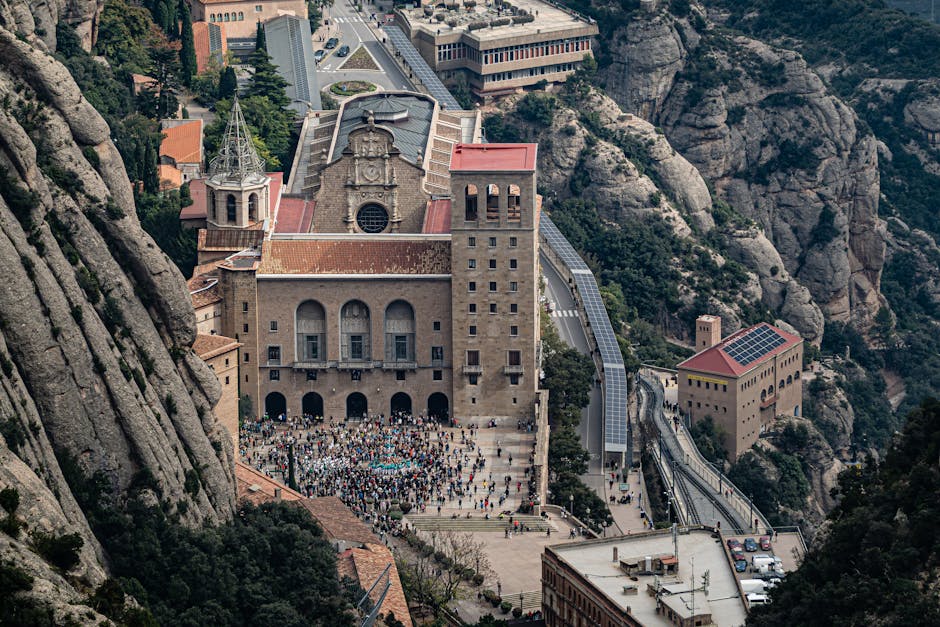
The name Montserrat means “serrated mountain” in Catalan, and a single look at the silhouette explains why. Geologists trace the formation back roughly 50 million years to a sediment deposit at the edge of an ancient sea, lifted by tectonic uplift and eroded into the spires you see today. For centuries, locals believed the mountain was sacred long before Christianity arrived; the Romans dedicated altars to Venus on its slopes.
The Benedictine community at montserrat monastery was founded in 1025 by Abbot Oliba of Ripoll. Over the next thousand years it survived sackings during the Napoleonic Wars, suppression under the Spanish state, and persecution during the Franco era, when Catalan-language masses celebrated here became a quiet act of cultural resistance. Today around 70 monks still live and pray on the mountain, and the basilica remains an active site of worship.
The spiritual heart of the complex is La Moreneta, the Black Madonna of Montserrat. According to legend, the statue was carved by Saint Luke, brought to Spain by Saint Peter, and hidden in a mountain cave during the Moorish invasion. In 880 AD, shepherds rediscovered it after seeing a heavenly light, and the statue was installed in the monastery. Although art historians date the actual carving to the late twelfth century, the legend gives the figure its mystique. La Moreneta was named patron saint of Catalonia in 1881 and patron of the diocese of Barcelona shortly thereafter.
How to Get to Montserrat from Barcelona
The simplest, cheapest, and most enjoyable way to reach Montserrat is by combining the FGC commuter train with either the cable car (Aeri) or the rack railway (Cremallera). Tour buses also exist, but they tie you to a fixed group schedule. For independent travellers, the train is the right answer.
The R5 Train from Plaza Espanya
From central Barcelona, head to Plaza Espanya station. Once inside, follow signs to FGC trains and look for line R5 toward Manresa. You will be in the right station because the metro and FGC share the same complex; FGC is one level below the metro.
Trains run roughly every hour from 8:36 AM to about 6:36 PM, and the journey to either Montserrat exit station takes about 60 minutes. Departures are clearly listed in the FGC station and on the TMB app. Trains can fill up by mid-morning on Saturdays, so an early start (8:36 or 9:36) is best.
Cable Car or Rack Railway?
The R5 line has two stops near Montserrat, and your choice between them is the main decision of the day:
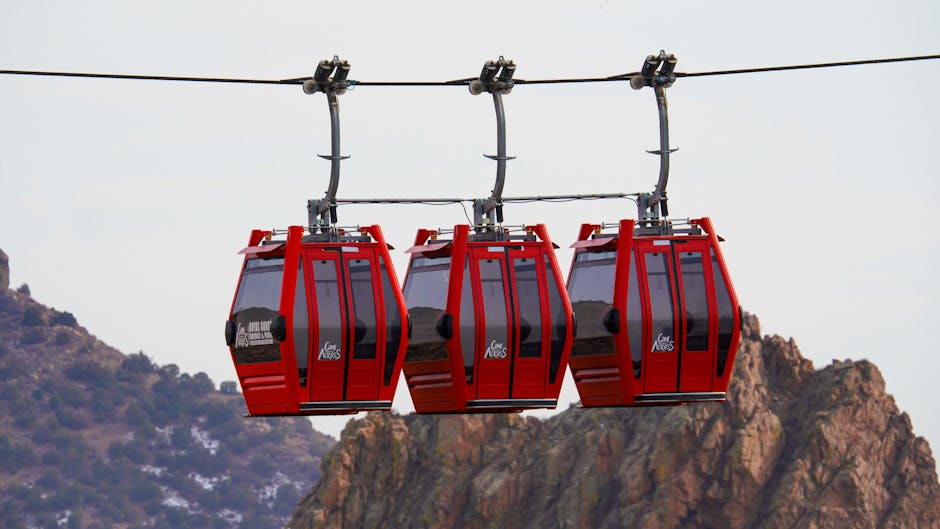
- Aeri de Montserrat: exit here for the cable car. The aerial tram lifts you 545 metres up to the monastery in about 5 minutes. The views are spectacular, and the experience itself is part of the attraction. Cars depart every 15 minutes from 9:40 AM.
- Monistrol de Montserrat: exit here for the rack railway, called the Cremallera. The toothed-rail train climbs the mountain over 15 minutes through five tunnels and around hairpin curves. Trains run every 20 minutes during peak season.
Both options take you directly to the monastery plaza. The cable car is faster and more dramatic; the rack railway is more comfortable and a smoother ride for anyone with vertigo. Many visitors take one up and the other down to do both. Check the FGC website on the day; cable car service can be suspended in high winds or maintenance, in which case the rack railway is the only way up.
Combination Tickets
You will save time and a small amount of money by buying a combined ticket at the Plaza Espanya station before boarding the R5. The two main packages are:
- Trans Montserrat: includes round-trip metro from central Barcelona, R5 train, your choice of cable car or rack railway, and unlimited use of the Sant Joan and Santa Cova funiculars on the mountain. Around 41 EUR for adults in 2026.
- Tot Montserrat: the same as Trans Montserrat plus admission to the Montserrat Museum, an audiovisual exhibit, and a self-service buffet lunch at the Hostal del Restaurant. Around 64 EUR for adults in 2026.
The Tot Montserrat is excellent value if you plan to do everything in one day; the Trans Montserrat suits travellers who want to focus on hiking and the basilica. You can also buy individual tickets, though the combined fare is almost always cheaper than the sum of the parts.
The Monastery Complex: What to See When You Arrive
You will step off the cable car or rack railway directly into the monastery plaza, with shops, a tourist information office, the basilica, and the museum within a 200-metre stroll. Pick up a free map from the info desk, plan your sequence, and start with the basilica because it can get crowded by 11:00 AM.
The Basilica
The current basilica was constructed between 1560 and 1592, with a Renaissance facade and a Gothic interior. The most famous feature is the throne of the Black Madonna, located in a small chapel above the main altar. To visit La Moreneta, follow the signs marked “Cambril de la Mare de Deu” through a series of beautifully decorated antechambers. The line moves quickly. When you reach the statue, you can place your hand on the small orb of glass that protects the wooden globe she holds; it is tradition to make a wish.
If you can time your visit for noon, you may catch the world-famous Escolania de Montserrat boys’ choir performing the Salve Regina and Virolai. The choir has sung in this basilica continuously since the thirteenth century, making it one of the oldest in Europe. Their daily performance lasts about 15 minutes and is included with general entry. Performances are at 1:00 PM Monday through Friday, 12:00 noon on Sundays, and may pause during school holidays. Always check the official Abadia de Montserrat website before relying on the schedule.
The Montserrat Museum
Smaller than you would expect from a place this famous, but excellent. The Museu de Montserrat houses a curated collection that includes Old Master paintings (Caravaggio’s Saint Jerome Penitent is the headliner), Catalan Modernist works by Casas, Rusinol, and Picasso, Russian Orthodox icons, an Egyptian and Byzantine antiquities room, and a beautiful collection of liturgical art. Allow 60 to 90 minutes.
The Plaza and the Monks’ Cells
The central plaza in front of the basilica is a great place to pause and look up at the cliffs. The walls of the plaza include carved depictions of the founding miracles, and the Camara de la Mare de Deu (corridor leading to the Madonna’s chapel) is lined with thousands of votive candles, ex-votos, and small letters of gratitude pinned by pilgrims. It is one of the most affecting sights in Spain.
Hiking on Montserrat
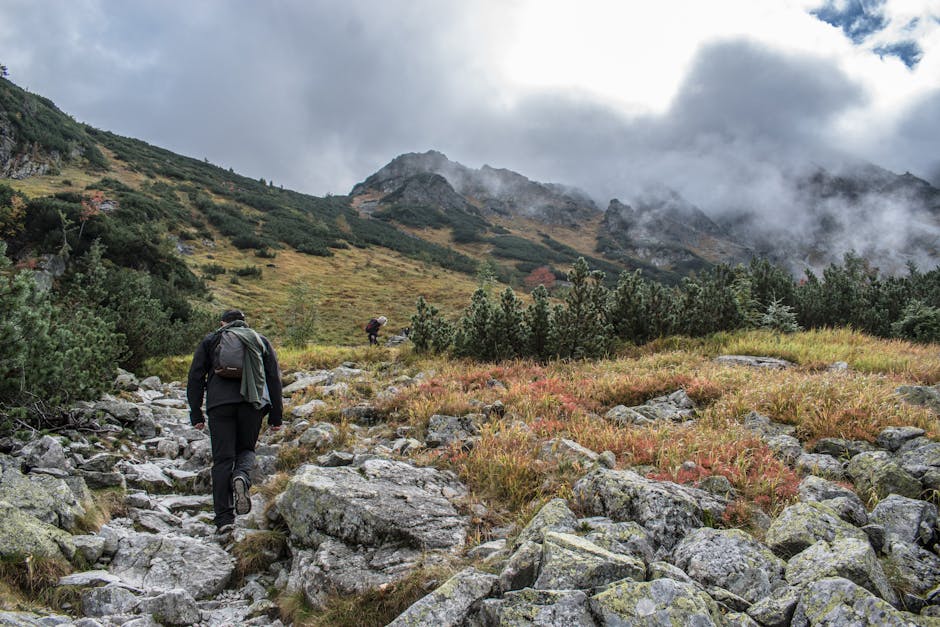
The mountain is a designated nature park covering 32 square kilometres, criss-crossed by well-marked footpaths. After visiting the monastery, most visitors choose one of three classic hikes. Choose based on your fitness, the time you have, and the weather.
Sant Joan Funicular and Easy Top-Ridge Walks
The Sant Joan funicular climbs 250 metres in five minutes from the monastery to a sweeping ridge with five mid-length walking circuits, ranging from 30 minutes to two hours. The flat circuit toward the Mirador del Pla de les Taràntules takes about 20 minutes one way and rewards you with arguably the best monastery view from above. This is the easiest option and is suitable for families with children, casual walkers, and anyone short on time.
Santa Cova Funicular and the Pilgrim Trail
The other funicular, Santa Cova, drops 100 metres to a path leading to the cave where La Moreneta was supposedly discovered. The walk down the path is paved and decorated with monumental sculptures depicting the mysteries of the rosary, with works by Antoni Gaudi, Josep Llimona, and other Catalan masters. Allow about 90 minutes round trip including the funicular ride. Bring sturdy shoes; the path is uneven near the cave.
Sant Jeroni: The Highest Peak (Most Demanding)
For anyone with mountain experience, the hike to Sant Jeroni at 1,236 metres is the standout. The route is a 6 to 7 kilometre out-and-back from the upper Sant Joan funicular station, takes about 3.5 to 4 hours total, and climbs roughly 350 metres in elevation. The summit views stretch across Catalonia, the Pyrenees on a clear day, and on rare occasions the Mediterranean and the island of Mallorca to the south.
The path is well marked and not technical, but it does include some scrambling at the very top through narrow rock corridors. Wear proper hiking boots, carry one to two litres of water per person, and avoid the route during summer afternoons when temperatures can climb above 35 degrees Celsius. Spring and autumn are ideal.
Other Trails Worth Knowing
- Cami dels Degotalls: An easy, mostly flat walk of about 4 km starting from behind the monastery. Plenty of shade, sculpture, and views over the valley. Perfect for a post-lunch stroll.
- Sant Jeroni from Can Maçana (long version): A full traverse of the mountain that requires advance planning, an early start, and a way back from a different trailhead. About 7 hours total. For experienced hikers.
- Cami de l’Arrel and Pas dels Francesos: For climbers and confident hikers, this circuit weaves between the most famous rock spires and is breathtaking from below.
Best Time to Visit Montserrat
Montserrat is open year-round, but conditions and crowds vary considerably by season.
- April, May, September, October: The sweet spots. Mild temperatures (15 to 22 degrees Celsius), wildflowers in spring, golden light in autumn, and manageable crowds.
- June through August: Hot. Daytime temperatures often exceed 30 degrees Celsius and the long climbs are draining. Start by 8:00 AM if you plan to hike Sant Jeroni.
- November through February: Cool and crisp, with crowd-free trails and dramatic cloud-and-rock landscapes. Bring layers and a light rain jacket. Snow is rare but possible above 1,000 metres.
- March: Variable. Beautiful in mid- to late-March, but with the chance of cold winds and short rain showers.
Weekdays are dramatically less crowded than Saturdays, and Sundays draw both visitors and Catalan pilgrims for mass. If you have the choice, Tuesday through Thursday is ideal.
Where and What to Eat
You will not starve on the mountain. The monastery complex includes a self-service cafeteria (the Hostal del Restaurant, included with the Tot Montserrat ticket), a more formal sit-down restaurant called Hostal Apostles with a terrace overlooking the valley, and a small market in the plaza selling local cheeses, honey, almond cake (coca de Montserrat), and the famous Montserrat liqueur called Aromes de Montserrat.
Many visitors prefer to picnic. Buy a sandwich and a piece of fruit before leaving Barcelona, or pick up provisions in Monistrol town. There are dozens of viewpoints with stone benches that double as picnic spots, and lunch on a ridge above the monastery beats any restaurant view.
If you want a memorable sit-down meal in the area, ride the rack railway down to Monistrol and seek out Restaurant Hostal Sant Bernat or El Mirador, both of which serve traditional Catalan dishes such as escudella stew, cargols a la llauna (snails), and pa amb tomaquet, all at lower prices than restaurants on the mountain itself.
What to Pack for a Montserrat Day Trip
- Comfortable walking or hiking shoes. Even if you do not plan to hike, the monastery complex involves cobbled inclines and stone steps.
- Layers. The mountain is cooler than Barcelona, especially in the morning and on the upper ridge. Add 5 to 8 degrees of difference and a wind chill on top of that.
- One to two litres of water per person. Refill stations exist on the mountain but are not always close by.
- Sun protection. Sunscreen, hat, sunglasses. The high-altitude sun is stronger than in the city.
- Snacks for hiking. Granola bars, dried fruit, almonds.
- Light rain jacket. Mountain showers can roll in fast.
- Modest clothing for the basilica. Shoulders should be covered when entering the church. A light scarf does the job for sleeveless tops.
- Camera with a wide-angle lens. The rock formations are vast; a phone wide-angle works fine.
- Cash for the market. Most vendors accept cards but a few small stalls are cash only.
A Suggested Day Trip Itinerary
Below is the itinerary we recommend most often. It assumes a moderate fitness level and includes the major highlights without rushing.
- 8:00 AM: Coffee and pastry on the way to Plaza Espanya station.
- 8:36 AM: Board R5 train to Aeri de Montserrat.
- 9:40 AM: Take the cable car up. (Alternative: stay on the train one more stop to Monistrol and ride the rack railway.)
- 10:00 AM: Visit the basilica and pay your respects to La Moreneta.
- 11:00 AM: Tour the Montserrat Museum.
- 12:00 noon: Lunch in the plaza or sit-down at Hostal Apostles. Sunday visitors can attend the choir at this time.
- 1:00 PM: Take the Sant Joan funicular up the ridge for short scenic walks, OR begin the Sant Jeroni summit hike if you are up for it.
- 3:30 PM: Browse the market, buy a small jar of honey or coca de Montserrat as a souvenir.
- 4:00 PM: Take the rack railway down (different transport from the morning for the photo variety).
- 5:30 PM: Back at Plaza Espanya in central Barcelona.
This is a full day. If you want a shorter version, skip the museum and one funicular, leave by 3:00 PM, and you can be back in town by 4:30 for a long Catalan dinner. Pair the trip with our 3-day Barcelona itinerary for a complete short break.
Tour vs. Independent Trip: Which Is Right for You?
Group bus tours from Barcelona run 50 to 110 EUR per person and typically include hotel pickup, a guide, and 3 to 4 hours at the monastery. They are convenient and a fair option for travellers who want maximum information density and zero logistical overhead.
The downsides are real: you are tied to the group’s pace, hiking time is minimal or absent, and the bus drops you at a parking lot below the monastery, where you may transfer to a smaller vehicle. The combined train-and-cable car day costs about half as much, gives you a full day to explore at your own speed, and the journey itself is part of the experience.
For most independent travellers, doing it yourself wins. If you want a guide, consider booking a private walking tour at the monastery itself or a small-group hiking tour with a Catalan mountain guide; both can be arranged through reputable Barcelona-based operators.
Practical Notes and Common Pitfalls
- Do not confuse the two stations. “Aeri de Montserrat” (cable car) and “Monistrol de Montserrat” (rack railway) are next to each other on the same R5 line. Listen to the announcements and watch the platform display.
- Avoid Saturday lunchtime crowds. Both the basilica queue and the funiculars peak between noon and 2:00 PM on Saturdays.
- Cable car vs. rack railway when one is suspended. If service is interrupted on the cable car, your ticket is automatically valid on the rack railway.
- Toilets. Free public restrooms are available behind the visitor centre and at the Sant Joan funicular station.
- Wi-Fi. Free Wi-Fi is available in the plaza around the visitor centre.
- Mobile signal. Patchy beyond the plaza. Download maps offline before leaving.
- Bag size. Trains and the cable car accept normal daypacks. Larger luggage is awkward, so leave wheeled cases at your Barcelona hotel.
- Pets. Small dogs in carriers are allowed on the train and rack railway. The cable car has its own dog policy; check the Aeri de Montserrat website.
Combining Montserrat with Other Day Trips
Pure Montserrat is plenty for one day, but a few combinations are popular for travellers with extra time.
- Montserrat plus Cardona: Add a short drive to the medieval salt mountain town of Cardona for an afternoon. Best with a rental car.
- Montserrat plus Sitges: Difficult by public transport in a single day, but doable by car.
- Montserrat plus winery visit: Several Penedes wine estates lie between Barcelona and Montserrat and offer afternoon tasting tours that pair well with a morning at the monastery. See our Penedes wine country guide for the full route.
If you have a second day for excursions, our Sitges day trip guide and Girona day trip guide are the next logical reads.
Frequently Asked Questions
How long does the train take from Barcelona to Montserrat?
Roughly 60 minutes from Plaza Espanya to either Aeri de Montserrat (cable car) or Monistrol de Montserrat (rack railway).
Should I take the cable car or the rack railway?
Cable car for views and speed (5 minutes), rack railway for comfort and a slower scenic climb (15 minutes). Many people do one each direction. If wind has closed the cable car, the rack railway is your only option.
What does a Montserrat day trip cost in 2026?
Roughly 41 EUR per adult for the Trans Montserrat ticket (transport + funiculars) and about 64 EUR for the Tot Montserrat ticket (everything plus museum and lunch). Add 10 to 20 EUR for additional food and souvenirs.
How long should I spend on the mountain?
A minimum of 4 hours covers the basilica, museum, and a short walk. A full day allows you to add a real hike, lunch on a viewpoint, and time to browse the market.
Can I see the choir without booking ahead?
Yes. The Escolania choir performs daily at 1:00 PM Monday through Friday and at noon on Sundays, included with regular entry. There is no ticket. Arrive at the basilica 20 minutes early for a seat.
Is Montserrat accessible for people with mobility limitations?
The monastery plaza, basilica, and museum are all wheelchair accessible. The rack railway has wheelchair-accessible cars. The funiculars to Sant Joan and Santa Cova have a step at boarding; staff can assist. The hiking trails on the upper ridge are not wheelchair friendly.
Is the Black Madonna really 1,000 years old?
The legend places its origin in early Christian times, but art-historical analysis dates the carving to the late twelfth century. It has been continuously venerated for at least 800 years.
Can I stay overnight on the mountain?
Yes. The monastery operates the Hotel Abat Cisneros and a smaller hostel-style apartments option called Cel.les de Montserrat. Both are inside the monastery complex. Booking 2 to 4 weeks ahead is wise during peak season. Sunrise from the upper ridge after a quiet night on the mountain is a magical experience.
Is there a dress code for the basilica?
Yes, modest dress is required. Shoulders covered, no short shorts or skirts. Carry a light scarf in summer. The dress code is enforced loosely but politely.
Final Thoughts: Why Montserrat Earns Its Reputation
A montserrat day trip works on every level: spiritual, scenic, cultural, and physical. The journey is half the magic. The R5 climbs out of the city, the cable car or rack railway lifts you above the trees, and suddenly you are standing in a 1,000-year-old monastery wedged into a fortress of stone. The hike from the Sant Joan ridge takes you above the cloud line on a misty day. The choir’s voices echo through a basilica that has heard them every afternoon for eight centuries. La Moreneta, the small wooden Madonna in her chapel, asks nothing of you but to be there.
If you have only one day to leave Barcelona, give it to montserrat from barcelona. Plan the train and the cable car, pack the right shoes, and go. We rarely meet a traveller who regrets it. To plan the rest of your trip, browse our full day trips from Barcelona pillar, or pair this excursion with our Barcelona travel guide for the city itself.