Catalan Cuisine: Why It Is One of the Great Mediterranean Food Traditions
Long before Catalonia was famous for Gaudi or futbol, it was famous for food. Catalan cuisine is one of the oldest continuously documented cooking traditions in Europe, with the 14th-century Llibre de Sent Sovi standing as the world’s earliest preserved cookbook in any Romance language. The dishes that came out of those medieval kitchens, refined over the next 700 years by farmers, fishermen, and merchants who lived between sea and mountain, are still on Barcelona menus today. This guide to catalan food walks you through the dishes that define the region: where they come from, what they should taste like, where to eat them in Barcelona, and how to order them like a local.
Whether you are planning your first trip and want to know what to eat, or returning for a deeper culinary visit, understanding catalan dishes changes the experience. Catalan cuisine is not Spanish cuisine; it has its own ingredients, its own techniques, its own seasonal calendar, and its own dishes that you will not find in Madrid or Seville. Read on for the complete primer on traditional catalan cuisine, with practical recommendations for the best places in Barcelona to eat each dish.
The Foundations: What Makes Catalan Cooking Distinct
Three pillars hold up Catalan cuisine, and once you learn to spot them you can read any traditional menu with confidence.
1. Mar i Muntanya: Sea and Mountain
The most famous Catalan principle: combining seafood with poultry or game in the same dish. The combinations sound surprising at first (chicken with prawns, meatballs with cuttlefish, rabbit with snails) but are deeply traditional. Catalonia’s geography, where fishing villages and farming valleys are often only a 30-minute drive apart, made the pairings practical for centuries.
2. Sofregit, Picada, and Allioli: The Three Sauces
The flavour scaffolding of nearly every Catalan dish. Sofregit is a slow-cooked base of onion, tomato, and garlic; picada is a finishing paste of nuts, garlic, parsley, and bread crumbs added at the end; allioli is the iconic emulsion of garlic and olive oil. Master those three and you can cook half the canon.
3. Olive Oil, Bread, Tomato, and Garlic
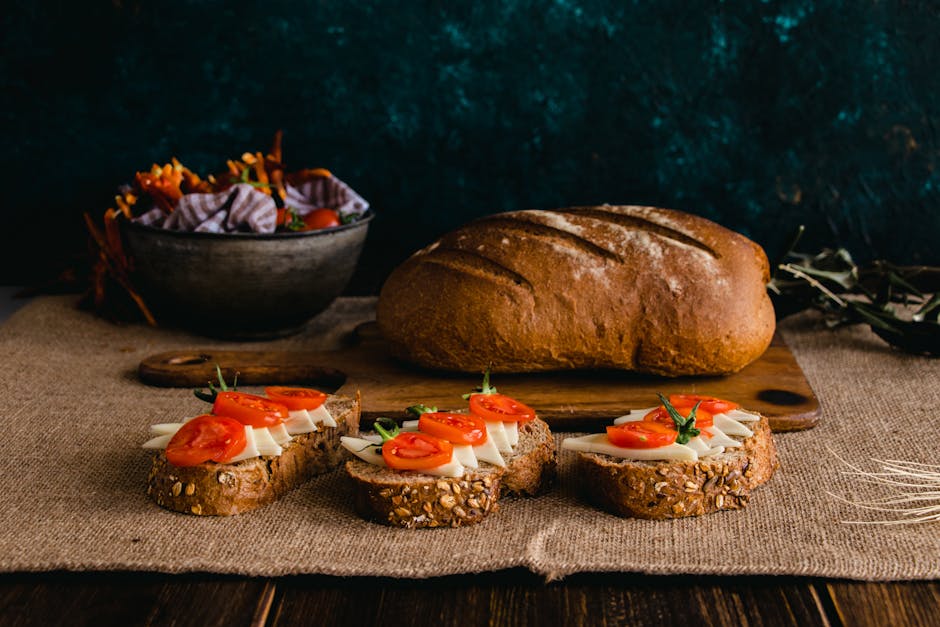
The four staples appear at every meal, in dozens of forms. Pa amb tomaquet (rubbed tomato bread) is the universal table accompaniment, served at breakfast, lunch, dinner, and afternoon snack. Olive oil is poured generously rather than measured. Garlic is fundamental, often raw.
Catalan Breakfast: How a Meal Begins
Catalan breakfasts are simple and savoury. The classic options are:
- Pa amb tomaquet: Toasted country bread rubbed with raw tomato, garlic, and olive oil. Often served with cured ham, cheese, or anchovies.
- Esmorzar de forquilla (fork breakfast): A working-man’s mid-morning meal of stews, sausages, beans, and offal. Strong, rural, and meant for hard-working bodies.
- Suizo: Hot chocolate with whipped cream, served at traditional granjas (milk bars). Granja M. Viader on Carrer Xuclà has been serving the legendary version since 1870.
- Cremat: A small flame-lit rum coffee from the Costa Brava, made with brandy and cinnamon.
Locals do not skip breakfast, but it is small. The big meal of the day is lunch.
Pa amb Tomaquet: The National Bread
If you only learn one Catalan dish, make it pa amb tomaquet. The recipe is so simple it is almost funny: toast a piece of country bread, rub it with the cut side of a halved ripe tomato until pink, drizzle olive oil and a pinch of salt. That is it.
The simplicity hides the genius. A great pa amb tomaquet uses crusty Catalan country bread (pa de pages), seasonal tomatoes (tomaquets de penjar are best in winter), Catalan extra-virgin olive oil from the Siurana DO, and Mediterranean salt. The bread goes wrong if it is sliced too thin or grilled too long; the tomato wants to soak in, not bounce off.
Where to try it: Almost everywhere, but for a textbook version go to Bar Mut in the Eixample, Bar Cañete in Raval, or any old-school Catalan grill house.
Tapas, Pintxos, and Small Plates
Tapas are not actually as Catalan as they are Andalusian, but Barcelona has its own deep small-plate tradition. The dishes you will find are slightly different from what you see in Madrid or Seville.
Bombas
Fried potato croquettes filled with spicy minced meat and topped with allioli. Invented at Bar La Cova Fumada in Barceloneta in the 1950s, they remain a beach-quarter staple.
Esqueixada de bacalla
A salt-cod salad with shredded raw cod, tomato, onion, olives, and a little sherry vinegar. Fresh, briny, perfect summer food.
Escalivada
Roasted vegetables (peppers, aubergine, onion) peeled and dressed with olive oil. The smoky char comes from cooking over an open flame; many old Catalan kitchens still use embers.
Calçots (in season)
Charcoal-grilled spring onions, eaten with the hands by peeling the burnt outer layer and dipping the soft inside in romesco sauce. Strictly seasonal (December to April), with January and February the peak. The annual calcotada feast is a Catalan ritual.
Truita de patata
Spanish potato omelette with sliced potatoes and onions, but the Catalan version is often slightly runnier in the centre.
Croquetas
Creamy fritters with bechamel and a filling. Catalan versions favour ham, cod, or wild mushrooms.
Patatas bravas (the Catalan version)
Fried potato cubes with spicy red sauce. The Catalan recipe is different from the Madrid version: the sauce is paprika-based without tomato, and is often served alongside (not over) the potatoes, sometimes accompanied by allioli.
Anxoves de l’Escala
Cured anchovies from the small Costa Brava town of L’Escala, served on bread with olive oil. The best anchovies in Spain.
The Iconic Catalan Main Dishes
Escudella i carn d’olla
The Catalan winter stew. A two-act dish: first you eat the rich broth (escudella) with pasta, then the boiled meats and vegetables (carn d’olla) on a separate plate. Christmas lunch in many Catalan households is built around this dish, with a special kind of giant meatball called pilota added.
Suquet de peix
A fisherman’s stew of mixed Mediterranean fish (monkfish, hake, prawns) with potatoes in a saffron-and-tomato broth thickened with picada. Best at coastal villages but excellent in Barcelona at Cal Pep or Can Sole.
Fideua
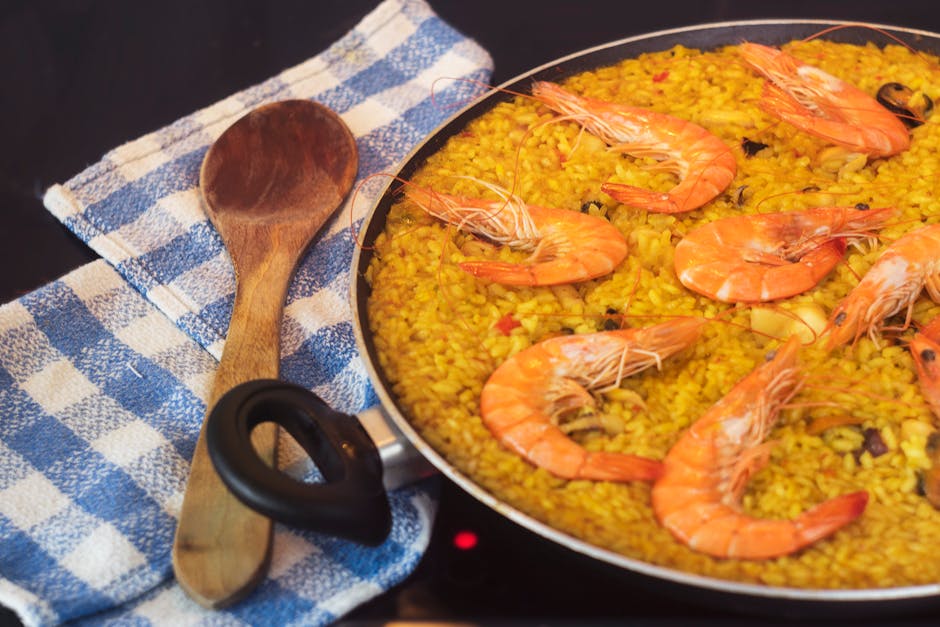
The little cousin of paella, made with thin pasta noodles instead of rice, cooked in fish stock, often topped with prawns and squid. Easier to eat than paella, equally delicious. Try El Cangrejo Loco at the marina or 7 Portes for the upscale version.
Arros negre
Black rice cooked with squid ink, tomato, and seafood. A signature Catalan rice dish; do not be put off by the colour.
Arros caldos
A wet, soupy rice dish with seafood, eaten with a spoon. The brothy answer to dry paella.
Mar i Muntanya (the dish)
The classic combination: chicken with prawns or meatballs with cuttlefish in a sofregit and picada. A good version takes three hours of slow cooking. Try Can Vallès in the Eixample.
Botifarra amb mongetes
Catalan pork sausage served with white beans. The most local of comfort foods. Best at neighbourhood grill houses (asadors).
Cargols a la llauna
Snails baked on a tin tray with herbs and olive oil. A Catalan delicacy from the rural interior, particularly common around Lleida. Don’t skip them; they are nothing like French escargot.
Conill amb cargols
Rabbit with snails, often with allioli on the side. The classic mar i muntanya pairing.
Bacalla a la llauna
Salt cod baked with paprika, garlic, and white wine. A Friday and Lent staple.
Caneloni
Catalan-style cannelloni filled with leftover Christmas roast meats, topped with bechamel. Sant Esteve (December 26) is canelones day.
Catalan Desserts
Crema Catalana
The original creme brulee, with a slightly different recipe: milk-based custard infused with lemon and cinnamon, with a caramelised sugar top. Catalans made it for Saint Joseph’s Day (March 19) before the French claimed the technique. Locals will gently insist that crema catalana came first.
Mel i mato
Fresh sheep or goat curd cheese drizzled with honey and walnuts. Light, ancient, and a Catalan classic. The best version uses raw mato from the Catalan Pyrenees.
Coca de Sant Joan
A flat, soft cake topped with candied fruit and pine nuts, eaten on Sant Joan’s eve (June 23) and during La Merce. The dough is softer and sweeter than its Italian cousin.
Tortell de Reis
The Catalan Three Kings cake, eaten on January 6. A ring-shaped pastry with marzipan filling, decorated with candied fruit, and hiding a small ceramic king and a bean inside.
Panellets
Small marzipan-and-pine-nut cookies eaten on All Saints’ Day (November 1).
Xuixos
Fried pastries from Girona, filled with crema catalana and rolled in sugar. Strongly recommended.
Catalan Wines and Drinks
Cava
Catalan sparkling wine, made by the same traditional method as Champagne. The Penedes wine region southwest of Barcelona is the heartland, with major producers like Codorniu, Freixenet, and dozens of smaller artisan houses. Cava brut nature (zero sugar) is a serious wine; cava semi-seco is the celebratory version.
Vermouth (vermut)
The Sunday-morning aperitif. Catalan vermouth is sweeter, herbier, and more complex than Italian. It is poured on ice with an olive and a lemon twist, and enjoyed before lunch with a small plate of olives, anchovies, or chips. Reus, an hour southwest of Barcelona, is the historic centre of Catalan vermouth production.
Catalan Wines
The Penedes, Priorat, Empordà, Costers del Segre, Conca de Barberà, Pla de Bages, and Terra Alta DO regions each produce distinct wines. Priorat reds are world-class and expensive; Penedes whites are excellent value; Empordà has some of the best rosés in Spain.
Ratafia
A Catalan herbal liqueur made with green walnuts, anise, cinnamon, and dozens of botanicals. Sweet, complex, and traditional after a heavy meal.
Orxata
A summer drink made from tiger nuts (chufa), milk, and sugar. Refreshing and unique to Mediterranean Spain.
Where to Eat Catalan Cuisine in Barcelona
Classic, White-Tablecloth Catalan
- 7 Portes (Pla de Palau, El Born): Founded in 1836; arguably the city’s most historic restaurant. Excellent paellas and fideuas.
- Can Vallès (Eixample): A family-run institution with classic Catalan recipes.
- Can Culleretes (Gothic Quarter): Founded in 1786; one of the oldest restaurants in Spain.
- Hofmann (Eixample): Refined Catalan-French cuisine.
Modern Catalan Tasting Menus
- Disfrutar (Eixample): 3 Michelin stars, ranked among the World’s 50 Best Restaurants in 2024. Run by Adria-trained chefs.
- Lasarte (Eixample): 3 Michelin stars from chef Martin Berasategui.
- Cinc Sentits (Eixample): 1 Michelin star and a personal favourite among locals; superb tasting menu of Catalan ingredients.
- Tickets (Sant Antoni): Adria-family creative tapas.
Tapas and Casual Catalan
- Cal Pep (El Born): Iconic counter, no reservations.
- Bar Cañete (Raval): Excellent classic Catalan tapas.
- Bar Mut (Eixample): Stylish, locally beloved.
- La Pubilla (Gracia): Local favourite for daily menu and weekend brunches.
- La Cova Fumada (Barceloneta): Old-school Catalan, where bombas were invented.
- Bar del Pla (El Born): Modern Catalan tapas.
Markets and Casual Lunch Counters
- La Boqueria (Las Ramblas): Famous central market; eat at El Quim de la Boqueria for the city’s best market lunch counter.
- Mercat de Santa Caterina (El Born): Cuines Santa Caterina inside is excellent for Catalan lunches.
- Mercat de Sant Antoni (Eixample): The local market with several casual lunch options.
For deeper guides, see our Barcelona food guide pillar and the best tapas in Barcelona roundup.
Eating Like a Local: Times, Etiquette, and Customs
- Lunch is sacred. The midday menu del dia (a 3-course set lunch with wine for 12 to 18 EUR) is offered at most non-tourist restaurants from Monday to Friday between 1:00 PM and 4:00 PM. It is the best food value in Barcelona.
- Dinner is late. Locals start sitting down at 9:00 PM. Tourist-heavy areas open kitchens at 7:00 PM but you will eat alone. Plan accordingly.
- Order in waves. Tapas dinners work best with three or four small plates ordered at a time, then more if you are hungry.
- Bread is on the table for a reason. Catalans use it to mop up sauces. No need to leave clean plates.
- Tipping is gentle. 5 to 10 percent for good service; rounding up for casual meals. Spanish service is included in the price.
- Wine is not snobbery. Order the house wine; in Barcelona it is usually a Penedes or Costers del Segre and excellent.
- Lunch closes early. Most kitchens shut from 4:00 PM to 7:30 PM.
- Bookings. Top restaurants need bookings 1 to 4 weeks ahead; tasting menus 6 to 12 weeks.
- Sant Joan, Sant Esteve, and other holidays. Many restaurants close. Plan ahead.
- Catalan vs. Spanish. Try a few Catalan phrases at small restaurants (“bon profit” = enjoy your meal). Locals appreciate it.
Seasonal Catalan Dishes
Catalan cuisine is deeply seasonal. The best meals follow the calendar.
- Spring: Calçots (until April), white asparagus, broad beans, lamb.
- Summer: Esqueixada, gazpacho, tomato salads, anchovies, mel i mato.
- Autumn: Wild mushrooms (rovellons, ceps), wild boar, persimmon, pomegranate.
- Winter: Escudella, slow stews, salt cod, snails, panellets, tortell de reis.
A Quick Catalan Food Glossary
- Bocadillo / entrepa: A sandwich.
- Vermut: Vermouth, an aperitif.
- Fer el vermut: The Sunday-morning ritual of drinks before lunch.
- Carmanyola: A homemade lunch box brought to work.
- Granja: A milk bar serving hot chocolate, suizo, and pastries.
- Forn de pa: Bakery.
- Xarcuteria: Charcuterie.
- Llonganissa: A cured Catalan pork sausage.
- Fuet: A thinner, drier cured sausage.
- Sobrassada: A spreadable cured pork pâté from the Balearic Islands, common in Catalan grocery stores.
- Bunyols: Light fried doughnut-like pastries, eaten at Easter.
- Calçotada: A spring outdoor meal centred on calcots and grilled meats.
Cooking Classes and Food Tours
If you want to take Catalan cuisine home with you, several Barcelona cooking schools offer half-day classes:
- Cook and Taste (El Born): 4-hour classes with market shopping followed by paella and tapas cooking.
- Mum’s Kitchen (Eixample): Smaller, family-style Catalan classes.
- Bcn4Food Tours: Walking food tours through the Boqueria, Sant Antoni market, or Gracia.
- Devour Tours: Walking tours focused on tapas and local restaurants.
Plan a 3 to 4-hour cooking class on a slow day; the experience deepens every meal afterwards.
Common Mistakes Tourists Make with Catalan Food
- Ordering paella for dinner. Paella is a lunch dish in Spain, not dinner. Restaurants that serve it at 9:00 PM are catering to tourists with frozen versions.
- Going to restaurants on Las Ramblas. Almost universally mediocre. One block off, prices and quality both improve.
- Skipping the menu del dia. The lunch set menu is the best food value in Barcelona.
- Treating tapas as appetisers. Tapas are the meal in Barcelona; order 4 to 6 per person and graze.
- Not trying salt cod. Bacalla appears in dozens of preparations and is one of the cornerstones of Catalan cuisine.
- Avoiding the markets. The Boqueria has a tourist tax, but Santa Caterina and Sant Antoni are local and excellent.
- Waiting for English menus. Some of the best restaurants only have Catalan/Spanish menus. Use a translation app and embrace the adventure.
- Skipping vermouth Sunday. Sunday vermut hour (12:00 to 2:00 PM) is the most local time you will spend in Barcelona.
- Asking for sangria. Sangria is mostly for tourists. Catalans drink wine, beer, vermouth, or cava.
- Eating late breakfasts at hotels. Get out into the neighbourhood; the bakery on the corner has better pastries than the buffet.
Frequently Asked Questions
What is the most famous Catalan dish?
Pa amb tomaquet for everyday eating, but if you want to taste Catalan cuisine at its highest expression, try suquet de peix or escudella.
Is paella Catalan?
No, paella is Valencian. The Catalan equivalents are arros negre and fideua. Most Barcelona restaurants serve paella, but it is not the local specialty.
What should I avoid eating in Barcelona?
Avoid frozen paellas at restaurants on Las Ramblas, sangria sold in pitchers at tourist-trap bars, and “tapas all you can eat” buffets.
What is mar i muntanya?
A traditional Catalan principle of combining seafood and meat (chicken with prawns, meatballs with cuttlefish, rabbit with snails) in the same dish.
Where can I eat Catalan food on a budget?
Look for the menu del dia at a neighbourhood restaurant from Monday to Friday at lunch. Bar Tomas in Sarria, La Pubilla in Gracia, and any small grill house in Sants are good options.
What’s the difference between tapas and pintxos?
Tapas are small plates, originally Andalusian. Pintxos are Basque snacks served on bread or skewers. Carrer Blai in Poble Sec is Barcelona’s pintxo street.
Can vegetarians eat Catalan food?
Yes. Escalivada, esqueixada with extra vegetables, mushroom dishes, salads, fideua de verduras, and some excellent rice dishes work well. Tell waiters “soy vegetariano” or “soc vegetaria” (Catalan).
What is calçots and when is it served?
Calçots are charcoal-grilled spring onions eaten with romesco sauce. The season is December to April; calcotades (group meals) are most popular in February and March.
Are there gluten-free options?
Yes, but limited. Many tapas (anchovies, ham, escalivada, esqueixada) are naturally gluten-free. Confirm with waiters as breaded items are often listed without warning.
How do I find authentic Catalan food?
Walk away from the major tourist streets. Use the menu del dia for lunch. Ask locals; in Barcelona they are usually generous with recommendations.
Final Thoughts: Eat Slowly, Learn Deeply
Catalan cuisine is one of the great rewards of a trip to Barcelona. The dishes have stories, the seasons matter, and the city has restaurants that have been serving the same recipes for two centuries. Take it slowly: a long lunch, a vermouth Sunday, a tapas dinner, a tasting menu if you have the budget. By the end of a week you will know more about Mediterranean cooking than most cookbooks teach.
For more food planning, see our Barcelona food guide pillar, the best tapas in Barcelona, and the best markets guide. To pair the food with the right itinerary, our 3-day Barcelona itinerary works as a great food-first trip plan.