When the sun sets over Barcelona, the city transforms into one of Europe’s most vibrant and electric nightlife destinations. Barcelona has earned its reputation as a legendary nightlife capital where locals and visitors alike embrace a distinctly Mediterranean approach to going out—one that stretches late into the night and celebrates everything from world-class clubbing to intimate jazz bars, rooftop cocktails, and authentic flamenco performances. Whether you’re seeking the pulsing energy of a packed dancefloor, the sophisticated elegance of a craft cocktail lounge, or the soulful rhythms of live music, Barcelona’s nightlife scene delivers experiences that rival any major European city.
The magic of Barcelona nightlife lies not just in its venues, but in its culture—a uniquely Spanish tradition where dinner happens at 9 PM, drinks begin at 11 PM, and clubs don’t truly come alive until 2 AM. This guide explores the best that Barcelona’s nights have to offer, from historic neighborhoods steeped in character to cutting-edge clubs pumping the latest electronic beats. Understanding how Barcelona nightlife actually works is the first step to experiencing it authentically.
Understanding Barcelona’s Nightlife Culture
Before diving into specific venues, it’s essential to understand how Barcelona’s nocturnal culture actually functions. Unlike northern European cities where nightlife peaks early and winds down by midnight, Barcelona follows a distinctly Mediterranean rhythm that often confuses first-time visitors.
The evening typically begins with dinner around 8:30 or 9 PM at a local restaurant or tapas bar. This is not a quick meal—it’s a social event where people linger, talk, and genuinely enjoy their food and company. After dinner, many locals head to a vermut bar for “vermut hour,” a cherished Spanish tradition of drinking vermouth (typically Martini or similar brands) served over ice with a splash of soda, accompanied by olives, anchovies, or jamón. This pre-drinking phase usually runs from 10:30 PM to midnight and serves as an important social gathering point before the night truly begins.
The outdoor terrace culture is another defining feature of Barcelona’s Barcelona nightlife experience. During warmer months, entire neighborhoods fill with people enjoying drinks under the stars on street-facing patios. These terraces are where the real action happens in the early evening—groups of friends gather, strangers become acquaintances, and the city’s social energy builds gradually throughout the night.
Most clubs in Barcelona don’t charge admission before 1 or 2 AM, and entry prices typically range from €15 to €25 when they do. However, drinks inside clubs are significantly more expensive than bars—expect to pay €10 to €15 for a cocktail and €8 to €12 for a beer. Many Barcelona residents practice “pre-drinking” at home or in cheaper bars before heading to clubs, a cost-saving strategy that allows for several hours of quality drinking time before committing to expensive club prices.
Peak clubbing hours in Barcelona are genuinely between 2 and 5 AM. Arriving at a club before midnight is unheard of; arriving before 1 AM might get you a nearly empty dancefloor. This late-night culture exists because Barcelona is a Mediterranean city where summer temperatures make evening heat manageable, and the Spanish tradition of late dining and socializing is deeply embedded in the culture. Even on weeknights, you’ll find open bars at 3 AM—nightlife here isn’t confined to weekends.
Barcelona Nightlife by Neighborhood
Each neighborhood in Barcelona offers its own distinct nightlife personality. Understanding these differences helps you choose venues that match your mood and style for the evening.
El Born: Craft Cocktails and Wine Culture
El Born has emerged as the city’s premier destination for sophisticated drinking. This medieval neighborhood, with its narrow winding streets and hidden plazas, hosts some of Barcelona’s finest craft cocktail bars and natural wine establishments. Venues here emphasize quality over volume, with expert mixologists creating innovative drinks using premium spirits and fresh ingredients. The atmosphere in El Born bars tends toward refined but unpretentious—a place where you can have a genuinely interesting conversation while enjoying expertly crafted cocktails. Many bars in El Born open early in the evening and maintain a steady crowd throughout the night, making it ideal for those who prefer quality to intensity.
Gothic Quarter: Dive Bars and Hidden Gems
The Gothic Quarter’s labyrinthine medieval streets hide countless small bars, dive establishments, and hidden speakeasies that feel like local secrets. This neighborhood attracts a mix of tourists and longtime Barcelona residents who appreciate the authenticity and history embedded in these narrow passages. Many bars here are tiny—you might find a 6-stool counter serving excellent wine, vermouth, or craft beer to a rotating cast of regular customers. The Gothic Quarter’s Barcelona nightlife vibe is grittier and more bohemian than El Born’s sophistication, with live music often spilling from doorways late into the night.
Barceloneta: Beach Club Energy
Barceloneta brings an entirely different dimension to Barcelona’s Barcelona nightlife scene. The neighborhood directly adjacent to the Mediterranean coast hosts beach clubs that transition seamlessly from sunset aperitivos to late-night dancing. These venues offer sand underfoot, sea breezes, and an open-air energy that’s impossible to replicate elsewhere in the city. During summer, Barceloneta becomes a destination for those seeking a more relaxed, beach-oriented nightlife experience where swimming might precede drinking if you’re willing to dive in fully clothed.
Eixample: Upscale Lounges and Sophisticated Entertainment
Eixample’s grid-pattern streets and broader avenues host Barcelona’s more upscale nightlife venues. This is where you’ll find high-end cocktail lounges, hotel rooftop bars with city views, and clubs targeting a more affluent crowd. Eixample also contains “Gaixample,” Barcelona’s vibrant LGBTQ+ quarter, with a concentration of gay bars, clubs, and venues that have made Barcelona famous for its inclusive and welcoming nightlife scene. The vibe in Eixample is polished and contemporary—less about bohemian authenticity and more about contemporary luxury.
Poble Sec: Local Bars and Authentic Drinking Culture
Poble Sec offers an authentic neighborhood bar experience. This area, less touristy than central Barcelona, hosts traditional Spanish bars where locals gather for wine, vermouth, and tapas. The Barcelona nightlife here feels genuinely local—you’re likely to find yourself among Barcelona residents rather than international tourists, and conversations might be entirely in Catalan. Poble Sec represents the grittier, more authentic side of Barcelona’s drinking culture, with emphasis on good wine, quality jamón, and genuine human connection rather than scene-making or status.
Gràcia: Alternative and Underground Scenes
The independent neighborhood of Gràcia maintains its bohemian character through its nightlife venues. Smaller bars, live music spaces, and underground clubs here cater to Barcelona’s alternative crowd—artists, musicians, and creative types. Gràcia’s Barcelona nightlife is deliberately countercultural, often deliberately avoiding the mainstream venues popular with tourists. You’ll find experimental music, indie bands, theater performances, and eclectic crowds that embrace creativity over commercialism.
Port Olímpic: Megaclubs and High-Energy Dance
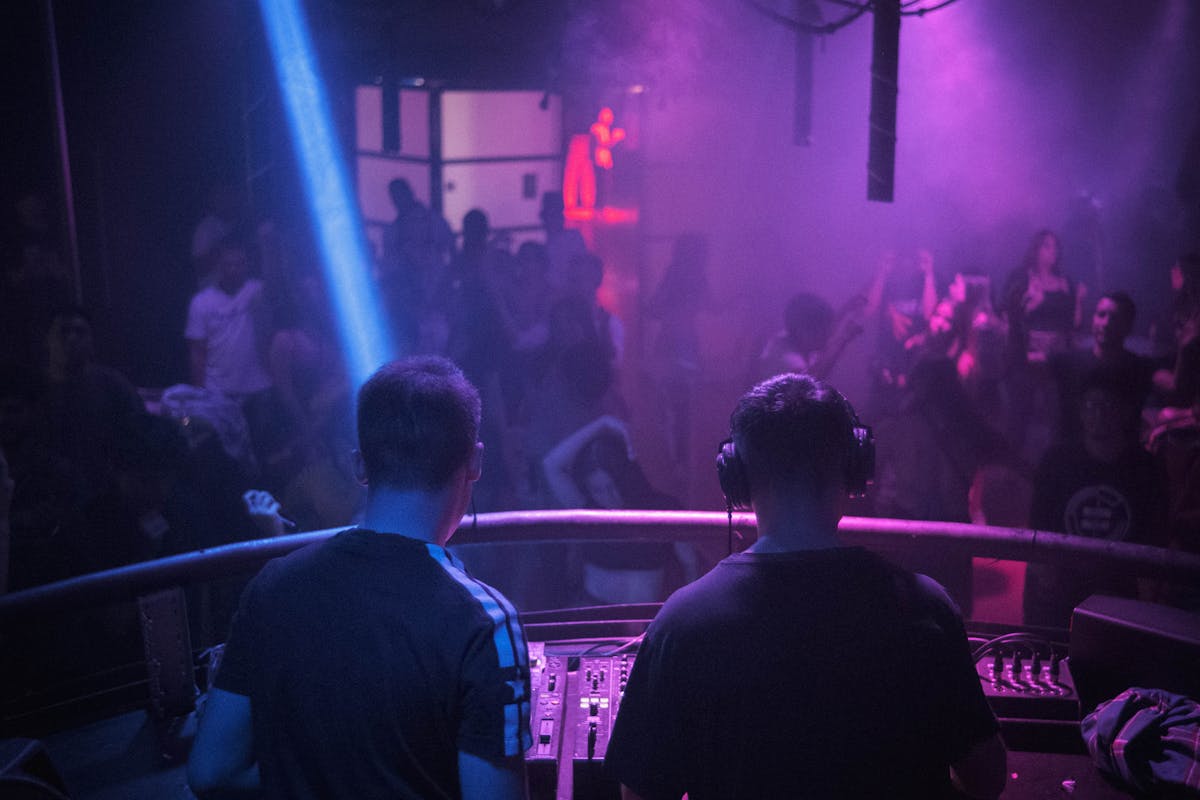
Port Olímpic represents the other extreme from Gràcia—a purpose-built entertainment district designed primarily for tourism and high-energy clubbing. The neighborhood features massive clubs with capacity for thousands, multiple dance floors, international DJs, and a decidedly touristy atmosphere. If you want the full European megaclub experience with laser shows, professional sound systems, and crowds of international revelers, Port Olímpic delivers this without apology. The Barcelona nightlife here is less about authenticity and more about spectacle.
Barcelona’s Premier Club Scene
Barcelona’s club scene encompasses everything from underground electronic venues to massive dance temples. The city has hosted major electronic and dance music festivals and attracts top international DJs regularly.
Razzmatazz stands as one of Europe’s most respected electronic music venues, featuring five distinct dance floors across multiple levels, each hosting different genres and vibes. The energy here is genuine and music-focused rather than drinks-focused, attracting serious dancers and electronic music enthusiasts. Entry typically costs €20-25.
Sala Apolo functions as a versatile venue hosting live bands, electronic DJs, and everything between. The original venue has historic significance in Barcelona’s live music scene, with a palpable sense of musical heritage. The atmosphere depends entirely on who’s performing, but consistently attracts quality artists and engaged audiences.
Opium epitomizes Barcelona’s high-end club experience, with multiple floors, lounges, and table service. Located near the waterfront, Opium attracts international visitors and Barcelona’s wealthier residents. The club’s Barcelona nightlife reputation rests on professional sound, attractive crowds, and a dress code that enforces a certain aesthetic standard (smart-casual minimum).
Pacha Barcelona brings the internationally recognized Pacha brand to the city, featuring the professional production values and international DJs that Pacha clubs are known for. Entry fees run €25-35, and the crowd tends toward those comfortable with higher spending levels.
Input Club represents Barcelona’s more underground electronic music side, hosting techno and house music in a warehouse-style venue with serious sound infrastructure. The crowd here is genuinely interested in music rather than scene, and the Barcelona nightlife experience feels more bohemian than commercial.
Moog offers electronic music in a smaller, more intimate setting, with a focus on innovative sounds and emerging artists. The venue’s Barcelona nightlife importance lies in its curation rather than its size—Moog champions experimental electronic music that wouldn’t fill bigger venues but attracts devoted listeners.
Across all these clubs, typical dress codes require closed-toe shoes and neat appearance; athletic wear and beachwear are universally rejected. Guest lists often exist for popular clubs—asking at your hotel’s concierge or checking venue websites might secure free or reduced entry.
Best Bars and Cocktail Lounges
Barcelona’s bar scene encompasses everything from historic vermuterias serving the same drinks for decades to innovative craft cocktail establishments pushing mixology boundaries.
The craft cocktail scene in Barcelona has matured significantly, with several bars achieving international recognition. These establishments employ trained mixologists who understand cocktail history and technique, creating drinks that balance tradition with innovation. Expect to pay €10-12 for a quality cocktail—higher than vermut bars but reasonable by international standards.
Vermuterias represent authentically Barcelona Barcelona nightlife—traditional bars serving vermouth from wooden taps, accompanied by simple food like olives, anchovies, or potato chips. The ritual is precisely calibrated: vermouth served cold over ice with a siphon of soda, often with a toothpick spearing an olive or anchovy. Prices here are remarkably cheap, usually €2-4 per vermouth. These spaces have barely changed in decades and offer genuine cultural immersion in Barcelona’s drinking traditions.
Wine bars in Barcelona range from casual neighborhood establishments to serious wine-focused venues with trained staff and extensive lists. Natural wine has become increasingly popular, with several Barcelona venues specializing in biodynamic, orange, or other unconventional wines. These spaces offer excellent value and genuine expertise from staff who genuinely care about what they’re serving.
Craft beer bars have proliferated across Barcelona, with dedicated establishments offering local Barcelona breweries alongside international selections. The Barcelona beer culture is growing but remains less developed than wine or cocktail culture, meaning craft beer bars often feel contemporary and experimental rather than steeped in tradition.
Speakeasies—hidden bars disguised behind unmarked doors or concealed in other establishments—have become fashionable in Barcelona. These venues typically maintain exclusivity through unmarked entrances and word-of-mouth reputation, creating an sense of discovery for those who find them. Entry often requires knowledge of a specific detail or reservation through the right channels.
Rooftop Bars and Terrace Drinks

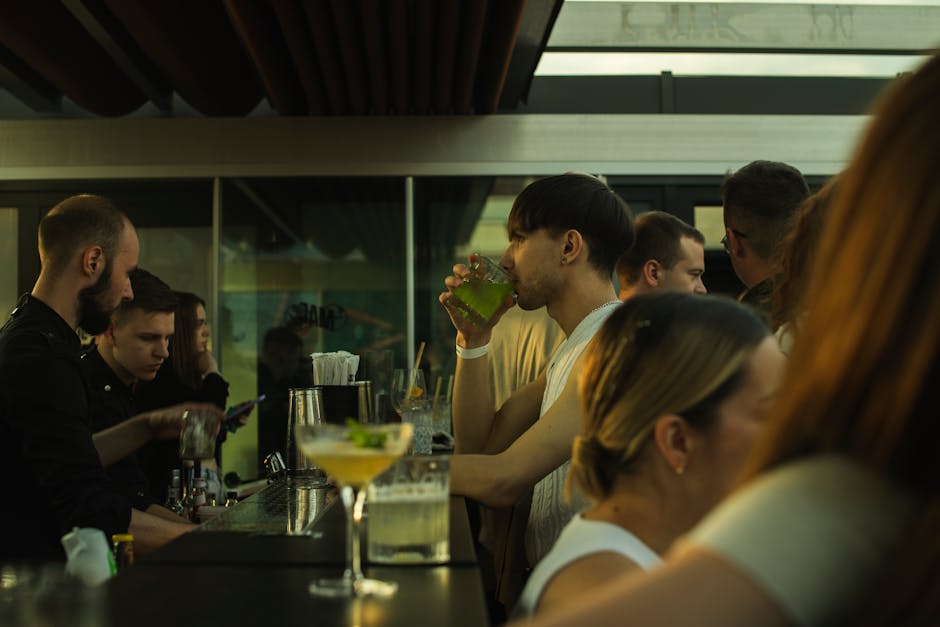
Barcelona’s rooftop bars offer incomparable city views, making them essential Barcelona nightlife experiences, particularly for sunset drinks. These venues capitalize on Barcelona’s warm Mediterranean climate and the city’s architectural beauty, positioning visitors above the street-level chaos while maintaining sophisticated atmospheres.
Hotel rooftop bars dominate this category, with many luxury hotels opening their rooftop terraces to non-guests for drinks. These venues invest heavily in design, staffing, and drink quality, meaning prices run significantly higher than neighborhood bars—expect €8-12 for beer, €12-16 for cocktails. However, the views often justify the premium.
The seasonal terrace culture brings Barcelona neighborhoods alive during warm months. Nearly every bar and restaurant spreads tables onto sidewalks and plazas, creating outdoor drinking spaces from spring through autumn. These terraces become social focal points where Barcelona’s Barcelona nightlife truly happens in the early evening, before people transition to dedicated clubs later.
Sunset times vary seasonally, but spring and summer sunsets occur between 8 and 9:15 PM. Planning to arrive at rooftop bars by 7:30 or 8 PM ensures you capture golden hour while securing decent seating. As the night deepens, these venues transition from sunset-watching crowds to late-night drinking scenes.
Live Music, Jazz, and Flamenco

Barcelona’s live music scene offers authentic Spanish traditions alongside contemporary genres, making it a crucial component of the city’s Barcelona nightlife offerings.
Jamboree operates as Barcelona’s most famous jazz venue, located in the Gothic Quarter and featuring live performances nightly. The intimate basement setting creates genuine acoustic experiences, though the tourist-oriented programming sometimes prioritizes accessibility over experimental music. Jamboree charges €15-20 for entry plus drink minimums, but the venue’s historic significance and consistent booking of quality musicians justifies the cost for jazz enthusiasts.
Harlem Jazz Club offers a grittier, more authentic jazz experience than Jamboree. Located slightly off the beaten path, Harlem attracts more serious jazz musicians and devoted fans. The venue books both established and emerging artists, with programming that reflects genuine musical diversity rather than tourist appeal. The Barcelona nightlife experience here feels more genuine.
Flamenco represents an entirely different Barcelona nightlife tradition—one rooted in passionate Spanish culture rather than contemporary club scenes. Several tablaos (traditional flamenco performance venues) operate in Barcelona, featuring live musicians and dancers performing the intense, emotional flamenco tradition. These venues typically charge €40-60 for entry and drinks, making them more expensive than most Barcelona nightlife experiences but offering something profoundly different from dance clubs or jazz bars. The Barcelona nightlife authenticity of flamenco lies in its centuries-old tradition and emotional intensity.
Alternative music venues scattered across neighborhoods like Gràcia and Poble Sec host indie bands, experimental musicians, and emerging artists. These spaces might charge small entry fees (€5-10) or ask for drink purchases, with programming that changes nightly. The Barcelona nightlife scene here prioritizes artistic merit and creative expression over commercial appeal.
Rooftop Bars and Cocktail Culture
Rooftop bars have become increasingly central to Barcelona’s Barcelona nightlife landscape. Beyond hotel rooftops, creative venues have transformed terraces, patios, and architectural spaces into drinking destinations that capitalize on the city’s Mediterranean climate and stunning vistas.
Spring and summer bring the fullest rooftop bar crowds, with sunset aperitivos becoming nearly ritualistic for residents and visitors. The pre-dinner drinking hours (7-9 PM) transform these spaces into social stages where Barcelona’s nightlife slowly gains momentum. By 10 or 11 PM, many rooftop bar crowds thin as people head to dinner, but the best rooftop venues maintain activity throughout the night.
Dress codes at rooftop bars tend toward smart-casual—shorts and sandals are often acceptable during the day or early evening, but later nights require neater presentation. Many upscale rooftop venues enforce stricter codes, requiring closed-toe shoes and prohibiting athletic wear or beachwear.
LGBTQ+ Nightlife and Barcelona’s Inclusive Scene

Barcelona has earned international recognition as one of Europe’s most LGBTQ+-friendly cities, with a thriving and visible queer nightlife scene concentrated primarily in the Eixample neighborhood—colloquially known as “Gaixample” (Gay Eixample). This area has become increasingly commercialized and touristy over recent years, but it remains an important cultural space and social hub for LGBTQ+ Barcelona residents.
The Barcelona Barcelona’s nightlife scene scene for LGBTQ+ visitors encompasses dedicated gay bars, lesbian venues, and inclusive clubs that welcome everyone. Barcelona Pride, celebrated each June, transforms the city with parades, performances, and expanded nightlife programming. Even outside Pride season, the city’s progressive attitude and substantial queer community ensure visible representation and welcoming environments across most venues.
LGBTQ+ venues in Barcelona range from casual neighborhood bars to high-energy dance clubs, with programming that ranges from laid-back happy hours to elaborate drag shows and dance parties. The going out in Barcelona scene here feels authentically queer—not designed for straight tourists but genuinely built around LGBTQ+ community and culture.
FC Barcelona and Sports Entertainment
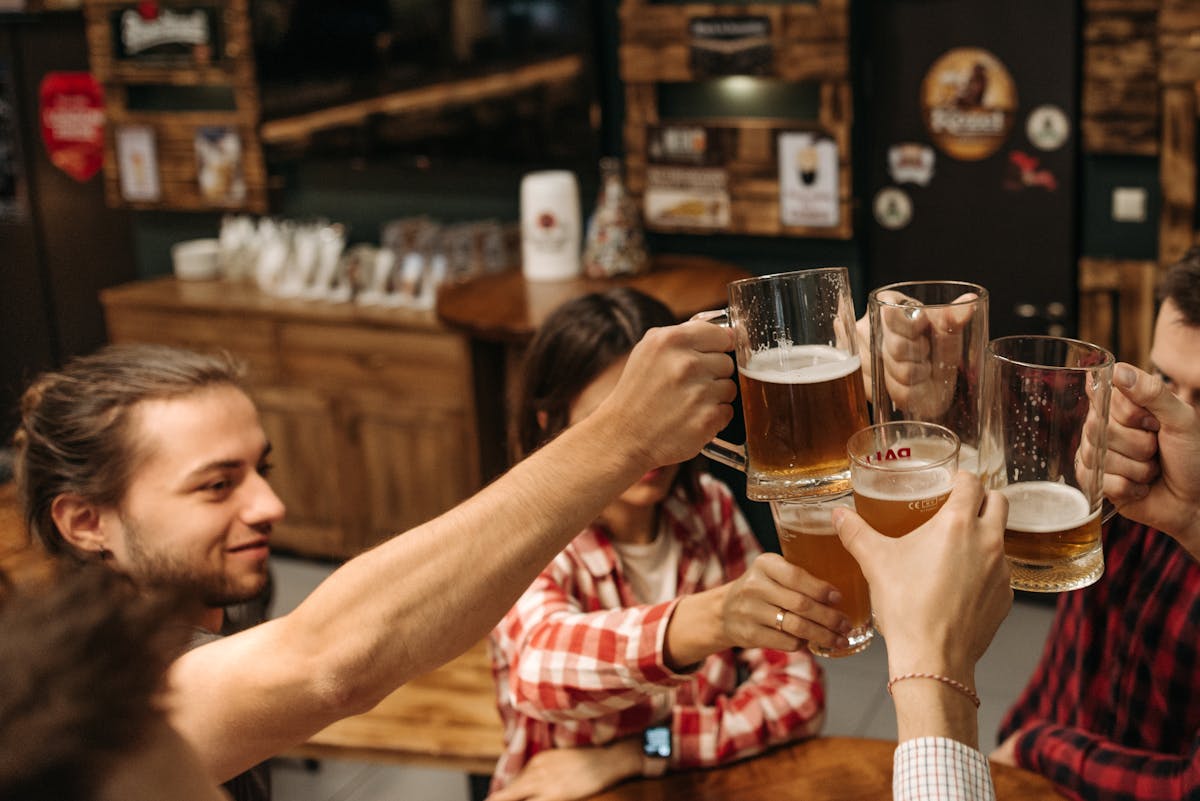
FC Barcelona matches create unique Barcelona Barcelona’s club scene contexts—before, during, and after games, the city’s sports bars fill with passionate supporters, creating electric atmospheres that rival club venues.
FC Barcelona match days transform neighborhoods into celebration zones when Barça wins and commiseration centers when they lose. Sports bars throughout the city set up massive screens, and the passion displayed—chanting, singing, occasional tears—demonstrates how deeply football is embedded in Barcelona culture.
The the Barcelona bar scene experience on match days is genuinely different from typical nights. Arriving at a bar early ensures seating for matches, and the social atmosphere is about shared passion rather than sophisticated drinking. After evening matches, many fans continue celebrating in traditional bars and clubs well into the night, their excitement amplifying the overall Barcelona’s evening entertainment energy.
Beyond football, Barcelona hosts various sporting events that generate similar nightlife reactions—basketball, handball, and other sports with dedicated local followings create their own entertainment ecosystems within Barcelona’s broader the city’s night scene scene.
Theatre, Opera, and Cultural Evenings
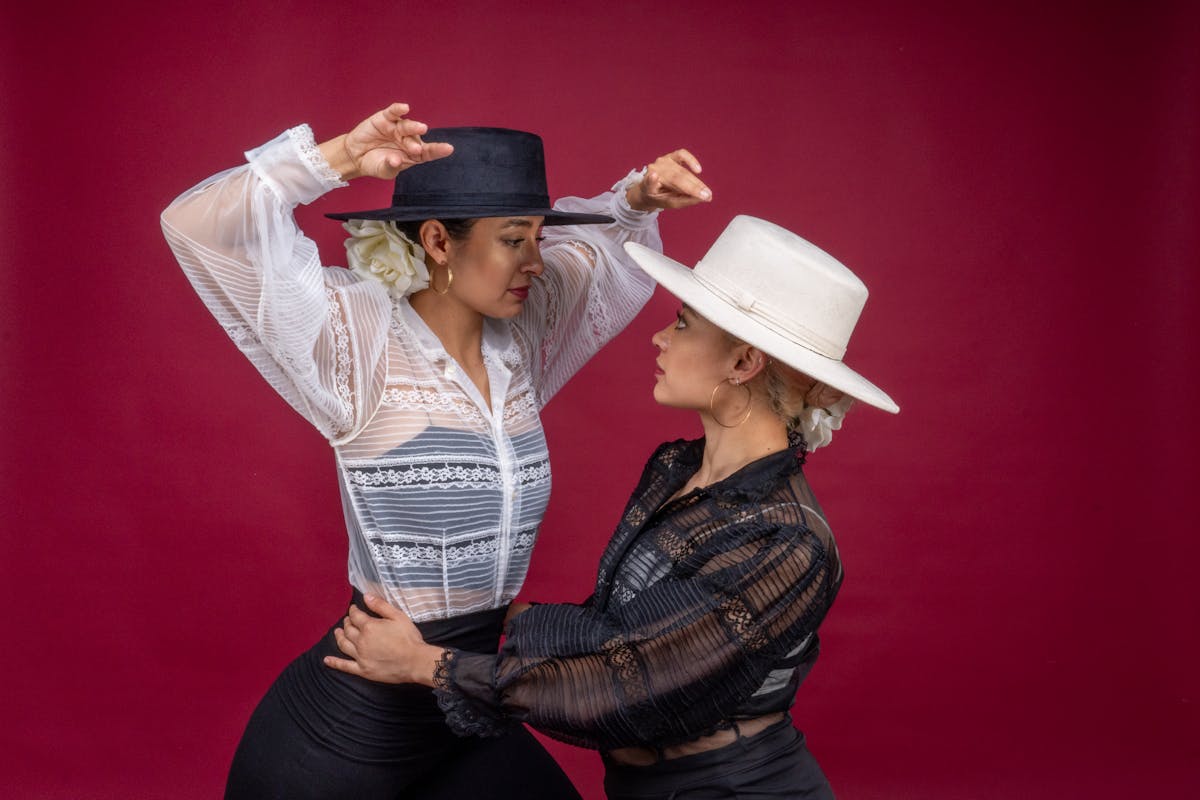
Theatre and opera performances represent a sophisticated dimension of Barcelona’s Barcelona after hours scene distinct from club culture.
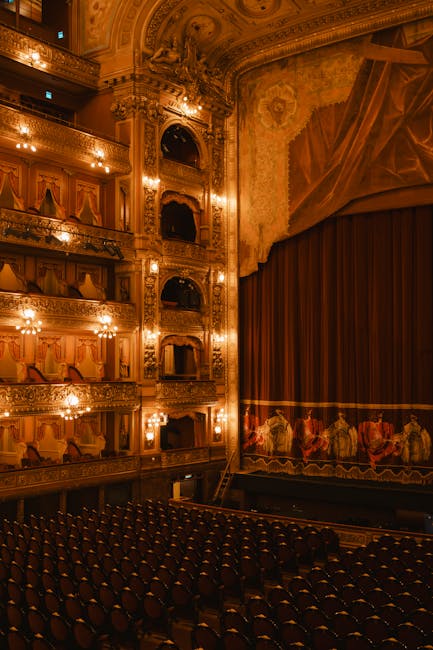
Gran Teatre del Liceu stands as Barcelona’s historic opera house, hosting classical ballet, opera, and orchestral performances. The Liceu’s ornate interior architecture and committed programming make evening performances genuinely memorable. Performance schedules vary seasonally, with traditional opera season running September through June. Ticket prices range from €15-40 for cheaper seats up to several hundred euros for premium orchestra seating.
Palau de la Música Catalana hosts concerts ranging from classical to contemporary, with a stunning modernist interior that makes performances memorable regardless of programming quality. The venue attracts internationally recognized artists and established orchestras, making it consistently worth checking for upcoming performances.
Alternative theatre venues scattered throughout Barcelona host experimental performances, cutting-edge drama, and unconventional productions. These spaces often cost €10-20 and feel genuinely creative rather than commercial. Barcelona’s theatre scene reflects the city’s artistic energy and avant-garde traditions.
Practical Tips for Barcelona’s Nightlife
Getting Home Safely and Efficiently
Barcelona’s metro closes around midnight, meaning late-night club-goers must rely on taxis, ride-shares, or night buses. Night buses operate on limited routes but do serve major neighborhoods. Taxis are relatively inexpensive and can be hailed from streets or restaurants; ride-shares operate throughout the city. Budget €10-20 for typical taxi rides home depending on distance. Designating a sober person to manage transportation or booking rides in advance prevents dangerous decision-making at 4 AM.
Safety Considerations
Barcelona’s Barcelona’s nocturnal side areas are generally safe, but typical urban caution applies. Pickpocketing occurs in crowded venues and on public transport; keep valuables secure and avoid displaying expensive phones or jewelry. Travel in groups, let someone know where you’re going, and stay aware of surroundings. Most neighborhoods with active nightlife have visible police presence during evening hours.
Dress Codes and Appearance
Dress codes vary significantly depending on venue type. Casual bars accept almost any neat appearance, while upscale clubs enforce stricter standards—closed-toe shoes, collared shirts for men, and neat presentation for everyone. Beachwear and athletic wear are rejected almost universally by clubs. Researching specific venue codes in advance prevents frustrating rejections at doors.
Entry and Guest Lists
Many Barcelona clubs operate guest list systems where hotels, tour companies, and bar staff can secure free or discounted entry for clients. Asking your accommodation’s concierge whether they maintain club connections might save €10-20 per person. Guest lists typically mean free entry before midnight or 1 AM; entry after these times usually requires payment.
Budget Planning
Barcelona’s the Barcelona nightlife scene costs vary dramatically by venue type. Vermut bars cost €2-4 per drink, neighborhood bars €5-7, craft cocktail bars €10-12, rooftop bars €8-12 for beer and €12-16 for cocktails, and club drinks €10-15. Club entry fees add €15-25. Budget-conscious visitors can enjoy excellent nights spending €25-40 per person by focusing on bars and early evening drinking; those seeking premium club experiences should budget €60-100+. Pre-drinking at cheaper venues before hitting clubs reduces overall spending significantly.
Best Nights to Go Out
Weekends (Thursday through Saturday nights into Friday-Sunday mornings) bring the largest crowds and highest prices. Weeknights often feature superior music programming with more experimental lineups and smaller but more engaged crowds. Tourist season (June-August) brings heavier crowds and higher prices; off-season months offer better value and more authentic local scenes. First of the month and major event dates (Pride, New Year’s Eve) require advance planning.
Language Considerations
Spanish remains the most useful language for Barcelona Barcelona’s entertainment district, though Catalan is also widely spoken. Many bar and club staff speak English, especially in touristy areas, but learning basic Spanish phrases (“Un vermut, por favor,” “Dos cervezas”) enhances interactions and shows respect. English-language names and descriptions are available for cocktails and drinks, though Spanish menus often provide better value.
Experiencing Barcelona’s Nightlife Like a Local
Genuinely experiencing Barcelona’s Barcelona’s vibrant nights requires embracing the local rhythm rather than imposing outside expectations. Start with dinner around 9 PM at a proper restaurant rather than a tourist-oriented place. Move to a vermut bar or terrace for pre-drinks around 10:30-11 PM, lingering and genuinely socializing rather than rushing through drinks. Save clubs for after 1 or 2 AM, when you’re genuinely ready for dancing and high energy. Budget time for spontaneous detours—some of Barcelona’s best nighttime Barcelona moments come from stumbling into unknown bars based on vibes and recommendations.
Following Barcelona’s late-night culture rather than fighting it transforms the experience entirely. Embracing the 2-5 AM club time, accepting that nightlife happens after most international visitors expect it, and recognizing that quality matters more than intensity distinguishes those who travel to Barcelona from those who genuinely experience it.
For more comprehensive planning, explore things to do in Barcelona beyond nightlife, discover Barcelona’s neighborhoods and their distinct characters, and learn how to get around Barcelona efficiently. The complete Barcelona travel guide offers additional context for crafting your ideal visit.
Barcelona’s Barcelona’s late-night culture scene ultimately succeeds because it prioritizes genuine human connection, quality over commercialism, and cultural authenticity alongside contemporary innovation. Whether you’re seeking sophisticated cocktails, traditional flamenco, underground electronic music, or simple vermouth and conversation, Barcelona’s nights deliver experiences that justify the city’s reputation as one of Europe’s premier nightlife destinations.
Additional Resources and Planning
Specialized guides offer deeper dives into specific aspects: discover the best clubs in Barcelona, find the best bars in Barcelona, explore live music venues in Barcelona, check out guided Barcelona pub crawls, and explore theatre and opera in Barcelona for cultural evenings.
Timeout Barcelona provides contemporary venue reviews and event listings; Wikipedia’s Barcelona page contains historical context about neighborhoods and cultural institutions. The official Barcelona tourism website maintains current information about special events and seasonal programming.
Barcelona’s Barcelona evening life awaits—late, energetic, sophisticated, and genuinely memorable. Come prepared with patience for late hours, openness to unfamiliar experiences, and appreciation for a culture that has perfected the art of the evening.