We get commissions for bookings made through this post. Booking links, and any accommodation options shown on the page, are handled by a partner that adds commission tracking automatically. It never costs you more, and it never affects what we recommend. Affiliate disclosure
Barcelona is one of Europe’s most walkable and well-connected cities, making it remarkably easy to explore no matter your budget or timeline. Whether you’re planning a weekend visit or an extended stay, understanding your transportation options is essential to making the most of your time in this vibrant Mediterranean metropolis. From the efficient metro system to charming trams and scenic cable cars, getting around Barcelona is straightforward once you know what’s available and how each option fits your needs.
This comprehensive guide covers every transportation method available in Barcelona, from public transit to cycling to international connections. You’ll discover practical tips for saving money, avoiding crowds, and navigating the city like a local.
The Metro: Barcelona’s Backbone of Urban Transportation
The Barcelona Metro is the fastest and most reliable way to get around Barcelona, especially for traveling longer distances quickly. This extensive network comprises 12 color-coded lines serving over 180 stations across the city and surrounding areas. The system is modern, clean, and runs frequently throughout the day and night, making it the preferred choice for most visitors and residents alike.
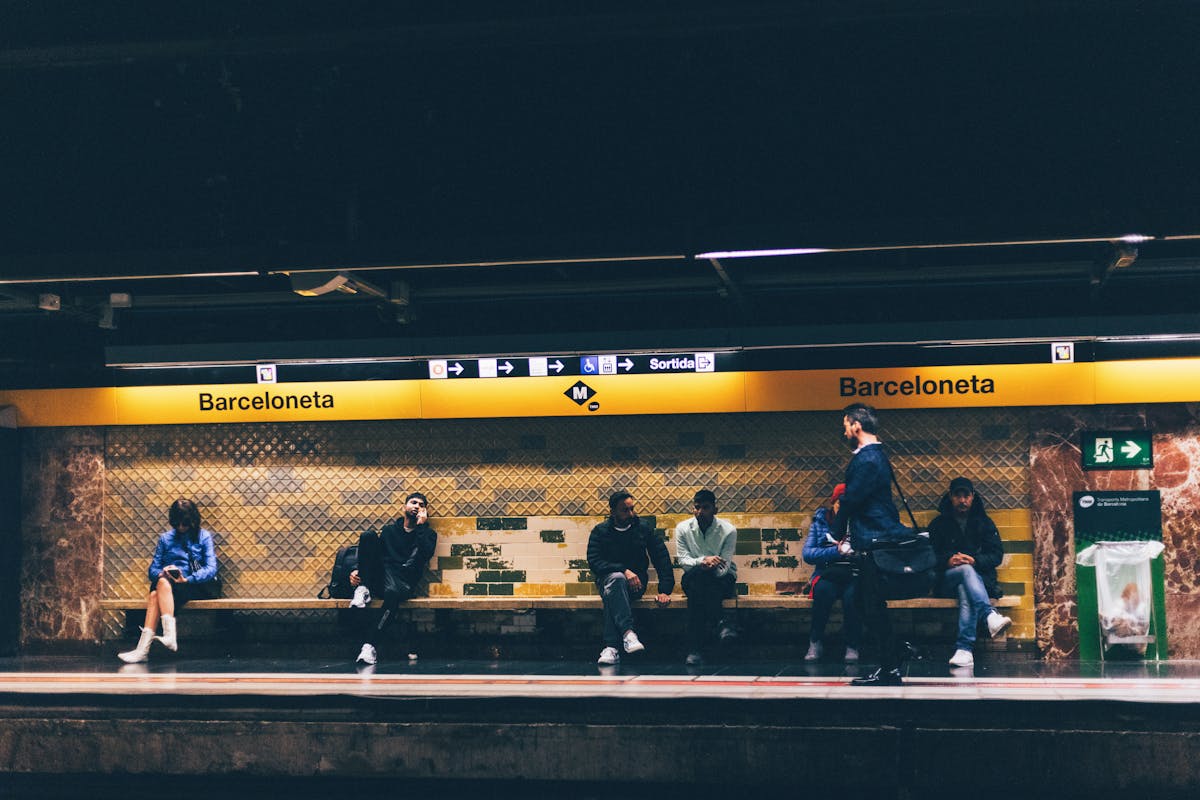
For tourists, the most important metro lines are L1 (Red), L2 (Purple), L3 (Green), L4 (Yellow), and L5 (Blue). These lines connect major attractions and neighborhoods throughout the city. The L3 line, for example, runs from the airport to Universitat station near Plaça de Catalunya, while the L2 line serves Montjuïc and connects to the Gothic Quarter.
The Barcelona Metro operates from approximately 5 a.m. to midnight on weekdays, with extended hours until 2 a.m. on Fridays and Saturdays and until 1 a.m. on Sundays. Night service is also available through the NitBus network, which we’ll discuss in detail later. Getting around Barcelona using the metro means you’ll rarely wait more than five minutes for a train during the day, and stations are generally well-lit and safe.
Understanding how to navigate the Barcelona Metro is straightforward. Signs are clearly marked in Catalan, Spanish, and English. Simply find your destination station on the map, note the line color and direction, and follow the signs to the correct platform. Most tourists find the system intuitive after a single trip.
The L9 and L10 lines deserve special attention if you’re flying into Barcelona, as the L9 connects directly to Barcelona-El Prat Airport. This metro connection is often cheaper and more direct than alternative airport transfers, though it requires a short walk with luggage. Each Barcelona Metro line has a distinct character and serves different neighborhoods, so learning which line serves your hotel or main attractions will streamline your visit significantly.
Accessibility on the Barcelona Metro has improved dramatically in recent years, with most central stations now equipped with elevators. However, some older stations still lack modern accessibility features, so checking ahead if you have mobility concerns is advisable when getting around Barcelona.
The Bus Network: Flexibility and Local Perspective
Barcelona’s bus system complements the metro perfectly, offering a different way to experience neighborhoods while getting around Barcelona. With over 100 bus routes covering every corner of the city, buses provide flexibility that the metro sometimes can’t match, particularly for reaching specific addresses or exploring less central areas.
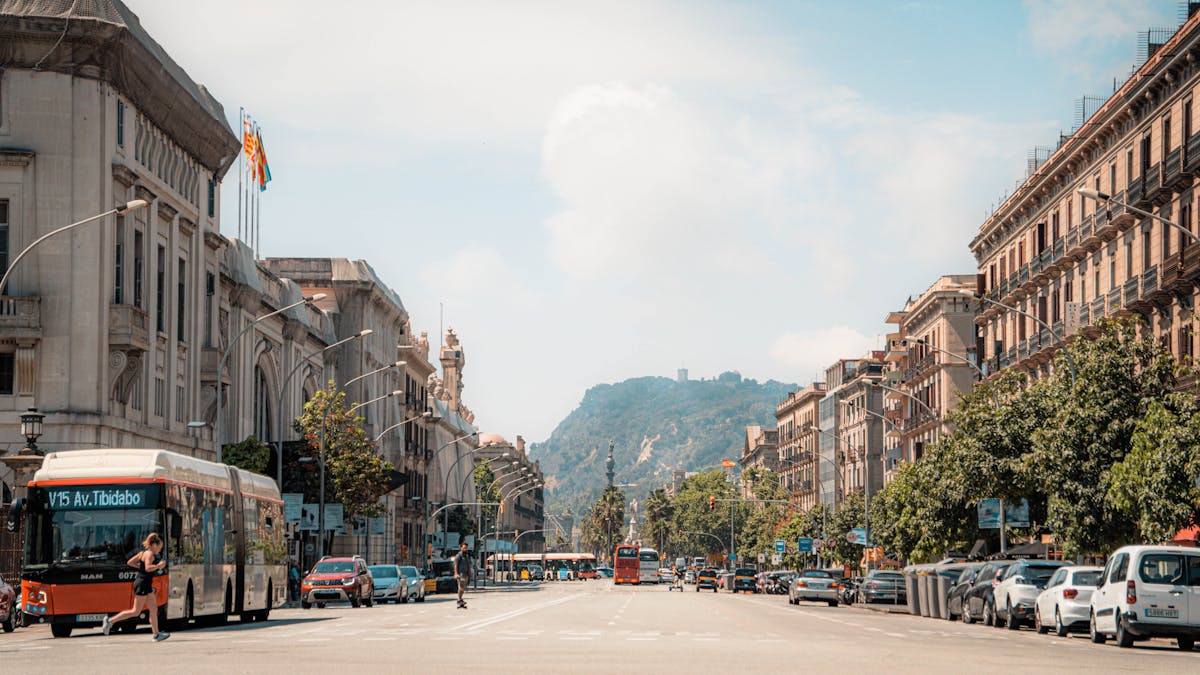
Most tourists use buses less frequently than the metro simply because metro is faster, but buses offer several distinct advantages. You see the city as you travel, making buses ideal for understanding Barcelona’s layout and neighborhoods. Bus routes are logical and straightforward once you master reading the signs at bus stops. Getting around Barcelona by bus is particularly useful for traveling horizontally across the city or reaching areas that the metro doesn’t serve directly.
Buses operate from approximately 5 a.m. until around 11 p.m., with reduced service on Sundays and holidays. The NitBus network takes over after these hours, providing night service on 16 routes with buses running every 20-30 minutes. This night transit system is invaluable if you’re visiting bars, clubs, or catching late flights, and it’s cheaper than taxis for getting around Barcelona after midnight.
Getting on a Barcelona bus requires the same ticket or travel card you’d use for the metro (discussed in the next section). Simply tap your card at the reader near the driver, find a seat or standing space, and listen for your stop announcement or watch the electronic display. Buses are generally clean, safe, and staffed with helpful drivers who understand that tourists often board their vehicles.
The Aerobus service deserves mention as a specialized bus option for airport transfers. These dedicated buses run between the airport and Plaça de Catalunya every 5-10 minutes and are specifically designed for travelers with luggage. While more expensive than the metro, they’re more convenient if you have heavy bags or multiple suitcases, eliminating the need to navigate stairs and narrow metro corridors when getting around Barcelona from the airport.
Tickets and Travel Cards: Making the Right Choice
Navigating Barcelona’s ticketing system doesn’t have to be complicated, though the options available can seem overwhelming at first. Your choice of which ticket to purchase significantly impacts both your budget and convenience when getting around Barcelona.
The simplest option is a single journey ticket, which costs €2.55 and allows one trip on any bus, metro, tram, or local train within Zone 1 (the central city area where most tourists spend their time). However, if you’re taking more than a couple of trips, a travel card offers much better value.
The T-Casual ticket offers 10 journeys for €13.00, making each trip approximately €1.30. This represents excellent value for visitors planning to use public transit multiple times. The T-Casual card is valid for multiple users—two people can share it for five journeys each, making it even more economical for couples or small groups getting around Barcelona together.
For longer stays, the Hola Barcelona card provides unlimited travel on all public transport for consecutive days: one day costs €11.35, two days €22.65, three days €34, four days €45.40, and five days €56.75. This card includes airport transfers via metro and NitBus, making it particularly valuable if you’re planning to move around Barcelona frequently throughout your stay.
The T-Mobilitat card represents Barcelona’s most modern ticketing option. This contactless smart card can be purchased at metro stations and loaded with various travel products. Many residents and regular visitors prefer this reusable card because it works for multiple journeys and integrates with the entire public transport system. Getting a T-Mobilitat card costs €2 for the card itself, then you add travel credit as needed.
For getting around Barcelona efficiently, we recommend the T-Casual ticket for most tourists staying three to five days, and the Hola Barcelona card for week-long visits or very active travelers. Purchase your chosen ticket at airport metro stations, at any metro station kiosk, or at convenience stores throughout the city. The system is designed with tourists in mind, and staff are generally helpful when you’re getting around Barcelona and need guidance on which option suits your needs.
Getting From the Airport to the City: Your Transfer Options Compared
Barcelona-El Prat Airport is located about 12 kilometers southwest of the city center, with several excellent options for getting around Barcelona from the airport to your hotel. Your choice depends on your budget, luggage situation, time constraints, and comfort preferences.
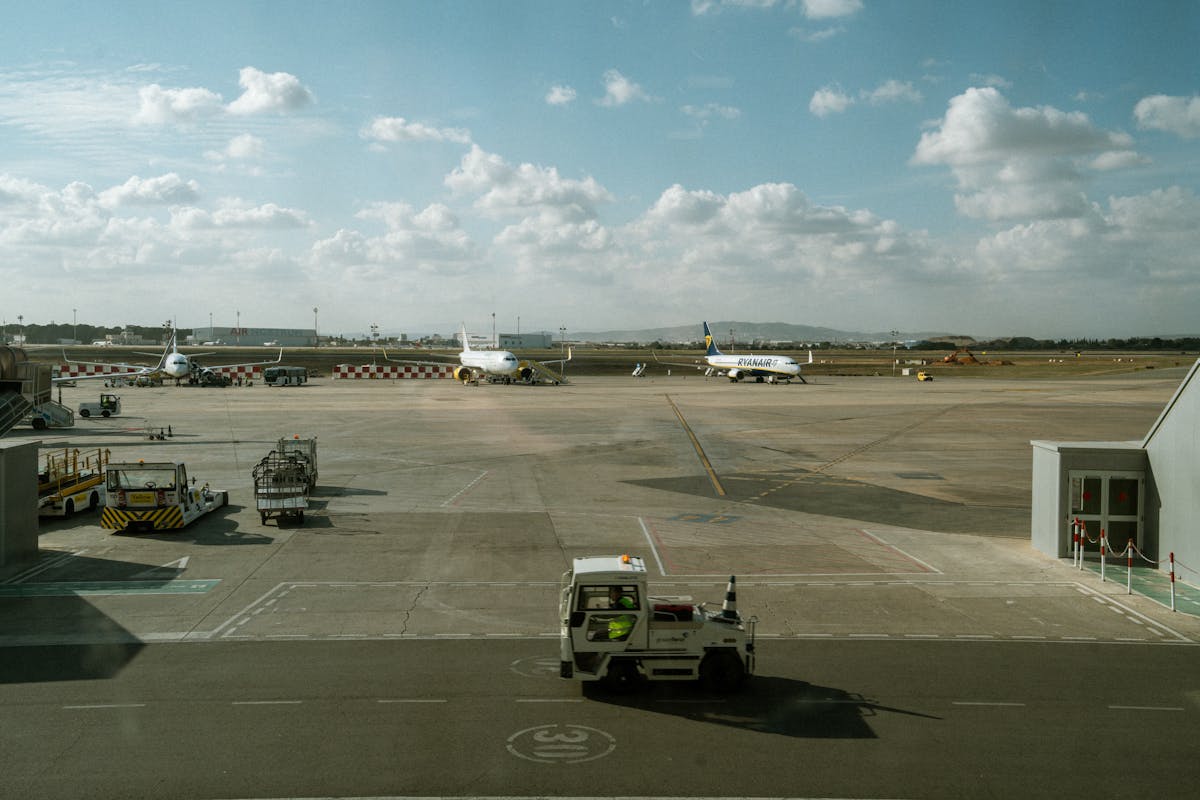
The Barcelona Metro L9 line offers the most economical option, connecting directly to the airport terminals and running to central locations like Plaça de Catalunya in about 30 minutes. A single airport journey costs €5.15 with a standard ticket, or you can include it in the Hola Barcelona travel card. However, the metro involves navigating stairs and narrow corridors with luggage, and trains can be crowded during peak hours. This option is best for light travelers or those comfortable maneuvering luggage through crowded spaces.
The Aerobus provides a more convenient middle ground. Running every 5-10 minutes between the airport and Plaça de Catalunya, Aerobus takes about 25-30 minutes depending on traffic. A one-way ticket costs €6.15, while round-trip tickets are €11.35. The buses feature luggage racks and are spacious enough for comfortable travel with baggage. Getting to Plaça de Catalunya puts you within walking distance of many central hotels and tourist attractions.
The RENFE train, operated by Spain’s national rail network, offers another public transit option connecting the airport to the city. This train journey takes slightly longer than the metro but stops at more central locations like Barcelona Sants station. Getting around Barcelona via RENFE train costs approximately €5.15 and provides a comfortable seating experience, though you’ll still need to manage luggage transfers.
Taxis from the airport cost approximately €30-40 to central Barcelona under normal conditions, with surcharges sometimes added for airport departures. Ride-hailing services like Uber and Cabify typically charge €20-35 depending on surge pricing, and using these services eliminates the need to navigate public transit with luggage. Taxi or ride-hailing makes sense if you’re traveling with a group, have excessive luggage, or simply prefer direct transportation without transfers.
For the utmost convenience, many hotels and tour companies offer private transfer services that meet you at baggage claim and deliver you directly to your hotel. These typically cost €35-60 depending on vehicle type and distance. While more expensive than public transit, private transfers are ideal for families with young children, elderly travelers, or anyone arriving late at night when getting around Barcelona using regular transit may feel less appealing.
Most travelers find the Aerobus offers the best combination of cost, convenience, and luggage-handling when getting around Barcelona from the airport. However, if you’re staying longer or planning extensive travel, purchasing your Hola Barcelona card at the airport and using the L9 metro makes financial sense despite the luggage challenges.
Walking in Barcelona: The Most Rewarding Way to Experience the City
While this guide focuses on transportation, it’s crucial to emphasize that walking is often the best way to experience Barcelona. The city’s compact size and fascinating neighborhoods reward pedestrians with hidden plazas, local markets, street art, and unexpected discoveries that you’d miss while getting around Barcelona via motorized transit.
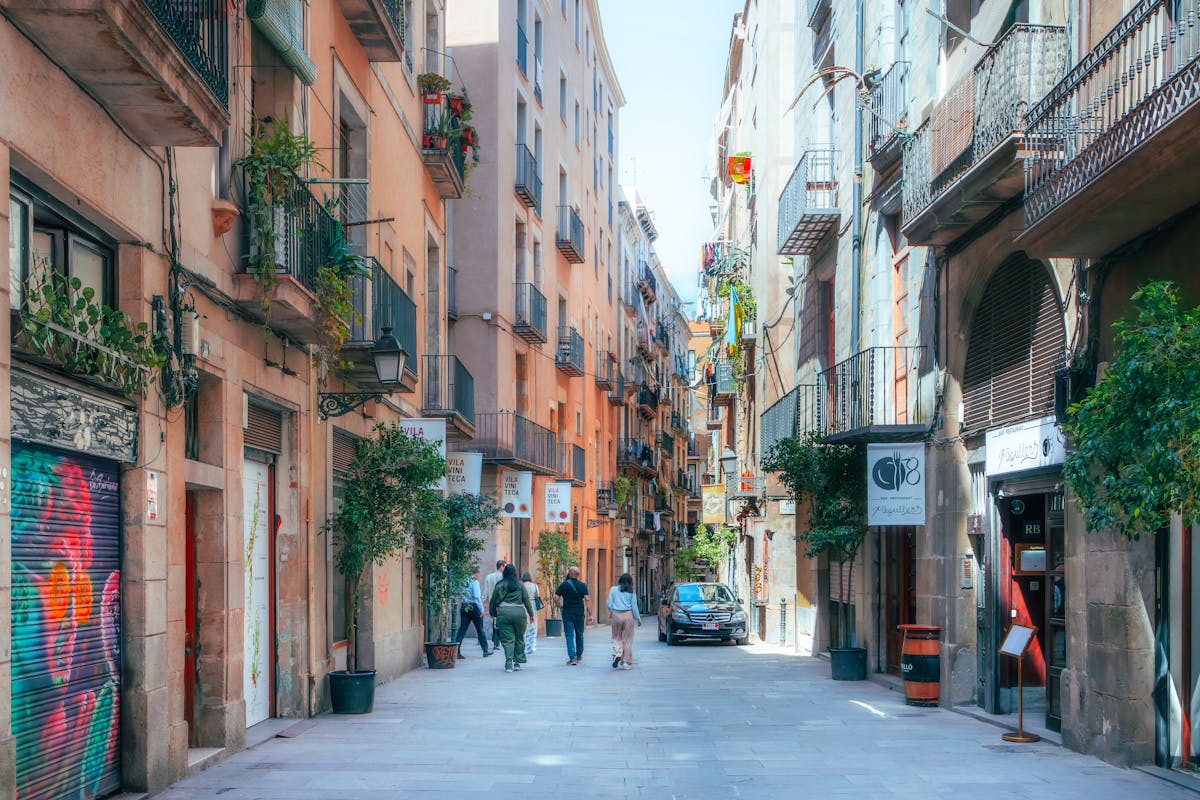
The Gothic Quarter and Born districts are particularly walkable, featuring winding medieval streets perfectly suited to exploration on foot. The distance from Plaça Reial to Barcelona Cathedral is less than 300 meters, yet the journey through these atmospheric quarters reveals countless details. Eixample district, Barcelona’s main shopping and dining area, is also highly walkable with its characteristic wide avenues and grid pattern making navigation intuitive.
From Plaça de Catalunya to Gaudí’s Sagrada Familia is approximately 1.5 kilometers and represents a pleasant 20-minute walk through interesting neighborhoods. Getting around Barcelona on foot between major attractions often proves faster than waiting for transit and results in a much richer experience. The city is surprisingly hilly in some areas, particularly near Montjuïc and toward the Tibidabo viewpoint, but these challenges are manageable for most visitors in decent physical condition.
Safety while walking in Barcelona is generally excellent, particularly in areas frequented by tourists. However, like any major city, petty theft does occur, particularly in crowded areas and on public transit. Keep valuables in front pockets or secure bags, avoid displaying expensive jewelry or electronics, and stay aware of your surroundings, especially at night or in isolated areas. Following these simple precautions allows you to walk confidently while getting around Barcelona without worry.
Comfortable walking shoes are essential when getting around Barcelona on foot. The Gothic Quarter features cobblestone streets that can be challenging in heels, and Barcelona’s many hills demand supportive footwear. Bringing a light layer is advisable even in summer, as narrow historic streets remain surprisingly cool and shaded during hot afternoons.
Walking is the primary transportation method for many neighborhoods and the best way to truly know Barcelona. While motorized transit serves a purpose for covering longer distances efficiently, your feet will carry you through the most memorable parts of the city.
Cycling in Barcelona: Two Wheels Through the City
Barcelona’s dedication to cycling infrastructure makes this an excellent way to get around Barcelona quickly while experiencing the city at street level. With over 200 kilometers of bike lanes throughout the city, cycling offers speed comparable to public transit with unmatched flexibility and independence.
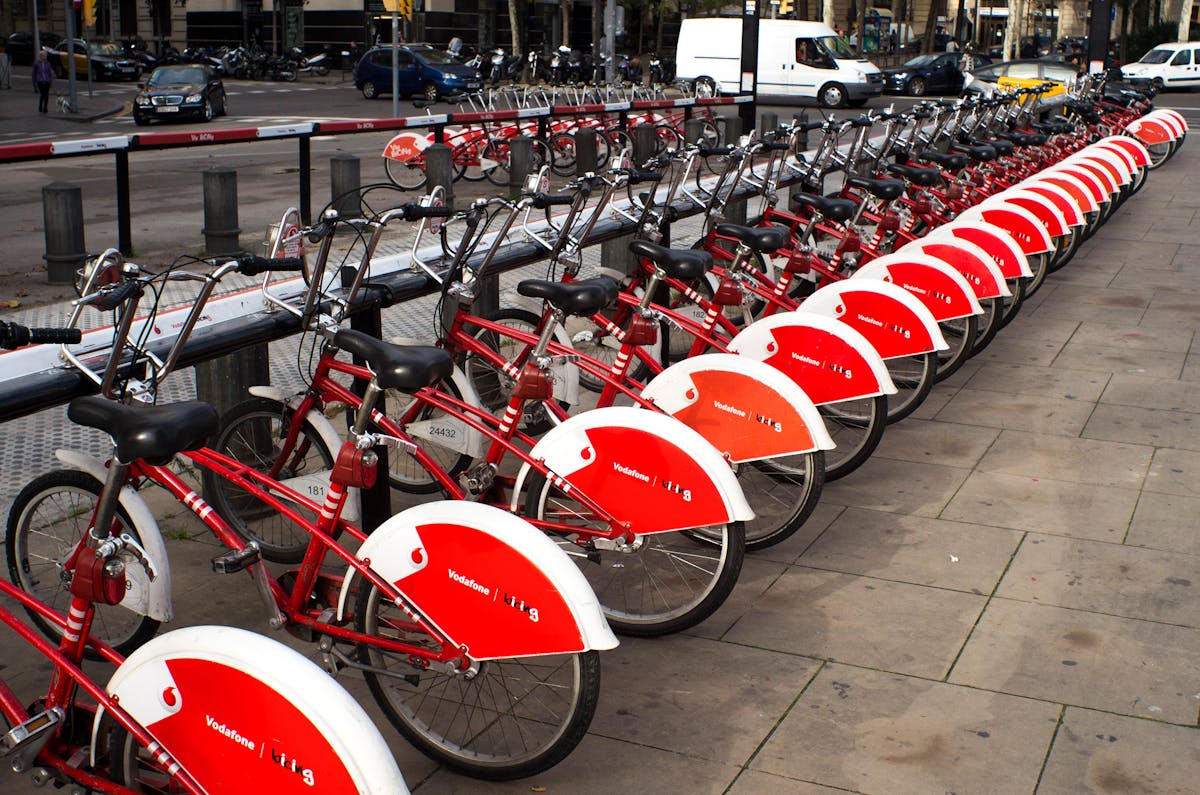
The Bicing system represents Barcelona’s public bike-sharing program, offering access to thousands of bicycles at stations throughout the city. For tourists, the Bicing system is less practical than it is for residents due to subscription requirements, but numerous private bike rental companies offer hourly, daily, or multi-day rentals at very reasonable rates. A basic rental typically costs €10-15 per day for a standard bike, with higher prices for electric or specialty bicycles.
Cycling when getting around Barcelona requires awareness of traffic patterns and comfort riding in urban environments. Barcelona’s traffic can be hectic during rush hours, and some bike lanes share space with cars and buses rather than being fully separated. However, the city continues expanding protected bike lane infrastructure, and many routes offer dedicated cycling space separated from vehicle traffic.
Popular cycling routes include the beachfront paths from Poblenou to Port Vell, offering stunning Mediterranean views while getting around Barcelona. The Sagrada Familia to Park Güell route takes you through interesting neighborhoods and provides uphill challenges that reward cyclists with spectacular views. Getting around Barcelona by bike to Montjuïc is also popular, with various routes offering different difficulty levels and scenic qualities.
Cycling offers particular advantages for getting around Barcelona neighborhoods beyond the touristy center. La Salut, Gràcia, and Sant Antoni neighborhoods are increasingly popular with cyclists thanks to improved bike infrastructure and relaxed traffic patterns. These areas reveal authentic Barcelona life far better than crowded tourist transit routes.
Essential safety considerations when cycling in Barcelona include wearing a helmet (required by law for anyone under 16, and strongly recommended for all), using lights if cycling at night, and being aware that bike theft is common in crowded areas. Always lock your rental bike securely and consider purchasing additional insurance if offered by the rental company. Most rental shops can provide maps showing the safest and most pleasant cycling routes when you’re getting around Barcelona by bike.
Taxis and Ride-Hailing Services: Direct and Convenient Options
When getting around Barcelona requires direct point-to-point transportation, taxis and ride-hailing services provide convenient alternatives to public transit. These options are particularly valuable late at night, with multiple large suitcases, or when traveling to destinations not well-served by metro or bus.
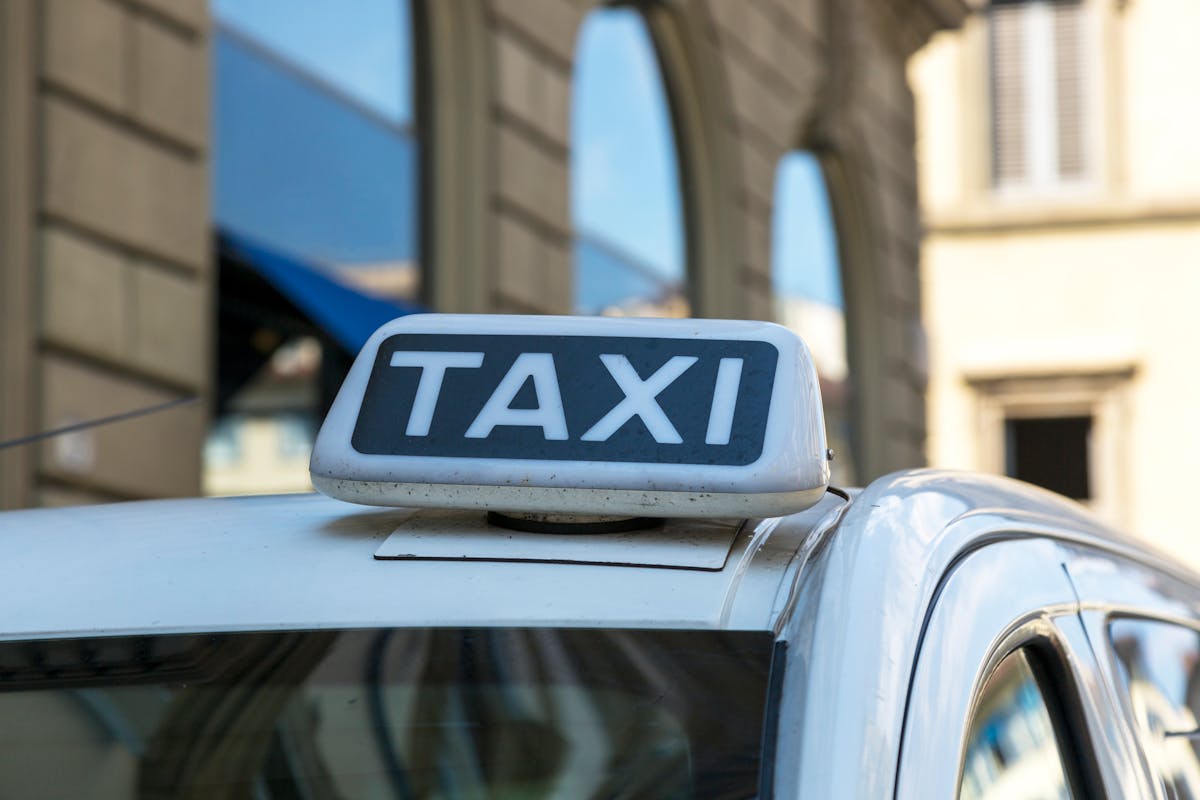
Barcelona’s official taxis are easily identified by their distinctive black and yellow livery. You can catch taxis at designated ranks throughout the city, flag them on the street, or call for a pickup. Barcelona taxis operate on meters with transparent pricing displayed on the vehicle. Base fare is approximately €2.15, with additional charges of €1.07 per kilometer. Most journeys within central Barcelona cost €10-20, though prices increase significantly during peak hours or late at night.
Uber operates in Barcelona and often provides comparable or lower prices than traditional taxis, particularly during surge pricing hours. Cabify offers a similar service emphasizing professional drivers and vehicle quality, appealing to those seeking a more upscale experience when Barcelona transportation. Both services require smartphone apps and payment via credit card, eliminating the need to carry cash.
When using taxis in Barcelona, always ensure the meter is running or agreed upon the fare beforehand if negotiating a set price. Tipping is not obligatory but appreciated, with locals typically adding 5-10% of the fare for good service. Barcelona public transport by taxi is straightforward and generally very safe, with drivers maintaining high professionalism standards.
Ride-hailing services offer advantages including upfront pricing (eliminating surge charge surprises), cashless payment, and the ability to rate your driver and vehicle. However, traditional taxis may be faster to obtain during peak hours or in peripheral neighborhoods where ride-sharing popularity varies. For navigating Barcelona efficiently, having both taxi and ride-hailing apps available provides maximum flexibility.
One consideration specific to Barcelona transit involves airport and train station surcharges. Official taxis levy additional €3.45 charges departing from these locations, but ride-hailing apps typically include surge pricing instead of flat surcharges. This makes ride-hailing occasionally better value for airport transfers depending on demand.
Trains and Day Trips: Exploring Beyond the City Center
Barcelona serves as an excellent base for day trips throughout Catalonia, made possible by extensive rail networks. Understanding these train options expands your possibilities significantly when traveling through Barcelona’s surrounding region.
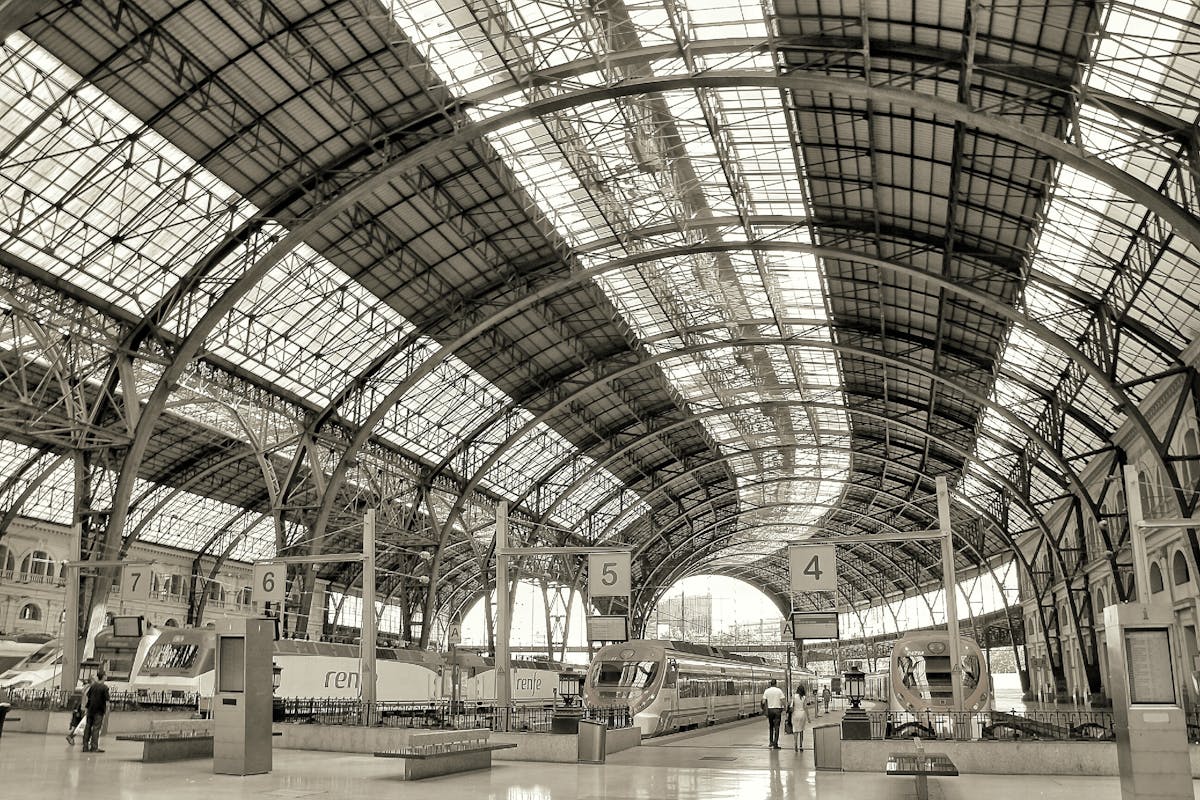
RENFE (Renfe Operadora) operates Spain’s national rail network and manages most long-distance and regional services. Barcelona Sants is the main station serving national and international routes, while Barcelona França station handles some regional traffic. Getting to these stations via public transit is straightforward using the metro or bus networks described earlier in this guide.
Montserrat, a stunning mountain monastery about 50 kilometers from Barcelona, is accessible via RENFE Cercanías (commuter trains). The journey takes approximately 90 minutes and costs around €10-12 for a round trip. Once at Montserrat station, funicular railways and cable cars carry you up the mountainside, making this a complete experience in getting around a beautiful natural area. Many tours and travel guides recommend Montserrat as Barcelona’s most worthwhile day trip.
Sitges, a charming Mediterranean beach town 40 kilometers south, is accessible via Cercanías trains running from multiple Barcelona stations. The journey takes 40-45 minutes and costs approximately €4-6. Getting to Sitges is particularly popular during summer months and perfect for beach days, fresh seafood, and experiencing a more relaxed pace of life while remaining close to Barcelona’s urban excitement.
Girona, a medieval city 90 kilometers north, features stunning historic architecture and served as a major filming location for “Game of Thrones.” RENFE regional trains connect Barcelona to Girona in about 75-90 minutes for approximately €10-15. Getting around Girona’s compact historic center is primarily done on foot, and many visitors find it as rewarding as Barcelona itself while being far less crowded.
FGC (Ferrocarrils de la Generalitat de Catalunya) operates a separate network serving some regional destinations. Barcelona transport options using FGC trains to places like Montserrat or through the beautiful Montseny region provides experiences quite different from central city tourism. FGC stations are separate from metro stations but similarly accessible and easy to navigate.
For serious rail exploration when moving around Barcelona region, consider purchasing a combined ticket that covers metro/bus for Barcelona commuting itself plus train journeys to surrounding destinations. These combined ticketing options offer good value for active visitors planning to explore beyond the city center.
Trams, Funiculars, and Cable Cars: Scenic and Specialty Transportation
Beyond the main metro and bus networks, Barcelona offers several specialized transit methods that serve both practical transportation and tourist attraction purposes. These options, while not essential for most visitors, add charm and variety when Barcelona transit system.
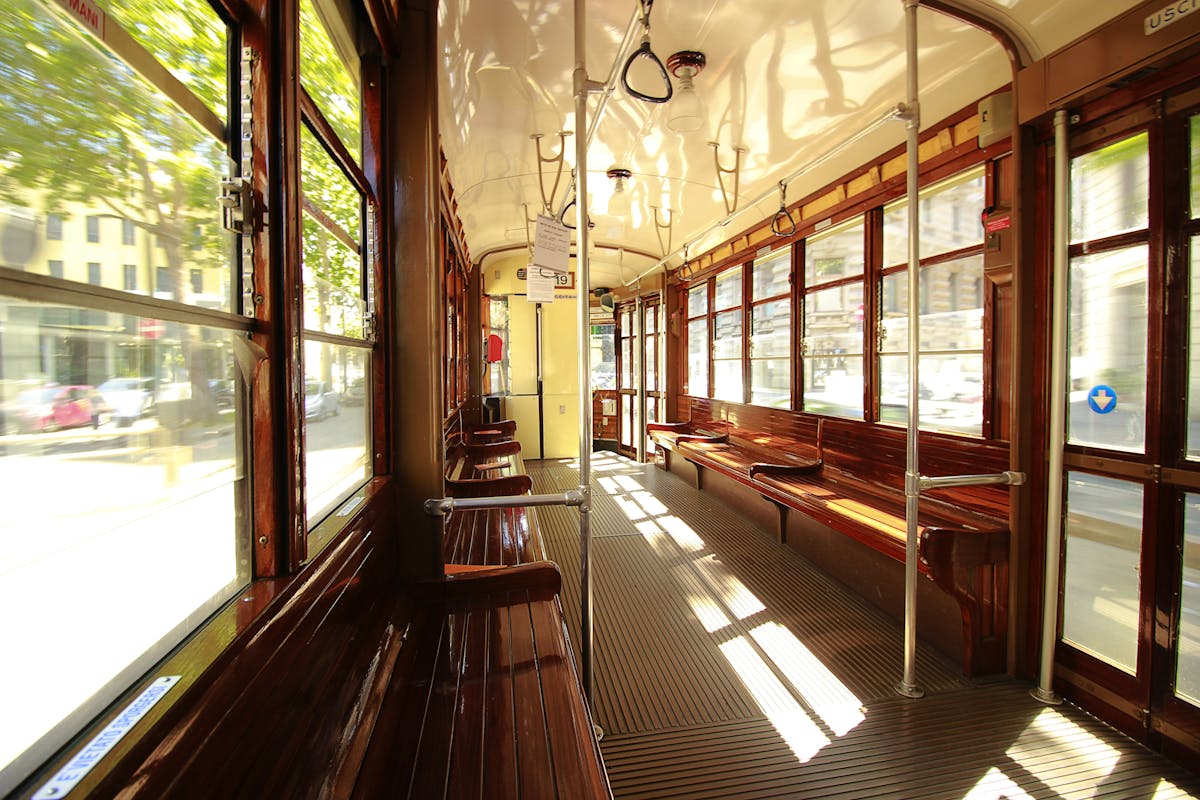
Two tram lines operate in Barcelona: Trambaix and Trambesòs. These vintage-styled trams provide scenic transportation through less touristy areas of the city. While not central to most tourist itineraries, trams offer an authentic public transit experience and the distinctive experience of exploring Barcelona the way locals do in these specific neighborhoods. Both tram lines are included in standard metro/bus travel cards.
The Montjuïc funicular cable car carries passengers up the steep slopes of Montjuïc mountain, a major tourist destination featuring museums, gardens, and stunning city views. This experience combines transportation with tourism, offering views of Barcelona that wouldn’t be possible to achieve while simply Barcelona travel on flat ground. The funicular costs a standard transit fare if you have a travel card, or €3.15 for a single journey. The iconic cable car (Telefèric del Port) offers even more spectacular aerial views of the city, harbor, and surrounding mountains.
The Tibidabo funicular railway carries visitors from the Tibidabo station toward the famous Tibidabo amusement park and church viewpoint perched atop Barcelona’s highest point. Getting to this viewpoint involves a charming vintage funicular that feels transported from a different era, adding character to the transportation experience. The journey offers increasingly spectacular views of transport in Barcelona and the surrounding region as you ascend.
While less essential than metro or bus systems, these specialty transit options provide memorable experiences and reach destinations not easily accessible via standard transportation when Barcelona mobility. Many visitors incorporate at least one funicular or cable car journey into their Barcelona itineraries for both practical access and the unique experience they provide.
Practical Tips for traveling in Barcelona Like a Pro
Understanding how to navigate Barcelona’s transportation system efficiently requires knowledge of local patterns and strategic tips. These practical considerations will dramatically improve your experience when Barcelona city transport.
Peak Hours and Crowds: The Barcelona Metro experiences peak congestion between 8-10 a.m. and 5-7 p.m. on weekdays. If you’re Barcelona connections during these times, expect crowds and longer waits. Tourist areas see different patterns, with afternoon hours (3-6 p.m.) typically busier in neighborhoods like La Rambla. When Barcelona transport network with flexibility, visiting attractions early morning or late evening avoids crowd-related delays.
Pickpocketing Awareness: Barcelona’s reputation for pickpocketing is partially exaggerated but deserves respectful awareness when urban transport in Barcelona. Thieves typically target crowded metro cars, buses, and tourist areas. Keep valuables in front pockets, be cautious with unattended bags, and avoid displaying expensive cameras or jewelry. Most pickpocketing occurs on specific lines and routes; your hotel can advise which areas require extra caution when you’re Barcelona travel options.
Apps and Technology: Download the official TMB app (Transports Metropolitans de Barcelona) before arrival. This app provides real-time metro, bus, and tram information, trip planning, and live alerts about service disruptions. Google Maps also works excellently in Barcelona for transit directions. Having offline maps available ensures you can navigate even if cellular data fails.
Accessibility Considerations: Barcelona has made significant progress improving accessibility. Most newer metro stations have elevators, though some older stations don’t. The official TMB website lists which stations have accessible features, allowing you to plan routes without dealing with stairs. When Barcelona commuter options with accessibility needs, researching station accessibility in advance prevents frustration.
Language and Communication: While Barcelona is increasingly English-friendly, learning basic Spanish or Catalan phrases helps, particularly when Barcelona transit network using transit. “¿Dónde está la estación de metro?” (Where is the metro station?) and “Un billete a, por favor” (One ticket to, please) will serve you well. Most transit staff speak English and gladly help travelers Barcelona city navigation.
Ticket Validation: Always validate your ticket or tap your travel card at the marked readers before boarding metro, bus, tram, or train. Barcelona travel connections using public transit without validation can result in fines of €50 or more, and inspectors regularly check compliance. Validation is required for every journey, not just on your first trip of the day.
Night Transit Safety: Barcelona’s night buses and late-night metro are generally safe, but use common sense when transit in Barcelona after midnight. Stick to well-lit stations, avoid displaying valuables, and consider ride-hailing or taxis for very late journeys in unfamiliar areas. Traveling in groups when possible provides additional security when using late-night transit.
Luggage Considerations: When Barcelona urban mobility with large suitcases, metro can be challenging due to stairs and crowds. Buses and trains generally accommodate luggage more easily. Some travelers ship luggage to their hotel or use luggage storage services rather than dealing with suitcases while Barcelona public transportation sightseeing.
Your Complete Resource for Barcelona transport system
Barcelona city transit becomes second nature once you understand the transportation options and basic system mechanics. The combination of metro efficiency, comprehensive bus coverage, and extensive pedestrian infrastructure ensures that you can reach virtually any destination in the city conveniently and affordably. Your primary goal when Barcelona commuter transport should be matching your choice of transportation to your specific situation: use the metro for speed, buses for scenic routes and flexibility, walking for discovery, taxis for convenience, and specialty transit for memorable experiences.
For comprehensive information about Barcelona travel network’s metro and transit system, visit the official TMB website at tmb.cat. Barcelona’s official tourism website also provides detailed getting-around-Barcelona transportation guides at their main tourism portal. The Wikipedia Barcelona Metro article offers detailed technical information about the system’s history and development.
Consider exploring our related guides for deeper information on specific transportation topics. Our Barcelona Metro Guide provides detailed information about each line and its key stations. The Barcelona Airport Transfer Guide covers specialized airport transportation options in depth. For those interested in alternative mobility, our Renting a Bike in Barcelona guide details the best rental services and routes. We also offer specialized guides for Barcelona Taxis, Walking in Barcelona, Barcelona Train Stations, and Car Rental in Barcelona.
The T-Mobilitat Barcelona Guide provides comprehensive information about the contactless smart card system for those interested in this modern ticketing option. Visitors planning to use the public transit system extensively should consult our Things to Do in Barcelona guide for strategic planning of attractions by neighborhood and accessibility via transit. Our Barcelona Neighborhoods Guide helps match transit routes to the specific areas you plan to explore.
Finally, our complete Barcelona Travel Guide integrates information about Barcelona transportation with accommodations, dining, attractions, and cultural events, providing a holistic view of visiting this magnificent city.
Whether you’re planning your first visit or returning to explore new neighborhoods, understanding how to get around Barcelona efficiently ensures more time enjoying the city’s architecture, culture, food, and people. Barcelona’s transportation system exists to serve tourists and residents alike—embrace it confidently, and it will reward you with seamless movement through one of Europe’s most dynamic cities.
One journey sits outside the normal fare system entirely and is worth understanding before you arrive: the airport. The L9 Sud metro stations carry a supplement that a T-casual does not cover, which turns a €1.35 hop into a €5.90 one, while the Hola Barcelona travel card includes it and usually works out cheaper overall. Our Barcelona airport guide sets out every route into the city with current fares and journey times, alongside the terminal layout, the lounges and what to do with a long layover.