Why Barcelona Has the Best Urban Beach Scene in Europe
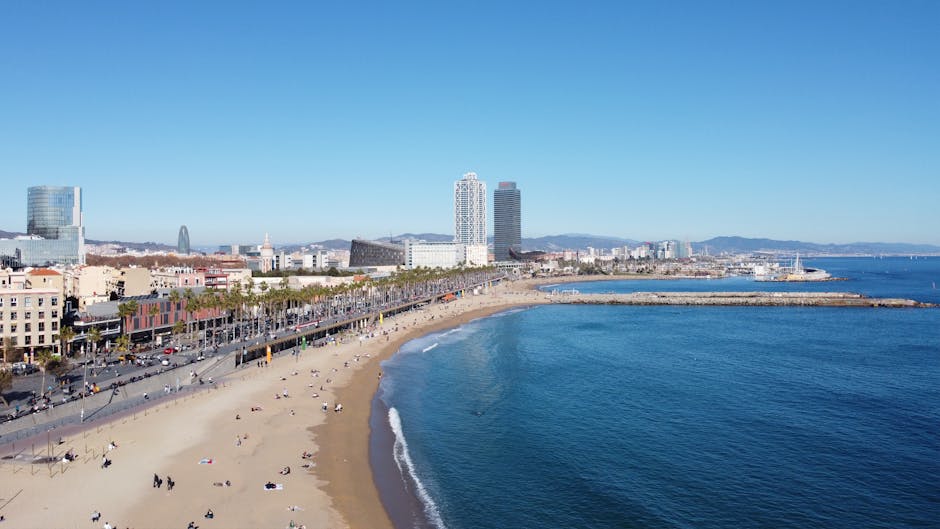
Few major cities in the world can match the geography of Barcelona, where 4.5 kilometres of golden sand sits a 10-minute walk from a working-age Gothic quarter. The city engineered this miracle for the 1992 Olympic Games by clearing decades of industrial waterfront, importing sand, and transforming a former rail and shipyard zone into a connected ribbon of seven distinct beaches. The result is one of Europe’s most accessible coastlines, where you can finish a museum visit at noon and be in the Mediterranean by 12:30. This guide to the best beaches barcelona covers every city beach in detail, plus the standout alternatives a short train ride away. Use it as a barcelona beach guide to choose the right sand for your mood.
You will find a working barcelona beach map in your head by the end of the article: from the bustling famous one near the marina, through the family-friendly mid-section, to the quieter sands further north and the wilder beaches just outside the city. The sea stays warm enough for swimming from June through October, and on a sunny April day even the locals pull up a chair on the boardwalk and read.
The Geography of Barcelona’s Beaches
The seven city beaches run in a line northeast from the Old Port toward the Forum. They are connected by a single boardwalk (Passeig Maritim), a parallel cycle path, and frequent bus and metro stops. From south to north, they are:
- Sant Sebastia
- Sant Miquel
- Barceloneta
- Somorrostro
- Nova Icaria
- Bogatell
- Mar Bella
- Nova Mar Bella
- Llevant
Most visitors think of Barceloneta as “the beach”. In reality it is one stretch among nine, and the others vary considerably in atmosphere, demographics, and amenities. Below we work through each one with the practical detail you need to which beach barcelona suits your day.
Barceloneta Beach: The Famous One
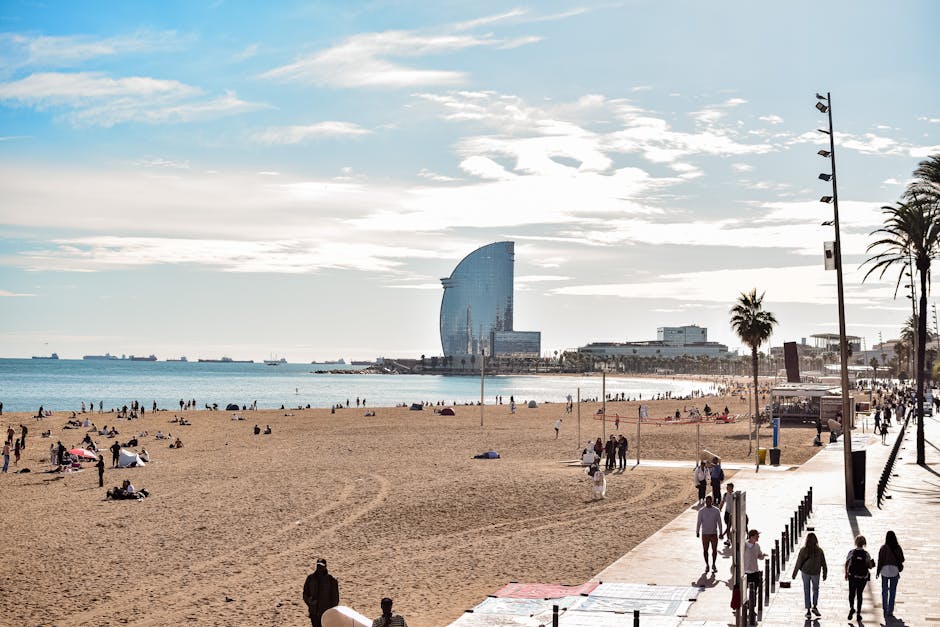
The classic answer to “where is the beach in Barcelona”. Barceloneta sits at the foot of the old fishing neighbourhood of the same name, with the Hotel W (locals call it the Vela for its sail shape) capping the southern end. The beach is roughly 1,100 metres long with wide, soft sand and the city’s biggest concentration of beach amenities: chiringuitos (beach bars), volleyball nets, surfboard rental kiosks, and a constant rotation of hawkers selling cold beer, henna tattoos, and massages.
This is the place to feel the buzz of Barcelona’s beach culture. Surfers catch the small morning waves, beach volleyball games run all afternoon, and at sunset the sand fills with locals having a drink before dinner. The downside is exactly what makes it famous: it is crowded, especially on July and August weekends when finding a square metre of sand becomes a sport in itself.
How to get there: Metro L4 to Barceloneta station, then a 6-minute walk through the narrow streets of the old fishing quarter. Or walk down Las Ramblas to the Mirador de Colom and turn left along the Passeig Joan de Borbo, about 15 minutes total.
Best for: first-time visitors who want the iconic Barcelona beach experience, sunset cocktails at a chiringuito, and easy access to the Old City for dinner.
Skip if: you are looking for peace, fewer hawkers, or a family-friendly day with children under five.
Sant Sebastia and Sant Miquel: The Old Port End
Just south of Barceloneta proper, these two short beaches are the closest to the marina and the Old City. Sant Sebastia is bookended by the Hotel W and a swimming pool club, and is famous as a more casual, mixed-crowd beach with a lower-key atmosphere than Barceloneta. There is a small naturist area at the southern end. Sant Miquel sits between Sant Sebastia and Barceloneta, and is essentially an extension of the same sand.
How to get there: Metro L4 to Barceloneta, then walk south along the seafront for 5 to 10 minutes.
Best for: swimmers wanting calmer water than Barceloneta proper, a quick beach break after lunch in the Gothic Quarter, and an LGBTQ+ friendly stretch (the southern end of Sant Sebastia is historically popular with the gay community).
Somorrostro: The In-Betweener
Somorrostro is the connecting strip between Barceloneta and Nova Icaria. It is named after a long-vanished neighbourhood of barracas (shanty homes) that stood on this part of the beach until the early twentieth century. Today it is a 500-metre stretch with surfing schools, kayak rentals, and a slightly more relaxed crowd than its famous neighbour.
How to get there: Metro L4 to Barceloneta or Ciutadella Vila Olimpica, both within a short walk.
Best for: first-timers who want surf or paddleboard lessons; the Mediterranean’s small waves are perfect for beginners.
Nova Icaria: The Family Favourite
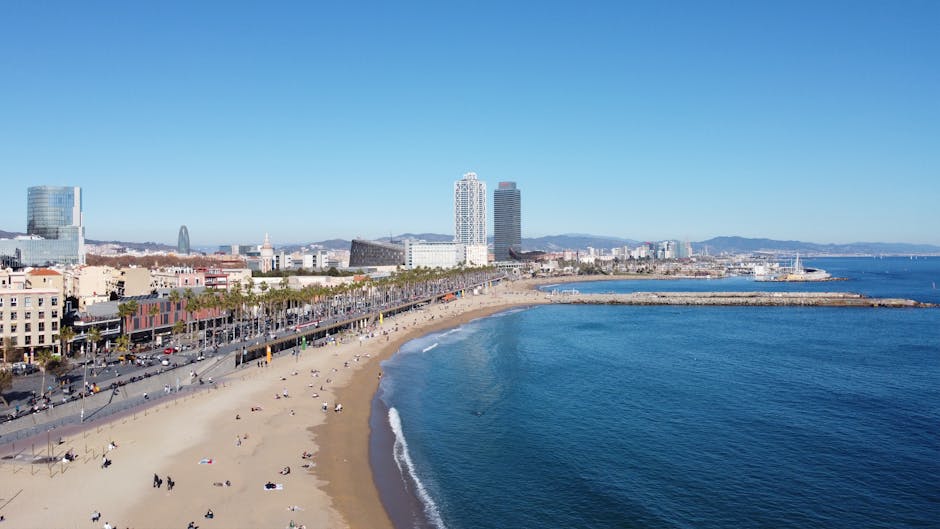
If you are travelling with children, head straight to Nova Icaria. Sitting just north of the Olympic Marina, this 415-metre beach was rebuilt for the 1992 Games and remains the cleanest, calmest, and best-equipped of the city beaches. Two volleyball courts, a ping-pong table, and a shaded children’s playground sit just behind the sand. The water is exceptionally clean by city-beach standards, the waves are gentle, and the lifeguard supervision is excellent.
The crowd skews toward Spanish families on weekends and a healthy mix of tourists and Barcelona residents on weekdays. Two recommended chiringuitos serve genuinely good food rather than the tourist-trap fare you sometimes find at Barceloneta. The Olympic Port marina next door provides parking, restaurants, and a couple of waterfront restaurants if you want a longer lunch.
How to get there: Metro L4 to Ciutadella Vila Olimpica, then 5 minutes on foot. Tram T4 also serves the area.
Best for: families, calm-water swimmers, and anyone who wants the best amenities without the Barceloneta crowds.
Bogatell: The Locals’ Choice
Many Barcelona residents will tell you Bogatell is the best of the city beaches. Wider than Barceloneta, cleaner, less crowded, and with a slightly older, more relaxed crowd, it is the kind of beach you can spend a long Saturday on without feeling exhausted. The 600-metre stretch has good lifeguards, sand showers, free public toilets, two excellent chiringuitos, and the boardwalk Passeig Maritim runs the full length, ideal for cyclists and runners.
Bogatell also sits adjacent to the Poblenou neighbourhood, which has been transformed in the last decade into the city’s creative-class quarter. After a beach morning you can walk five minutes inland to Carrer Pujades or Rambla del Poblenou for some of the best independent coffee shops, bakeries, and lunch spots in the city.
How to get there: Metro L4 to Llacuna or Poblenou, then 8 to 10 minutes on foot. Tram T4 to Wellington also drops you close.
Best for: all-day beach hangers, lap swimmers, runners, and anyone wanting the city’s best balance of cleanliness, services, and breathing room.
Mar Bella and Nova Mar Bella: The Edgy North End
Continuing northeast, Mar Bella is a 500-metre beach with a distinctly bohemian, alternative atmosphere. There is an official naturist section in the middle of the beach, a popular skate park behind the sand, and a string of chiringuitos that occasionally host DJ sets in the late afternoon. The crowd is younger, more local, and more LGBTQ+ inclusive than the city beaches further south.
Nova Mar Bella, just to the north, is similar in feel but quieter, longer (around 420 metres), and with a wider expanse of sand. It is the second-cleanest city beach after Nova Icaria.
How to get there: Metro L4 to Selva de Mar or Poblenou, then a 12 to 15-minute walk; or tram T4 to Pere IV.
Best for: twenty- and thirty-something visitors looking for a more relaxed, alternative beach atmosphere, sunset DJs, and shorter queues at the bar.
Llevant: The Newest and Often-Empty Beach
Llevant is the youngest of the city beaches, opened in 2006 as part of the development around the Forum complex at the city’s far northeast end. It tends to feel underused, which is precisely the appeal: even on a hot Saturday in July, you can usually find space here. There are dog-friendly hours in the early morning, and the beach has decent facilities.
How to get there: Metro L4 to El Maresme Forum, then a short walk.
Best for: visitors prioritising peace over services, dog-walkers (in designated hours), and travellers staying in the Diagonal Mar / Forum area.
Beaches Just Outside the City: Castelldefels, Sitges, and Beyond
If you want to escape the urban beach experience entirely, Barcelona’s regional rail (Rodalies) opens up an entire coastline within 30 to 60 minutes.
Castelldefels
A 30-minute Rodalies ride south on the R2 line, Castelldefels has 5 kilometres of wide, sandy beach with shallow water, plenty of beach bars, and a long boardwalk lined with restaurants and shops. The crowd is heavily local and the beach can absorb thousands of visitors without ever feeling cramped. There is even kitesurfing at the southern end during windy afternoons.
Sitges
An hour by R2 train, Sitges is one of Catalonia’s most beloved seaside towns. The main beach (Platja de la Ribera) sits in front of a charming Old Town with whitewashed buildings, and there are 17 smaller coves stretching south. Sitges is widely considered Spain’s premier LGBTQ+ destination and it has a lively bar and restaurant scene year-round. See our dedicated Sitges day trip guide for a full plan.
Garraf
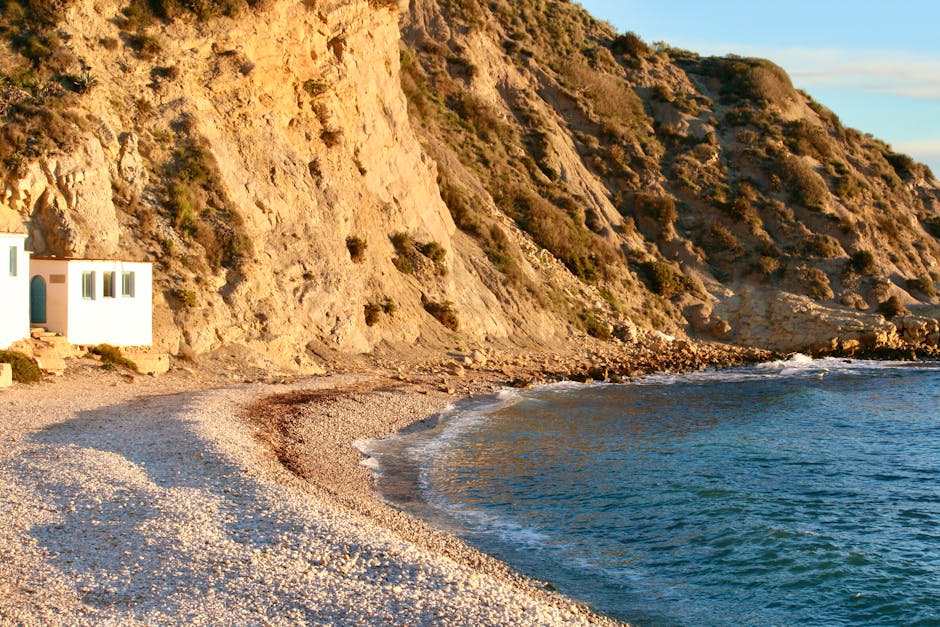
A small, dramatic cove between Castelldefels and Sitges, with white fishermen’s huts curving along the bay. The R2 train stops here. It is a postcard for Catalan beach culture and a favourite of locals seeking calm water and a casual seafood lunch.
Costa Brava (Tossa, Lloret, Cadaques)
For a more ambitious day, the rugged Costa Brava begins about 90 minutes north of Barcelona by car. Tossa de Mar’s medieval walls right at the beach are famous; Cadaques (Salvador Dali’s home village) is a longer drive but otherworldly. Both are best as overnights or self-drive trips.
Best Beaches by Use Case
For First-Time Visitors
Pick Barceloneta for the iconic experience and walk over to Sant Sebastia for the swim.
For Families with Young Children
Nova Icaria is unbeatable. The water is calm, the lifeguards are vigilant, and a playground sits 30 metres from the towels.
For a Long, Lazy Day
Bogatell. Best balance of cleanliness, space, services, and food.
For LGBTQ+ Visitors
The southern end of Sant Sebastia and the central section of Mar Bella are the most welcoming and traditionally popular stretches. Sitges is the legendary day trip.
For Surfers and Kitesurfers
Small waves at Somorrostro and Bogatell in the city. For real surf, head to Castelldefels or El Garraf.
For Quiet
Llevant in the city, or a Rodalies ride to Garraf outside it.
For Naturists
Mar Bella has the longest official naturist stretch within Barcelona. Smaller naturist zones exist at Sant Sebastia south and Llevant.
For Dog Owners
Llevant has designated dog-friendly hours and a small dog beach. Most other city beaches do not allow dogs during peak hours from June 15 to September 15.
Beach Amenities and Services
Barcelona’s city beaches are remarkably well serviced. Every one of them has free public toilets, sand showers, lifeguard towers in season, free Wi-Fi, accessible ramps and amphibious wheelchairs available on request, and a buoyed swimming area marked off from boats. Sun umbrella rentals are available at most beaches for around 5 to 8 EUR per day, and beach beds for 12 to 18 EUR.
The chiringuitos are the heart of the city beach experience: small wooden bars on the sand serving cold beer, sangria, and simple food (mussels, calamari, paella). Prices are higher than inland but the experience is part of the reward. Most are open from April through October.
If you want to leave bags, several beach lockers (guardar services) operate near the metro stations and along the boardwalk. Use them; do not leave valuables on the towel.
When to Go: Seasons and Times of Day
- April and May: Mild and quiet. Sea is around 17 degrees Celsius and chilly for most. The boardwalk is at its best.
- June: The sea climbs to 21 degrees Celsius, the days are long, and the crowds are still manageable.
- July and August: The peak. Water at 24 to 26 degrees Celsius, but every beach is busy. Arrive before 10:00 AM for a good spot or after 5:00 PM for golden-hour swims.
- September: Often the best month. Sea still warm at 22 to 24 degrees Celsius and crowds thin from mid-month.
- October: Sea around 20 degrees Celsius until mid-October, then drops. Boardwalk life is glorious in the warm afternoons.
- November to March: The beaches stay open and locals take long walks. Swimming is for the brave.
For sunrise photographers, head to Barceloneta or Sant Sebastia between 6:30 and 7:30 AM in summer and you will find an entirely different city. Free yoga classes happen on Bogatell on most summer Saturdays at 8:00 AM.
Beach Safety and Etiquette
- Watch for the flag system. Green = safe to swim, yellow = caution, red = no swimming. Lifeguards enforce strict rules during yellow and red flags.
- Pickpockets work the beach as well as the metro. Never leave valuables unattended. Use lockers or take turns watching belongings.
- Sun protection is non-negotiable. The Mediterranean sun in July and August reaches UV index 10. Apply 30+ SPF every two hours.
- No glass containers on the sand. Plastic and aluminium only. Police do enforce this.
- Alcohol on the sand is technically prohibited. Locals get away with a discreet beer; visibly drinking spirits or making noise will draw a warning.
- Smoking is banned on all city beaches. A 2022 law made Barcelona’s beaches smoke-free. Fines apply.
- Music etiquette. Personal speakers should stay quiet. Loud music is officially prohibited and locals will ask you to lower it.
- Hawkers. Politely decline; do not buy. The hawker economy is unregulated and a major nuisance for the city.
- Beach showers and feet-only rinses. Use the small foot showers before walking back to the metro to keep sand off the train.
What to Pack for a Barcelona Beach Day
- Beach towel (hotels usually do not let you take their towels out)
- Swim suit and a change of clothes
- Reef-safe sunscreen, hat, sunglasses
- Reusable water bottle (refill stations on the boardwalk)
- A light wrap or shirt for sun cover
- Cash (chiringuitos sometimes have card minimums)
- Plastic bag for wet swim clothes
- A book; the wind drops by mid-afternoon and reading conditions are perfect
Where to Stay Near the Beach
If beach access is your top priority, the best neighbourhoods to stay in are Barceloneta itself (limited supply, small rooms, total beach immersion), the Vila Olimpica area near Nova Icaria (modern hotels and apartments), and Poblenou near Bogatell (creative neighbourhood with great food and a 5-minute walk to sand). The Hotel W on Sant Sebastia is the iconic luxury choice. For a complete neighbourhood breakdown, see our Barcelona neighborhoods guide.
Combining Beach Time with Sightseeing
The geography is uniquely forgiving here. After a morning at the Sagrada Familia you can be at Nova Icaria in 25 minutes by metro for an afternoon swim. After a Picasso Museum visit in the El Born district, Barceloneta is a 12-minute walk away. Most visitors who try to keep the beach as a “rest day” end up dropping in for a quick swim every afternoon of their trip. Build your 3-day Barcelona itinerary with a beach pause baked in and you will not regret it.
Frequently Asked Questions
Which is the best beach in Barcelona?
For most visitors, Bogatell wins for the all-around experience. For families, Nova Icaria. For the iconic photo, Barceloneta.
Are Barcelona’s beaches safe to swim in?
Yes. Water quality is monitored daily and is generally excellent, especially at Nova Icaria, Bogatell, and Mar Bella. Lifeguards patrol the city beaches in season.
How do I get to the beach from the city centre?
Metro Line 4 runs along the coast and serves every city beach. Stops include Barceloneta, Ciutadella Vila Olimpica, Llacuna, Poblenou, and Selva de Mar. From Plaza Catalunya the trip is 12 to 18 minutes. See our Barcelona metro guide for ticket and route details.
Can I rent a sun umbrella and beach bed?
Yes, on every city beach in season. About 5 to 8 EUR for an umbrella and 12 to 18 EUR for a bed. Cash is sometimes required.
Are dogs allowed on the beach?
Only at Llevant in designated hours, and only in the off-season at most others. Check the local sign at each entrance.
Is alcohol allowed on Barcelona’s beaches?
Public consumption is officially prohibited. Locals enjoy a beer with food at a chiringuito. Open spirits or noisy drinking will draw police attention.
When is the water warm enough to swim?
Comfortable for most from mid-June through mid-October.
Are the beaches free?
Yes, all Barcelona city beaches are free of charge. You only pay for rentals, food, and drinks.
What is the closest beach to the cruise terminal?
Sant Sebastia and Sant Miquel are the closest, about a 15-minute walk from the cruise terminal at the Old Port.
Can I hire a bicycle for the boardwalk?
Yes. The city’s bike-share scheme (Bicing) is for residents but private bike-rental shops near every beach offer hourly and daily rates from around 5 EUR per hour.
Final Thoughts: Build Your Day Around the Sea
Few trips to Barcelona feel complete without an afternoon by the Mediterranean. Use this barcelona beach guide to choose the right sand for your group and your mood, and treat the city beaches as part of your daily rhythm rather than a separate excursion. A morning at the museums, a long lunch in the Old City, and a slow swim at Nova Icaria or Bogatell is the Barcelona day many travellers dream about, and it is the easiest one to actually achieve.
To plan the rest of your seaside week, browse our Barcelona beaches and outdoors pillar, and take a look at our water sports guide if surfing, paddleboarding, or kayaking are on the list.