Is Barcelona Safe? The Honest 2026 Answer
Yes, Barcelona is safe. It is one of Europe’s most-visited cities, violent crime against tourists is rare, and millions of visitors enjoy a trouble-free trip every year. The honest caveat: Barcelona has one of the highest pickpocketing rates in Europe, with Las Ramblas regularly described as the single most-pickpocketed street on the continent. The good news is that pickpocketing is almost entirely avoidable with a few simple precautions. This barcelona safety guide covers everything you need to know: which neighbourhoods are safe and which need extra caution, the specific scams to watch for, the best practices for protecting your phone and wallet, and what to do if something does go wrong.
By the end of this article you will know the truth about is barcelona safe, the most common barcelona pickpockets patterns, the iconic barcelona scams that have been documented for years, and the practical barcelona tourist safety rules every first-time visitor should follow. Read it before you go and bookmark it for reference.
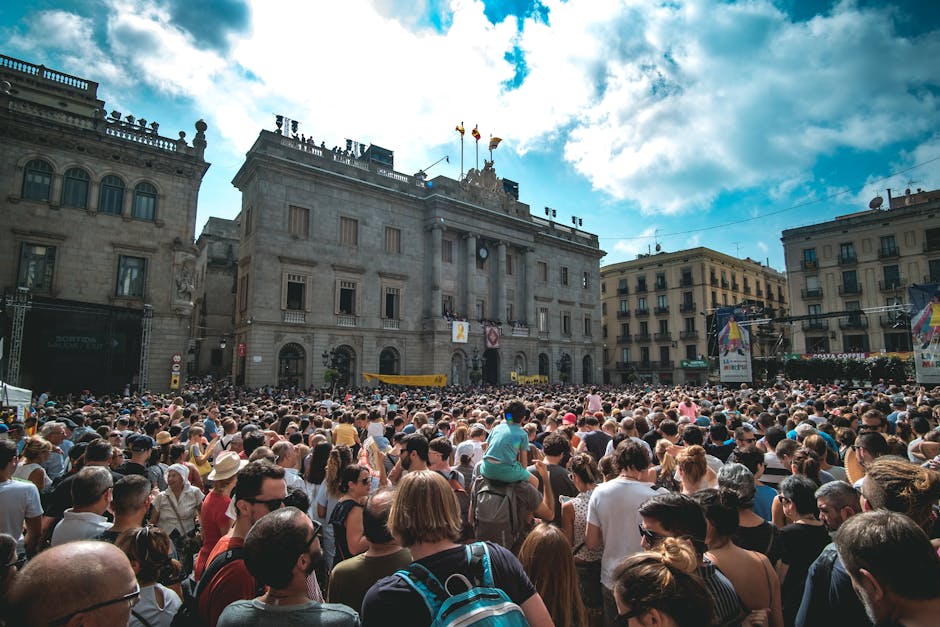
The Big Picture: How Safe Is Barcelona?
Barcelona is statistically one of the safest major cities in Europe for violent crime against tourists. The risk of homicide, sexual assault, or armed robbery against visitors is extremely low. The city’s crime concern, by a wide margin, is petty theft, specifically pickpocketing in tourist areas.
Recent data show that Barcelona records around 200,000 official thefts per year, with a significant portion being pickpocketing of tourists. The actual figure is higher because many tourists do not file reports. The good news: tourist deaths and serious injuries from crime are vanishingly rare, and the city has invested in increased police presence on Las Ramblas and the Gothic Quarter.
Compared to other European cities, Barcelona’s pickpocketing rate is high but its overall violent-crime rate is lower than London, Paris, or Rome.
The High-Risk Areas
Most pickpocketing happens in a handful of specific places. Knowing where the risk is highest helps you plan around it.
1. Las Ramblas
The 1.2-kilometre boulevard from Plaça Catalunya to the Columbus Monument is consistently named the most-pickpocketed street in Europe. The combination of dense crowds, distracted tourists, and easy escape routes through narrow side streets makes it ideal for thieves. Highest risk:
- The entrance to the Boqueria Market.
- Around street performers (the still-statue performers are real distractions).
- At the Plaça Catalunya end.
- After dark from Carrer Ferran south.
2. The Gothic Quarter
The medieval lanes are atmospheric but ideal pickpocket territory. Particular hot spots:
- Plaça Reial after dark.
- Plaça Sant Jaume during festival days.
- The streets immediately east of Las Ramblas.
- Plaça George Orwell (locally called “Plaça del Tripi”).
3. Public Transport
The metro is a major pickpocket area, especially:
- L1 (red) and L3 (green) on the central segments.
- L4 (yellow) heading to the beaches.
- The escalators at major stations (Plaça Catalunya, Passeig de Gracia, Sagrada Familia).
- The buses, especially the 24 that runs from Plaça Catalunya to Passeig de Gracia and the airport bus.
- Luggage areas on the Aerobus.
4. Major Tourist Attractions
The queues and dense crowds at popular attractions are working environments for pickpockets:
- Sagrada Familia entrance and queue.
- Park Guell entry plaza.
- Casa Batllo and Casa Mila queues.
- Picasso Museum on free Sunday afternoons.
- The Cathedral entrance.
5. The Beach
Barceloneta beach has its own theft pattern: thieves work in pairs, target sunbathers who leave bags unattended or fall asleep, and walk off with phones and wallets. Less common but documented:
- Bag-grabbing while you’re swimming (don’t leave valuables on towels).
- Distraction routines on the sand.
- Beach bar pickpocketing during busy lunch hours.
6. The Airport
Barcelona-El Prat airport is generally safe but watch out for:
- Touts at the arrivals hall offering “taxis” (avoid; use the official rank).
- Distraction at the baggage claim.
- The L46 bus to and from the airport (zipped pockets).
The Most Common Scams
Barcelona’s pickpockets are organised, professional, and use repeating tactics. Knowing the patterns is the best defence.
The “Spilled Substance” Distraction
Someone bumps into you, then notices that something has been spilled on your clothing (mustard, ketchup, water). They offer to help clean it up; an accomplice removes valuables from your pockets while you’re distracted. The “spilled substance” is often deliberately applied seconds before by a third accomplice.
Counter: If anyone tries to clean a spill on your clothing, step back, decline help, and check your pockets immediately. Walk to a safe spot and clean it yourself.
The “Dropped Object”
Someone drops a wallet, ring, or important-looking item near you. They ask you to help find or return it. While you’re focused on the ground, an accomplice removes valuables from your pockets.
Counter: Don’t engage. Step away. If you really want to help, point and walk on; don’t crouch or look down.
The Rosemary or Flower Offer
Someone (usually a woman) approaches with a sprig of rosemary or a small flower, presenting it as a gift. She insists, places it in your hand, then demands payment or distracts while an accomplice steals.
Counter: Don’t accept. Say “no, gracies” firmly and walk away.
The “Free Bracelet”
A friendly stranger offers to make you a “friendship bracelet” or claims to have “won a contest” entitling you to a free gift. Once they have your wrist or attention, they demand payment or steal.
Counter: Don’t engage. Keep your hands free and walk on.
Three-Card Monte (Shell Game)
A street performer plays a shell game. The gathered “winners” who appear to be enjoying the spectacle are all part of the operation. No tourist has ever genuinely won this game.
Counter: Don’t play. Don’t watch up close. Walk past.
The Fake Petition
Someone (often presenting themselves as deaf or representing a charity) hands you a petition or sign-up sheet on a clipboard. While you’re reading or signing, an accomplice removes valuables.
Counter: Decline. Hold a strong position and walk away.
The Subway Door Squeeze
As the metro doors close, a thief leans into the carriage to grab a phone or wallet from a bag, knowing the door will close before any pursuit is possible.
Counter: Stand back from the door at busy stations. Keep wallet and phone secure in zipped front pockets.
The Taxi Overcharge
An unmetered or unofficial taxi at the airport or major stations charges 3 to 4 times the normal fare.
Counter: Use only official black-and-yellow taxis with the meter running. Free Now and Cabify are reliable alternatives.
The Restaurant Tourist Menu Trap
Restaurants on Las Ramblas serve frozen, microwaved meals at 3 times the normal price.
Counter: Walk one block off Las Ramblas. Avoid restaurants with picture menus in 8 languages or touts at the door.
The Hotel Phishing Call
You receive a call in your hotel room claiming to be from “reception” asking to verify your credit card details due to a “system error.” Always a scam.
Counter: Hang up. Walk to the front desk and verify in person.
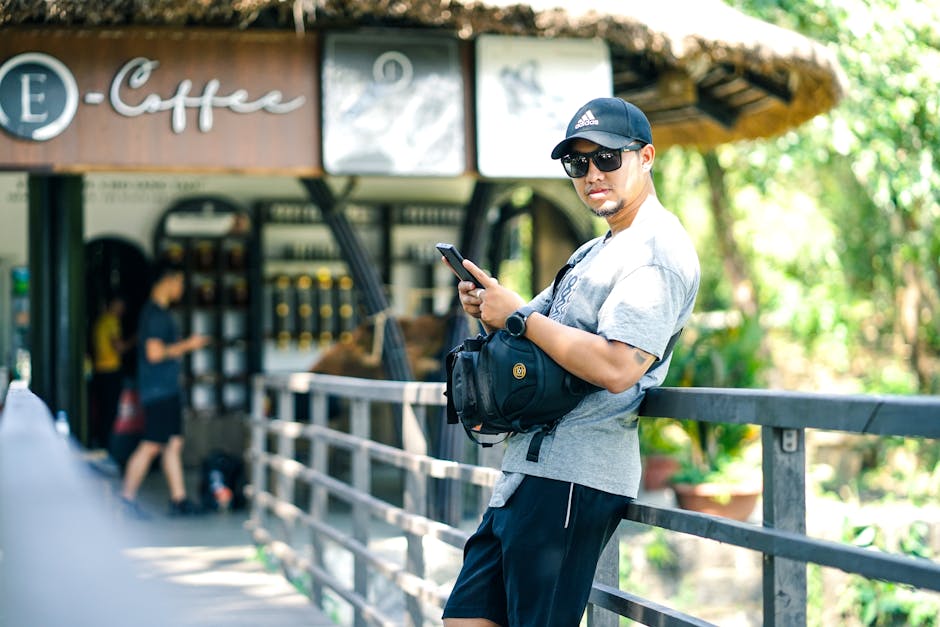
How to Protect Yourself
Bags and Wallets
- Cross-body bag with the strap across your chest. The most effective single measure.
- Bags worn in front in crowded areas. Especially the metro and Las Ramblas.
- Zipped pockets only. Open pockets are an invitation.
- Wallet in a zipped front pocket. Never in the back pocket.
- Anti-theft bags with locking zippers. A small premium for peace of mind.
- Money belts under clothing. For passport and large cash.
- Daypacks worn on the front in crowded zones.
- Don’t carry your passport. Carry a copy; lock the original at the hotel.
Phones
- Don’t leave the phone on a cafe table. Especially on outdoor terraces.
- Use a hand strap. Wrist or finger straps prevent grab-and-run.
- Keep the phone in a zipped pocket when not in use.
- Don’t show the phone screen openly while walking. Use it stationary.
- Turn off SIM PIN bypass. If your phone is stolen, the SIM should still require a PIN.
- Backup numbers. Save important numbers (hotel, embassy, friends) on paper.
- Find My Phone or similar. Enable on iPhone and Android.
Cash and Cards
- Carry only what you need for the day. 50 to 100 EUR is enough.
- Use ATMs inside banks. Avoid Euronet ATMs (high fees).
- Use the chip-and-PIN cards. Contactless to a 50 EUR limit per transaction.
- Notify your bank of travel dates. Avoid card freezes.
- Have a backup card. Keep one card in the hotel safe.
Personal Behaviour
- Stay alert in crowded areas. Especially when boarding metro trains.
- Decline unsolicited approaches. Strangers offering help, gifts, or directions.
- Walk with confidence. Tourists looking lost are easier targets.
- Don’t display wealth. Expensive watches, jewelry, designer bags.
- Travel in pairs at night. Especially in El Raval after midnight.
- Trust your gut. If something feels off, leave.
Neighbourhood Safety Ratings
Very Safe (Standard Tourist Precautions)
- Eixample (Esquerra and Dreta): Modern grid, well-lit, residential. Standard precautions.
- Sarria-Sant Gervasi: Upper neighbourhoods, very safe.
- Vila Olimpica and Diagonal Mar: Modern, family-friendly.
- Gracia: Local, lively, very safe.
- Poblenou: Creative, local, well-policed.
- Sant Antoni and Poble Sec: Becoming more touristy but still local.
Heightened Pickpocket Risk (Standard Precautions Plus)
- Las Ramblas: Highest pickpocket risk in the city.
- Gothic Quarter: Crowded medieval lanes.
- El Born: Less risky than Gothic Quarter but still a tourist concentration.
- Barceloneta: Beach theft.
- Around Sagrada Familia: Heavy queue traffic.
Use Extra Caution Late at Night
- El Raval: Drug activity in pockets; muggings between 2:00 AM and 4:00 AM. Avoid the eastern side around Carrer de Sant Pau after midnight.
- Around the Old Port at 3:00 AM+: Empty streets after the marina closes.
- Inner Gothic Quarter alleys after 1:00 AM: The narrow lanes have less foot traffic.
Even in these areas, violent crime is rare. The risk is petty theft and occasional muggings rather than violent assault.
What to Do If Something Goes Wrong
If Your Wallet or Phone Is Stolen
- File a denuncia (police report). Required for travel insurance and any future investigation. The Mossos d’Esquadra (Catalan police) handle most reports.
- Where to file: The 24-hour Mossos d’Esquadra station at Les Drassanes (Carrer Nou de la Rambla 76-80) or any tourist police station. The “Tourist Police” desk in Plaça Sant Jaume handles English-language reports.
- Cancel cards immediately. Call your bank.
- Call your phone provider. Suspend the SIM card.
- Use Find My Phone. Track or remote-wipe.
- Keep the denuncia. Insurance claims need it.
If You Lose Your Passport
- Contact your country’s consulate (most are in Madrid; some in Barcelona).
- File a police report at the same time.
- The consulate can issue an emergency travel document for return travel.
If You Are Robbed (Threat or Force)
- Don’t resist. Hand over phone or wallet.
- Move to a populated area. Find a cafe, hotel, or police officer.
- Call 112. The Spanish emergency number.
- File a police report. Same procedure.
If You Need Medical Help
- Emergency number 112. All emergencies (police, fire, ambulance).
- Pharmacies (green cross signs). Open extended hours; many staff speak English.
- EHIC card or travel insurance. Carry one.
- Hospital emergency rooms. Hospital Clinic and Hospital de Sant Pau both handle tourists in English.
Solo Female Traveller Safety
Barcelona is generally safe for women travelling alone. Sexual assault rates against tourists are very low. Specific tips:
- Use the same precautions as male travellers (cross-body bag, alert in crowds).
- Avoid empty side streets after midnight.
- Use licensed taxis (Free Now, Cabify) at night.
- Trust your instincts in bars and clubs; never accept drinks from strangers.
- Bars and clubs in the Eixample and Gothic Quarter are well-policed.
- Beaches are safe during day; at night, stay in groups.
- The metro and night bus are safe at all hours, with frequent staff and CCTV.
- Standard travel insurance includes 24-hour assistance lines.
LGBTQ+ Safety
Barcelona is one of Europe’s most LGBTQ+-friendly cities. Catalonia legalised same-sex marriage in 2005 and the city has a thriving LGBTQ+ scene in the Gaixample district (around Carrer Consell de Cent in the Eixample). Anti-LGBTQ+ violence is very rare. Pride festivals, dating apps, and public displays of affection are unremarkable.
Family and Children Safety
Barcelona is exceptionally child-friendly. Restaurants welcome children at all hours; metro stations are generally accessible; and children are seen in public throughout the day and well into the evening. The pickpocket risk applies to all visitors but is rarely directed at children.
Tips:
- Hold hands at busy crossings.
- Stroller-friendly metros and pavements.
- Carry-style backpack with chest clip for younger kids.
- Keep an eye on personal items in cafes; children’s distraction can leave you vulnerable.
Safety When Driving and Cycling
Driving
- City driving is challenging due to narrow streets and heavy traffic.
- Many central streets are restricted to residents and authorised vehicles.
- Parking is expensive (3 to 5 EUR per hour); use official car parks.
- Theft from rental cars is common; never leave anything visible.
- The AP-7 motorway tolls cost about 12 to 18 EUR per day for typical day-trip distances.
Cycling
- Barcelona has expanding bike lanes.
- The city’s Bicing scheme is for residents; tourists should use private rental shops.
- Wear a helmet (legally required outside the city).
- Don’t cycle on Las Ramblas (pedestrians only).
- Lock the bike well; bike theft is common.
Specific Time-of-Day Safety
Morning (6:00 AM to noon)
Generally the safest time. Crowds are smaller, pickpockets less active. Excellent for sightseeing.
Midday (noon to 4:00 PM)
Peak crowds; peak pickpocket risk. Highest alert in tourist zones.
Afternoon (4:00 PM to 8:00 PM)
Continues high tourist density. Use crowd density as a signal for awareness.
Evening (8:00 PM to midnight)
Restaurant and bar density. Generally safe in major neighbourhoods. Slightly heightened risk near nightlife zones.
Late Night (midnight to 4:00 AM)
Risk increases in El Raval and around the Old Port. Use taxis or the night bus rather than walking.
Pre-Dawn (4:00 AM to 6:00 AM)
Empty streets; heightened risk. Avoid walking alone except on the boardwalk after a long night.
Travel Insurance and Legal Protections
- Travel insurance is essential. Choose a policy that covers theft, medical, and trip interruption.
- EU residents: EHIC or GHIC card covers basic emergency care.
- Non-EU residents: Strong travel insurance is mandatory in practice.
- Police are required to take reports. A denuncia takes 30 to 60 minutes; English-speaking staff are available at major stations.
- The denuncia receipt is your insurance documentation. Don’t lose it.
Practical Daily Habits
- Mornings: Move money from hotel safe to wallet (only what you need for the day).
- Walking: Cross-body bag in front; phone in zipped pocket.
- Cafes and bars: Don’t leave bags on chairs unattended; clip the bag strap to your leg.
- Metro: Stand back from doors at busy stations; secure bag and phone.
- Beach: Use lockers; never leave valuables on the towel.
- Restaurants: Bag between your feet, not over the back of the chair.
- Hotels: Use the safe for passport and large cash.
- Photos: Take phone out, take the photo, put phone back. Don’t walk with phone visible.
- Bathroom breaks: Take valuables with you.
Online Safety
- Use a VPN on public Wi-Fi. Especially for banking apps.
- Beware of phishing attempts. “Hotel” calls asking for credit card.
- Email scams. Don’t click suspicious links.
- Skim ATMs: Use bank ATMs (CaixaBank, Banco Sabadell) inside lobbies.
Frequently Asked Questions
Is Barcelona safe at night?
Generally yes. The Eixample, Gracia, and most of the city are safe at all hours. El Raval and the Old Port can have higher risk between 2:00 AM and 4:00 AM.
Is Barcelona safe for solo female travellers?
Yes. Barcelona is one of Europe’s safer cities for solo women. Standard precautions apply.
Is the metro safe?
Yes. Pickpocketing is the main risk; violent crime is very rare. CCTV and police presence are extensive.
Should I avoid Las Ramblas?
No. Visit but stay alert. Don’t carry valuables in unzipped pockets. Walk in the centre of the boulevard, not in the side aisles.
Are Barcelona beaches safe?
Yes for swimming and sunbathing. Theft from unattended towels is the main risk; use lockers.
What is the safest neighbourhood to stay in?
The Eixample is safest and most central. Sarria-Sant Gervasi is even safer but further from the action.
How do I get a police report?
Visit the 24-hour Mossos d’Esquadra station at Les Drassanes or any tourist police office. The “Tourist Police” desk in Plaça Sant Jaume handles English-language reports.
Are taxis safe?
Yes. Use only official black-and-yellow taxis or apps (Free Now, Cabify). Avoid touts at the airport.
What is the emergency number in Spain?
112 for all emergencies (police, fire, ambulance).
Is it safe to drink the tap water?
Yes. Barcelona’s tap water is safe but mineral-heavy. Many locals prefer bottled.
What should I do if approached by a stranger?
Polite decline. Walk away. Don’t engage in conversation, don’t accept gifts, don’t stop to “help” with dropped items.
Can I report a crime in English?
Yes. The Tourist Police in Plaça Sant Jaume and the Mossos d’Esquadra at Les Drassanes both have English-speaking staff.
Are there any pickpocket-free areas?
Sarria, Pedralbes, Vall d’Hebron, and the upper Sant Gervasi neighbourhoods see minimal pickpocketing.
Is the airport safe?
Yes. Use the official taxi rank, avoid touts, and watch your bags at baggage claim.
Should I carry my passport?
No. Carry a copy. Lock the original in the hotel safe.
Final Thoughts: Smart Precautions, Excellent Trip
Barcelona’s reputation for pickpocketing is real but easily managed. The vast majority of visitors have no problems whatsoever, and a few simple habits (cross-body bag in front, zipped pockets, wallet in front pocket, declining street approaches) virtually eliminate the risk. Barcelona safety is more about awareness than worry. Stay alert at the obvious hot spots, decline scams politely but firmly, and you will leave the city with stories about the food, the architecture, and the beach, not the crime.
For more, see our Barcelona travel guide pillar, the first-time visitor tips, the best time to visit, and our 3-day Barcelona itinerary for how to plan a smooth trip.