Why First-Time Visitors Need a Slightly Different Plan
Barcelona is welcoming, easy to navigate, and one of the most rewarding short-break destinations in Europe. It is also full of small surprises that catch first-time visitors out: timed-entry tickets that sell out weeks ahead, lunch hours that don’t start until 1:30 PM, pickpocketing patterns specific to certain metro lines, and cultural rhythms that tourists routinely miss. This guide to first time barcelona tips covers everything we wish we had known on our first visit. Barcelona tips for tourists who want a smoother trip, more local experiences, and fewer “I wish I had known” moments after going home.
By the end of this article you will know what to book, what to skip, what to wear, what to watch out for, what to try, what to ignore, and what every barcelona first time visitor tends to get wrong. We’ve also gathered the most practical barcelona dos and donts in a single list. Read it now, save it for the trip, and arrive ready.
Before You Go: The Pre-Trip Essentials
Book Major Attractions in Advance
This is the most important first-timer move. The Sagrada Familia, Park Guell, Casa Batllo, Casa Mila, and Camp Nou all use timed-entry tickets, and the most popular slots routinely sell out 4 to 8 weeks ahead during peak season. The “we’ll get tickets when we arrive” approach now fails most days from April to October. Book through the official websites, not third-party resellers.
Decide Your Trip Length
One day is enough for the iconic experience. Three days gives you the icons plus a beach afternoon. Four days adds a day trip. Seven days lets you live in the city’s rhythm. Most first-time visitors are happiest with 4 days. See our full how many days in Barcelona article.
Choose the Right Neighbourhood for Your Hotel
Stay in the Eixample, Gothic Quarter, El Born, or Vila Olimpica. Avoid hotels too far from the metro lines or in the outer districts; you’ll lose time to transit. See our where to stay in Barcelona guide.
Pack the Right Things
- Comfortable walking shoes (10-15 km a day is normal).
- Light layers; April through October Barcelona has cool mornings and warm afternoons.
- Sunscreen, hat, sunglasses (May to September).
- A cross-body bag with a zipped pocket.
- A reusable water bottle.
- A power bank for your phone.
- A copy of your passport (carry the original separately).
- One smart-casual outfit for upmarket dinners.
- For winter visits: a packable rain jacket.
Buy a Public Transport Card Online or on Arrival
The 48-hour, 72-hour, or 96-hour Hola Barcelona Travel Card includes airport transfers and unlimited metro, bus, tram, and FGC. The 10-trip T-Casual is cheaper if you don’t need airport transfers. See our metro guide for details.
Download These Apps
- TMB: Real-time metro and bus arrivals.
- Free Now: Taxi-hailing app using regulated cabs.
- Cabify or Uber: Backup ride-share.
- Google Translate: Camera mode for restaurant menus.
- Citymapper: Walking and public transport routing (more accurate than Google Maps in Barcelona).
The Top 25 First-Timer Tips
1. Walk Everywhere You Can
Barcelona is one of Europe’s most walkable cities. The Old City, El Born, the Gothic Quarter, and the Eixample are all best experienced on foot.
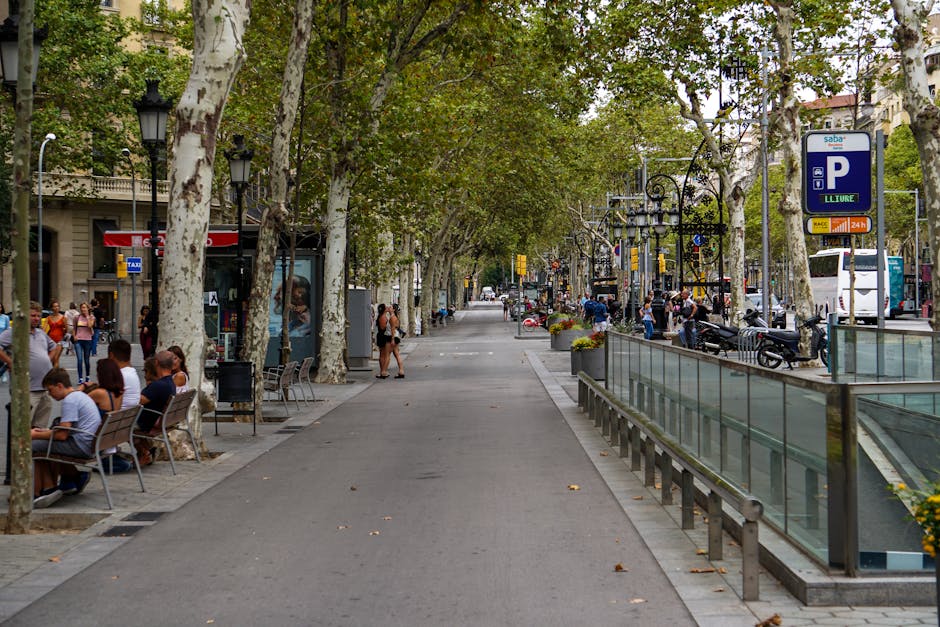
2. Avoid Restaurants on Las Ramblas
The pedestrian boulevard is iconic, but its restaurants are widely tourist-trap territory. One block off, prices and quality both improve dramatically.
3. Eat Lunch Like a Local
Spanish lunch starts at 1:30 PM and ends at 4:00 PM. Order the menu del dia: a 3-course set lunch with wine for 12 to 18 EUR at any non-tourist restaurant Monday to Friday.
4. Eat Dinner Even Later
Spanish dinner is from 8:30 PM to 11:00 PM. Restaurants that serve dinner at 6:30 PM are catering to tourists.
5. Watch Out for Pickpockets
The single biggest petty-crime risk in Barcelona. Hot spots: Las Ramblas, the metro (especially L1 and L3 in the centre), the Picasso Museum queue, the Sagrada Familia entrance, and crowded tapas bars. Use zipped pockets, cross-body bags, and never put a wallet in your back pocket.
6. Don’t Display Wealth
Expensive watches, designer handbags, large amounts of cash, and waving phones around all attract attention. Keep things low-key.
7. Try Catalan Phrases
“Bon dia” (good morning), “Bon profit” (enjoy your meal), “Si us plau” (please), “Mercis” (thank you, casual). Locals love when visitors try Catalan.
8. Use Metro Line 9 from the Airport
Cheaper than a taxi (5.90 EUR) and direct to both terminals. Or use the Aerobus (7.25 EUR, 35 minutes to Plaza Catalunya). See our airport transfer guide.
9. Validate Tickets Every Time
Whether you have a single ticket, T-Casual, or Hola Card, tap or insert at every entry. Inspectors check on board and at exits; on-the-spot fines are 100+ EUR.
10. Tip Lightly
Spanish service is included in the bill. Round up at casual restaurants; 5 to 10 percent at upmarket spots; 1 EUR per round at bars; 5 to 10 percent in taxis.
11. Drink Tap Water
Barcelona’s tap water is safe to drink. The taste is mineral-heavy but fine. Many locals prefer bottled water for the taste, but if you bring a refillable bottle you’ll save money and reduce waste.
12. Use the Metro Late at Night
The L4 (yellow) line runs all night Friday and Saturday and serves the marina, beaches, and Gothic Quarter. The other lines stop at midnight on weekdays.
13. Sundays Are Different
Most shops close Sunday morning. Many restaurants close Sunday evening or Monday. Museums often have free entry on Sunday afternoons (book ahead online to skip queues). Public transport runs on a Sunday schedule.
14. Avoid Driving in the City
Parking is expensive, the Old City is car-restricted, and the metro is faster. If you have a rental for day trips, return it before exploring the city.
15. Don’t Eat Paella for Dinner
Paella is a lunch dish in Spain. Restaurants serving it at 9:00 PM are catering to tourists with frozen versions. Try a fideua or arros negre instead, or save paella for lunch.
16. Visit Museums Smartly
Many major museums have free hours: Picasso (Sundays after 3:00 PM), MNAC (Saturdays after 3:00 PM), Joan Miro Foundation (Thursdays evenings). Book online to skip queues.
17. Stay Alert at Beach Bars
Barceloneta beach bars are famous for high markups, weak drinks, and pickpocketing. Walk one block off the beach for honest prices.
18. Use the Sunday Vermouth Hour
From noon to 2:00 PM on Sundays, Catalans gather at vermouth bars (vermuteries) for a small glass before lunch. The most local time you’ll spend in Barcelona.
19. Don’t Lose Your Validated Ticket
Keep tickets in your pocket until you exit the metro or train. Inspectors do appear.
20. Allow Time for Spanish Restaurant Service
A meal at a sit-down restaurant takes 90 minutes minimum. Order leisurely, expect long pauses between courses, and never feel rushed.
21. Try the Markets
La Boqueria is iconic but tourist-heavy. Mercat de Santa Caterina (El Born) and Mercat de Sant Antoni (Eixample) are calmer, more local, and equally rewarding for produce, cheese, and prepared foods.
22. Watch the Crowds at the Magic Fountain
Arrive 30 minutes early on busy nights. The crowds at the foot of the fountain are dense; standing higher on the staircase gives you a better view.
23. Cash Helps in Some Bars
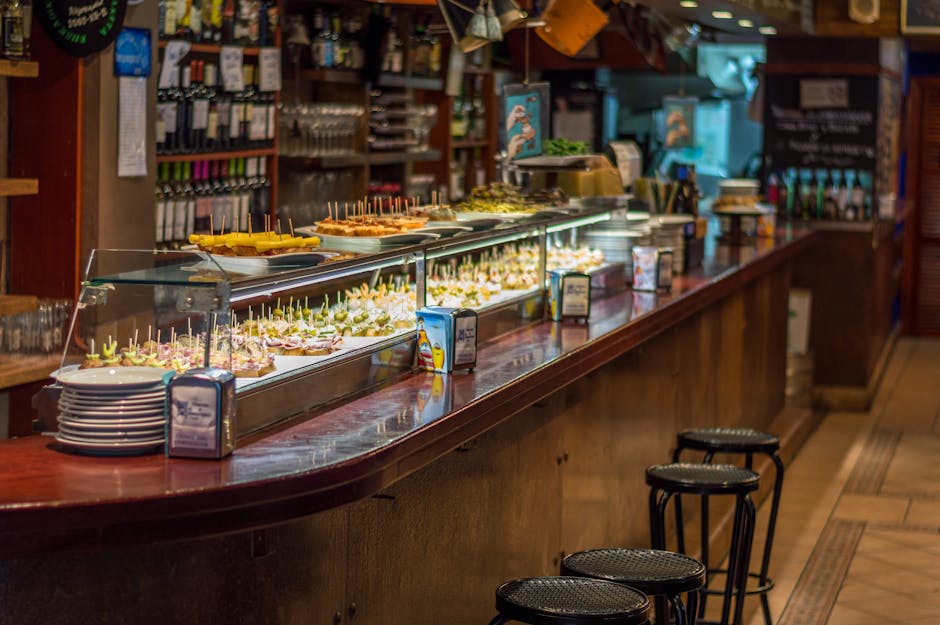
Most places take cards, but small vermouth bars, cava bars (El Xampanyet, Can Paixano), and some pintxo counters are cash-only.
24. Don’t Wait Until the Last Minute for Camp Nou
The stadium tour books up. If you’re a football fan, reserve 1 to 2 weeks ahead. The Camp Nou is undergoing a multi-year renovation through 2026; check the official FCBarcelona website for current visitor experience.
25. Look Up
The Eixample’s Modernista facades are easy to miss. Once you start looking up, you’ll see dozens of decorative balconies, stained-glass bay windows, and sculpted doorways.
The First-Timer’s Day-by-Day Approach
Day 1: Set the Pace
Don’t try to do too much. A reasonable first day: morning at the Sagrada Familia, lunch in the Eixample, walk to the Gothic Quarter, dinner in El Born. Get to bed at a reasonable hour and let your body adjust to Spanish dinner times the next day.
Day 2: Add a Highlight
Park Guell in the morning, beach or marina afternoon, Magic Fountain or flamenco evening. Build in 90 minutes of buffer for unexpected delays.
Day 3 and Beyond
By Day 3 you’ve adjusted. Add a day trip (Montserrat, Sitges, Girona), a deep neighbourhood explore (Gracia, Poblenou), or a slow Catalan cooking class.
Common First-Timer Mistakes
- Trying to fit Park Guell and Sagrada Familia in the same morning at the last minute. Both need timed entries; book both at least a week ahead.
- Eating lunch at noon. Spanish kitchens open at 1:00 to 1:30 PM. The places open at noon are tourist-oriented.
- Underestimating Spanish dinner hours. Dinner from 7:00 PM is for tourists. Locals eat at 9:30 PM.
- Putting the wallet in the back pocket. Standard pickpocket target.
- Booking a flight back to your home city on Day 5 morning instead of evening. You lose a full day to airport logistics.
- Walking distance estimates. Google Maps estimates are accurate but Barcelona’s pedestrian density slows you down by 20 to 30 percent.
- Skipping the Boqueria market. The lunch counters (especially El Quim) are excellent.
- Booking a hotel near Las Ramblas. Las Ramblas itself is touristy; one block away is more local and quieter.
- Trying to do museum after museum. Pick 2 to 3 museums maximum for a 4-day trip.
- Renting a car for the city. Costs more than the metro in time and money.
- Eating sangria. Mostly a tourist drink. Order Catalan wine, vermouth, or cava.
- Skipping the local neighbourhoods. Gracia, Poblenou, and Sant Antoni offer better food than the Old City touristy spots.
Cultural Etiquette
- Greet people. Even small interactions with shopkeepers and waiters benefit from a “Bon dia” or “Bon vespre.”
- Catalonia is not Spain. Many locals identify as Catalan first. Avoid saying “Spain” when you mean “Catalonia.” Use “Catalonia” specifically.
- Talk politics carefully. Catalan independence remains a sensitive topic. Listen rather than push opinions.
- Be patient with service. Spanish restaurant service is slower than American or northern European service. Embrace the pace.
- Wear modest dress at religious sites. Cover shoulders for the Sagrada Familia and Cathedral.
- Don’t take flash photos in churches. Or in dim restaurants where flashes ruin the atmosphere.
- Respect siesta in some neighbourhoods. Some shops close 2:00 to 5:00 PM.
- Tip lightly but tip. Service is included; tipping shows appreciation.
- Don’t shout in restaurants. Spanish dining is loud but the tourist version of “loud” can be obnoxious.
- Cigarettes. Smoking is banned indoors and on beaches. Outdoor cafe terraces remain smoking-friendly.
Money and Costs
Currency
Euro (EUR). ATMs are everywhere; most accept foreign debit cards with no fees from CaixaBank and Banco Sabadell. Avoid Euronet ATMs (they charge high fees).
Cards vs. Cash
Most places take cards. Carry 50 to 100 EUR cash for small bars, markets, and tips.
Tipping
- Restaurants: round up at casual; 5 to 10 percent at upmarket.
- Bars: 1 EUR per round.
- Taxis: 5 to 10 percent.
- Hotel staff: 1 to 2 EUR per bag for porters; 1 EUR per night for housekeeping.
Daily Budget Estimates
- Backpacker: 50 to 70 EUR per person per day.
- Mid-range: 100 to 180 EUR per person per day.
- Luxury: 250+ EUR per person per day.
Hidden Costs to Budget For
- Sagrada Familia entry: 26 EUR.
- Park Guell entry: 18 EUR.
- Casa Batllo entry: 35+ EUR.
- Day trip to Montserrat: 41-64 EUR.
- Tasting-menu dinner: 100-250 EUR per person.
Safety
Barcelona is statistically one of the safest major European cities for violent crime, but pickpocketing is the petty-crime concern. Specific safety tips:
- Watch belongings on Las Ramblas, the metro, and crowded bars.
- Stay alert at the airport baggage claim. Touts and would-be helpful strangers may be working in pairs.
- Don’t engage with street games (shell games, card scams). Always rigged.
- The Raval has improved dramatically but stick to main streets after midnight.
- Lone women travellers can walk at night safely in central neighbourhoods. Use common sense after 1:00 AM.
- Emergency numbers: 112 for all emergencies.
- Pharmacies (green cross signs) are open extended hours; many staff speak English.
- Carry a copy of your passport. Police checks are extremely rare for tourists, but ID is required for hotel check-ins and some authentications.
What to Eat: First-Timer Picks
- Pa amb tomaquet: The simple Catalan tomato bread; eat it everywhere.
- Tapas: Order 4 to 6 small plates per person and graze.
- Patatas bravas: Fried potatoes with spicy red sauce.
- Croquetas: Creamy fritters with ham or cod.
- Tortilla espanola: Spanish potato omelette.
- Bombas: Spicy meat-filled potato croquettes.
- Suquet de peix: Catalan fish stew.
- Crema catalana: The original creme brulee.
- Vermouth: Try a glass on Sunday lunch.
- Cava: Catalan sparkling wine.
For more, see our Catalan cuisine guide.
What Not to Do (The Don’ts)
- Don’t carry your passport everywhere; carry a copy and lock the original.
- Don’t keep wallets in back pockets or unzipped bags.
- Don’t accept “free” items from street vendors.
- Don’t get sucked into shell games, card scams, or “Help! Look at this map!” distractions.
- Don’t book restaurants you can walk into. Book ahead for the good ones.
- Don’t expect English everywhere. Many older Catalans prefer Catalan; many younger workers speak English.
- Don’t drive in the Old City.
- Don’t leave valuables on the beach.
- Don’t forget your Sagrada Familia ticket; missed slots are lost.
- Don’t underestimate distances on foot.
- Don’t drink the cheap pitcher sangria. Order proper wine or cava.
- Don’t smoke on the beach (banned and fined).
- Don’t pay too much at airport ATMs (Euronet’s spread is bad).
- Don’t take photos with hand-out animal performers (often unethical).
- Don’t ignore the menu del dia at lunch; it’s a great deal.
Useful Catalan and Spanish Phrases
- Bon dia / Buenos dias: Good morning.
- Bon vespre / Buenas noches: Good evening.
- Si us plau / Por favor: Please.
- Gracies / Gracias: Thank you.
- De res / De nada: You’re welcome.
- Perdoni / Perdoneme: Excuse me.
- Bon profit: Enjoy your meal (Catalan-specific).
- El compte si us plau / La cuenta por favor: The bill, please.
- Una caña / Un vermut / Una copa: A small beer / vermouth / glass of wine.
- Mercis / Merci: Casual thank you.
Frequently Asked Questions
Is Barcelona safe for first-time visitors?
Yes. Pickpocketing is the main concern. Take normal big-city precautions and you’ll have no issues.
How much should I budget for a first trip?
Mid-range travellers: 100 to 180 EUR per person per day, plus flights. Backpackers: 50 to 80 EUR. Luxury: 250+ EUR.
Do I need to speak Spanish or Catalan?
No. English is widely spoken in tourist areas. A few Catalan phrases help in local neighbourhoods.
What’s the best time to visit?
April-May and September-October offer the best balance of weather and crowds. June is also lovely; July-August are hot and crowded.
How many days should a first-timer plan?
4 days is the sweet spot. 3 days works for a focused trip. 5 days adds breathing room.
Where should I stay?
Eixample for centrality, Gothic Quarter for atmosphere, El Born for food and design, Vila Olimpica for the beach. Avoid hotels far from the metro.
Should I take a guided tour?
One half-day walking tour can save logistics stress. Otherwise, self-guided exploration is rewarding.
What’s the most important thing to book in advance?
Sagrada Familia tickets, 4 to 8 weeks ahead. Park Guell tickets, 1 to 2 weeks ahead. Tasting-menu dinners, 6 to 12 weeks ahead.
What’s the best transport from the airport?
Aerobus to Plaza Catalunya (35 minutes, 7.25 EUR) or metro L9 to your hotel via one transfer (32-45 minutes, 5.90 EUR).
Is sangria available everywhere?
Yes, but mostly served to tourists. Catalans drink wine, beer, vermouth, or cava.
Can I tip in dollars or pounds?
No. Use euros only. ATMs are widely available.
Should I rent a car?
Only if you plan day trips. The city itself is best on foot and by metro.
What if I’m vegan or have allergies?
Major restaurants accommodate dietary needs; mention them clearly. Catalan cuisine has many vegetarian options (escalivada, pa amb tomaquet, white bean salads). Strict vegan can be more challenging; specialised restaurants exist.
Is Wi-Fi available everywhere?
Yes in most cafes, restaurants, hotels, and public spaces. The metro has free Wi-Fi at stations and on most trains. A local SIM or eSIM is cheap and useful.
What if my flight is delayed?
The metro runs until midnight on weeknights and 24 hours from Saturday morning. The night bus N17 connects the airport to Plaza Catalunya late at night.
Final Thoughts: Trust Yourself, Enjoy Slowly
The single best first time barcelona tips is to trust the city and slow down. Spend 90 minutes at lunch. Browse a market without buying anything. Walk one block off Las Ramblas. Order a vermouth at a sunlit terrace. The trip you remember is rarely the one you planned exactly; it’s the one you let the city give you.
For more, see our main Barcelona travel guide, the complete itineraries pillar, the metro guide, and the food guide. Bookmark this article on your phone before you go; it covers the moments when you’ll need a quick answer most.