Few cities on earth celebrate with the intensity, creativity, and sheer joy that Barcelona brings to its festivals. From fire-breathing devils charging through medieval streets to human towers rising ten stories high, from the world’s greatest music festivals to intimate neighborhood parties where entire blocks transform into open-air art galleries, barcelona festivals offer visitors an unforgettable window into Catalan culture. The city hosts more than 100 major events each year, meaning that no matter when you visit, something extraordinary is happening.
The year 2026 holds particular significance for the city. It marks the centenary of Antoni Gaudí’s death, and Barcelona has been designated the World Capital of Architecture by UNESCO and the International Union of Architects. Special exhibitions, architectural tours, and cultural programming have been woven into the existing La Mercè Festival and other major barcelona events throughout the year, making this an exceptional time to experience the city’s festive spirit.
This complete annual calendar covers every major celebration, music event, and neighborhood party so you can plan your trip around the festivals in barcelona that excite you most. Whether you’re drawn to ancient traditions, cutting-edge music, street art, gastronomy, or simply want to dance until dawn, this guide will help you find your perfect Barcelona festival moment.
Understanding Catalan Festival Traditions
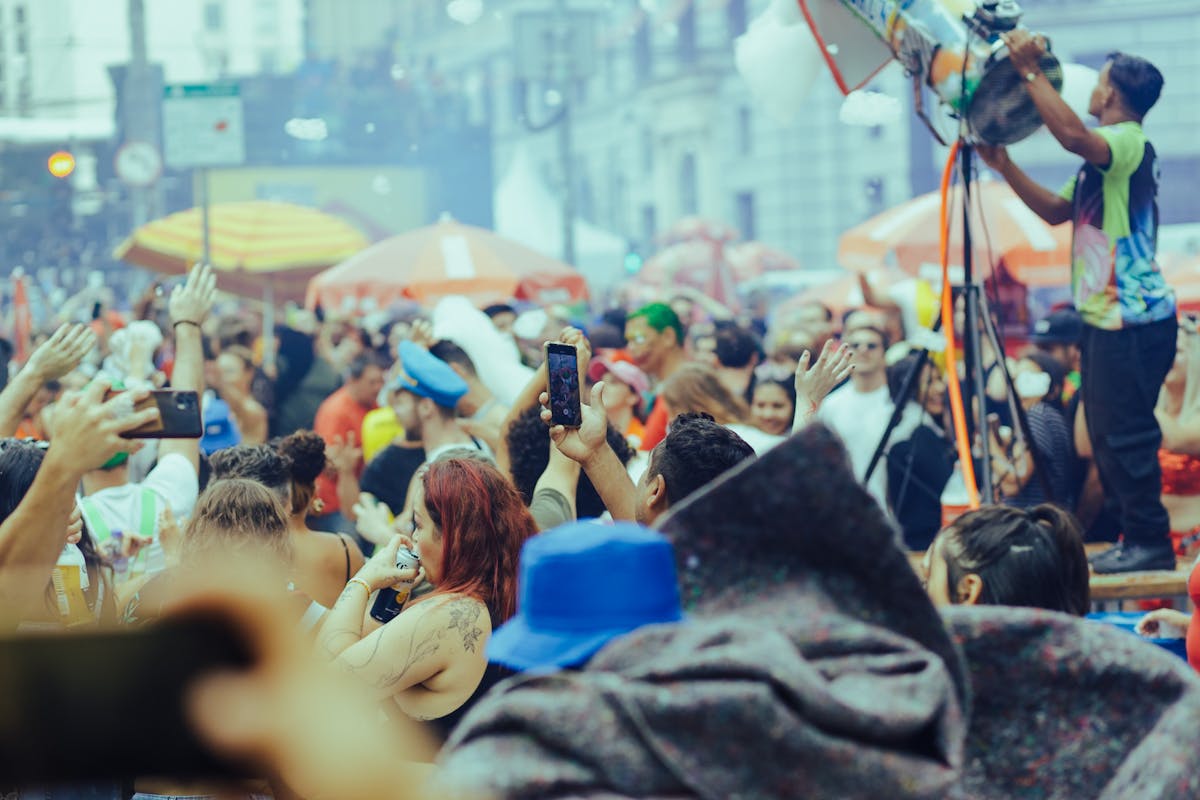
Before diving into the barcelona calendar of events and barcelona festivals throughout the year, it helps to understand the cultural traditions that form the backbone of nearly every major Catalan celebration. These are not museum pieces or tourist performances — they are living traditions practiced by thousands of ordinary citizens who belong to local cultural associations called colles. Encountering these traditions for the first time is one of the most powerful experiences a visitor can have.
Castellers: Human Towers
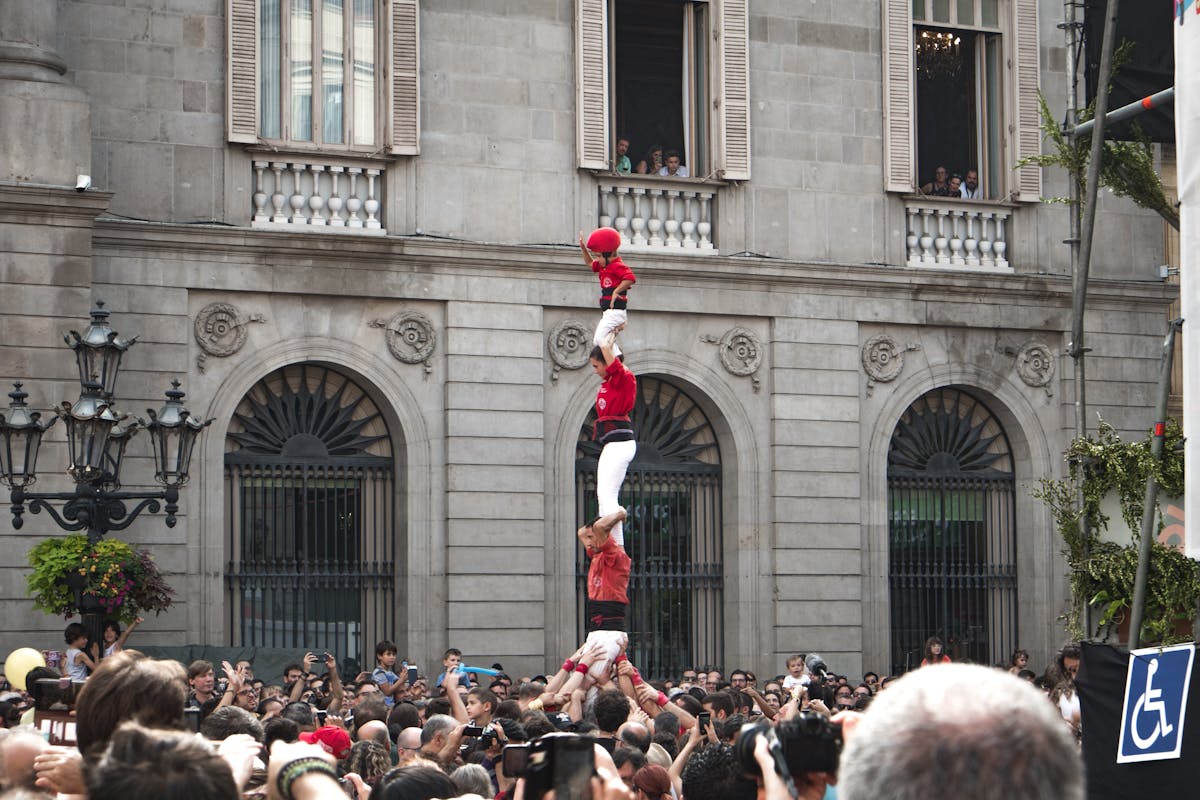
Perhaps the most iconic element of barcelona festivals is the tradition of castells, or human towers. Teams of dozens — sometimes hundreds — of people work together to build towers that can reach ten levels high, with a small child climbing to the very top to raise a hand in triumph. The practice was inscribed on UNESCO’s Intangible Cultural Heritage list in 2010. You’ll see castellers perform at La Mercè, Santa Eulàlia, and many neighborhood festes majors. The tension in the crowd as the tower rises, the collective gasp if it wobbles, and the eruption of joy when the child reaches the summit — this is Catalan culture at its most visceral.
Correfocs: Fire Runs
If castells represent collective discipline, correfocs represent collective exhilaration. Groups of diables (devils) dressed in demonic costumes run through the streets carrying pitchforks fitted with fireworks, spinning fire in every direction while spectators — many wearing protective clothing and old hats — run alongside them or stand their ground as sparks rain down. The tradition has roots in medieval street theater and is accompanied by thunderous drumming. Correfocs are a highlight of La Mercè and Sant Joan, and smaller versions appear at neighborhood festivals throughout the year. They are loud, chaotic, and absolutely thrilling.
Sardana Dance, Gegants, and More
The sardana is a traditional circle dance performed to the music of a cobla band. It looks deceptively simple, but the footwork is intricate and the communal spirit is deeply moving. You’ll often see sardana circles forming spontaneously in front of the Cathedral or at festival gatherings. Gegants — enormous papier-mâché figures representing kings, queens, and historical characters — parade through the streets at nearly every major celebration, accompanied by capgrossos (big-headed figures) that chase delighted children. These traditions connect today’s barcelona events to centuries of history and give the city’s celebrations a depth that purely modern festivals cannot match.
Winter Festivals: January Through March
Barcelona’s mild Mediterranean winter means the barcelona festivals season never truly stops. While northern Europe shivers, Barcelona keeps the celebrations going with some of the most charming festivals in barcelona of the entire year.
Cavalcada de Reis (Three Kings Parade) — January 5
In Spain, the primary gift-giving celebration is not Christmas Day but January 6, the Feast of the Epiphany. The evening before, Barcelona stages one of the most spectacular parades in the country. The three kings — Melcior, Gaspar, and Baltasar — arrive by boat at the port and then process through the city on elaborate floats, accompanied by performers, musicians, and pages who throw sweets into the eager crowds. The route typically runs from the port along Via Laietana to Plaça Sant Jaume. Families line the streets for hours to secure a good spot. For visitors, this is a magical introduction to the barcelona festivals year and a wonderful way to experience the city through the eyes of its youngest residents.
Festa de Santa Eulàlia — February
Also known as the Festes de la Lali, this winter festival honors one of Barcelona’s two patron saints. Held over several days in mid-February, it fills the Gothic Quarter and surrounding areas with castellers, gegants, correfocs, and concerts. A highlight is the parade of gegants through the narrow medieval streets, and the festival also features special activities for children, making it one of the most family-friendly barcelona festivals. Because it falls outside the main tourist season, Santa Eulàlia offers an authentic, uncrowded festival experience that many locals consider one of their favorites.
Carnival in Barcelona — February/March
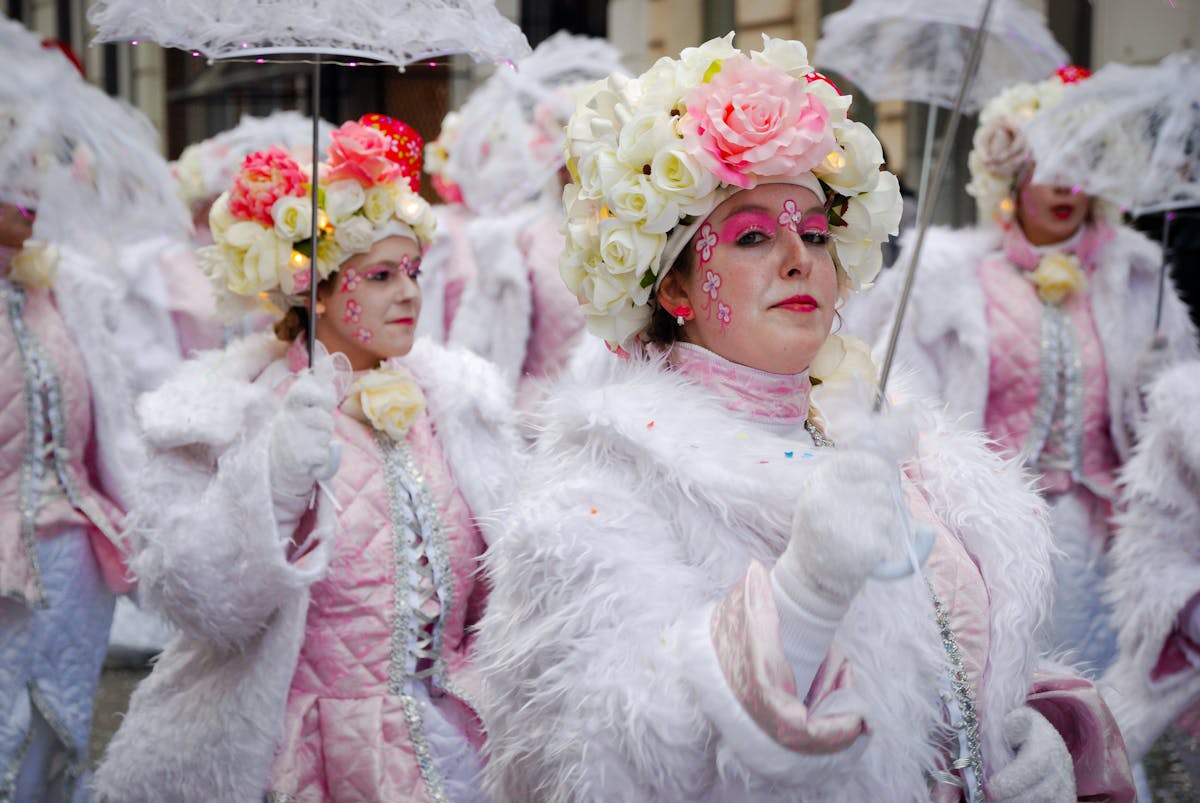
While not as famous as the carnivals of Rio or Venice, Barcelona Carnival is a riotous, colorful affair. The celebrations last about a week, with costume parades, music, dancing, and traditional events like the Arribo del Rei Carnestoltes (arrival of the Carnival King) and the Enterrament de la Sardina (burial of the sardine), a mock funeral procession that marks the beginning of Lent. The Barcelona neighborhoods of Sitges (a short train ride south) and the Barceloneta waterfront host the most vibrant celebrations. Expect elaborate costumes, samba bands, drag queen parades, and an anything-goes atmosphere that shows Barcelona at its most uninhibited.
Spring Celebrations: April Through June
Spring in Barcelona is glorious. Temperatures climb into the low twenties, the city’s parks burst into bloom, and the barcelona festivals calendar shifts into high gear. This season includes some of the most beloved cultural events and world-renowned music barcelona festivals that draw visitors from every corner of the globe.
Sant Jordi — April 23
If you can only visit Barcelona for one festival, many locals would tell you to choose Sant Jordi. On April 23, the feast day of Catalonia’s patron saint (Saint George), the entire city transforms into an open-air bookshop and flower market. The tradition is simple and beautiful: men give women a rose, and women give men a book, though today everyone gives both to everyone. La Rambla and streets throughout the city are lined with hundreds of book stalls and rose vendors. Authors sit at signing tables. Street performers entertain the crowds. The Palau de la Generalitat opens its doors to the public. The atmosphere is romantic, literary, and uniquely Catalan — there is truly nothing else like it anywhere in the world.
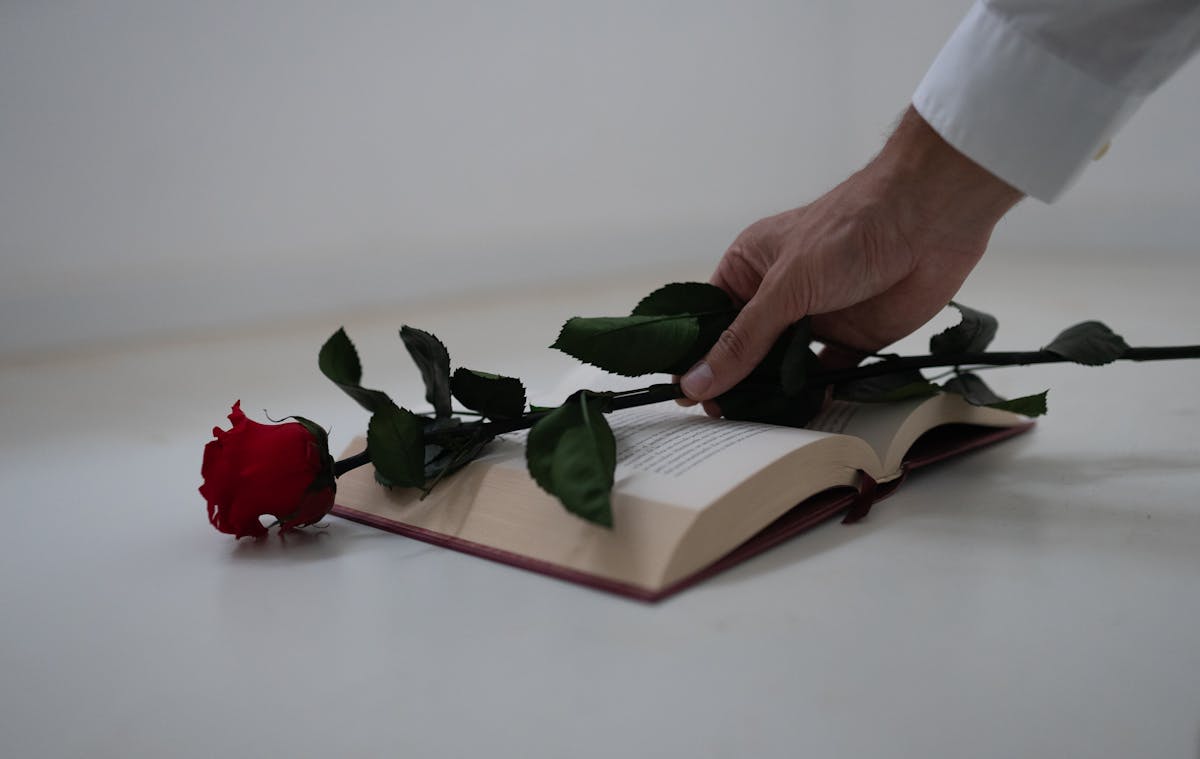
Sant Jordi coincides with World Book Day (UNESCO chose the date partly because of the Catalan tradition), and in 2026, with the Gaudí centenary events adding an extra architectural dimension to the literary celebrations, this promises to be a particularly memorable edition. Check Barcelona’s official events page for the full program.
Primavera Sound — Late May/Early June
One of the world’s most respected music festivals, Primavera Sound has grown from a modest local event into a global powerhouse that regularly sells out its 200,000+ capacity. Held at the Parc del Fòrum on Barcelona’s waterfront, the festival spans multiple days and features an eclectic lineup that ranges from indie rock and hip-hop to electronic music and experimental sounds. The Primavera Sound official site typically announces lineups in January, and early-bird tickets sell out fast.
What sets Primavera apart from other major music barcelona festivals is its commitment to artistic credibility and gender-balanced lineups. The seaside setting, warm nights, and Barcelona’s excellent public transport (the venue is directly served by metro and tram) make it a uniquely enjoyable festival experience. Many attendees extend their visit to explore the city, making it a perfect gateway to everything Barcelona has to offer — check our Barcelona Travel Guide for tips on combining the festival with sightseeing.
Sónar Festival — June
If Primavera Sound is the rock and indie sibling, Sónar Festival is the electronic and experimental one. Founded in 1994, Sónar has become the world’s premier festival of advanced music and new media art. It runs across two venues and formats: Sónar by Day, held at Fira Montjuïc with a focus on emerging artists, interactive installations, and technology showcases; and Sónar by Night, an all-night dance music marathon at Fira Gran Via. Together they create a festival that appeals equally to music lovers, tech enthusiasts, and art fans.
Sant Joan Night — June 23
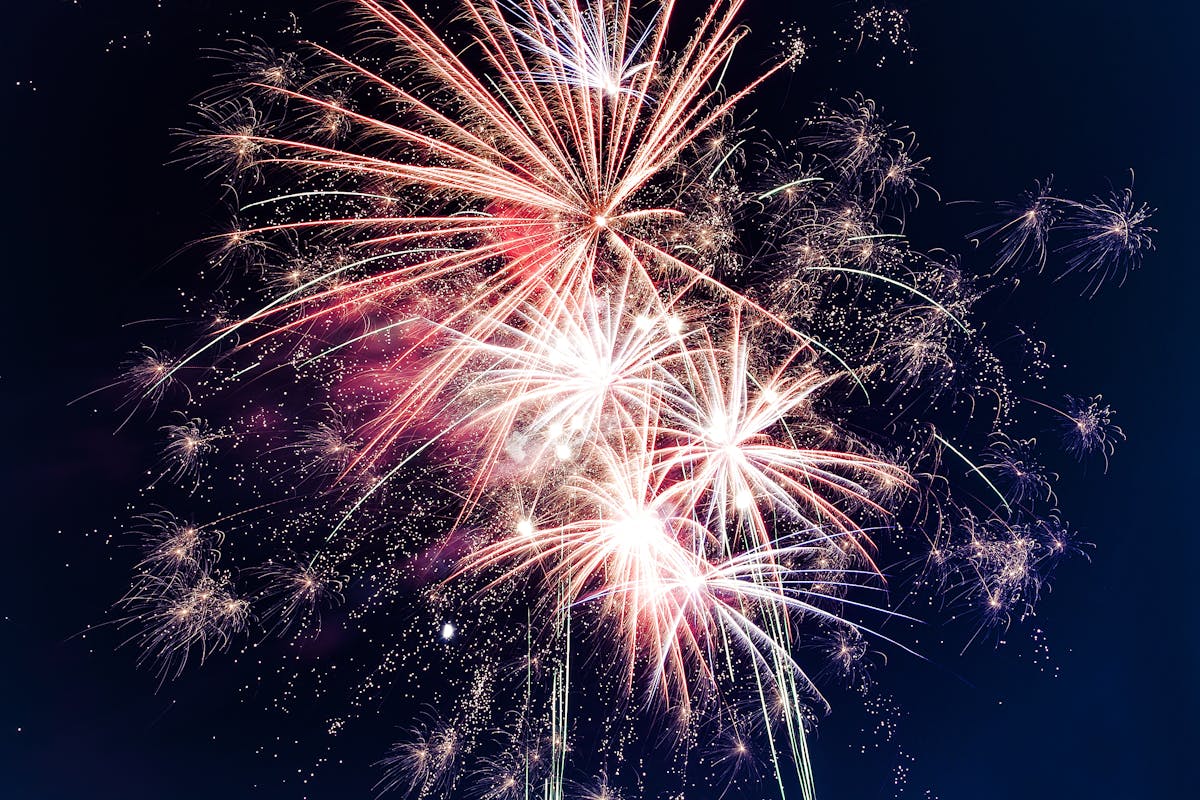
The shortest night of the year is celebrated across Catalonia with bonfires, fireworks, and beach parties, and nowhere more intensely than in Barcelona. Sant Joan Night (the eve of the Feast of Saint John) is one of the most anticipated barcelona festivals of the entire year. The city’s beaches fill with thousands of people who build bonfires, set off fireworks, drink cava, and dance until sunrise. The tradition holds that fire and water have purifying properties on this night — you’ll see people jumping over bonfires and running into the sea at midnight.
The official fireworks display is spectacular, but the real magic is the spontaneous, decentralized nature of the celebration. Every neighborhood has its own bonfires and parties. The atmosphere is electric, joyful, and slightly anarchic. If you enjoy Barcelona nightlife, imagine the entire city becoming one enormous outdoor party — that’s Sant Joan. Arrive at the beach by early evening to claim your spot, bring food and drinks for a picnic, and prepare to stay up all night.
Summer Festivals: July and August
Barcelona summers are hot, vibrant, and packed with barcelona events that take full advantage of the long days and warm nights. From world-class performing arts to neighborhood street parties, the summer months offer some of the most diverse and accessible festival experiences of the year. Our guide to Summer Events covers even more of what’s happening during the warm months.
Festival Grec — July and August
Named after the open-air Greek theater on Montjuïc hill where many performances take place, the Festival Grec is Barcelona’s premier performing arts festival. Running from late June through August, it presents a curated program of theater, dance, music, and circus from both local and international companies. Performances take place in venues throughout the city, from the atmospheric Teatre Grec amphitheater carved into the hillside to intimate indoor spaces in the Raval and Born. Grec makes world-class performing arts accessible and affordable, with many free or low-cost events, and it’s a wonderful way to experience Barcelona’s creative side beyond the visual arts.
Festes de Gràcia — August (around August 15)
Ask any Barcelona resident which neighborhood festival is the best, and a large majority will answer without hesitation: Festes de Gràcia. For one magical week in mid-August, the streets of the Gràcia neighborhood undergo a transformation that must be seen to be believed. Residents of each street spend months secretly designing and building elaborate decorations — transforming their narrow lanes into underwater kingdoms, tropical jungles, outer space, or any other theme their collective imagination conjures.
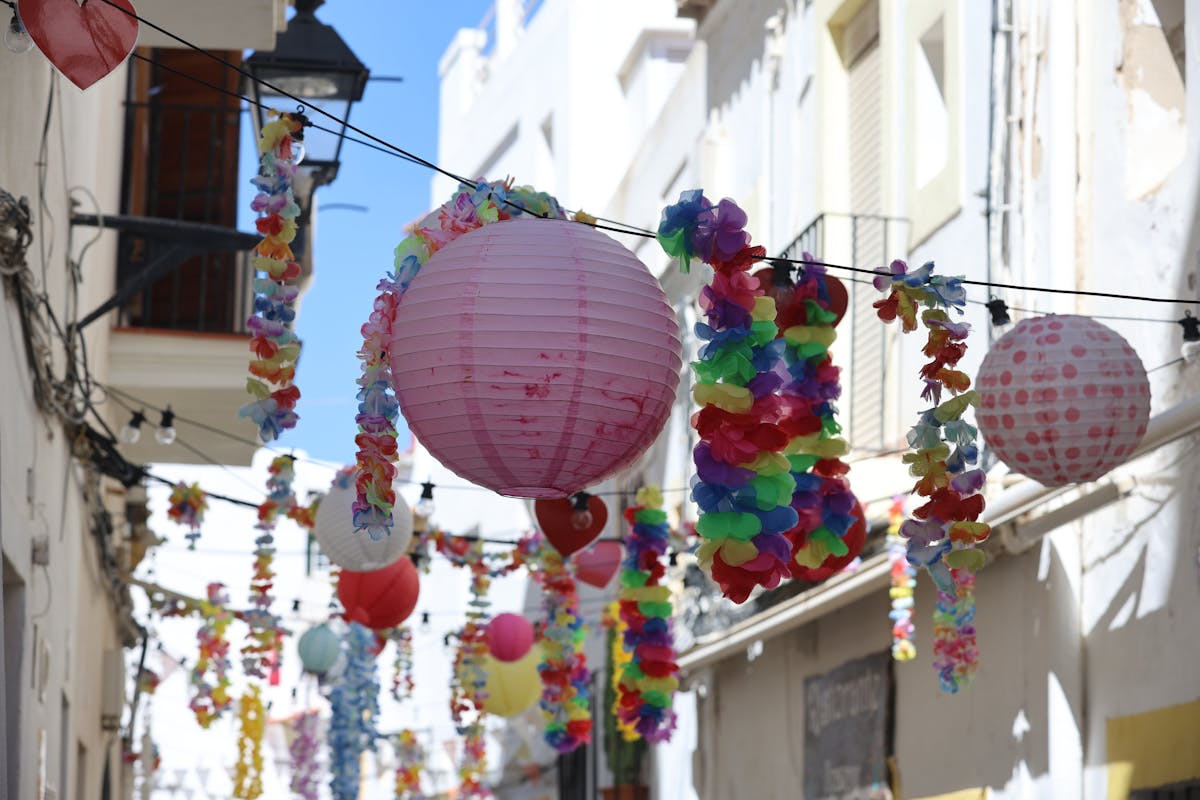
The decorations are crafted almost entirely from recycled materials, and the competition between streets is fierce. Judges award prizes, and the winning streets become pilgrimage sites for the entire city. Beyond the decorations, each street sets up its own bar and music stage, creating a labyrinth of micro-festivals. You can wander from one street to another, each offering a completely different visual and musical world. The Festes de Gràcia are among the most photographed and Instagram-worthy barcelona festivals, but they are also deeply rooted in community spirit and neighborhood pride. They represent everything that makes Barcelona’s festival culture special: creativity, participation, and a refusal to treat public space as merely functional.
Festa Major de Sants — August
Following directly after Gràcia, the Sants neighborhood holds its own festa major with a similar tradition of competitive street decoration, though Sants tends to be less tourist-heavy and more locally flavored. The quality of the decorations rivals Gràcia, and the party atmosphere is just as lively. Sants is served by its own train station and is easy to reach, making it a great alternative for visitors who want the neighborhood festival experience with fewer crowds. The combination of Gràcia and Sants back-to-back makes mid-to-late August one of the most festive periods on the entire barcelona calendar.
Outdoor Cinema, Beach Concerts, and More
Throughout the summer, Barcelona offers a rich menu of open-air entertainment beyond the major festivals. The Sala Montjuïc outdoor cinema screens classic films against the backdrop of the castle, with live music before each showing and picnic areas for attendees. The Música als Parcs series brings free concerts to the city’s parks and gardens. Various beaches and waterfront venues host concert series. And the long summer evenings make simply strolling through the city its own form of entertainment — every plaza seems to have a performance, a market, or a gathering of friends sharing food and music.
Autumn Events: September Through November
Autumn in Barcelona is warm, golden, and home to the city’s single most important festival among all barcelona festivals. The summer crowds thin, but the festivals in barcelona remain spectacular, making September and October some of the best months to visit.
La Mercè — September 24
If there is one festival that defines Barcelona, it is La Mercè. The city’s main festa major, held around September 24 (the feast day of the Virgin of Mercy, Barcelona’s other patron saint), is a four-day explosion of culture, tradition, and pure celebration that takes over the entire city. La Mercè brings together every element of Catalan festival tradition — castellers, correfocs, gegants, sardana — along with hundreds of concerts, art installations, film screenings, and street performances, nearly all of them free.
The La Mercè festival features several signature events. The Correfoc on the final night is one of the most intense fire runs in Catalonia, with hundreds of devils processing down Via Laietana in a river of sparks. The Piromusical, a choreographed fireworks-and-music show at the Magic Fountain of Montjuïc, provides a spectacular closing act. The BAM (Barcelona Acció Musical) festival presents dozens of free concerts across multiple stages, showcasing emerging and established artists. And the castells performance in Plaça Sant Jaume, with the city’s top teams competing to build the tallest and most complex towers, is a spine-tingling display of human cooperation.
La Mercè 2026 will be especially significant, incorporating major programming related to Barcelona’s designation as World Capital of Architecture and the Gaudí centenary. Expect special light shows on Gaudí buildings, architectural tours, and thematic exhibitions woven into the festival program. This is, without question, one of the greatest urban barcelona festivals in Europe.
Festa de la Barceloneta — Late September/October
The beachfront neighborhood of Barceloneta holds its own festa major shortly after La Mercè, with a particularly strong tradition of correfocs, live music on the beach, and seafood-centric gastronomy. It’s a more intimate affair than La Mercè but no less authentic, and the setting — narrow streets opening onto the Mediterranean — is hard to beat. The Barceloneta festa major is a reminder that many of the best barcelona events happen at the neighborhood level, away from the main tourist circuits.
All Saints’ Day and La Castanyada — November 1
While not a festival in the celebratory sense, La Castanyada is a beloved autumn tradition worth experiencing. On the eve and day of All Saints (November 1), Barcelona’s streets fill with the aroma of roasted chestnuts and sweet potatoes, sold from traditional street stalls. Bakeries produce panellets, small marzipan-based sweets in a variety of flavors. Families visit cemeteries to honor the dead, and the Montjuïc cemetery sometimes hosts special guided tours of its remarkable funerary architecture. It’s a quieter, more reflective time in the city, but it has its own gentle beauty.
Christmas and New Year in Barcelona
Among winter barcelona festivals, the holiday season may not have the snow-globe charm of northern European cities, but it compensates with unique traditions, atmospheric markets, and mild weather that makes outdoor celebrations genuinely pleasant. Christmas in Barcelona blends Catalan traditions with cosmopolitan flair, creating a festive season unlike any other.
Fira de Santa Llúcia — Late November Through December 23
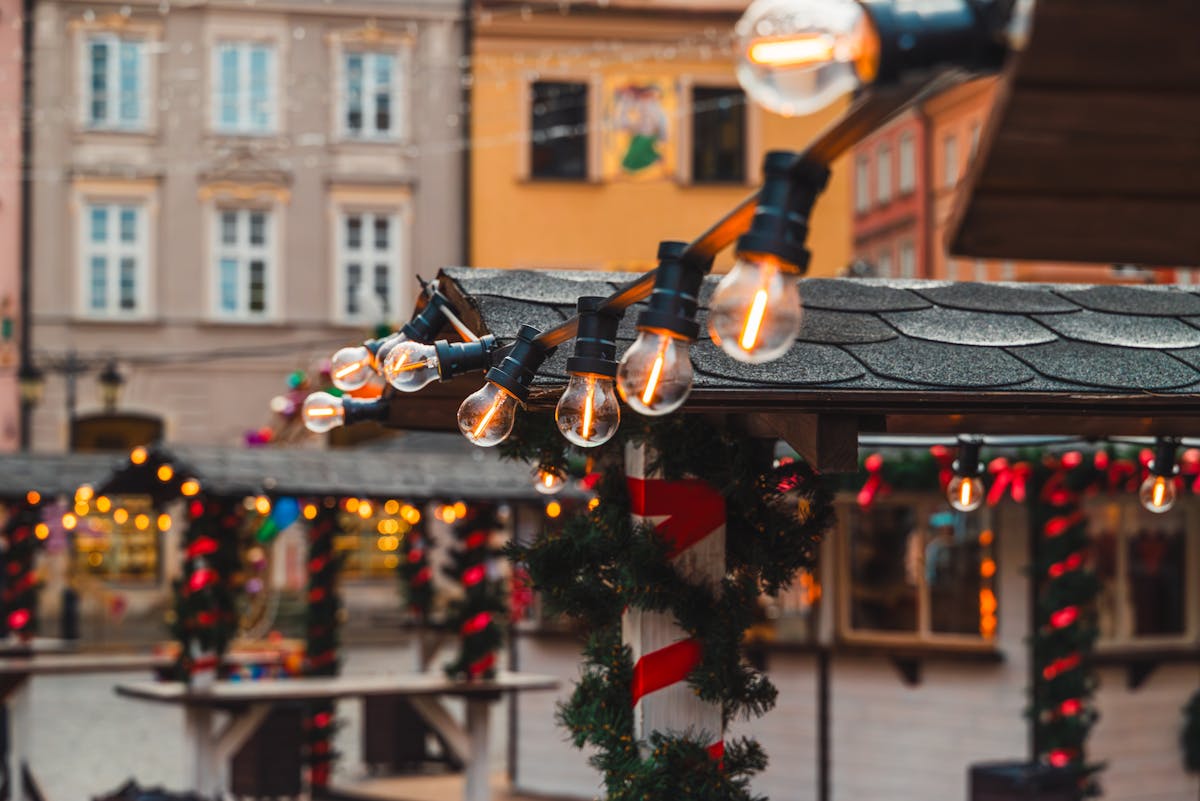
Barcelona’s oldest and most beloved Christmas market sets up in front of the Cathedral, filling the plaza and surrounding streets with hundreds of stalls selling nativity scene figures (pessebres), Christmas decorations, handcrafted gifts, and seasonal foods. The market dates back to 1786, and browsing its stalls is a cherished annual ritual for barcelonins. Look for the caganer, a uniquely Catalan nativity figure depicted in a squatting pose — new celebrity versions appear each year and have become popular collector’s items. The market runs from late November through December 23 and is one of the most atmospheric barcelona festivals of the winter season.
Tió de Nadal and Catalan Christmas Traditions
One of Barcelona’s most distinctive Christmas traditions involves a log. Specifically, the Tió de Nadal (Christmas Log), a hollow log with a painted face, stick legs, and a little red blanket. Beginning on December 8 (the Feast of the Immaculate Conception), families “feed” the log each day, keeping it warm under its blanket. On Christmas Eve, children beat the log with sticks while singing a traditional song, commanding it to “defecate” presents — which, thanks to parental sleight of hand, it does, producing small gifts and sweets from underneath its blanket. It’s bizarre, charming, and utterly Catalan.
The caganer tradition mentioned above also reflects a distinctly Catalan earthiness. This nativity scene figure, depicted in the act of defecation, is placed somewhere in the pessebre (nativity scene) and symbolizes fertilizing the earth for the coming year. Far from being considered disrespectful, the caganer is a beloved cultural icon, and the annual reveal of new celebrity caganers generates genuine media coverage and public interest.
New Year’s Eve in Barcelona
New Year’s Eve in Barcelona centers on the tradition of eating twelve grapes at midnight — one with each stroke of the clock — for good luck in the coming year. The main public celebration takes place at Plaça d’Espanya, where the Magic Fountain of Montjuïc provides the backdrop for a spectacular fireworks and light show. Tens of thousands gather there, along with a cava in hand and a bag of grapes at the ready. The atmosphere is festive and inclusive, with live music and DJs keeping the energy high before and after midnight.
Many restaurants offer special New Year’s Eve dinners (sopar de Cap d’Any) featuring traditional dishes like canelons, seafood, and turró (nougat). After the countdown, the party moves to clubs and bars throughout the city, with Barcelona nightlife venues hosting special events that run until well past sunrise. The combination of outdoor celebration and indoor partying makes Barcelona one of Europe’s best cities for ringing in the new year.
Barcelona Music Festivals: A World-Class Scene
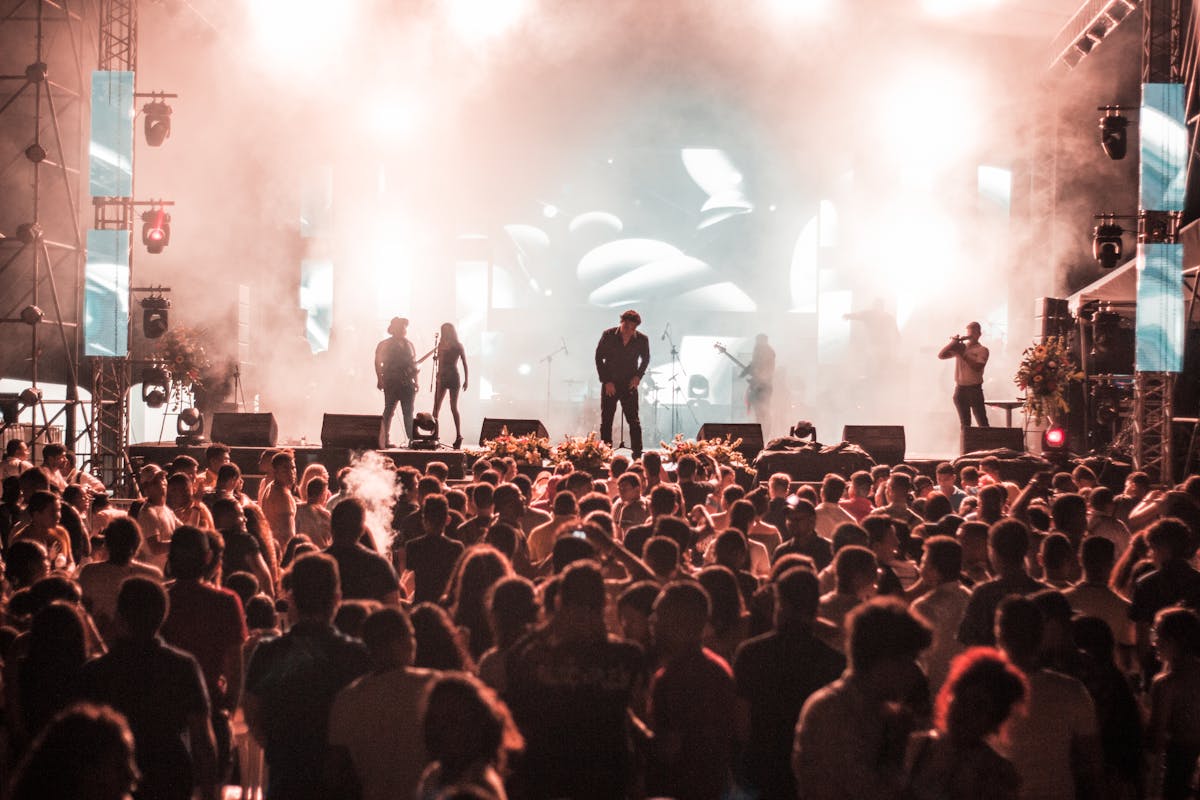
Barcelona has earned its place among the world’s great music festival cities, hosting events that span every genre and scale. Beyond Primavera Sound and Sónar, which we covered in the spring section, the city’s music barcelona festivals include several more events that deserve attention from music lovers planning a visit.
Cruïlla Festival — July
Cruïlla (meaning “crossroads” in Catalan) lives up to its name with a lineup that crosses genres, languages, and borders. Held at the Parc del Fòrum, the same waterfront venue as Primavera Sound, Cruïlla typically features a mix of rock, pop, reggae, hip-hop, world music, and electronic acts. It’s more family-friendly than some of the larger festivals, with a relaxed atmosphere and dedicated children’s areas. For visitors who want a major festival experience without the intensity and scale of Primavera, Cruïlla is an excellent choice.
BAM (Barcelona Acció Musical) — September
Part of the La Mercè celebrations, BAM is a free music festival that takes place across multiple outdoor stages in the city center. It focuses on emerging and independent artists, with a particular emphasis on Catalan and Spanish acts alongside international performers. Because it’s free and spread across several venues — from Plaça dels Àngels to Moll de la Fusta — BAM has a wonderfully democratic spirit. You can discover your next favorite band while wandering between stages, all against the backdrop of Barcelona’s most important festival week.
Guitar BCN, Jazz Festival, and Year-Round Programming
Barcelona’s music scene extends far beyond the summer festival months. The Festival de Guitarra de Barcelona (Guitar BCN) runs from January through July, bringing world-class guitarists and singer-songwriters to intimate venues across the city. The Voll-Damm International Jazz Festival, spanning from October through December, is one of Europe’s longest-running jazz festivals and regularly attracts top-tier talent. These year-round events mean that what’s on barcelona always includes excellent live music among the many barcelona festivals, regardless of the season.
Neighborhood Festes Majors: The Heart of Barcelona’s Festival Culture
While the major festivals grab headlines and draw international visitors, the truest expression of barcelona festivals spirit lives in the festes majors — the annual celebrations held by each of the city’s neighborhoods. These are community-organized, community-funded, and community-driven affairs, and they offer visitors the most authentic possible encounter with how barcelonins actually celebrate.
How Neighborhood Festivals Work
Each neighborhood (barri) celebrates its festa major on the feast day of its patron saint, with festivities typically lasting three to seven days. Local cultural associations organize the events: the colla castellera builds human towers, the colla de diables runs the correfoc, the colla de gegants parades the giants, and volunteer committees handle logistics. Streets are closed to traffic and decorated. Stages are set up for concerts. Bars and food stalls appear. And the neighborhood transforms from a residential area into a vibrant, communal celebration.
Gràcia, Sants, Barceloneta, and Poble Sec
We’ve already discussed the Festes de Gràcia and Sants, but nearly every neighborhood has its own festa major worth experiencing. Barceloneta’s festa (late September/October) features some of the best correfocs in the city, with the narrow streets amplifying the noise and excitement to almost overwhelming levels. Poble Sec’s festa (mid-July) is particularly lively, with a strong musical program and a tradition of sardana dancing in its plazas. The Born and Raval neighborhoods have their own celebrations too, each reflecting the character of the community.
For visitors interested in experiencing these local barcelona festivals, the key is simply to check the calendar and show up. There are no tickets to buy, no VIP areas, and no barriers. You walk into the neighborhood, follow the music and decorations, and you’re part of the party. This accessibility is what makes Barcelona’s festa major tradition so special — it’s culture created by and for the people who live there, and visitors are welcomed as guests rather than customers.
The Street Decoration Tradition
The practice of competitive street decoration, most famous in Gràcia, deserves special attention because it represents something genuinely remarkable about Barcelona’s festival culture. Months before the festa, neighbors form committees, choose themes, raise funds, and begin construction — often working late into the night in garages and workshops. The decorations are overwhelmingly made from recycled materials: plastic bottles become shimmering curtains, old CDs form mosaic walls, cardboard transforms into architectural wonders. The results are frequently breathtaking in their ambition and craftsmanship, and the fact that they’re temporary — erected and dismantled within a single week — gives them an ephemeral beauty that feels almost philosophical.
Planning Your Visit Around Barcelona Festivals
With so many barcelona festivals spread throughout the year, planning your visit to coincide with a major event can transform a great trip into an unforgettable one. Here’s practical advice to help you make the most of the experience.
Accommodation: Book Early
Major festivals significantly impact hotel availability and prices. Primavera Sound, Sónar, La Mercè, and the Festes de Gràcia all cause accommodation prices to spike and availability to drop. For Primavera Sound and Sónar, book at least three to four months in advance. For La Mercè, two months is usually sufficient but earlier is better. Consider staying in neighborhoods adjacent to the festival epicenter — you’ll save money and often discover your own local celebrations. Our Barcelona Travel Guide has detailed neighborhood accommodation advice.
Getting Around During Festivals
Barcelona’s public transport system handles festival crowds remarkably well. The metro runs extended hours during La Mercè and Sant Joan, often operating through the night. During major events, additional bus services connect festival venues. Many barcelona festivals take place in areas that are easily walkable from central locations. For neighborhood festes majors, the best approach is simply to walk — the decorated streets are the attraction, and you’ll miss everything from inside a vehicle. Note that streets are frequently closed to traffic during festivals, so if you’ve rented a car, park it at your hotel and use public transport.
Safety and Comfort Tips
Barcelona festivals are overwhelmingly safe, but large crowds anywhere require common sense. Keep valuables secure and be aware of pickpockets in densely packed areas — La Rambla during Sant Jordi and the Barri Gòtic during La Mercè are particular hotspots. For correfocs, wear long sleeves, long trousers, closed shoes, and a hat or hood if you plan to get close to the action — organisers provide safety guidelines and marshals maintain crowd control, but flying sparks are part of the experience. During Sant Joan, be cautious with fireworks on the beach and keep a safe distance from bonfires. Stay hydrated during summer festivals, apply sunscreen generously, and take breaks in shaded areas.
Booking Festival Tickets and What’s Free
One of the most wonderful aspects of Barcelona’s festival culture is how much of it is free. La Mercè, Santa Eulàlia, Sant Jordi, Sant Joan, the Festes de Gràcia, and most neighborhood celebrations cost nothing to attend. BAM concerts are free. Many Grec Festival events are free or very affordable. The only major events requiring advance tickets are the commercial music festivals — Primavera Sound, Sónar, and Cruïlla — and popular Grec performances in ticketed venues. For the music festivals, tickets typically go on sale in winter for the following summer, and early purchase is strongly recommended.
To stay up to date with what’s on barcelona during your visit, check the official Barcelona city council events page, which maintains a comprehensive and regularly updated calendar. Local English-language publications also provide festival coverage and practical guides.
Making the Most of Festival Season
A few final suggestions for visitors attending barcelona festivals. First, embrace the schedule: many Catalan celebrations include events at unusual hours. Correfocs typically start late in the evening. Sant Joan is an all-night affair. The Three Kings parade begins at dusk. Don’t fight the timing — adjust your schedule and enjoy the unique atmosphere of a city celebrating after dark.
Second, explore beyond the headline events. The side streets, the smaller stages, the quiet plazas where a sardana circle forms spontaneously — these are often where the most memorable moments happen. Walk without a fixed plan, follow the sound of music or drums, and let the festival find you.
Third, participate rather than spectate. Join a sardana circle (locals are happy to teach newcomers the steps). Stand your ground during a correfoc (with appropriate protective clothing). Buy a book and a rose on Sant Jordi. Eat twelve grapes at midnight on New Year’s Eve. Barcelona’s festivals are participatory by nature, and they reward those who dive in.
Finally, consider combining your festival visit with broader exploration of the city. The things to do in Barcelona extend far beyond festivals, and a balanced itinerary that mixes cultural events with museum visits, architectural tours, beach time, and gastronomic adventures will give you the richest possible experience of this extraordinary city.
A City That Knows How to Celebrate
Barcelona’s festival culture is not an attraction designed for tourists — it is the living pulse of a city that has been celebrating for centuries and shows no sign of slowing down. From the ancient tradition of castells to the cutting-edge sounds of Sónar, from the intimate charm of Sant Jordi to the citywide euphoria of La Mercè, barcelona festivals offer something for every taste, every age, and every season.
What makes these celebrations truly special is their democratic, participatory nature. The best festivals in barcelona are not spectacles performed for an audience but communal acts of creativity, tradition, and joy in which everyone is invited to take part. The neighbor who spent weeks building street decorations, the grandmother teaching her grandchild the sardana, the teenager in devil horns running through a shower of sparks, the music lover discovering a new band at a free BAM concert — they are all authors of Barcelona’s ongoing festival story.
Whether you’re planning a trip specifically for a festival or simply want to know what you might stumble upon during your visit, use this barcelona calendar as your starting point. Check dates closer to your trip, as specific schedules are typically confirmed a few weeks to months in advance. Book your accommodation early for major events. And above all, come ready to celebrate — because in Barcelona, there’s always something worth celebrating.