We get commissions for bookings made through this post. Booking links, and any accommodation options shown on the page, are handled by a partner that adds commission tracking automatically. It never costs you more, and it never affects what we recommend. Affiliate disclosure
Why Knowing Barcelona’s Train Stations Saves Time and Money
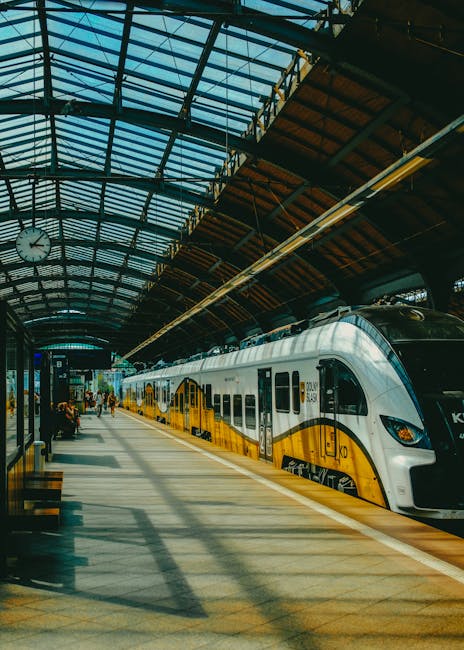
Barcelona has three main train stations that handle different kinds of services, plus several smaller stations connected through the metro. The flagship station — Barcelona Sants — is the high-speed and long-distance hub, serving AVE trains to Madrid, Seville, Malaga, Zaragoza, and Paris (the high-speed line was extended into France in 2013), as well as international services. Passeig de Gracia is the central Eixample station, ideal for travellers with hotels in the Modernist district. Estacio de Franca is the historical Belle-Epoque station serving regional and some international Talgo trains. Add a network of Rodalies (Catalonia regional rail) stations across the city, and Barcelona’s railway infrastructure is dense, fast, and underrated. This complete guide to barcelona train stations covers every major hub: sants station barcelona, the trains from barcelona network, the AVE high-speed services, and how to choose the right renfe barcelona station for your destination. Whether you’re heading to Madrid on the AVE, Sitges on the Rodalies, or France on a sleeper, knowing which station to use makes the difference between a smooth trip and a frantic taxi ride across the city.
The Three Main Stations
Barcelona Sants (Estacio de Sants)
The flagship hub. Opened in 1979 as a successor to Barcelona’s original 19th-century stations. Located in the Sants neighbourhood, 3 km west of the Old City. Handles:
- AVE high-speed trains: Madrid (2 hr 30 min), Seville (5 hr 30 min), Malaga (5 hr 50 min), Zaragoza (1 hr 25 min), Tarragona (35 min), Lleida (50 min), Girona (38 min), Figueres (55 min).
- International high-speed services: Paris (about 6 hr 30 min to 6 hr 50 min, SNCF TGV inOui), Lyon (about 5 hr) and Marseille (about 5 hr 30 min) on Renfe AVE; Toulouse with a change at Narbonne (about 4 hr). The joint Renfe-SNCF operation ended in 2022, and the two companies now run their own trains.
- Long-distance trains: Bilbao, Vigo, Galicia overnight services.
- Regional Catalan trains: All Rodalies and regional services pass through.
- Metro: L3 (Green) and L5 (Blue).
- Buses: Long-distance bus terminal across the road.
Sants has 14 platforms; 6 dedicated to the AVE high-speed network. Facilities include 24-hour pharmacy, ATMs, eateries, lounges, taxi rank, car rentals, left-luggage. The station is functional rather than beautiful — a 1970s concrete construction that has been refurbished but lacks character.
Passeig de Gracia
The central station underneath Passeig de Gracia at the heart of Eixample. Opened in 1902. Convenient for hotels in the Modernist district. Handles:
- Rodalies de Catalunya regional services: R2 (to Sitges, Castelldefels, airport), R11 (to Girona, Figueres), R13 (to Lleida), R14 (to Reus, Tarragona), R15 (to Reus), R16 (to Tarragona).
- Metro: L2, L3, L4 (three lines intersect here — exceptionally connected).
- NOT high-speed AVE: All AVE trains depart from Sants.
The station is small — three platforms underground — and easily navigable. Excellent for travellers staying in Eixample who want to avoid the hassle of getting to Sants. The R2 to the airport stops here.
Estacio de Franca
The Belle Epoque station opened in 1929. The most architecturally beautiful train station in Spain. Located in El Born, near Parc de la Ciutadella and the Old Port. Handles:
- Some Talgo regional services: Limited but increasing routes to Andalusia and Galicia.
- Some R2 Rodalies services: Especially toward Mataro and Maresme coast.
- Historic preservation: The station’s grand iron-and-glass marquee, marble columns, and Modernist details are themselves a tourist attraction.
Most international services moved from Franca to Sants in the 1990s; Franca is now used for fewer trains but remains operational and beautiful. Often used as a film location (the Bond film “The World is Not Enough” filmed scenes here).
Other Important Stations
Plaça Catalunya
Underground Rodalies station beneath the city’s central plaza. Handles R1, R3, R4, R7 lines (to Manresa, Sant Vicenç de Calders, Vilanova). Connects to metro L1, L3, L6, L7. Very convenient for travellers staying in central Eixample or Old City.
El Clot-Aragó
Major Rodalies station for travellers heading northeast. R1 to Barceloneta and Sant Celoni; R2 to Sitges direction. Metro L1 connection.
L’Hospitalet (Bellvitge)
Outside the city centre but a major freight and Rodalies hub.
Sant Andreu Comtal
Northern station; R1 line; serves families heading to coastal Maresme.
AVE High-Speed Trains
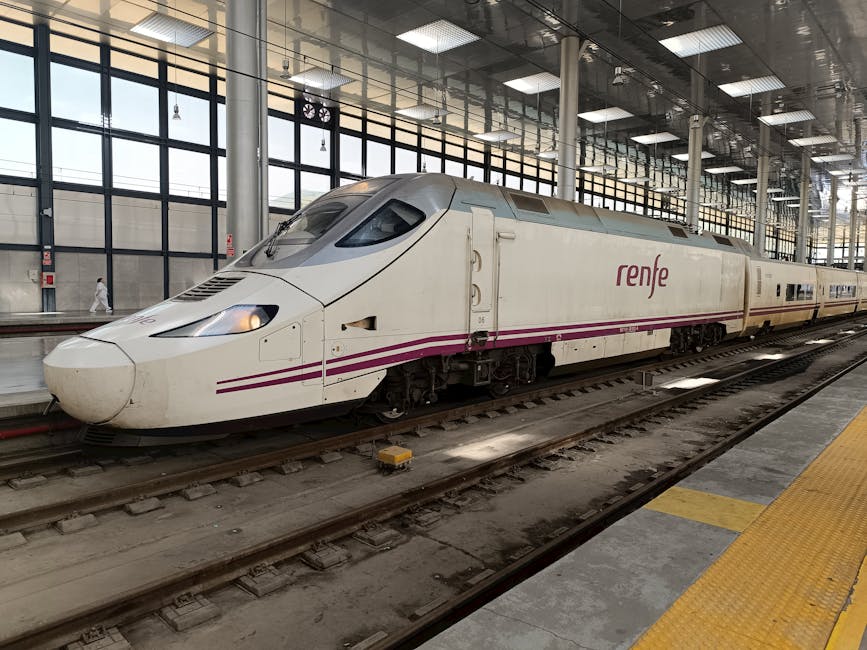
The AVE (Alta Velocidad Espanola) is Spain’s high-speed rail brand. Top speed 310 km/h on the Madrid-Barcelona corridor. Key facts:
- Madrid-Barcelona AVE: 2 hr 30 min (621 km); typical fares 35-150 EUR depending on flexibility and class.
- Tickets: Buy via Renfe.com, Trainline, Omio, or at station counters/machines. Online tickets are cheaper if booked 2+ weeks ahead.
- Classes: Turista (standard); Turista Plus (more legroom); Preferente (business); Preferente Plus; Sala Club lounges in Sants.
- Frequency: 25+ daily Madrid-Barcelona services; every 30-60 minutes peak hours.
- Check-in: Arrive 30 minutes before departure. Security check at AVE entrance (similar to airport).
- ID: Bring passport for international trains.
International Train Services
Paris and France
SNCF runs two direct TGV inOui trains a day from Sants to Paris Gare de Lyon, taking about 6 hr 30 min to 6 hr 50 min, with advance fares from about 39 EUR. Renfe runs direct AVE trains to Lyon (about 5 hr) and Marseille (about 5 hr 30 min), also from about 39 EUR. For Toulouse, change at Narbonne (about 4 hr in all). Book early for the best fares, as the cheapest seats go first.
Switzerland and Beyond
No direct trains to Switzerland or Italy as of mid-2026; transfer in Lyon or Paris.
Sleeper Trains
The Trenhotel sleeper to Lisbon (overnight) was discontinued during the pandemic; the Madrid-Barcelona overnight service is operational. Spanish sleeper trains have private compartments (cabin for one or two), shower, breakfast included.
Rodalies (Regional Trains)
Rodalies de Catalunya is the suburban/regional rail operator. 8 lines (R1-R8 plus R11, R13, R14, R15, R16). Serves day-trips and commuter routes:
- R1: North coast — Mataro, Calella, Sant Pol de Mar.
- R2: South coast — Castelldefels, Sitges, Vilanova; airport branch.
- R3: Inland — Vic, Puigcerda.
- R4: Inland — Manresa, Lleida; through Sant Sadurni d’Anoia (Penedes wine country).
- R7/R8: Suburban — Cerdanyola, Martorell.
- R11: Regional — Girona, Figueres.
- R13/R14/R15/R16: Tarragona, Reus, Lleida.
Rodalies tickets: 2.50-7 EUR depending on zone. Buy at station machines, counters, or use the T-Casual card (which covers some lines).
Getting to and from the Stations
To Sants
- Metro: L3 (Green) or L5 (Blue) to Sants Estacio.
- Bus: Multiple lines stop at Sants.
- Taxi: 8-15 EUR from central Barcelona.
- Aerobus: A1/A2 from airport.
- Walking: 35 min from Plaça Catalunya.
To Passeig de Gracia
- Metro: L2, L3, L4 — three lines intersect here.
- Walking: 5-10 min from most Eixample hotels.
- Taxi: 5-12 EUR.
To Estacio de Franca
- Metro: Barceloneta (L4) — 5-min walk.
- Walking: 10-15 min from Old City.
- Taxi: 8-12 EUR from Plaça Catalunya.
Choosing the Right Station
For Madrid AVE
Always Sants. AVE doesn’t stop at Passeig de Gracia or Franca.
For Sitges, Castelldefels, Vilanova
Passeig de Gracia (R2). Cleaner and more central than Sants. Sants also serves these but Passeig is closer for most travellers.
For Girona and Figueres
Two options: AVE from Sants (38 min to Girona; 55 min to Figueres; 30-45 EUR), or Rodalies R11 from Passeig de Gracia (1 hr 30 min to Girona; cheap, 9-15 EUR). Choose AVE for speed; Rodalies for budget.
For Tarragona
AVE from Sants (35 min); regional R14/R16 from Passeig de Gracia (1 hr 10 min). AVE is much faster.
For the Airport
R2 Nord from Passeig de Gracia or Sants. 30 min; 4.60 EUR. Cheaper than Aerobus (5.90 EUR) but slightly slower.
For Penedes (Sant Sadurni / Vilafranca)
R4 from Sants or Passeig de Gracia. 45-50 min; 4-5 EUR.
For Paris and France
Sants (international AVE/TGV-Inoui). Allow 1 hour buffer for boarding.
Buying Tickets
For Rodalies
Buy at station machines or counters. T-Casual covers R1-R8 within zone 1. Single tickets 2.50-7 EUR.
For Regional and AVE
- Renfe.com: Official site; cheapest if booked 2+ weeks ahead. English language available.
- Trainline.com / Omio: Aggregators; small markup but easier interface.
- Station counters: Open daily; English usually available.
- Vending machines: Available 24/7; multiple language options.
Refunds and Changes
Renfe’s flexible fares allow free changes; advance fares (Promo, Promo+) have 15-30% cancellation fees. Always check terms before booking.
Practical Tips for Train Travel
- Arrive 30 minutes before AVE departures (security check).
- Bring your passport for international trains.
- Check ticket on phone or paper — Renfe accepts both.
- Free WiFi available on AVE.
- Power outlets at every seat in AVE Turista Plus and Preferente.
- Onboard cafe service available.
- Luggage: 2 bags (90 cm + 75 cm + 56 cm = 270 cm total) plus hand luggage allowed in standard fares.
- Bicycles allowed on regional trains; AVE only with bag.
- Pets allowed on most services in carrier.
- Wheelchair access at all major stations.
- Left-luggage at Sants: 5-9 EUR per item per day.
Where to Eat at the Stations
At Sants
- Sant Antoni Cafeteria: Reliable Spanish dishes.
- Pans & Company: Spanish sandwich chain.
- Vips Smart: American-style.
- Avoid: Most station eateries are mid-range; better food is 5 minutes away in Sants neighbourhood.
At Passeig de Gracia
The station itself has minimal options; you’re better off eating in surrounding Eixample restaurants.
At Franca
Limited food at the station; nearby El Born has excellent options (Picnic, Cuines de Santa Caterina).
Sample Train Day Trips from Barcelona
- Tarragona: AVE from Sants (35 min, 18-30 EUR) or R14 from Passeig de Gracia (1 hr 10 min, 9 EUR).
- Sitges: R2 from Passeig de Gracia (35 min, 8 EUR round trip).
- Castelldefels: R2 (30 min, 6 EUR round trip).
- Penedes wine country: R4 from Sants (45 min, 8 EUR round trip).
- Girona: AVE from Sants (38 min, 30-50 EUR each way) or R11 (1 hr 30 min, 12 EUR each way).
- Figueres (Dali Museum): AVE from Sants (55 min, 35-60 EUR).
- Madrid: AVE from Sants (2 hr 30 min, 35-150 EUR).
Frequently Asked Questions
What’s the main station in Barcelona?
Sants. All AVE high-speed trains depart from here.
Where do AVE trains arrive and depart?
Barcelona Sants only.
Is Passeig de Gracia or Sants better?
Passeig de Gracia for Eixample hotels and Rodalies; Sants for AVE and long-distance.
How early should I arrive?
30 min for AVE; 5-10 min for Rodalies.
How much is a Madrid AVE ticket?
35-150 EUR. Best fares 2-4 weeks ahead online.
Are there sleeper trains?
Yes — Madrid-Barcelona overnight service operational. International sleepers limited.
Can I take a bike?
Folded bikes free on regional and AVE; full bikes only on Rodalies and select regional services.
Are there left-luggage facilities?
Yes at Sants (5-9 EUR per item per day) and Passeig de Gracia.
Do I need to print my ticket?
No. E-ticket on phone is fine.
Are there lounges?
Yes — Sala Club at Sants (Preferente fare or Renfe Pass holders).
Is there WiFi on trains?
Yes on AVE; some regional trains.
Are tickets refundable?
Depending on fare class. Flexible fares free; advance fares 15-30% fee.
Where can I get to from Sants?
Madrid, Seville, Malaga, Bilbao, Galicia, Paris, Lyon, Marseille, Toulouse, plus all Catalan regional destinations.
What’s the most beautiful station?
Estacio de Franca (Belle Epoque architecture).
Is Sants safe?
Yes. Pickpocketing concerns at peak hours; standard precautions.
Are there metro connections?
Yes at all three main stations: Sants (L3, L5); Passeig de Gracia (L2, L3, L4); Franca (Barceloneta L4 nearby).
Can I buy international train tickets at Sants?
Yes at the international ticket counter on the main concourse.
Final Thoughts: A Network That Rewards Knowing It
The right approach to barcelona train stations is to match your destination to the right station: Sants for AVE and long-distance; Passeig de Gracia for Rodalies and Eixample convenience; Franca for atmosphere and limited regional services. Book online ahead for AVE; buy at station machines for Rodalies; arrive 30 minutes before high-speed departures. With the right station and a planned ticket, the Catalan rail network is among the most efficient in Europe.
For more, see our getting around pillar, the airport transfer guide, the metro guide, and the day trips pillar.
Sants also connects directly to the airport, via the Renfe R2 Nord — though only to Terminal 2, which means passengers flying from T1 need the free inter-terminal shuttle first. It is the cheapest route of the four and the most useful if you are heading straight for an onward AVE. Our Barcelona airport guide compares it with the metro, the Aerobús and a taxi, and explains why the train to Madrid still beats the plane once transfers are counted.
Sants handles the busiest domestic route in Spain, and it is worth knowing how that route works before you buy a ticket. Three operators — Renfe, Ouigo and iryo — run the same tracks at the same speeds for wildly different fares, which we unpick in our guide to getting from Barcelona to Madrid, along with the security queue times and the boarding-gate rules that catch first-timers out.
Knowing which station you need is only half of it; the other half is knowing what leaves from each. Sants handles every high-speed service to Madrid, Seville, Paris and Marseille, while the long-distance coaches go from Estació del Nord and the ferries from the port entirely. Our guide to travelling onward from Barcelona maps the departure points against the destinations.
The Paris trains are the station’s most glamorous departures. Our Barcelona to Paris by train guide explains the direct TGV from Sants to Gare de Lyon, the booking tricks that keep the fare down, and what to expect on the journey of nearly seven hours.