We get commissions for bookings made through this post. Booking links, and any accommodation options shown on the page, are handled by a partner that adds commission tracking automatically. It never costs you more, and it never affects what we recommend. Affiliate disclosure
Choosing the best time to visit Barcelona can make the difference between a good trip and an unforgettable one. This sun-drenched Mediterranean city offers something magical in every season, but the weather, crowd levels, hotel prices, and local events vary dramatically throughout the year. Whether you want perfect beach weather, festival energy, or quiet streets for exploring, this month-by-month guide will help you plan the ideal Barcelona trip.
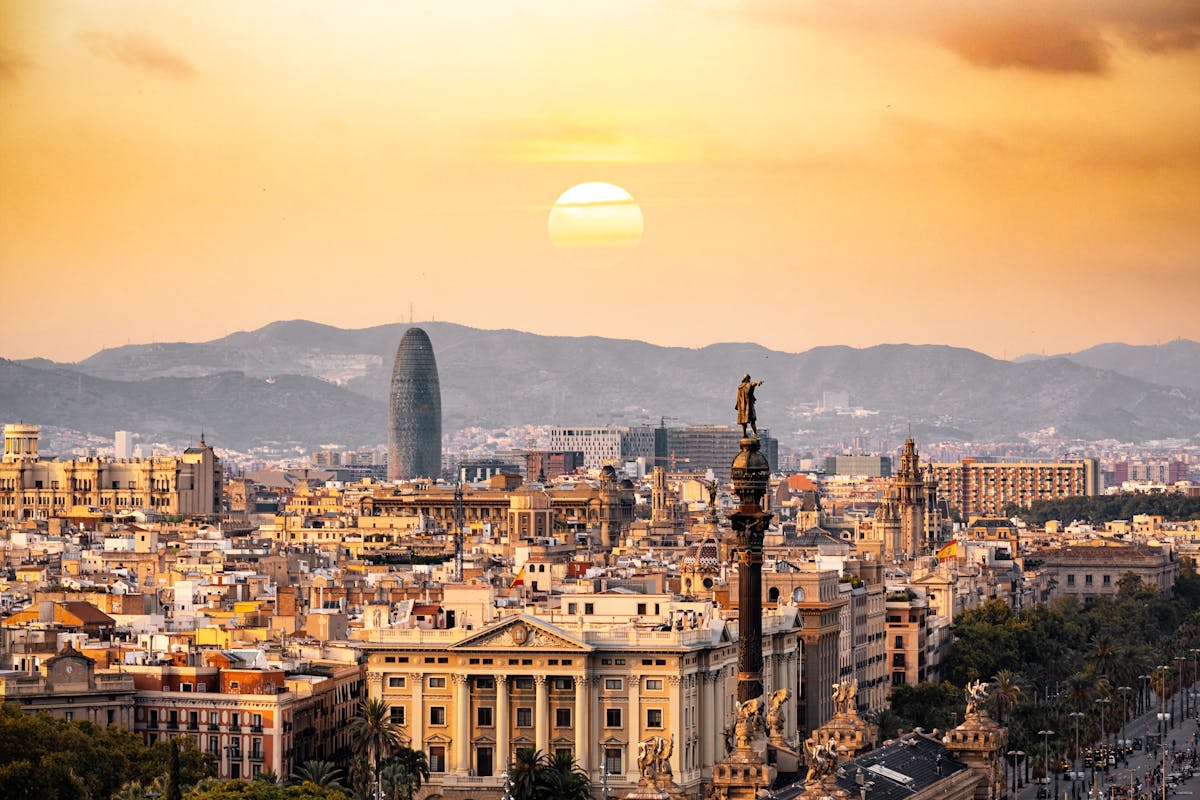
Planning a trip to the Catalan capital and wondering about the best time to visit Barcelona? You are not alone. With over 12 million tourists arriving each year, timing your visit can make the difference between a magical holiday and an exhausting slog through sweltering crowds. Barcelona enjoys a Mediterranean climate with mild winters, warm summers, and more than 2,500 hours of sunshine annually, which means there is genuinely no terrible month to arrive. However, each season offers a distinctly different experience in terms of weather, prices, crowd density, and cultural events.
This comprehensive month-by-month guide breaks down barcelona weather by month, tourist volumes, average hotel costs, key festivals, and practical packing tips so you can choose the perfect window for your trip. Whether you are chasing beach days, hunting for bargains, or hoping to experience world-class festivals without the masses, the information below will help you decide when to go barcelona with confidence.
Barcelona Climate at a Glance
Before diving into individual months, it helps to understand the broad strokes. Barcelona sits on the northeastern Mediterranean coast of Spain at roughly 41 degrees north latitude, similar to Rome or Chicago. The sea moderates temperature extremes, keeping winters mild and summers hot but rarely unbearable. Annual rainfall averages around 600 mm (24 inches), with the wettest months falling in autumn. Humidity can be noticeable in July and August, when the combination of heat and moisture makes the city feel warmer than the thermometer suggests.
The city experiences four loosely defined tourist seasons: barcelona peak season runs from June through August, a shoulder season spans April to May and September to October, and the barcelona off season covers November through March. Understanding these patterns is central to choosing the best time to visit Barcelona for your personal priorities.
Spring (April – June): The Sweet Spot
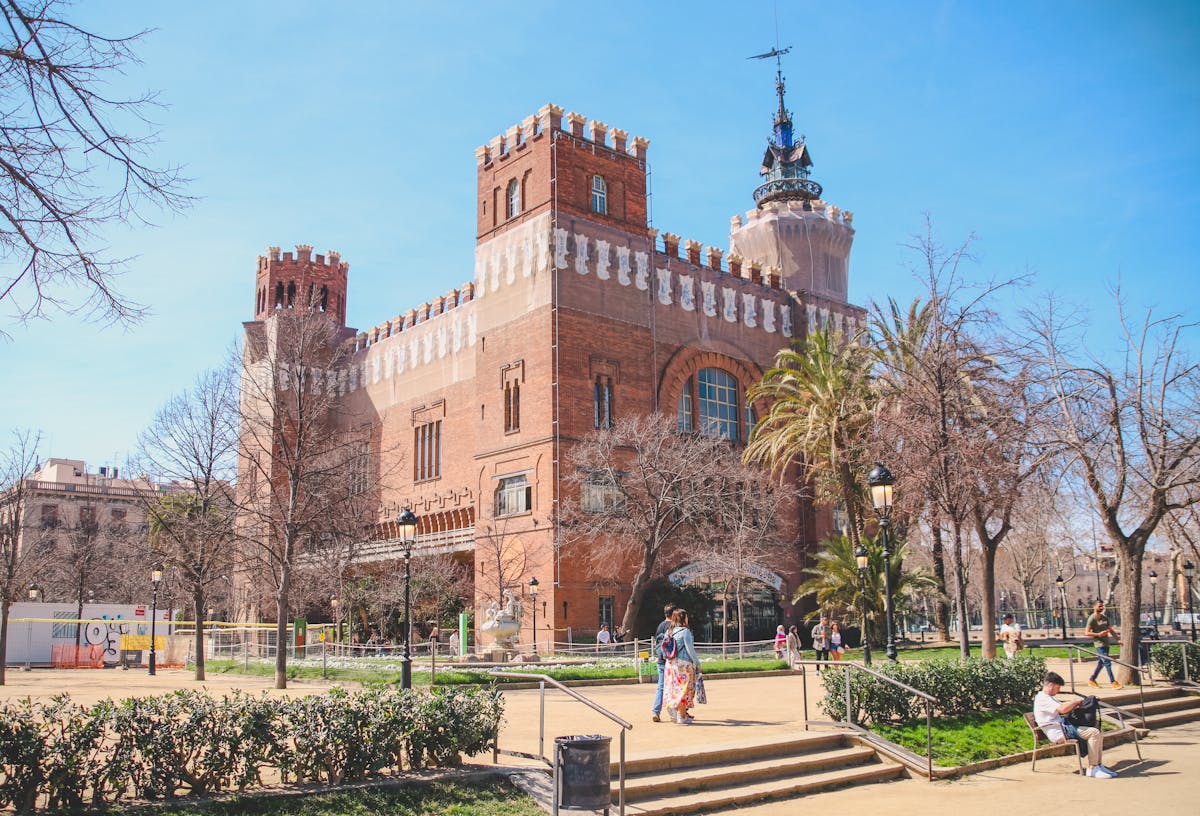
April
April is when Barcelona shakes off winter and truly comes alive. Average high temperatures hover around 18-20 °C (64-68 °F), with lows around 11 °C (52 °F). Rainfall is moderate at approximately 50 mm, usually arriving in brief afternoon showers rather than all-day downpours. The sea temperature sits around 14-15 °C (57-59 °F), which is too cold for most swimmers but fine for coastal walks.
Crowds are manageable in April, though Easter week (Semana Santa) brings a noticeable spike. Hotel prices range from 120 to 180 euros per night for a mid-range double room, representing solid value compared to summer. Key events include Sant Jordi on April 23, Barcelona’s own Valentine’s Day, when the streets fill with book and rose stalls. For many seasoned travellers, April represents the best time to visit Barcelona, balancing pleasant weather with reasonable prices.
Packing tip: Bring layers. Mornings can be cool, especially near the waterfront, but afternoons warm up nicely. A light rain jacket is wise.
May
May is arguably the single finest month in the city. Temperatures climb to 21-23 °C (70-73 °F), rain decreases, and daylight stretches past 9 PM. The sea warms to around 17 °C (63 °F), and the bravest visitors begin dipping their toes at Barcelona’s beaches. Crowds increase compared to April but remain well below summer levels.
Hotel rates edge upward to roughly 140-200 euros per night. Cultural highlights include the Guitar BCN festival, open-air cinema screenings, and the Primavera Sound music festival at the end of the month. If your schedule allows only one window, May is the month that most travel experts recommend when advising on the best time to visit Barcelona.
June
June straddles the line between shoulder season and peak season. Early June still feels pleasantly uncrowded, while the second half sees a marked increase in tourist arrivals. Average highs reach 26-28 °C (79-82 °F), and the sea temperature hits a swimable 21 °C (70 °F). Rainfall drops to around 30 mm, making it one of the driest months of the year.
The highlight of June is the Festa de Sant Joan on the night of June 23, when bonfires blaze on the beaches, fireworks light up the sky, and the entire city stays up until dawn. Hotel prices jump to 160-240 euros as the barcelona peak season approaches. Pack light summer clothing, sunscreen, and a hat.
Summer (July – August): Sun, Sea, and Crowds
July
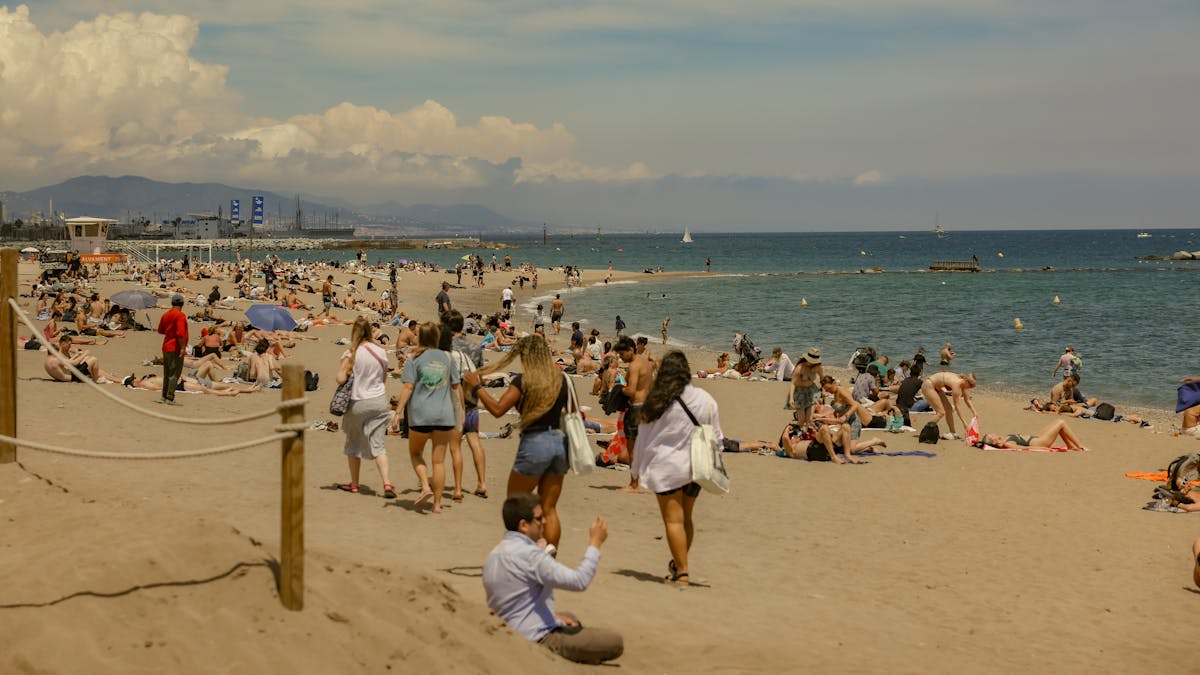
July is full-throttle summer in Barcelona. Average highs reach 29-31 °C (84-88 °F), and on heatwave days the mercury can spike above 35 °C (95 °F). The sea is a welcoming 24 °C (75 °F), and the beaches become the social hub of the city. Rainfall is negligible, sometimes not a single drop for weeks.
This is unambiguously peak season. Queues at the top attractions such as the Sagrada Familia and Park Guell can stretch beyond an hour without pre-booked tickets. Hotel prices range from 200 to 300 euros per night, and popular restaurants require reservations days in advance. Despite the intensity, July remains a popular choice for families and beach lovers seeking the best time to visit Barcelona for guaranteed sunshine.
Packing tip: Lightweight, breathable clothing is essential. Bring a reusable water bottle, high-SPF sunscreen, and comfortable sandals that can handle both cobblestones and sand.
August
August deserves special attention because it reveals a fascinating paradox. Tourist numbers hit their absolute peak, yet many locals flee the city entirely. Historically, August is when Barcelonans take their annual holidays, and you will notice shuttered neighbourhood restaurants, closed independent shops, and a slightly ghostly feel in residential barrios like Gracia or Poble Sec. The city centre, meanwhile, is packed almost exclusively with visitors.
Temperatures are similar to July, averaging 29-31 °C (84-88 °F) with higher humidity. Sea temperature peaks at around 25-26 °C (77-79 °F). The Festa Major de Gracia in mid-August transforms the narrow streets of the Gracia neighbourhood into an extraordinary open-air art installation, with residents competing to create the most elaborately decorated street. Hotel prices remain at 200-300 euros, though last-minute deals occasionally appear as some travellers cancel due to heat warnings.
Insider tip: Locals avoid August for good reason. The heat is relentless, many authentic dining options close, and the beaches are uncomfortably crowded. If summer is your only option, early July offers a better balance. For a deeper dive into planning, check our Barcelona itineraries page.
Autumn (September – November): The Underrated Gem
September
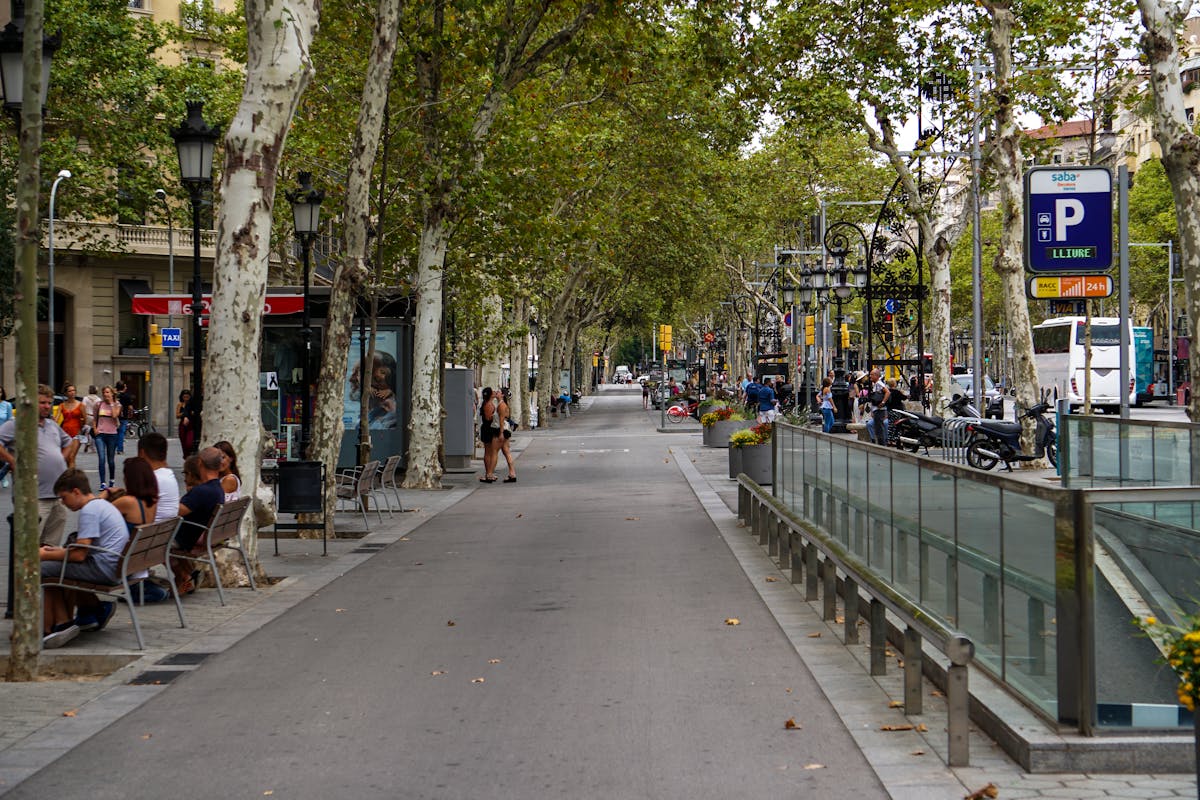
September is a superb month that many experienced visitors consider the true best time to visit Barcelona. The intense summer heat begins to relent, with average highs around 26-28 °C (79-82 °F), yet the sea remains beautifully warm at 24 °C (75 °F). Locals return from holiday, restaurants reopen, and the city regains its authentic rhythm.
The crown jewel of September is La Merce, Barcelona’s largest street festival, held around September 24. For five days, the city erupts with free concerts, human tower (castells) displays, fire runs (correfocs), and a spectacular fireworks show at the Magic Fountain of Montjuic. Hotel prices begin to drop to around 150-220 euros per night, offering better value than the summer months.
Rainfall increases slightly compared to summer, averaging around 80 mm, but September storms tend to be short and dramatic, clearing quickly to reveal blue skies. This is a month that rewards visitors with warm weather, vibrant culture, and thinner crowds.
October
October continues the pleasant autumn trend. Highs average 22-24 °C (72-75 °F), entirely comfortable for sightseeing on foot. The sea cools to around 21 °C (70 °F), still warm enough for a swim on sunny days. October is the wettest month alongside November, averaging 90-100 mm of rainfall, so an umbrella becomes a wise companion.
Crowds thin as the month goes on, though hotel prices stay high in the first half, when the conference season is at its peak. The city’s cultural calendar fills with indoor events, including the Sitges Film Festival just south of Barcelona, and the beginning of the opera and classical music season at the Liceu. October is an excellent choice for culture-focused travellers, art enthusiasts, and anyone who prefers exploring without battling crowds at every turn. Many budget-conscious visitors find October the best time to visit Barcelona for combining value with decent weather.
November
November marks the transition toward winter. Average highs sit around 17-18 °C (63-64 °F), with cooler evenings dropping to 10 °C (50 °F). The sea is now too cold for most swimmers at around 17 °C (63 °F). Rainfall remains elevated, and grey skies appear more frequently, though Barcelona still enjoys far more sunshine than northern European cities.
This is firmly barcelona off season territory. Hotel prices can dip to 90-150 euros per night, and you may find yourself nearly alone in museums and galleries. November 1 brings All Saints Day, and later in the month Christmas lights begin appearing on the main boulevards. It is a reflective, quieter Barcelona that many repeat visitors come to love.
Packing tip: A medium-weight jacket, a scarf, and waterproof shoes will keep you comfortable. Layering remains key as midday sun can still feel warm.
Winter (December – March): Mild, Affordable, and Authentic

December
December brings a festive atmosphere to Barcelona. Average highs are around 14-15 °C (57-59 °F), mild by European winter standards. Snow is virtually unheard of in the city centre. The famous Fira de Santa Llucia Christmas market fills the square beside the Cathedral with handcrafted ornaments, nativity figures, and the uniquely Catalan caganer figurines.
Hotel prices spike mildly around Christmas and New Year (150-200 euros) but remain below summer levels. Crowds are moderate during the holiday period but thin outside it. December is the best time to visit Barcelona if you want to experience Catalan Christmas traditions, including the Tio de Nadal log-beating ceremony on Christmas Eve. Families travelling with children will find plenty of festive activities detailed in our Barcelona with kids guide.
January
January is the quietest and most affordable month. After the Three Kings Parade on January 5, which features elaborate floats and mountains of sweets thrown to children lining the streets, the city enters a calm lull. Average highs are 13-14 °C (55-57 °F), and while the occasional cold snap can push temperatures lower, it rarely feels harsh. Rainfall is low at around 40 mm.
Hotel rates plunge to 80-130 euros per night, and the winter sales (rebaixes) that begin in early January offer outstanding shopping bargains. Museum queues are virtually non-existent, and you can walk through the Gothic Quarter in near solitude on weekday mornings. For budget travellers, January is arguably the best time to visit Barcelona for sheer value.
Insider tip on free museum days: Many of Barcelona’s top museums offer free entry on the first Sunday of each month, including the Picasso Museum, MNAC, and the Museum of the History of Barcelona (MUHBA). In winter, these free days are far less chaotic than in summer, making them genuinely enjoyable rather than a crowded ordeal. Some museums also offer free entry on certain afternoons, typically after 3 PM on Sundays. Check the official Barcelona Tourism website for current schedules.
February
February is similar to January in terms of weather, with highs around 14-15 °C (57-59 °F) and low rainfall. The city remains quiet, though Carnival (Carnestoltes) in mid-to-late February injects bursts of colour and energy with parades, costume contests, and the mock funeral of the sardine on Ash Wednesday.
Almond trees begin blooming on the outskirts of the city, hinting at the approaching spring. Hotel rates hover at 90-140 euros, and flight prices from most European cities remain at their annual lows. February rewards visitors with an unhurried, authentic Barcelona experience. Couples seeking a romantic getaway often find February to be the best time to visit Barcelona, thanks to empty plazas, candlelit tapas bars, and none of the summer frenzy.
March
March feels like a turning point. Highs reach 16-18 °C (61-64 °F), daylight hours lengthen, and outdoor terrace cafes begin filling up again. The sea is still chilly at around 13 °C (55 °F), but the warming sun makes coastal promenades delightful. Rainfall averages around 40 mm.
Crowds begin to pick up, especially if Easter falls in March. Hotel prices rise slightly to 110-170 euros. The Festa de Sant Medir in early March sees a parade through Gracia with tonnes of sweets thrown from floats, a quirky local tradition few tourists witness. March is a strong choice for those who want improving weather at barcelona off season prices.
Sea Temperature Chart
For beach lovers, the sea temperature is often the deciding factor when choosing the best time to visit Barcelona. Here is a month-by-month overview of average Mediterranean water temperatures off the Barcelona coast:
| Month | Sea Temp °C | Sea Temp °F | Swimmable? |
|---|---|---|---|
| January | 13 | 55 | No |
| February | 12 | 54 | No |
| March | 13 | 55 | No |
| April | 15 | 59 | Cold |
| May | 17 | 63 | Brisk |
| June | 21 | 70 | Yes |
| July | 24 | 75 | Yes |
| August | 26 | 79 | Yes |
| September | 24 | 75 | Yes |
| October | 21 | 70 | Yes |
| November | 17 | 63 | Brisk |
| December | 14 | 57 | No |
June through October offers the most comfortable swimming, with August being the warmest. If beach time is your top priority, this range represents the best time to visit Barcelona for sea swimming. For reference, Weather Atlas provides detailed historical data on Barcelona’s climate patterns.
Budget Breakdown by Season
Your travel budget stretches dramatically depending on when you arrive. Here is a rough guide to what a couple can expect to spend per day (mid-range comfort level) in each season:
| Season | Hotel (per night) | Meals (per day) | Attractions | Approx. Daily Total |
|---|---|---|---|---|
| Peak (Jul-Aug) | 200-300 € | 70-100 € | 40-60 € | 310-460 € |
| Shoulder (Apr-Jun, Sep-Oct) | 130-220 € | 60-80 € | 35-50 € | 225-350 € |
| Off Season (Nov-Mar) | 80-150 € | 50-70 € | 30-45 € | 160-265 € |
The difference is striking. A week-long trip in January could cost 40 to 50 percent less than the same itinerary in August. For a comprehensive overview of planning your trip around these costs, visit our Barcelona travel guide.
Crowd Levels and Practical Strategies
Understanding crowd patterns helps you enjoy the city regardless of when you visit. During barcelona peak season, advance booking is not optional but essential. Purchase timed-entry tickets for the Sagrada Familia, Park Guell, Casa Batllo, and La Pedrera at least two to three weeks ahead. Restaurants in the Gothic Quarter, El Born, and Barceloneta should be reserved for dinner.
During the shoulder months, booking a week ahead is usually sufficient for most attractions, though Sagrada Familia tickets should still be secured early. In the off season, you can often walk up to ticket counters with minimal waiting, and restaurant reservations are rarely necessary outside weekends.
A smart strategy regardless of season: visit major attractions early in the morning or late in the afternoon, eat lunch at the traditional Spanish time of 2 PM when tourist restaurants empty out, and explore residential neighbourhoods like Sant Antoni, Poble Sec, or Sarria for a more authentic and less congested experience.
Another consideration is day of the week. Weekends see higher domestic tourism, particularly from May through October, as visitors from Madrid and other Spanish cities take short breaks. If you are debating the best time to visit Barcelona within a given week, Tuesday through Thursday tends to offer the lightest crowds at major landmarks. Monday can also be quiet on the streets, though note that several museums close on Mondays.
When to Go Barcelona: Final Recommendations
Choosing the best time to visit Barcelona ultimately depends on your priorities. Here is a quick summary to guide your decision:
- Best overall months: May and September offer the ideal combination of warm weather, manageable crowds, and vibrant culture.
- Best for beaches: Late June through early September, when sea temperatures are warmest and daylight stretches past 9 PM.
- Best for budget travellers: January and February deliver the lowest prices on flights, hotels, and dining.
- Best for festivals: September (La Merce) and June (Sant Joan) deliver unforgettable citywide celebrations.
- Best for families: April, May, and October avoid extreme heat while offering comfortable sightseeing conditions.
- Best for food lovers: October and November, when autumn menus feature seasonal Catalan ingredients like wild mushrooms, calcots, and new-harvest olive oil.
No matter when to go barcelona, the city rewards visitors with extraordinary architecture, a thriving food scene, golden Mediterranean light, and a cultural depth that few European cities can match. The best time to visit Barcelona is ultimately whenever you can go, armed with the right expectations and a plan that fits the season.
Frequently Asked Questions
What is the cheapest month to fly to Barcelona? January and February typically offer the lowest airfares from most European and North American airports. Midweek departures in these months can be 50 to 60 percent cheaper than peak-season flights.
Is Barcelona worth visiting in winter? Absolutely. While beach days are off the table, the mild temperatures, empty museums, festive markets, and rock-bottom prices make winter an excellent time for culture-focused and budget-minded travellers. Many repeat visitors specifically choose the barcelona off season to experience the city without tourist congestion.
Can you swim in Barcelona in October? Yes, on warm days the sea temperature in October still hovers around 21 °C (70 °F), which is comfortable for a swim. Locals often swim well into mid-October, especially during Indian summer spells when air temperatures can reach 25 °C.
How far in advance should I book the Sagrada Familia? During barcelona peak season (June through August), book at least three weeks ahead. In shoulder and off-season months, one to two weeks is usually sufficient, though securing tickets early always guarantees your preferred time slot.
Understanding barcelona weather by month and the rhythm of the city’s tourism calendar is the single most valuable piece of trip planning you can do. Armed with the details in this guide, you are now ready to pick the perfect dates and make the most of every moment in this remarkable Mediterranean city.
For official visitor information, opening hours, and event calendars, consult Barcelona City Council’s official portal, which is updated regularly with the latest practical details for travellers.
This page makes the call. If you would rather see the underlying numbers and decide for yourself, our Barcelona month-by-month reference sets out all twelve months side by side — temperature, rainfall, sea temperature, sunshine hours, crowd levels, hotel prices and what is actually happening in the streets — with an honest verdict on each.
Once you have picked a season, our month-by-month guides go into the detail, with the weather, dated events for 2027, crowds and prices for each month: January, April, May, June, July, August, September, October and December so far. The month-by-month overview sets all twelve months side by side.