We get commissions for bookings made through this post. Booking links, and any accommodation options shown on the page, are handled by a partner that adds commission tracking automatically. It never costs you more, and it never affects what we recommend. Affiliate disclosure
The Barcelona Packing List That Actually Works for Every Season
Barcelona’s Mediterranean climate is mild, but it has more variety than most visitors expect. April mornings can be chilly enough for a light fleece; July afternoons hit 35 degrees Celsius with high humidity; January nights drop to 5 degrees. The right packing strategy depends on the season, your itinerary, and your style. This barcelona packing list walks you through what to bring for every season, with specific notes on what to wear at the Sagrada Familia, what to pack for a beach day, and the small extras that locals quietly never travel without. By the end of this article you will have a complete checklist, organised by season, with clear advice on what to wear in barcelona, the local barcelona dress code, and stylish but practical barcelona outfit ideas.
Whether you are visiting in chilly January or peak August, the right packing approach saves luggage space and stress. Read it before you pack and bookmark it for next time.

The Year-Round Essentials
Pack these regardless of season:
- Comfortable walking shoes. The single most important item. Cobbled streets and 10-15 km daily walks demand real comfort.
- Cross-body bag with zipped pockets. Pickpocket protection. Wear in front in crowded areas.
- Reusable water bottle. Tap water is safe; refill stations across the city.
- Power bank. Phone use is intensive: photos, navigation, tickets, translation.
- Universal travel adapter. Spain uses Type C and F (European 2-pin/Schuko).
- Photo ID and passport copy. Carry copy; lock original.
- Travel insurance documents. Saved on phone and in writing.
- Small first-aid kit. Plasters, paracetamol, antiseptic.
- Sunglasses. Mediterranean sun is strong year-round.
- One smart-casual outfit. For tasting-menu dinners or rooftop bars.
- Modest layer for churches. Sagrada Familia, Cathedral, and others enforce shoulder coverage.
- Camera or smartphone with charger.
- Cash and cards. 50 to 100 EUR cash plus cards.
- A small daypack. For sightseeing days.
Spring (March-May)
Barcelona spring is mild and unpredictable. Mornings can be cool (10 to 14 degrees Celsius), afternoons warm (16 to 22 degrees), evenings cool again. Some rain.
Clothing
- Light layers: T-shirts and one or two long-sleeve options.
- One light fleece or sweatshirt for evenings.
- One light packable rain jacket.
- Long pants and one pair of comfortable shorts (for warmer afternoons).
- Lightweight scarf (also doubles for shoulder coverage at churches).
- Comfortable walking shoes.
- One pair of nicer shoes for evenings.
- Light sweater or cardigan.
- One swimsuit (for occasional warm afternoon swims, mid-May only).
Accessories
- Light hat or cap.
- Sunglasses.
- Sunscreen SPF 30 (UV intensifies through May).
- Reusable water bottle.
Summer (June-August)
Hot and humid. Daytime 26-32 degrees Celsius; afternoons can hit 35 degrees. Mediterranean humidity makes it feel warmer. Cool mornings around 22 degrees. Evenings stay warm; light fabric is essential.
Clothing
- Lightweight cotton or linen tops, short-sleeve and tank.
- Lightweight breathable bottoms: shorts, skirts, light pants.
- Multiple swimsuits (so you have a dry one).
- Beach cover-up.
- Light evening dress or shirt for cooler evenings.
- Comfortable walking sandals (not flip-flops; they damage feet on cobbles).
- One pair of sneakers.
- One pair of nicer evening shoes.
- One light long-sleeve shirt (for restaurant air-conditioning and sun protection).
- Light cotton sweater (for cool nights).
- Modest layer for churches.
Accessories
- Wide-brim hat or cap.
- Quality sunglasses (UV400).
- Sunscreen SPF 30+ (apply every 2 hours).
- Reef-safe sunscreen for beach.
- Insect repellent (mosquitoes appear at evenings).
- Sweat-wicking clothing material.
- Beach towel or quick-dry travel towel.
- Reusable water bottle (refill multiple times daily).
- Cooling neck wrap (optional but useful).
Autumn (September-November)
Often the best season. September is warm; October is mild; November is cool. Some rain. The Mediterranean stays warm enough for swimming through October.
Clothing (September)
Similar to summer with addition of:
- Light long pants.
- One long-sleeve top.
- One light packable rain jacket.
Clothing (October)
Spring-like layering with:
- Mix of long-sleeve and short-sleeve tops.
- Light fleece or sweatshirt.
- Long pants.
- One pair of shorts (for warmer afternoons).
- Lightweight rain jacket.
- Comfortable walking shoes (less worry about heat than summer).
Clothing (November)
Warmer-weight layering:
- Long-sleeve tops.
- Sweater or fleece.
- Long pants.
- Light jacket or coat.
- Scarf.
- Closed shoes.
Winter (December-February)
Mild for European winter standards. Daytime 10-15 degrees Celsius; nights can drop to 5 degrees. Some rain. Snow is virtually unheard of in the city.
Clothing
- Long-sleeve thermal tops as base layer.
- Mid-weight sweater or fleece.
- Long pants (jeans, chinos, or thermal options).
- Wind-resistant jacket.
- Lightweight wool coat for evenings.
- Closed shoes; consider lightweight boots.
- Wool socks.
- Scarf, gloves, hat for cold mornings.
- Layers (the temperature swings 10 degrees between morning and afternoon).
Accessories
- Lightweight beanie or warm hat.
- Wool scarf.
- Touch-screen gloves.
- Compact umbrella (rain is more common).
- Sunglasses (winter sun in Barcelona is still bright).
What to Wear at Specific Attractions
Sagrada Familia
Modest dress is required. Shoulders covered, no short shorts or skirts. Bring a light scarf or shawl in summer.
Cathedral
Same modest dress code as Sagrada Familia.
Beach
Swimsuit, beach cover-up, sandals or flip-flops. Topless is legal for both genders; clothing-optional zones exist at Mar Bella.
Restaurants and Tapas Bars
Casual is fine almost everywhere. Smart casual works at upmarket restaurants.
Cocktail Bars and Rooftops
Smart casual minimum. Elegant rooftops (Mandarin Oriental, W Hotel) lean to dressier; some clubs (Sutton, Solange) require dressed-up attire.
Museums
Casual is universal. Comfortable walking shoes essential.
Day Trips (Montserrat, Hiking)
Comfortable hiking shoes, layers, wind protection, sun protection.
Nightclubs (Razzmatazz, Opium, Pacha)
Smart casual. No shorts, no flip-flops, no sport jerseys. Some clubs strict on door selection.

The Local Style: What Catalans Actually Wear
Barcelona is one of Europe’s most stylish cities. Locals dress better than most tourists; fitness-obsessed athletic-wear is rarer than in some American cities. Notable local style points:
- Linen and cotton in summer. Lightweight natural fabrics dominate.
- Smart casual is the default. Even casual restaurants see customers in collared shirts and good jeans.
- Limited athletic wear. Locals wear gym clothes only at the gym, not for sightseeing.
- Quality shoes. Catalans take footwear seriously; espadrilles are a local classic.
- Dark colours dominate winter. Mostly black, charcoal, navy, and earth tones.
- Designer accents. One quality piece (a leather bag, a watch) signals style.
- Polished casual. The default look is “well-dressed neighbour,” not “loud tourist.”
Outfit Ideas by Day
Sightseeing Day (Spring/Autumn)
- Comfortable jeans or chinos.
- Long-sleeve top with a t-shirt underneath.
- Light fleece or wind jacket.
- Walking shoes.
- Cross-body bag in front.
- Light scarf for shoulder coverage at churches.
Sightseeing Day (Summer)
- Light cotton dress or shirt-and-shorts.
- Walking sandals or sneakers.
- Wide-brim hat.
- Light scarf for air-conditioned restaurants and churches.
- Cross-body bag.
Sightseeing Day (Winter)
- Long pants.
- Long-sleeve top under a sweater.
- Wind-resistant jacket.
- Closed shoes.
- Scarf, gloves, light hat for cold mornings.
Beach Day
- Swimsuit under a cover-up.
- Sandals.
- Hat.
- Cross-body bag with sunscreen, water, towel.
- One change of dry clothes.
Tasting Menu Dinner
- Smart casual: collared shirt or blouse, dark trousers or skirt.
- Closed-toe shoes.
- Light blazer or jacket optional.
Rooftop Bar Sunset
- Smart casual.
- One layer for after sunset.
- Closed shoes.
Nightclub
- Stylish smart casual.
- No shorts or flip-flops.
- Comfortable shoes.
The Pickpocket-Proofing Pack
- Cross-body bag with zipped main compartment.
- Anti-theft daypack with locking zippers.
- Money belt or hidden pocket for passport and large cash.
- Phone tether or strap.
- Tracking tag (Apple AirTag) inside the bag.
- Photocopy of passport in a separate location.
- Backup payment method (one card in the bag, one in the safe).
For more, see our Barcelona safety guide.
What to Leave at Home
- Heavy winter coats. Even in January, mid-weight is sufficient.
- Brand-new white sneakers. Cobbles destroy them.
- Expensive jewelry. Pickpocket attractor.
- Designer logos. Same.
- Multiple “just in case” outfits. Pack light; do laundry mid-trip.
- Travel iron. Most hotels provide one.
- Hairdryer. Same.
- Books. A Kindle or phone is lighter.
- Lots of cash. Cards work everywhere.
- Bulky cosmetics. Travel sizes; refill at pharmacies.
Carry-On vs Checked Bag Strategy
Short Trip (3-5 days)
Carry-on only is feasible. Pack light, plan a laundry stop, and you’ll move through airports faster.
Medium Trip (5-10 days)
Carry-on plus a small day bag works for most travellers. Add a checked bag if you plan to shop or carry beach gear.
Long Trip (10+ days)
One checked bag plus carry-on. Allow space for souvenirs and local purchases.
Souvenir-Friendly Packing
Barcelona is a shopping city. Save space in your luggage for:
- Catalan ceramics and pottery.
- Olive oil and saffron from local markets.
- Iberian ham and cured meats (within EU).
- Catalan wine and cava.
- Espadrilles or other local shoes.
- Art prints from museum gift shops.
- Football jerseys from FC Barcelona megastore.
- Modernist-era replica pieces.
- Catalan cookbooks.
Practical Tips
- Pack one outfit in carry-on. If checked luggage is delayed.
- Plan a laundry stop. Self-service laundromats exist; or hotel laundry service.
- Use compression cubes. Save 30 percent space.
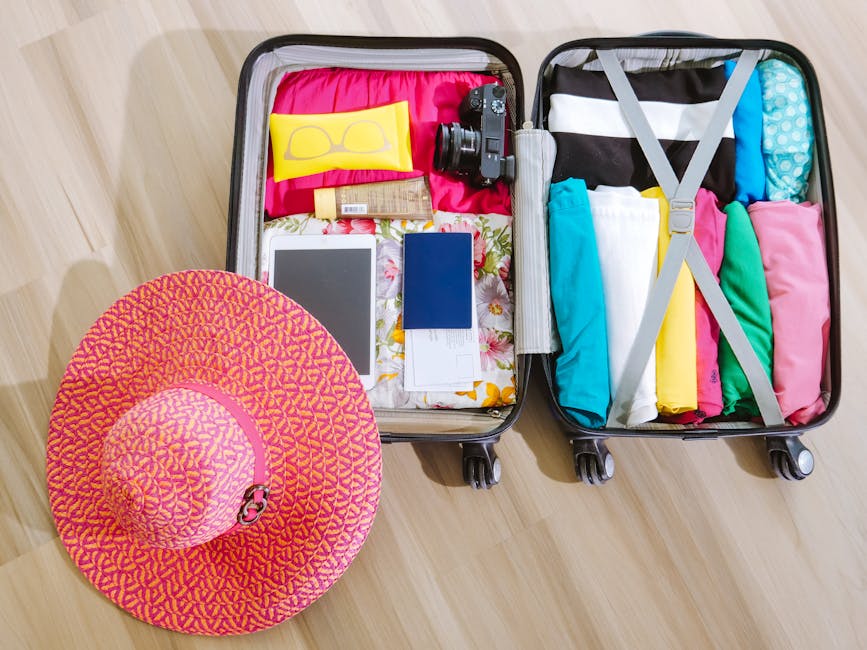
- Roll, don’t fold. Less wrinkling.
- One pair of shoes for sightseeing, one for evenings.
- Layer, layer, layer. Especially shoulder seasons.
- Buy a local pharmacy item rather than packing. Sunscreen, insect repellent, basic medications.
- Check the forecast 3 days before departure. Adjust packing accordingly.
- Plan one rest outfit. Comfortable clothes for evening hotel rest.
- Bring chargers for everything. Phone, camera, headphones.
- One heavy item or one light item per category. Don’t double up.
What to Pack for Specific Trip Types
Beach-Focused Trip
Add: 2 swimsuits, beach cover-up, beach bag, reef-safe sunscreen, snorkel gear (rentals available too), water shoes.
Hiking Trip (Montserrat, Costa Brava)
Add: hiking boots, day pack, walking poles (optional), 1-litre water bottle, hiking-specific socks.
Cycling Trip
Add: padded cycling shorts (rentals don’t include), cycling gloves, helmet (some rentals include), high-visibility layer.
Romantic Couples Trip
Add: one nicer dress or dressy outfit, dressier shoes, lipstick or cologne, lightweight evening bag.
Family Trip
Add: child carriers (toddlers), kid-friendly snacks, multiple changes of clothes for kids, baby wipes, sun hats and sunscreen for children, age-appropriate entertainment for travel days.
Business Trip
Add: smart business attire, laptop bag, presentation materials, business-casual shoes.
Photography Trip
Add: tripod (lightweight), spare batteries, memory cards, lens-cleaning kit.
Frequently Asked Questions
Do I need a winter coat for January?
No, a mid-weight jacket plus layers is enough.
What shoes should I pack?
Comfortable walking shoes are the priority. One pair of nicer shoes for evenings.
Is there a dress code at restaurants?
Most are casual. Tasting-menu restaurants prefer smart casual.
Can I wear shorts in Barcelona?
Yes in summer. Skip them at the Sagrada Familia and Cathedral; cover knees and shoulders.
Do I need a swimsuit in winter?
No for the sea (it’s too cold). Possibly for hotel pools.
Will I need a rain jacket?
Yes for spring, autumn, and winter. Pack a packable lightweight version.
Is sunscreen essential?
Yes, year-round. Mediterranean sun is strong even in winter.
Do I need an adapter?
Yes. Spain uses Type C/F (European 2-pin Schuko).
Should I pack flip-flops?
For the beach yes; for sightseeing no. Sandals for sightseeing.
Can I wear sneakers everywhere?
Yes for casual sightseeing. Smart-casual evenings prefer leather shoes or polished sneakers.
Do I need to dress up?
Once during your trip if you want a tasting-menu dinner. Otherwise smart casual is enough.
What about thermal layers in winter?
One thin thermal base layer is useful for cold mornings (5-10 degrees Celsius).
Is there a dress code at the beach?
Topless is legal. Naturism allowed at Mar Bella’s central section. No specific dress code.
What about laundry?
Self-service laundromats exist in residential areas; hotels offer laundry service (more expensive).
Should I bring an umbrella?
A compact one for spring, autumn, and winter. Skip for summer.
What about luggage size for Barcelona airport?
Standard EU rules apply. Most airlines allow one carry-on plus a small bag. Check your specific airline.
Final Thoughts: Pack Smart, Travel Light
The best barcelona packing list respects the season but stays realistic about how much you actually wear. Comfortable shoes are non-negotiable; the rest is layering and good fabrics. Pack 30 percent less than you think you need, plan one mid-trip laundry, and your trip becomes effortless.
For more, see our main Barcelona travel guide, the best time to visit Barcelona, the first-time visitor tips, and the safety guide.
One packing decision worth making before you fly: leave room in the case. Barcelona is an easy city to buy clothes in, and the outlet village a short ride north of it is easier still — see our La Roca Village day trip guide if you think you might come home heavier than you left, including how the tax-free refund works at the airport.
What you pack depends far more on the month than on the season, and Barcelona’s calendar is less predictable than its reputation suggests — October is the wettest month of the year, not November, and the sea is warmer in early October than in late May. Our Barcelona month-by-month guide has the climate figures for all twelve months, so you can pack for the week you are actually travelling.