We get commissions for bookings made through this post. Booking links, and any accommodation options shown on the page, are handled by a partner that adds commission tracking automatically. It never costs you more, and it never affects what we recommend. Affiliate disclosure
Why Choosing Between Barcelona and Madrid Is Harder Than It Looks
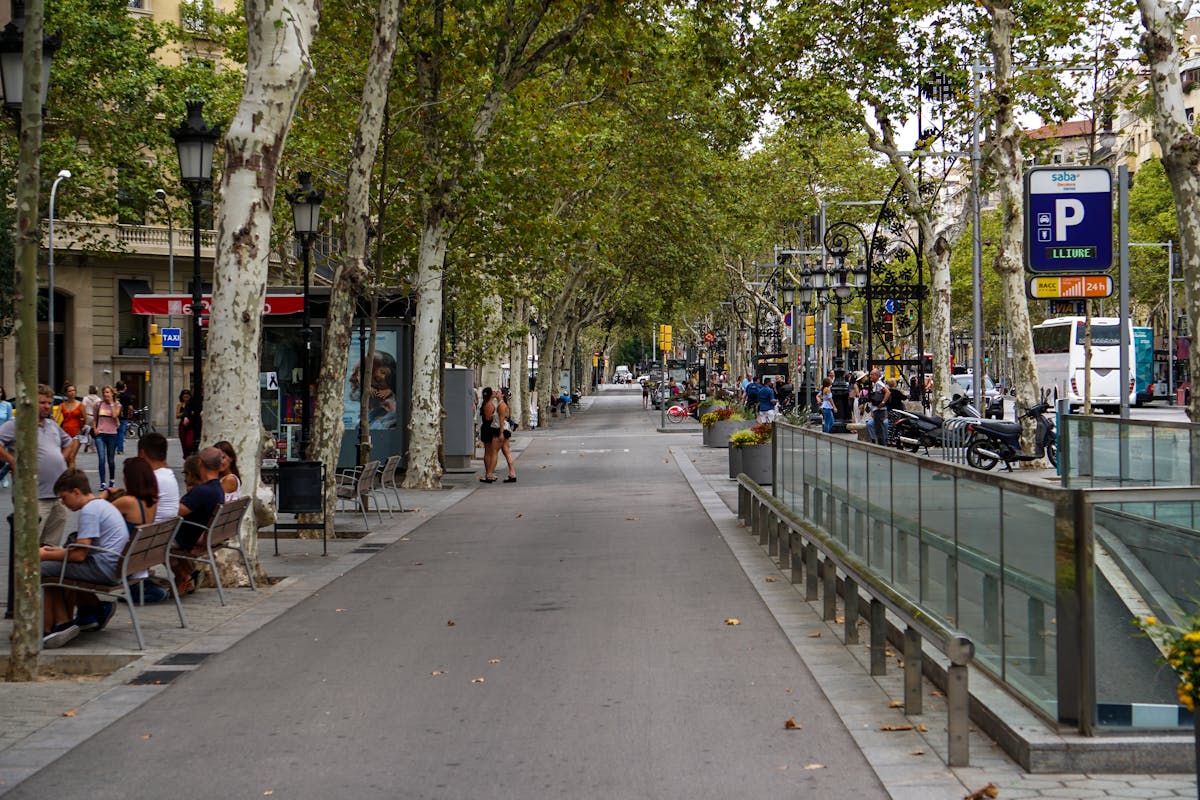
The two cities are 600 km apart but feel like different countries: Barcelona is Catalan, Mediterranean, beach-side, Modernist, and tourist-heavy; Madrid is Castilian, inland, art-museum-focused, classically elegant, and (despite being the capital) less internationally touristed. They’re connected by a 2.5-hour AVE high-speed train; many travellers do both in a single Spain trip. But for the increasing number of travellers asking “if I can only pick one, which?” the answer depends entirely on what you’re seeking. This complete guide to barcelona vs madrid compares both cities across 12 dimensions — architecture, museums, food, beaches, day trips, nightlife, weather, costs, accessibility, atmosphere, language, and tourist density — to help you answer which is better barcelona or madrid for your specific trip. For travellers who just want a recommendation: most first-time visitors to Spain prefer Barcelona; most returning visitors prefer Madrid. Here’s why.
The Quick Recommendation
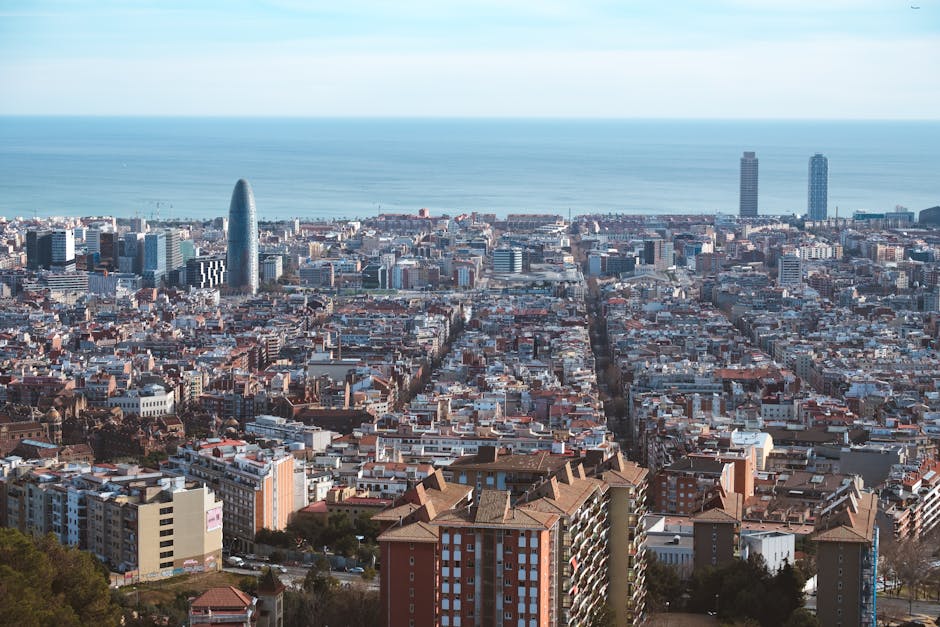
- Choose Barcelona if you want: iconic Gaudí and Modernist architecture; Mediterranean beach culture; younger tourist crowds; vermouth and tapas; Catalan-language culture; coast plus mountains in one city.
- Choose Madrid if you want: world-class museums (Prado, Reina Sofía, Thyssen-Bornemisza); refined Castilian cuisine; Spanish royal heritage; lower tourist density; quieter neighbourhoods; easy access to historic day trips (Toledo, Segovia, Ávila).
- Choose Both: Many travellers split a 7-10 day trip 4-3 or 4-4 between cities. The 2.5-hour AVE makes it easy.
Detailed Comparison: 12 Dimensions
1. Architecture
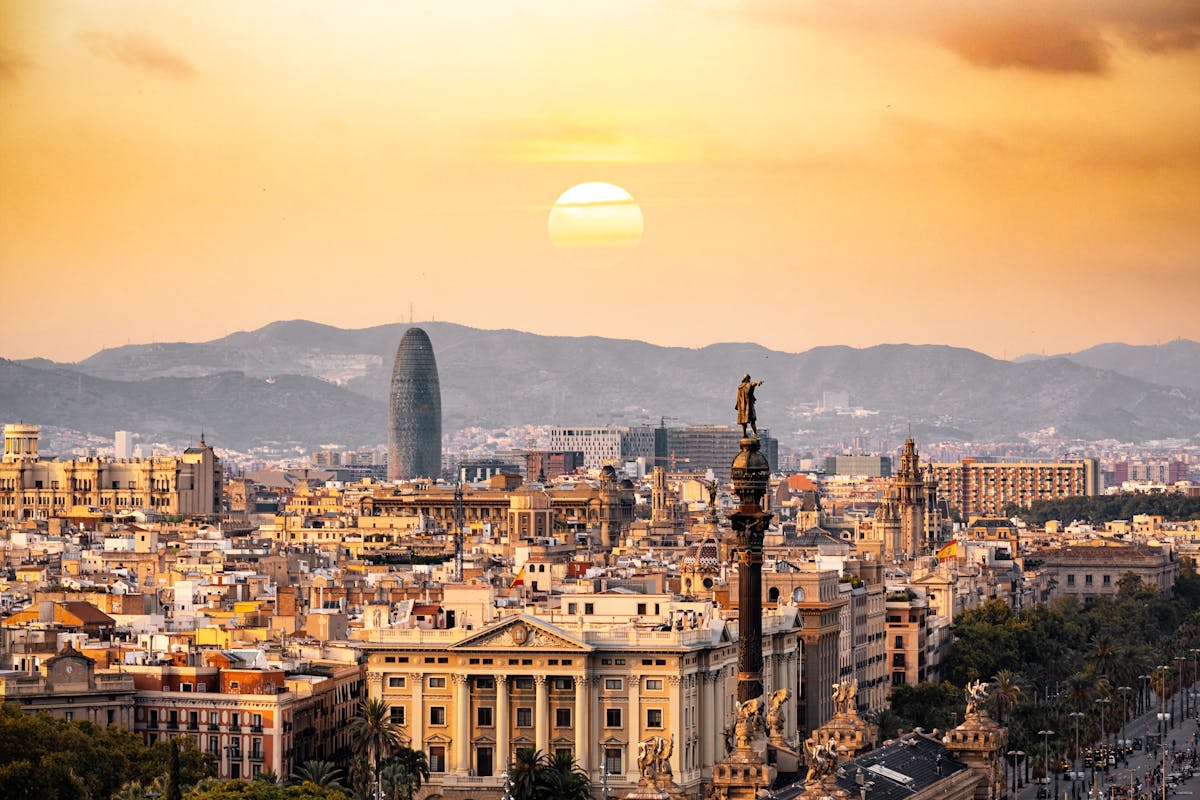
Barcelona advantage. The Modernisme of Antoni Gaudí (Sagrada Família, Casa Batlló, Casa Milà, Park Güell) and contemporaries (Domènech i Montaner, Puig i Cadafalch) is unmatched anywhere in the world. Catalan Gothic — the Cathedral, Santa Maria del Mar — is also distinctive.
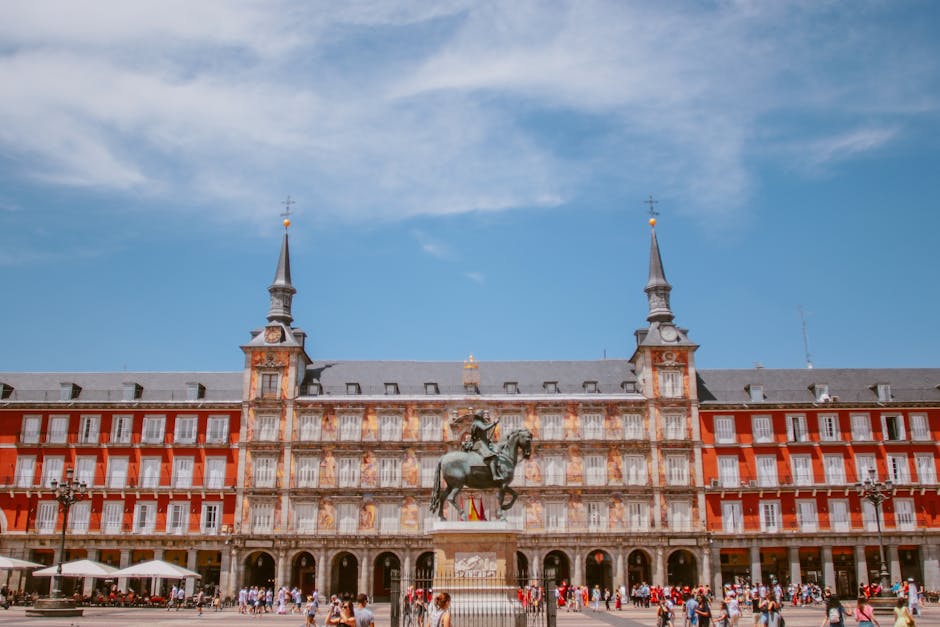
Madrid advantage. Madrid has elegant Bourbon-era classical architecture (Palacio Real, Plaza Mayor, Plaza de la Cibeles, Madrid de los Austrias). The Royal Palace alone has 3,418 rooms. The architecture is grand and refined but lacks Barcelona’s artistic-personality buildings.
Verdict: Barcelona for unique world-significant architecture; Madrid for classical Spanish royal grandeur.
2. Museums
Madrid advantage. The Golden Triangle of Art — Prado (Velázquez, Goya, Bosch), Reina Sofía (Picasso’s Guernica, Dalí), and Thyssen-Bornemisza (8 centuries of European masters) — together hold one of Europe’s greatest art collections. Plus Sorolla, CaixaForum, the Royal Tapestry Factory, dozens of smaller museums.
Barcelona advantage. Picasso Museum, Joan Miró Foundation, MNAC’s Romanesque collection, MACBA contemporary, the Modernist building-museums (Casa Batlló, Casa Milà), Maritime Museum, MUHBA Roman city. Barcelona’s museum scene is excellent but specialist; Madrid’s is more comprehensive.
Verdict: Madrid for paintings and sculpture in classical museum settings; Barcelona for architectural museums and 20th-century Catalan art.
3. Food
Different specialties. Barcelona excels at Mediterranean seafood, paella, pintxos, vermouth, and modern vanguard cuisine (Disfrutar, Lasarte, the Adrià brothers’ restaurants). Madrid excels at Castilian classics — cocido madrileño, callos, jamón ibérico, suckling pig (cochinillo), oxtail (rabo de toro), and traditional taverns.
Tapas culture. Both cities have tapas, but they differ. Madrid: tapas often free with drinks; Cava de San Miguel and La Latina lined with traditional tapas bars. Barcelona: tapas usually paid; pintxos crawl on Carrer Blai; refined cava and vermouth bars.
Markets. Barcelona’s Boqueria is the most touristed; Mercado de San Miguel in Madrid is upmarket-touristy; both cities have excellent local markets (Mercat de Sant Antoni in Barcelona; Mercado de la Cebada in Madrid).
Verdict: Barcelona for Mediterranean seafood and modern vanguard; Madrid for Castilian classics and traditional taverns.
4. Beaches
Barcelona wins decisively. 4.5 km of city beaches; Mediterranean swimming May-October; beach clubs; chiringuitos. Madrid has no beach (the city is 350 km from the coast).
Verdict: Barcelona only.
5. Day Trips
Madrid advantage. Toledo (1 hr), Segovia (30 min by AVE), Ávila (40 min), Aranjuez (45 min), El Escorial (1 hr) are all spectacular UNESCO-listed historic cities. Madrid is the centre of historical Castile.
Barcelona advantage. Costa Brava (Cadaqués, Begur, Llafranc), Sitges, Montserrat, Tarragona Roman ruins, Penedès wine country, Pyrenees, Andorra. More variety; Mediterranean focus.
Verdict: Madrid for historic Castilian cities; Barcelona for Mediterranean coast and varied landscapes.
6. Nightlife
Madrid advantage on density. Madrid runs longer; the famous “Madrid never sleeps” reputation isn’t a marketing slogan — clubs commonly stay open until 6-7 AM, longer than Barcelona’s typical 5-6 AM closing. The Malasaña, Chueca, La Latina districts have a deeper bar density.
Barcelona advantage on diversity. Beach clubs, rooftop bars, Sónar, Razzmatazz, the Gaixample LGBTQ+ district — Barcelona’s nightlife mixes more styles. The atmosphere is more international.
Verdict: Madrid for traditional Spanish nightlife depth; Barcelona for international electronic and beachfront scenes.
7. Weather
Different climates. Barcelona: Mediterranean; mild winter (8-15°C); hot humid summer (25-30°C); 600 mm annual rainfall mostly Oct-Nov and March-April. Madrid: continental; cold winter (3-10°C with occasional snow); hot dry summer (25-35°C); less rainfall (~440 mm).
Verdict: Barcelona for milder year-round; Madrid for clearer skies but more extreme seasons.
8. Costs
Roughly comparable. Barcelona is slightly more expensive overall (tourist pricing), but Madrid’s accommodation can match. Both have menu del dia (3-course set lunches) at 12-18 EUR; both have refined dining at 50-80 EUR per person.
Specific cost comparison:
- Mid-range hotel: Madrid 100-180 EUR/night; Barcelona 110-200 EUR/night.
- Menu del dia: 12-18 EUR (both cities).
- Major museum entry: Madrid Prado 15 EUR; Barcelona Picasso Museum 15 EUR.
- Metro single ticket: Madrid 1.50 EUR; Barcelona 2.40 EUR.
- Beer at bar: Madrid 2.50 EUR; Barcelona 3-4 EUR.
- Tapas plate: Madrid 4-7 EUR; Barcelona 5-10 EUR.
Verdict: Madrid 5-15% cheaper in most categories; Barcelona has more luxury options for splurging.
9. Tourist Density
Madrid advantage. Barcelona receives 6 million international visitors annually plus another 1 million Spanish tourists. Madrid receives 5 million international plus 4 million Spanish — but the city is larger and more spread out, so per-square-kilometre density is much lower.
Translation: Barcelona’s tourist sites (Sagrada Família, Park Güell, Las Ramblas) are among Europe’s most crowded. Madrid’s sites are less crowded.
Verdict: Madrid for fewer crowds; Barcelona for accepting tourist density as part of the experience.
10. Atmosphere and Vibe
Different feels. Madrid feels Spanish — Castilian, royal, refined, calmer. Barcelona feels Catalan/Mediterranean — younger, energetic, beach-side, internationally cosmopolitan.
Verdict: Madrid for traditional Spanish authenticity; Barcelona for cosmopolitan Mediterranean energy.
11. Language
Madrid: Spanish (Castilian) only; English in tourist sectors but less than Barcelona.
Barcelona: Catalan and Spanish coexist; English widely spoken in tourist sector.
Verdict: Equal accessibility for English-speakers; different language exposure.
12. Accessibility
Both cities have improved. Barcelona is rated one of Europe’s most accessible cities (wheelchair-friendly metro lines, accessible beaches, ramps at major sites). Madrid has improved metro accessibility but the older Madrid de los Austrias has more stairs and cobblestones.
Verdict: Barcelona slightly more accessible.
The Most Common Travel Plans
5-Day Single City Trip
- Barcelona only: Old City + Modernisme + beach + 1 day trip.
- Madrid only: Prado + Reina Sofía + Thyssen + Plaza Mayor + 1 day trip (Toledo or Segovia).
7-Day Combined Trip
- 4 nights Barcelona + 3 nights Madrid (most common).
- Connect via 2.5-hour AVE high-speed train (35-150 EUR).
10-Day Combined Trip
- 5 nights Barcelona + 5 nights Madrid.
- Or 4 + 4 + 2 nights Toledo or Sevilla.
14-Day Spanish Grand Tour
- 3 nights Barcelona + 4 nights Madrid + 4 nights Andalusia (Sevilla, Granada, Córdoba) + 3 nights flexibility.
How to Travel Between the Two Cities
AVE High-Speed Train
- Time: 2 hr 30 min Barcelona Sants ↔ Madrid Atocha.
- Cost: 35-150 EUR each way; cheaper online 2-4 weeks ahead.
- Frequency: 25+ daily departures; every 30-60 minutes during peak.
- Class: Turista, Turista Plus, Preferente, Premium.
Flights
- Time: 1 hour 15 min flight, plus 1-2 hours airport transit each end. Total: 4-5 hours door-to-door.
- Cost: 35-100 EUR each way depending on advance.
- Verdict: AVE faster door-to-door for city-centre stays.
Bus
- Time: 7-8 hours; ALSA buses.
- Cost: 25-45 EUR each way.
- Verdict: Budget option only; AVE is dramatically faster.
Driving
- Time: 5-6 hours via AP-7 and A-2 motorways.
- Cost: 60-80 EUR fuel plus tolls.
- Verdict: Useful only if continuing to other Spanish destinations.
Comparing Specific Aspects
Royalty and Government
- Madrid: Capital of Spain; Royal Palace; Parliament. Direct experience of Spanish royal heritage.
- Barcelona: Capital of Catalonia; Catalan independence movement; Catalan-language cultural centre.
Football
- Madrid: Real Madrid (Bernabéu) + Atlético Madrid. Stadium tours; tickets.
- Barcelona: FC Barcelona (Camp Nou under renovation; Olympic Stadium temporary). Different football culture.
Royal Palaces
- Madrid: Palacio Real (largest functional royal palace in Europe).
- Barcelona: Royal Palace (medieval, now museum).
Squares and Plazas
- Madrid: Plaza Mayor (1620), Puerta del Sol (centre of Spain).
- Barcelona: Plaça Reial, Plaça del Pi, Plaça del Rei. More medieval feel.
Religious Heritage
- Madrid: Almudena Cathedral (only completed 1993); religiously rich Latin Catholic.
- Barcelona: Sagrada Família (still under construction!), medieval Cathedral, Santa Maria del Mar.
Universities
- Madrid: Complutense (largest in Spain); Atocha; San Cristóbal.
- Barcelona: University of Barcelona; UPC; Pompeu Fabra. Catalan-language instruction common.
Theatre Districts
- Madrid: Gran Vía theatre district; Teatro Real opera; major Spanish-language theatre tradition.
- Barcelona: Liceu opera; Avinguda del Paral·lel theatres; Catalan-language theatre.
Music Scenes
- Madrid: Flamenco capital; concert venues; Mad Cool Festival (June).
- Barcelona: Sónar (electronic); Primavera Sound (indie); Cruïlla.
Shopping
- Madrid: Calle Serrano, Calle Goya (luxury); Gran Vía (mainstream); El Rastro Sunday flea market.
- Barcelona: Passeig de Gràcia (luxury); Portal de l’Àngel; El Born design boutiques.
Best Time to Visit Each City
Barcelona Best Months
- April-June: Pleasant; less crowded.
- September-October: Best balance; warm sea.
- Avoid: Mid-July to mid-August (heat + tourist peak).
Madrid Best Months
- April-June: Pleasant.
- September-October: Best.
- Avoid: July-August (extreme heat 35°C+); Christmas (crowded).
Specific Trip Examples
“I Have 5 Days, Pick One”
First-time visitor: Barcelona. The combination of Modernisme, beach, and tapas-vermouth culture creates the most memorable Spanish first impression.
Art-focused traveller: Madrid. The Prado-Reina Sofía-Thyssen trio is unmatched.
Foodie returning to Spain: Madrid. The Castilian cuisine is more distinctive than Catalan if you’ve already done Barcelona.
Family with kids: Barcelona (beach + Modernist visual interest).
Couple wanting beach: Barcelona.
“I Have 7-10 Days, Both?”
Yes — split 4-3 or 5-3. Use AVE between cities.
Where to Stay in Each City
Barcelona Best Areas
- Eixample (most central; safe; transport).
- Gothic Quarter (historic atmosphere).
- El Born (design + nightlife).
- Gracia (authentic neighbourhood).
Madrid Best Areas
- Sol (most central; tourist heart).
- Salamanca (luxury shopping).
- La Latina (traditional tapas).
- Malasaña (hipster district).
- Chueca (LGBTQ+).
Practical Tips for Visiting Both
- Buy AVE tickets 2-4 weeks ahead for cheapest fares.
- Travel light — moving between cities is easier with one suitcase.
- Save museums for 1-2 days each; don’t try to see every Madrid museum in 3 days.
- Mix the cities thematically: do Old City + beach in Barcelona; museums + Plaza Mayor in Madrid.
- Eat one big meal per day; siesta is real in Madrid.
- Madrid restaurants serve dinner from 9 PM; even later than Barcelona.
- Plan your transitions: arrive in Barcelona on Sunday morning to catch a free museum afternoon; arrive in Madrid Saturday morning for the El Rastro flea market.
- Book hotels separately by city; don’t try to find one base.

Frequently Asked Questions
Should I visit Barcelona or Madrid?
Barcelona for first-timers and architecture; Madrid for museums and traditional Spanish culture. Both if you have 7+ days.
How long does the AVE take?
2 hr 30 min between Barcelona Sants and Madrid Atocha.
How much is the AVE?
35-150 EUR each way; cheaper online 2-4 weeks ahead.
Which is better for foodies?
Barcelona for vanguard cuisine and Mediterranean seafood; Madrid for Castilian classics.
Which is cheaper?
Madrid is 5-15% cheaper in most categories.
Which has better museums?
Madrid (Prado, Reina Sofía, Thyssen).
Which has better architecture?
Barcelona (Gaudí Modernisme).
Can I visit Barcelona and Madrid in one trip?
Yes — 7+ days is ideal. Connect via AVE.
Which has better beaches?
Barcelona (Madrid has none).
Which has better day trips?
Madrid (Toledo, Segovia, Ávila); Barcelona (Costa Brava, Sitges, Penedès).
Which is more crowded?
Barcelona (denser tourist concentration).
Which is safer?
Both safe. Pickpocketing common in Barcelona’s Old City; less so in Madrid.
Best month for both?
April-June or September-October. Avoid July-August.
Which is better for art?
Madrid for paintings; Barcelona for architecture-as-art.
Which has better nightlife?
Both excellent. Madrid runs later; Barcelona has more international diversity.
Which is more authentic Spain?
Madrid (Castilian language and culture).
Which is more cosmopolitan?
Barcelona (Mediterranean coast attracts more international residents).
Should I do Barcelona first or Madrid?
Barcelona first if you’re flying transatlantic (more flights). Otherwise either order works.
Final Thoughts: Two Cities, Two Experiences
The right approach to barcelona vs madrid is to recognise they’re complementary, not competitive. Barcelona delivers Mediterranean Modernist coast culture; Madrid delivers Castilian art-museum elegance. First-time Spain visitors usually prefer Barcelona for the combination of Gaudí, beaches, and Catalan food; returning visitors often prefer Madrid for refined museums and authentic Spanish culture. With 7+ days, do both — the 2.5-hour AVE makes splitting the trip easy, and the contrast between cities is itself part of the experience.
For more, see our main travel guide, the first-time tips guide, the itineraries pillar, and the train stations guide.
If you have already made the call and just need to get between the two, that is a different question with a different answer. Our guide to travelling from Barcelona to Madrid compares the three high-speed operators now competing on the line, the Puente Aéreo air shuttle, and the seven-hour coach — including the door-to-door arithmetic that explains why the one-hour flight takes five hours.