We get commissions for bookings made through this post. Booking links, and any accommodation options shown on the page, are handled by a partner that adds commission tracking automatically. It never costs you more, and it never affects what we recommend. Affiliate disclosure
Why Sant Antoni Is Barcelona’s Most Successful Neighbourhood Reinvention
Until 2018, Sant Antoni was a neglected corner of Eixample — its 19th-century iron market hall closed for nine years of refurbishment, the surrounding streets quieter than the rest of the city, the housing prices among the lowest in central Barcelona. Then the Mercat de Sant Antoni reopened (March 2018, 80 million euro renovation) and the neighbourhood transformed almost overnight. Federal Cafe (2009) and a wave of younger restaurants created Barcelona’s modern brunch scene; the Adrià brothers’ “elBarri” group (Tickets, Bodega 1900) put Sant Antoni on the global gastronomic map; specialty coffee shops (Skye Coffee Co, Three Marks) opened on quiet residential streets; and now, eight years later, Sant Antoni is one of Barcelona’s most desirable food and lifestyle districts — without the tourist saturation of El Born or the Gothic Quarter. This complete guide to sant antoni barcelona covers the famous sant antoni market, the best sant antoni restaurants, and the sant antoni things to do that make this the most rewarding neighbourhood discovery for repeat Barcelona visitors.
Quick Geography
Sant Antoni is a section of the Eixample district. Bounded by:
- North: Gran Via de les Corts Catalanes.
- East: Carrer de Comte d’Urgell (border with Esquerra de l’Eixample).
- South: Avinguda del Paral·lel (border with Poble Sec).
- West: Plaça Espanya area.
Metro Sant Antoni (L2; pink line) is the central stop. The neighbourhood holds about 38,000 residents.
The Name
“Sant Antoni” — Saint Anthony — gave the area its name from the medieval church of Sant Antoni Abat, demolished in 1873 to make way for the Cerdà-plan grid streets and the new market. The market itself opened in 1882; the neighbourhood developed around it.
Mercat de Sant Antoni: The Heart
The Market Building
Designed by Antoni Rovira i Trias and built between 1872-1882, the market is a remarkable example of 19th-century iron architecture. The cross-shaped floor plan — four wings extending from a central hub — covers 13,000 square metres. The decorative iron columns, glass roof, and ornate detailing make it one of Barcelona’s most beautiful market buildings.
The Renovation (2009-2018)
The market closed in 2009 for a 9-year, 80-million-euro renovation. Archaeologists discovered Roman walls, medieval towers, and a 1719 Bourbon-era fortification underneath the foundations during the works — these are now visible through glass floors. The market reopened in March 2018 as a complete refurbishment of the original 1882 structure.
What’s Inside
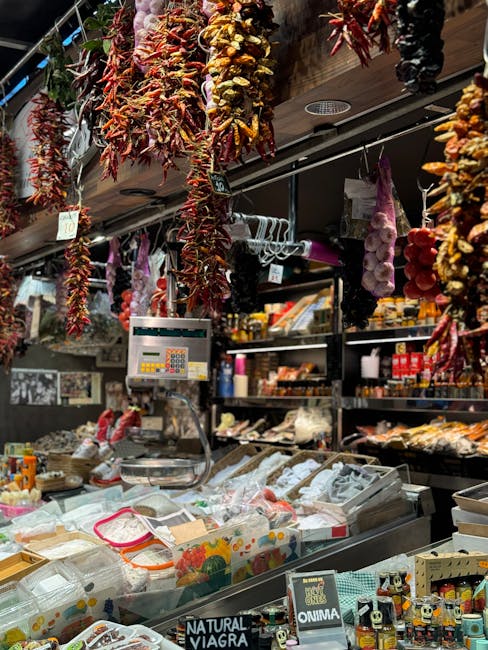
- 235 market stalls: Fresh produce, fish, meat, charcuterie, cheese, baked goods, prepared foods.
- Food court (in the basement): Several counter restaurants for casual lunches.
- Sunday morning book market: Held in the central nave; collectors and bibliophiles browse hundreds of stalls.
- Sunday afternoon collectibles market: Stamps, coins, vintage postcards, antique cards.
- Architectural exhibits: Roman ruins visible under glass.
Visiting the Market
- Hours: Monday-Saturday 8 AM-8:30 PM; closed Sunday.
- Entry: Free.
- Tourist popularity: Less crowded than Boqueria; locals predominate.
- Best time: Saturday morning for full market activity.
- Sunday morning: The book market is one of Barcelona’s most unique experiences.
Sant Antoni’s Modern Brunch Movement
The neighbourhood is the city’s modern brunch capital. Federal Cafe opened in 2009 as one of Barcelona’s first Australian-influenced cafes; it shaped the city’s brunch culture and remains the neighbourhood’s most beloved daily breakfast spot. Subsequent openings have made Sant Antoni a brunch destination in its own right.
Top Brunch Spots
- Federal Cafe (Sant Antoni original): Australian-founded; the brunch pioneer. All-day breakfast and brunch; smashed avocado, eggs Benedict, big breakfast. 14-22 EUR.
- Funky Eatery: Brunch space with seasonal pancakes, baked goods, and creative breakfast plates. 12-22 EUR.
- Morgentau: Cosy fully vegan brunch; small kids’ play corner; family-friendly. 12-18 EUR.
- Skye Coffee Co: Australian-owned specialty coffee; one of the city’s best flat whites. 4-12 EUR.
- Three Marks Coffee: Specialty single-origin coffee.
- Cuca Maca: Modern brunch-cafe.
- Granja Petitbo: Long-running cafe with reliable brunch and excellent baked goods. 12-18 EUR.
Restaurants and Dining
Mid-Range and Refined
- Bodega 1900 (Albert Adrià): Albert Adrià’s revival of a classic Catalan vermouth bar concept. Refined classic Catalan dishes; 35-55 EUR per person.
- Tickets (Adrià-family creative tapas): 1 Michelin star; vanguard tapas; 130-180 EUR per person; book months ahead.
- Maleducat: Modern Catalan with creative seasonal dishes; locally beloved; 40-60 EUR.
- El Racó de l’Agüir: Family-run Valencian-Catalan; rustic décor; legendary rice dishes (arròs a banda); 35-55 EUR.
- Last Monkey: Asian fusion; tasting menu; 35-55 EUR.
- Casa Mariol: Brand-owned bar with Catalan wines and vermouth.
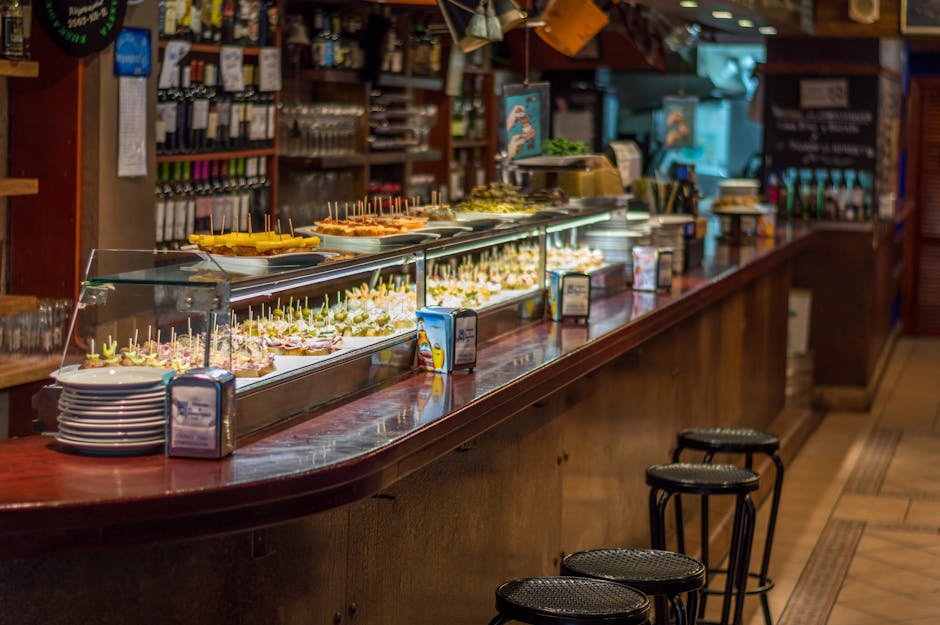
- Bar Calders: Hipster vermouth bar with industrial-chic interior. 20-35 EUR.
- Paco Meralgo: Pintxo bar with refined Catalan wines; mature crowd.
- Cellar Florida: Wine bar; cava and tapas focus.
Casual and Tapas
- Tapas 24 (Carles Abellan): Casual Catalan tapas; 30-50 EUR.
- Bar la Granja: Old-school neighbourhood spot.
- Bar Calatrava: Traditional bar with menu del dia.
- Mercat de Sant Antoni food court (basement): Counter restaurants; 8-18 EUR.
Bars and Cocktails
- XIX Bar: Housed in a former early 20th-century dairy. Pioneer in Barcelona’s cocktail culture; gin and tonic specialist; live jazz performances. 12-18 EUR per cocktail.
- Bar Calders: Already mentioned; vermouth bar with strong cocktail program.
- Bar la Plata: Cash-only Old City classic with Sant Antoni outpost.
- Cellar Florida: Wine and cava focus.
- Vinitus: Wine bar.
- Bar la Granja: Traditional vermouth bar.
- Negroni Cocktail Bar: Italian-cocktail focus.
Shopping
Independent Shops
- Llibreria Calders (Carrer de Sant Pau): Bookstore-cafe; literary events; design book section.
- The Loaf: Sourdough bakery with vegan options.
- Yummy Bakery: Vegan and gluten-free baked goods.
- Vinitus and Cellar Florida wine shops: Specialty wine retailers.
- Lo de Berto: Vegan-friendly bakery.
- Various small boutiques: Independent design and fashion.
Sant Antoni Sunday Market
- Books, postcards, stamps, coins, antique magazines.
- Held inside the market hall on Sunday mornings.
- Among Barcelona’s most distinctive Sunday rituals.
Things to Do in Sant Antoni
Mercat de Sant Antoni
The headline attraction. Browse the food market; eat at the basement food court; visit the Sunday book market.
Specialty Coffee Tour
Walk between Skye Coffee Co, Three Marks Coffee, and several other specialty coffee shops within 10 minutes.
Carrer del Comte Borrell Walk
The neighbourhood’s main commercial street; shops, cafes, restaurants. Walk from Plaça Universitat to Mercat de Sant Antoni.
Avinguda del Paral·lel
The historic theatre boulevard at Sant Antoni’s southern edge. Walk past Teatre Apolo, Teatre Victòria, El Molino. The boulevard is undergoing pedestrianisation.
Plaça de la Sagrada Família (less famous)
Small park; not the famous basilica plaza; quiet residential.
Vermouth Sundays
Local Sunday vermouth crawl: Bar Calders → Bormuth (just over the border in El Born) → back to Casa Mariol → Mercat food counter for lunch.
Cooking Classes
Cook and Taste and Mum’s Kitchen both run paella classes in Sant Antoni-adjacent locations.
Food Tours
Devour Tours runs a Sant Antoni-themed food walk covering the market, key restaurants, and refined wine stops.
Where to Stay in Sant Antoni
Boutique Hotels
- The Lodgers: Boutique aparthotel in restored building.
- Hotel Brummell (technically Poble Sec but Sant Antoni-adjacent): Stylish boutique with rooftop pool; one of the best small hotels in the city.
- Hotel Praktik (multiple Eixample locations including Sant Antoni-adjacent): Reliable mid-range chain.
Hostels
- Casa Gracia (just over the border): Boutique hostel.
Apartment Rentals
Sant Antoni is among Eixample’s most affordable areas for licensed holiday apartments. 80-130 EUR per night for 4 people. Verify HUTB licence numbers (Barcelona enforces strict short-let registration).
Sample Sant Antoni Day
Morning
- 9:00 AM: Breakfast at Federal Cafe.
- 10:30 AM: Mercat de Sant Antoni; browse food market and Roman ruins exhibit.
- 12:00 PM: Specialty coffee at Skye Coffee Co.
Lunch
- 1:30 PM: Long Catalan lunch at Bar Calders or Bodega 1900.
Afternoon
- 3:30 PM: Walk Carrer del Comte Borrell.
- 4:30 PM: Books at Llibreria Calders.
- 5:30 PM: Coffee at Three Marks.
Evening
- 7:00 PM: Vermouth at Bar Calders.
- 8:30 PM: Pintxos at Carrer Blai (Poble Sec, 5-min walk).
- 10:30 PM: Cocktails at XIX Bar.
Best Times to Visit
- Saturday morning: Market at peak activity.
- Sunday morning: Book market in the market hall.
- Sunday lunch: Catalan vermouth ritual.
- Tuesday-Thursday evening: Quieter than weekends; locally focused.
- Avoid Monday: Many places closed.
Practical Tips
- Metro Sant Antoni (L2) is the central stop.
- Walking distance to Plaça Catalunya: 15 minutes.
- Walking distance to Boqueria: 10 minutes.
- Brunch spots fill up at 11 AM-1 PM weekends; arrive early.
- Reservations: Tickets and Bodega 1900 require booking.
- Specialty coffee shops typically open 8-9 AM weekdays, 9-10 AM weekends.
- The market closes Sunday; Sunday book market in central nave still happens.
- Tap water free at restaurants; ask for “una jarra de agua del grifo.”
- Carrer Blai pintxos street is a 5-minute walk south for evening dining.
- Sunday afternoon vermouth is the neighbourhood’s signature ritual.
- Pickpocketing less common here than tourist core but still possible.
- The neighbourhood is very pram-friendly; wide pavements throughout.
Comparing Sant Antoni to Other Neighbourhoods
vs El Born
El Born has more medieval charm and design shopping. Sant Antoni has better food scene depth and less tourist crowding.
vs Gracia
Gracia has more village feel and small plazas. Sant Antoni has more refined food and central location.
vs Poble Sec
Poble Sec has Carrer Blai pintxos and Apolo nightlife. Sant Antoni has the market and brunch culture. Easy to combine — they’re 5 minutes apart.
vs Eixample core
Sant Antoni is part of Eixample but quieter and more residential. Less Modernist architecture but more affordable.
Frequently Asked Questions
Is Sant Antoni worth visiting?
Yes — among Barcelona’s best food neighbourhoods.
Best market in Sant Antoni?
Mercat de Sant Antoni is the only one (and it’s excellent). Sunday book market in the central nave is an additional highlight.
Best brunch?
Federal Cafe (the original); Funky Eatery; Morgentau (vegan).
Best vermouth bar?
Bar Calders; Casa Mariol; Bormuth (just over the border in El Born).
Is Sant Antoni touristy?
Less than Old City and El Born; mostly local.
Where to eat tapas?
Tapas 24 for casual; Bodega 1900 for refined; Carrer Blai 5 minutes south for the pintxos crawl.
Best specialty coffee?
Skye Coffee Co; Three Marks Coffee.
Should I stay in Sant Antoni?
Yes — central, quieter than other Eixample, foodie-focused.
Best Sunday activity?
Sant Antoni book market in the morning; vermouth at Bar Calders in the afternoon.
How does Sant Antoni compare to Boqueria?
Boqueria is more tourist-friendly and famous; Sant Antoni is locally focused and quieter.
Is the market open Sunday?
Closed Sundays for the food market; Sunday book market in the central nave still operates.
Are there hotels in Sant Antoni?
Yes — The Lodgers; Hotel Brummell (Poble Sec border); apartment rentals.
Can I do a food tour of Sant Antoni?
Yes — Devour Tours runs a Sant Antoni-themed walk.
Is Sant Antoni vegan-friendly?
Yes — Morgentau, The Loaf, Yummy Bakery; many restaurants offer vegan options.
Best evening activity?
Vermouth crawl plus dinner at Carrer Blai (5 min south).
Is the metro accessible?
Yes — Sant Antoni station has lifts.
What’s the cheapest meal?
Mercat food court; menu del dia at neighbourhood restaurants (15-18 EUR).
Final Thoughts: The Neighbourhood Repeat Visitors Discover
The right approach to sant antoni barcelona is to spend at least one full day here — Saturday morning at the market, brunch at Federal Cafe, lunch at Bar Calders or Bodega 1900, vermouth crawl in the afternoon, dinner on Carrer Blai (Poble Sec, 5 minutes south). The neighbourhood retains the everyday Catalan rhythm that makes Barcelona’s food scene unique. Stay one or two nights; the city will reward you with the most authentic non-touristy Catalan experience the central districts offer.
For more, see our neighborhoods pillar, the Poble Sec guide, the markets guide, and the food pillar.
One more reason to come to the Mercat de Sant Antoni: Bar Pinotxo, for decades the most famous counter bar in La Boqueria, reopened here in October 2023, on the corner by Carrer del Comte d’Urgell and Carrer de Tamarit. Many guides still send people looking for it on La Rambla. Our La Boqueria guide tells the story and covers how to do the Boqueria itself without the crowds, or why you might prefer to do your market eating here instead.