We get commissions for bookings made through this post. Booking links, and any accommodation options shown on the page, are handled by a partner that adds commission tracking automatically. It never costs you more, and it never affects what we recommend. Affiliate disclosure
Why Palau de la Música Catalana Is the Most Beautiful Concert Hall in the World
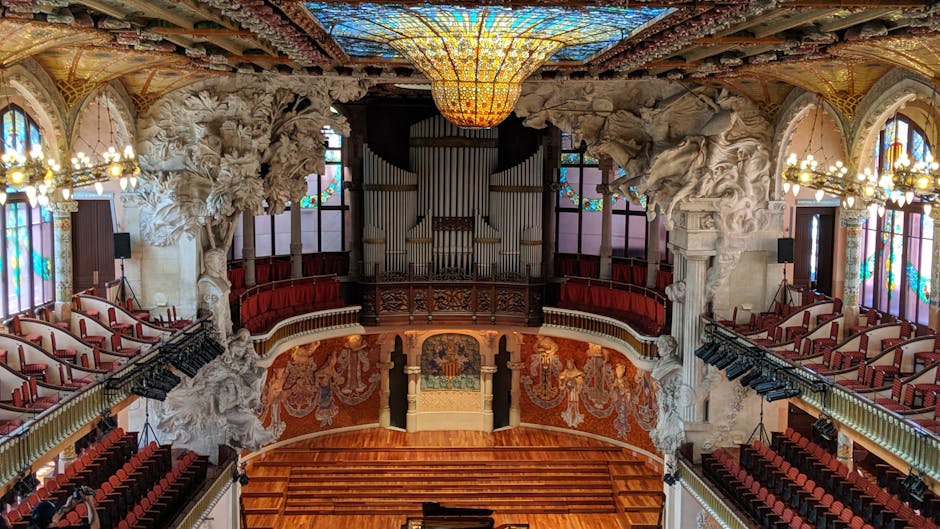
Critics, architects, and travel writers regularly include the Palau de la Música Catalana on lists of “the world’s most beautiful concert halls” — and on most of those lists it ranks first. Built between 1905 and 1908 by Lluís Domènech i Montaner, the basilica-like venue is the architectural peak of Catalan Modernisme and one of only two concert halls in Europe granted UNESCO World Heritage status (along with Bauhaus auditoriums). The 2,200-seat hall combines stained-glass walls, Pegasus sculptures, mosaic columns, and the famous inverted glass dome (the “lucernario”) that floods the space with natural light during day concerts. Whether you visit on a 50-minute tour (15 EUR) or attend an evening concert (20-200 EUR depending on programme), the Palau is the most visually overwhelming concert experience in any European city. This complete guide to palau musica catalana covers the building’s history, the daily tour experience, the concert programme, and how to plan a visit — answering everything from palau musica tickets options to palau musica tour bookings.
The Building’s Story
Origins (1891-1905)
The Orfeó Català — a Catalan choral society founded 1891 — needed a permanent home. By 1900, the Orfeó had grown into one of Catalonia’s most important cultural institutions, with thousands of members. They commissioned Lluís Domènech i Montaner to design a music palace that would symbolise Catalan cultural identity.
Construction (1905-1908)
Built on a tight urban site in El Born, partially demolishing existing structures. Funded entirely by private donations from Catalan civic society — no government or church funding. Domènech i Montaner used the constraints (small site, demanding acoustics, religious-music history) to create the most distinctive Modernist building in Europe.
Recognition
- 1908: Inaugurated; immediately recognised as architectural masterpiece.
- 1997: UNESCO World Heritage designation.
- 2017: Named “World’s Best Concert Hall” by international architecture review.
- Ongoing: Among the most photographed Modernist buildings in Catalonia.
Architectural Highlights
The Stained-Glass Dome (Lucernario)
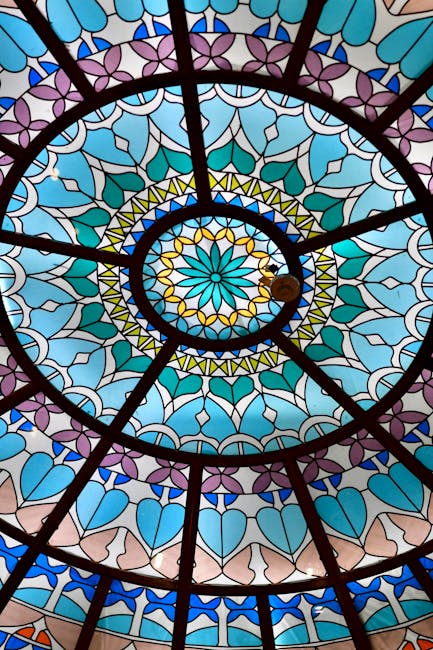
The most photographed feature. The inverted glass dome at the centre of the auditorium — measuring 8 metres in diameter — pours natural light into the hall. Designed for daytime choral performances when artificial lighting wasn’t yet developed enough for major concerts. The dome’s deep blue and gold colours change with the angle of natural light.
The Stage and the Pegasus Sculptures
Above the stage, eight Pegasus sculptures (carved by Eusebi Arnau and Pablo Gargallo) frame an enormous tile mosaic representing Wagner’s Valkyries. Behind, a half-arch of stained glass shows Catalan musical heritage.
The Stage Walls
Sculptural figures representing Bach, Beethoven, Wagner, Anselm Clavé (Catalan choral pioneer). Mosaic columns; trencadís (broken-tile) decoration.
The Auditorium
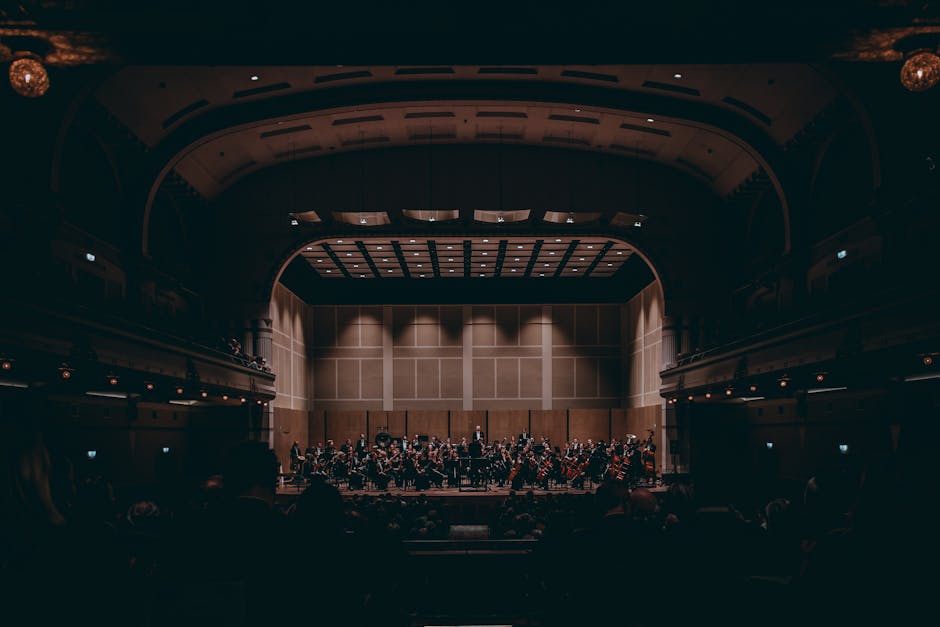
The main auditorium has 2,292 seats on three levels. Acoustic excellence; UNESCO designation specifically cites the perfect balance of natural materials, reverberation, and visual integration.
The Façade
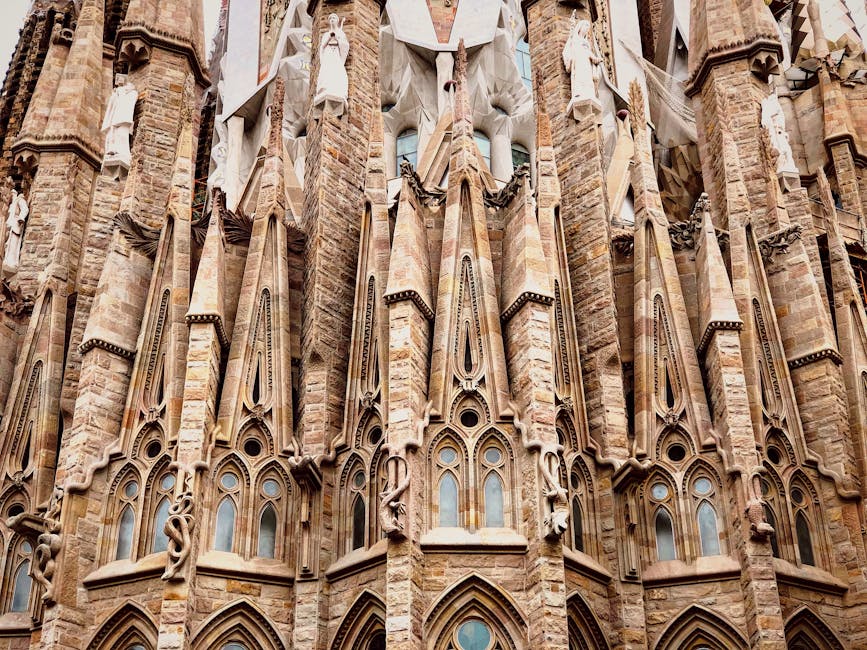
Sculpted with allegorical figures of music and Catalan culture. Brick and ceramic surfaces; balconies decorated with floral mosaics.
The Lluís Millet Hall
The chamber music hall on the upper floor. Smaller (300 seats), with carved wooden ceiling and Modernist details. Named for the Orfeó Català’s founder.
Other Spaces
- Foyer (Sala Lluís Millet): Mosaic columns, trencadís decoration.
- Balcony of Catalan Music: Hosting receptions; spectacular views of stained glass.
- Petit Palau: 2002 underground extension by Oscar Tusquets; modern auditorium for smaller concerts.
Visiting Options
Self-Guided Audio Tour
- Cost: ~18 EUR.
- Duration: 50-60 minutes.
- Includes: Audio guide, access to main auditorium, foyer, balcony.
- Available in: 12+ languages.
- Best for: Independent visitors at their own pace.
Guided Tour
- Cost: ~22 EUR.
- Duration: 50-55 minutes.
- Includes: Live tour guide; same access plus historical context.
- Languages: English, Spanish, Catalan, French, Italian, German.
- Best for: First-time visitors wanting depth.
Tour with Mini-Concert
- Cost: ~30 EUR.
- Duration: 75 minutes (tour + 10-minute musical performance).
- Best for: Travellers wanting both architecture and music in a single visit.
Concerts
- Cost: 20-200 EUR depending on programme and seat.
- Duration: 60-180 minutes.
- Programme: Classical, choral, jazz, world music, Catalan music.
- Best for: Music-focused travellers; the building is most magical with live music.
Petit Palau Recitals
- Cost: 15-40 EUR.
- Duration: 50-90 minutes.
- Programme: Chamber music, recitals, world music.
- Modern auditorium: Different from main hall; intimate.
Special Events
- Christmas concerts (December): Traditional Catalan carols.
- Choral festivals: Throughout year.
- Special architectural visits: Occasional behind-the-scenes tours.
How to Buy Tickets
Official Website (palaumusica.cat)
Cheapest source; book 2-4 weeks ahead for popular tours and concerts. Sells out for tour slots in summer; book ahead.
Authorised Resellers
- Ticketmaster Spain.
- Get Your Guide.
- Viator.
- Often include slight markup but easier interface.
Box Office
Open daily 9:30 AM-3:30 PM. Sometimes sells day-of tour tickets if available.
Best Times to Visit
For Tours
- Morning: Quietest; best photography of stained glass.
- Late afternoon: Western light through stained glass.
- Avoid: Saturdays in summer (peak demand).
For Concerts
- Evening (typically 9 PM): Standard concert time.
- Sunday afternoon: Family-friendly programmes.
- Weekend evenings: Most spectacular events; book ahead.
Sample Concert Schedule
The Palau hosts approximately 300 concerts per year:
- Orfeó Català choir: Resident choir; regular concerts.
- Catalan classical orchestras: OBC, Orquestra Simfònica del Vallès.
- International orchestras: Vienna Philharmonic, Berlin Philharmonic, Royal Philharmonic on tour.
- Choral festivals: March-April; international choirs visit.
- Christmas carol concerts: December; traditional Catalan repertoire.
- Easter Holy Week concerts: Sacred music; Spanish liturgical tradition.
- Summer International Music Festival: July-August; chamber music and recitals.
- Festival Internacional de Jazz de Barcelona: November; major jazz acts.
- Pop and World Music: Selected dates; less classical-only than perceived.
What to Wear
For Tours
Smart-casual is fine. The tour is informal; tourists in shorts and t-shirts are welcome.
For Evening Concerts
Smart-casual minimum. Many guests dress formally for evening performances; jackets and dresses common but not required. The building itself is so visually rich that it sets the tone.
Practical Tips
- Book tour tickets 1-2 weeks ahead in summer; 1-3 days in winter.
- Book major concerts 1-3 months ahead.
- Free admission for visitors with disability and a companion.
- Reduced admission for over-60s and students.
- Photography permitted on tours; flash discouraged. Photography prohibited during concerts.
- Wheelchair access throughout; accessible seating reservable.
- Arrive 30 minutes before concert start.
- Cloakroom service.
- Refreshments available during intermissions.
- Phones must be on silent.
- Children welcomed at family programmes; not at standard concerts.
- The stained-glass dome is most photographable from the central auditorium balcony.
- Tours visit only public areas; backstage and dressing rooms not included on standard tour.
- The Petit Palau is part of separate ticketed events.
- Some seats are partially obstructed; verify when booking.
Where to Eat Nearby
Pre-Concert Dinner
- Bar Mut: Refined wine bar; 5 min walk; 60-90 EUR per person.
- El Quim de la Boqueria: Counter-style refined; 10 min walk.
- Bormuth (El Born): Vermouth-focused; light dinner; 25-40 EUR.
- Cuines de Santa Caterina (in market): Mid-range; 30-45 EUR.
- Bar del Pla: Casual modern Catalan; 25-40 EUR.
- Picnic: Compact El Born brunch and dinner spot; 30-50 EUR.
Post-Concert Drink
- Bar Mut: Wine list.
- Paradiso: Speakeasy cocktail bar (book ahead).
- Dr. Stravinsky: Refined cocktails.
- Caelum: 14th-century cellar; tea and pastries (closes 9 PM).
How to Get There
By Metro
- Urquinaona station (L1, L4); 2-min walk to entrance.
- Catalunya station (L1, L3, L6, L7); 8-min walk.
- Liceu (L3); 10-min walk.
By Bus
- Multiple lines stop on Via Laietana.
Walking
From Plaça Catalunya: 8-min walk through El Born. From Cathedral: 5-min walk.
By Taxi/Cabify
From Eixample 8-12 EUR; from Old City 5-8 EUR.
Sample Visit Plans
Architecture-Focused Tour Visit
- 10:00 AM: Self-guided audio tour (50 min).
- 11:00 AM: Coffee at Caelum.
- 12:00 PM: Walk to Picasso Museum (5 min).
- 2:00 PM: Lunch at Bar Cañete.
Tour + Concert Day
- 10:00 AM: Self-guided tour.
- 11:00 AM: Walk through El Born.
- 12:30 PM: Lunch at Cuines de Santa Caterina.
- 2:00 PM: Walk to Picasso Museum.
- 5:00 PM: Coffee.
- 7:30 PM: Pre-concert dinner at Bar Mut.
- 9:00 PM: Evening concert at Palau de la Música.
- 11:30 PM: Late drinks at Paradiso.
Romantic Evening
- Sunset cocktail at Mandarin Oriental Terrat.
- Pre-concert dinner at Cinc Sentits or Lasarte.
- Concert at Palau de la Música.
- Walk back through Old City.
Frequently Asked Questions
Is the Palau de la Música worth visiting?
Yes — among the world’s most beautiful concert halls; UNESCO World Heritage.
What’s the best ticket option?
For first-timers: tour with mini-concert (~30 EUR). For music lovers: evening concert (20-90 EUR). For breadth: self-guided audio tour (~18 EUR).
How long is the tour?
50-60 minutes.
Do I need to book ahead?
Yes for popular concerts (1-3 months ahead) and summer tour slots (1-2 weeks).
Can I take photos?
On tours yes; flash discouraged. Concerts: photography prohibited during performances.
What’s the dress code?
Smart-casual for tours; smart-casual to formal for evening concerts.
Are children welcome?
Family programmes yes; standard concerts less suitable for under-8s.
Is wheelchair access available?
Yes throughout; accessible seating reservable.
How do I book a concert?
Through the official website (palaumusica.cat) or authorised resellers.
What’s the difference between Palau de la Música and Liceu?
Liceu is the opera house (2,292 seats; opera-focused). Palau is the concert hall (2,200 seats; mostly classical and choral).
Is the Petit Palau the same building?
Yes — underground extension added in 2002 for smaller concerts and recitals.
Can I attend mass at the Palau?
The Palau is a concert hall, not a religious building. The Orfeó Català (resident choir) does perform sacred music.
What’s the most beautiful feature?
The stained-glass dome (lucernario) — the central inverted glass dome that pours natural light into the hall.
Best photo spot?
The central auditorium balcony showing the dome in full view.
Are reduced tickets available?
Yes for over-60s, students, and visitors with disabilities (free for disabled visitors and a companion).
Is the audio guide good?
Yes — among the best museum/cultural-site audio guides in any European city.
Can I see a concert without taking the tour?
Yes — concert tickets are sold separately from tour tickets.
What’s the average concert ticket price?
20-90 EUR for typical evenings; up to 200 EUR for major international orchestras or premieres.
Are there evening tours?
Tours typically end at 3:30 PM; evening visits are concert-only.
Final Thoughts: A Building That Justifies the Visit
The right approach to palau musica catalana is to go beyond the tour: book an evening concert. The Palau’s stained-glass dome, Pegasus sculptures, and acoustic perfection are most magical with live music. Pair the visit with dinner in El Born and a post-concert drink at Paradiso for a complete cultural Barcelona evening. Whether you spend 18 EUR on the audio tour or 90 EUR on a major orchestra concert, the Palau delivers one of Europe’s most distinctive cultural experiences.
For more, see our Modernist architecture guide, the theatre and opera guide, the El Born guide, and the architecture tours guide.
The Palau is at its best when you treat it as one stop on a modernista afternoon rather than a standalone errand — Sant Pau, Casa Amatller and the Illa de la Discòrdia are all within a short metro ride, and all of them cost less than the Gaudí headliners. If you are working out which tickets are worth buying and which you can simply walk up to, the Barcelona attractions and tickets guide puts every major venue side by side with its 2026 price and its booking lead time, including where a mid-week concert here costs no more than the daytime tour.