We get commissions for bookings made through this post. Booking links, and any accommodation options shown on the page, are handled by a partner that adds commission tracking automatically. It never costs you more, and it never affects what we recommend. Affiliate disclosure
Why Barcelona Is One of Europe’s Most Underrated Performing Arts Cities
Visitors come to Barcelona for Gaudí, Modernist museums, and tapas. Few realise the city has one of Europe’s most layered performing arts scenes: the 1847 Gran Teatre del Liceu — one of the world’s largest opera houses (2,292 seats); the 1908 Palau de la Música Catalana — arguably the most beautiful concert hall in the world; the 1999 L’Auditori — modern home of the Barcelona Symphony Orchestra; the historic Avinguda del Paral·lel theatre district; flamenco tablaos with 50+ years of history; the experimental Mercat de les Flors dance venue; and a thriving Catalan-language theatre scene. Add affordable ticket pricing (concerts from 15 EUR), the legendary “Barcelona Obertura” partnership uniting the three top classical venues, and an architectural setting that makes performance attendance an experience in itself, and Barcelona’s performing arts deserve a place on every cultural traveller’s itinerary. This complete guide to barcelona theatre covers liceu barcelona, the best barcelona opera, the wider performing arts barcelona ecosystem, and how to plan an evening at the theatre barcelona.
The Three Major Classical Venues
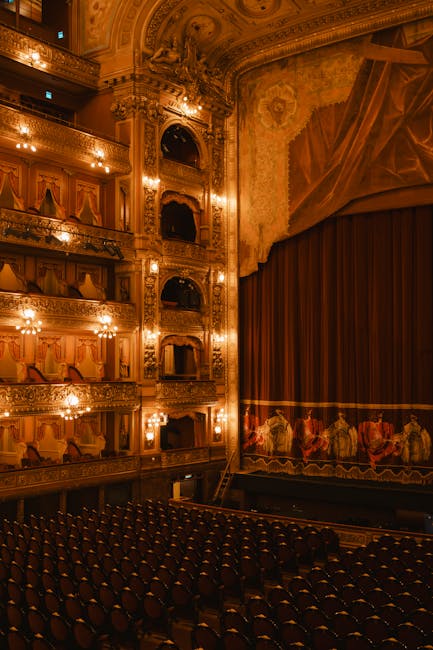
Gran Teatre del Liceu
Founded 1847 on Las Ramblas. Among the largest opera houses in the world (2,292 seats on 6 levels). Destroyed by fire in 1994 and reopened in 1999 with restored interiors. Programme:
- Opera season (October-July): Major productions from Verdi, Mozart, Wagner, Puccini.
- Modern works and Spanish operas (zarzuela).
- Special concerts: Recitals, ballets, and contemporary works.
- Family programs: Reduced-price family productions.
- Tours: 60-min guided tour 18 EUR; available daily when no rehearsal.
Tickets: 15-200 EUR depending on production and seat. Standing-room “gallinero” (rooster gallery) tickets at 15-25 EUR are excellent value. Book through liceubarcelona.cat.
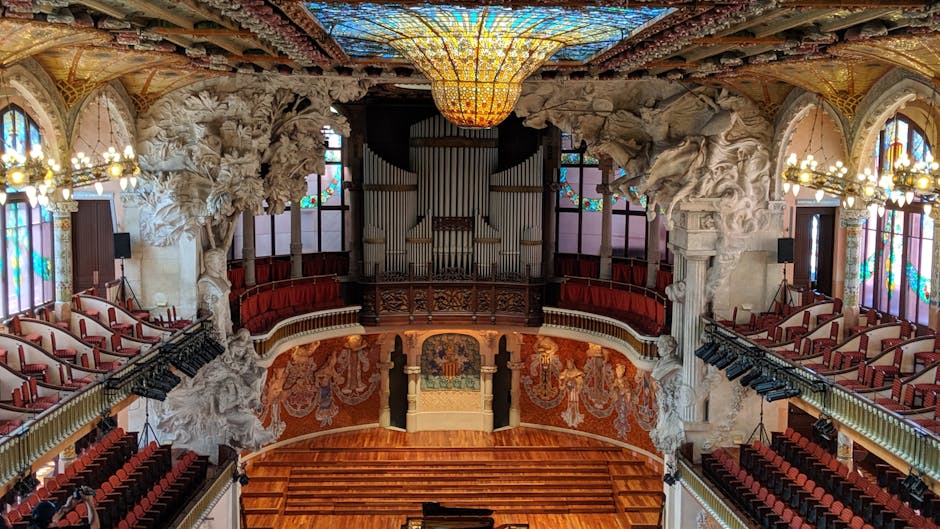
Palau de la Música Catalana
1908 Modernist concert hall by Lluís Domènech i Montaner. UNESCO World Heritage. Often called the most beautiful concert venue in the world. Stained-glass dome, sculpted columns, mosaic walls. Programme:
- Classical concerts: Year-round; international orchestras and soloists.
- Choral concerts: The Orfeó Català is the venue’s resident choir.
- Contemporary music: Some pop, jazz, and world music programs.
- Christmas concerts: Traditional and Spanish carol programs.
- Tours: 50-min Palau Tour 15 EUR; includes brief musical performance.
Tickets: 20-90 EUR. Book ahead — the venue is small (2,200 seats) and famous concerts sell quickly.
L’Auditori
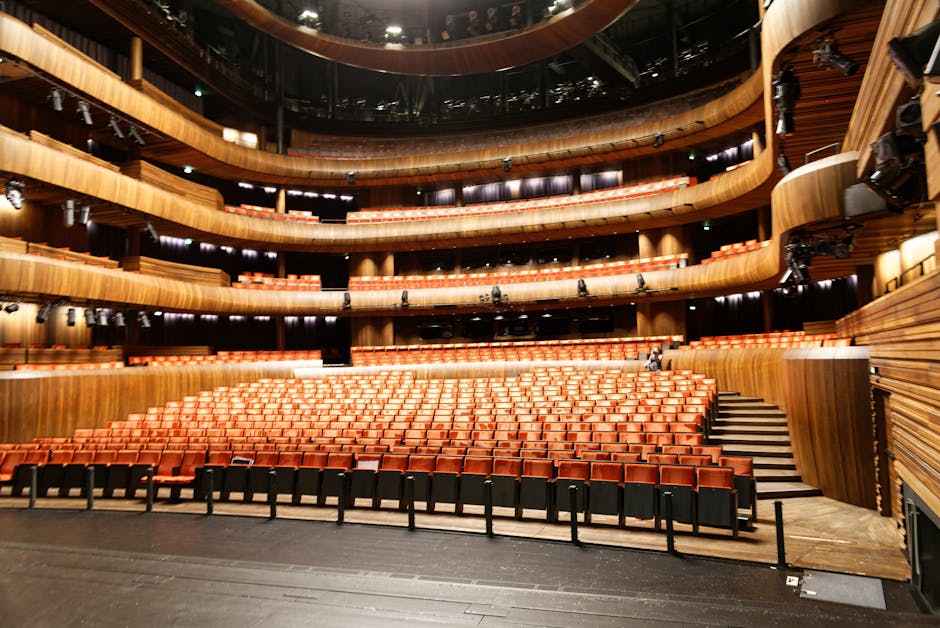
1999 modern concert hall by architect Rafael Moneo. Home of the Barcelona Symphony Orchestra (OBC). Excellent acoustics; less ornate than Liceu or Palau but architecturally significant. Programme:
- OBC subscription series: Symphony concerts.
- Chamber music: Three smaller halls.
- Catalan music: Traditional and contemporary Catalan composers.
- Family concerts: Reduced prices for kids.
Tickets: 10-60 EUR. The most affordable of the three major venues.
Barcelona Obertura
The three venues partner to package multi-venue weekends and tickets — selecting the best concerts from each for combined promotion. Useful for travellers planning a music-focused weekend.
Theatre Venues
Teatre Lliure
Catalan-language theatre on Plaça Margarida Xirgu, near Plaça Espanya. Two stages; primarily Catalan but some productions with English subtitles. Refined contemporary repertoire. Tickets 25-45 EUR.
Teatre Nacional de Catalunya (TNC)
The Catalan national theatre on Plaça de les Arts. Classical-styled building. Major productions in Catalan; some with English subtitles. 25-50 EUR.
Teatre Romea
1863 historic Catalan theatre on Carrer Hospital. Mid-sized; mostly Catalan-language. Atmospheric. 25-50 EUR.
Teatre Coliseum
Major Las Ramblas-area theatre; commercial musicals (often Spanish-language); 35-80 EUR.
Teatre Tívoli
Long-running theatre near Plaça Catalunya; mid-sized; Spanish musicals and dramas; 35-60 EUR.
Avinguda del Paral·lel Theatres
The historic theatre boulevard with several major venues: Teatre Apolo, Teatre Victòria, Teatre Condal, El Molino. Major Spanish musicals and traditional shows.
Sala Beckett (Poblenou)
Catalan-language experimental theatre; smaller venue; emerging playwrights.
Antic Teatre (El Born)
Independent space in a 16th-century building; experimental and indie theatre. 10-20 EUR.
Mercat de les Flors
Dance and movement-focused venue on Plaça de Margarida Xirgu. Contemporary dance, performance art. 15-35 EUR.
Teatreneu (Gracia)
Comedy specialty; weekly stand-up nights in Spanish; some English-language nights.
Flamenco Tablaos
Flamenco is Andalusian rather than Catalan, but Barcelona has several established flamenco venues catering to visitors.
Tablao Cordobes (Las Ramblas)
Founded 1970; one of Spain’s oldest tablaos. Excellent dancers; intimate setting; dinner-and-show or show-only. 60-90 EUR per person.
Palau Dalmases (El Born)
Smaller and more intimate; 18th-century palace setting; show-only. 25-35 EUR.
Tablao Flamenco Cardenal
Mid-priced; reliable show. 35-50 EUR.
El Tablao de Carmen (Poble Espanyol)
Inside the open-air architectural museum on Montjuïc. Authentic; named after legendary dancer Carmen Amaya. Show-only or with dinner. 50-85 EUR.
City Hall (Ronda Universitat)
Less famous but quality nightly shows.
Tablao Nervion
Smaller; locally favoured; less touristy. 25-40 EUR.
23 Robadors (El Raval)
Authentic small jazz-flamenco bar; not a tablao but offers flamenco evenings. Less polished but more authentic.
Live Music and Cabaret Venues
Sala Apolo (Poble Sec)
Multi-genre live music venue; indie rock, electronic, jazz, world music. Tickets 18-35 EUR.
Razzmatazz (Poblenou)
The city’s largest live music club; 5 rooms; major touring acts.
Sidecar (Plaça Reial)
Indie and alternative live music basement.
Jamboree (Plaça Reial)
Long-running jazz club.
Harlem Jazz Club
Established jazz venue.
El Molino (Poble Sec)
1908 cabaret theatre — the “Catalan Moulin Rouge” — restored and reopened 2010. Burlesque, drag, late-night cabaret. 25-50 EUR.
Luz de Gas
Old-school cabaret venue; varied programming.
Teatre Lliure (Modern Programming)
Some live experimental music programming.
Children’s Theatre and Family Performances
- L’Auditori family programs: Reduced-price family concerts.
- Mercat de les Flors: Some family contemporary dance.
- Casa de la Música: Educational family events.
- Teatre Lliure family programming: Catalan with English subtitles.
- L’Auditori “Música i Família”: Educational chamber music for kids.
- Christmas pantomime season: December at major theatres.
Annual Festivals
Festival Grec (June-July)
The city’s flagship summer festival; theatre, dance, music, circus across 60+ venues. The Greek Theatre on Montjuïc (1929 amphitheatre carved into a former quarry) hosts the iconic outdoor productions. Tickets 15-40 EUR.
Festival de Música Antiga (April)
Early music festival; medieval, Renaissance, Baroque programs. Concerts at Liceu, Palau, and Romanesque churches.
Cap Roig Festival (July; Costa Brava)
Open-air concerts in coastal gardens; major international acts. Day trip from Barcelona.
Festival Castell de Peralada (July-August; Empordà)
Opera and classical music in a medieval castle. Day trip.
Sónar (June)
Electronic music; 130,000+ attendees. See our Sónar guide.
Primavera Sound (May)
Indie and rock; major lineup. See our Primavera Sound guide.
Mercat de Música Viva de Vic (September)
Catalan and international music showcase.
Christmas Concerts (December)
Traditional concerts at all major venues.
How to Buy Tickets
Official Venue Websites
- liceubarcelona.cat for the Liceu opera.
- palaumusica.cat for the Palau de la Música.
- auditori.cat for L’Auditori.
- Most theatre venues have direct ticket sales.
Aggregator Sites
- Ticketmaster Spain.
- Entradas.com.
- El Corte Inglés ticket office (in-store and online).
Last-Minute
- Box office on the day of performance — sometimes available.
- Liceu’s “gallinero” (gallery) tickets at 15-25 EUR.
- Half-price ticket booth on Las Ramblas (occasional).
Best Performances by Type
Opera
- Liceu’s main season: The headline experience.
- Major Verdi/Puccini productions: Reliable.
- Wagner cycles: Worth scheduling around.
- Modern operas: Liceu has commissioned and produced contemporary works.
Classical Concert
- Palau de la Música evening concerts: The setting alone is worth the ticket.
- L’Auditori OBC subscription series: The city’s symphony.
- Choral concerts: Orfeó Català at Palau.
Theatre
- Teatre Lliure for refined contemporary: Catalan with English subtitles.
- Teatre Nacional for classical: Major productions.
- Avinguda del Paral·lel for musicals.
Flamenco
- Tablao Cordobes for the most established experience.
- Palau Dalmases for intimate atmospheric.
- El Tablao de Carmen for authentic dancing.
Dance
- Mercat de les Flors: Contemporary.
- Liceu ballet productions: Major Ballets Russes-style.
Live Music
- Sala Apolo for indie: Multiple genres.
- Razzmatazz for major touring: Largest venue.
- Jamboree for jazz.
Sample Performance Days
Opera Day
- Daytime: Visit Sagrada Familia or Park Güell.
- 5:30 PM: Aperitivo at Mandarin Oriental Terrat.
- 7:00 PM: Light dinner at Bar Mut or Bar Cañete.
- 8:00 PM: Opera at Liceu.
- 11:00 PM: Late drinks at Paradiso.
Classical Concert Day
- Daytime: Modernist tour.
- 6:30 PM: Cocktails near Palau.
- 7:30 PM: Dinner at Bar Cañete.
- 9:00 PM: Concert at Palau de la Música.
- 11:00 PM: Walk back through Old City.
Flamenco Night
- 7:00 PM: Tapas at Bar Bodega Joan.
- 8:30 PM: Walk to El Born.
- 9:00 PM: Tablao Cordobes (with dinner).
- 11:30 PM: Cocktail at Dr. Stravinsky.
Live Music Night (Younger Crowd)
- 8:00 PM: Dinner at Quimet & Quimet.
- 10:00 PM: Walk to Apolo.
- 11:00 PM: Live music at Apolo.
- 2:00 AM: Dance until late.
What to Wear
- Liceu opera: Smart-casual minimum; many guests dress formally for evening performances.
- Palau de la Música: Smart-casual.
- L’Auditori: Smart-casual.
- Theatre: Smart-casual.
- Flamenco: Smart-casual.
- Live music venues: Casual; concert-style.
Practical Tips
- Book major opera and Palau concerts 1-3 months ahead for best seats.
- Liceu standing-room (gallinero) tickets are excellent value.
- Programs are often in Catalan/Spanish — get the English summary at the venue.
- Flamenco shows are typically 1.5-2 hours.
- Operas are typically 3-4 hours including intermission.
- Arrive 30 minutes early for ticket pickup and seating.
- Most venues have cloakroom service.
- Refreshments available during intermissions.
- Photography prohibited during performances.
- Phones to silent.
- Children welcomed at family programs; not at standard opera/symphony.
- Wheelchair access at major venues.
- Some performances broadcast live online (Liceu); attend in person for the experience.
Frequently Asked Questions
Is the Liceu worth seeing?
Yes — among the world’s largest opera houses with refined productions.
How much are opera tickets?
15-200 EUR depending on production and seat.
Is Palau de la Música that beautiful?
Yes — among the world’s most ornate concert halls.
Can I do a tour without a concert?
Yes — Liceu (18 EUR), Palau (15 EUR), L’Auditori (12 EUR) all offer tours.
Best flamenco?
Tablao Cordobes (most established); Palau Dalmases (intimate).
Are tickets cheaper at the box office?
Sometimes; check website first.
Is theatre in English?
Most is Catalan/Spanish. Some venues offer English subtitles. Check the program.
Are children welcome at the opera?
Family programs yes; standard opera less so. Liceu and L’Auditori have family series.
Best month for performance?
Opera season October-July; Festival Grec June-July; Christmas concerts December.
What’s Barcelona Obertura?
Joint promotion of Liceu, Palau, and L’Auditori; multi-venue tickets.
Are there last-minute tickets?
Sometimes at the box office; Liceu’s gallinero often available.
Is the Festival Grec worth attending?
Yes — the open-air Greek Theatre productions are unique.
Can I see Catalan-language theatre?
Yes at Teatre Lliure (some with English subtitles), Teatre Nacional de Catalunya.
What about cabaret?
El Molino is the restored 1908 cabaret venue; nightly burlesque and drag.
Is the Liceu’s “Mes Que un Club” worth it?
The Liceu Club Membership offers reduced-price tickets but requires advance application.
Can I see the conductor?
Yes from any seat; Liceu’s stage is highly visible from all 6 levels.
What about pop concerts?
Razzmatazz, Sant Jordi Arena, Palau Sant Jordi host major touring acts.
Final Thoughts: A Performance Capital Worth Discovering
The right approach to barcelona theatre and performing arts is to plan one major performance for any 4+ night trip — Liceu opera, Palau de la Música concert, or flamenco at Tablao Cordobes. The architectural settings alone justify the ticket; the performances elevate the experience. Combine with one cultural day (Modernist tour, Gothic Quarter walk) and Barcelona’s depth as a cultural capital becomes clear — far beyond Gaudí and tapas.
For more, see our nightlife pillar, the live music guide, the festivals pillar, and the museums guide.