We get commissions for bookings made through this post. Booking links, and any accommodation options shown on the page, are handled by a partner that adds commission tracking automatically. It never costs you more, and it never affects what we recommend. Affiliate disclosure
Why Catalan Wine and Cava Make Barcelona a Wine-Lover’s Capital
Barcelona has one of Europe’s most distinctive wine cultures — and one of the most underrated. The city sits at the centre of Catalonia, home to 12 official wine regions (DOs) including the world’s largest cava production area (Penedès), the prestigious Priorat (DOQ — the highest classification, shared only with Rioja), the up-and-coming Empordà, and unique microclimates producing wines from 60+ native grape varieties. Add a wine-bar culture that ranges from 1908 cellars serving 2 EUR cava on tap to Michelin-starred wine pairings, plus the inexpensive house wine that’s often cheaper than bottled water in restaurants, and Barcelona is one of the most rewarding cities in Europe for wine-curious travellers. This complete guide to barcelona wine bars covers the best catalan wine regions, the cava barcelona scene, refined wine tasting barcelona experiences, and the barcelona vermouth tradition that defines the city’s pre-dinner ritual.
Catalonia’s Wine Regions at a Glance
The 12 Catalan DO (Denominació d’Origen) wine regions:
- DO Cava (within Penedès): 95% of Spain’s traditional-method sparkling wine. Native grapes Xarel·lo, Macabeo, Parellada.
- DO Penedès: Catalonia’s largest still-wine region. Native Xarel·lo whites; reds from Cabernet, Tempranillo, native Trepat. Home to Torres, Pares Balta, Albet i Noya.
- DOQ Priorat: Highest Spanish classification. Powerful, expensive reds from old-vine Garnatxa and Carinyena on slate (llicorella) soils. Bottles 30-200 EUR.
- DO Montsant: Surrounds Priorat; similar grapes; better value. 15-40 EUR per bottle.
- DO Empordà: Coastal northeast Catalonia. Whites from Garnatxa Blanca; reds; sweet wines.
- DO Conca de Barberà: Inland; Trepat (native red); whites.
- DO Costers del Segre: Western Catalonia; Raïmat estate.
- DO Pla de Bages: Inland; Picapoll (native white).
- DO Tarragona: Surrounds Tarragona city.
- DO Terra Alta: Garnatxa Blanca specialist.
- DO Alella: Smallest region; close to Barcelona; Pansa Blanca whites.
- DO Catalunya: Catch-all regional appellation.
Cava: The Catalan Sparkling Wine
What Cava Is
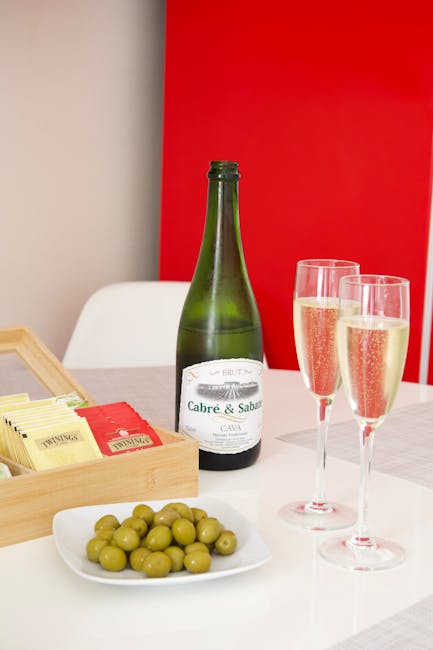
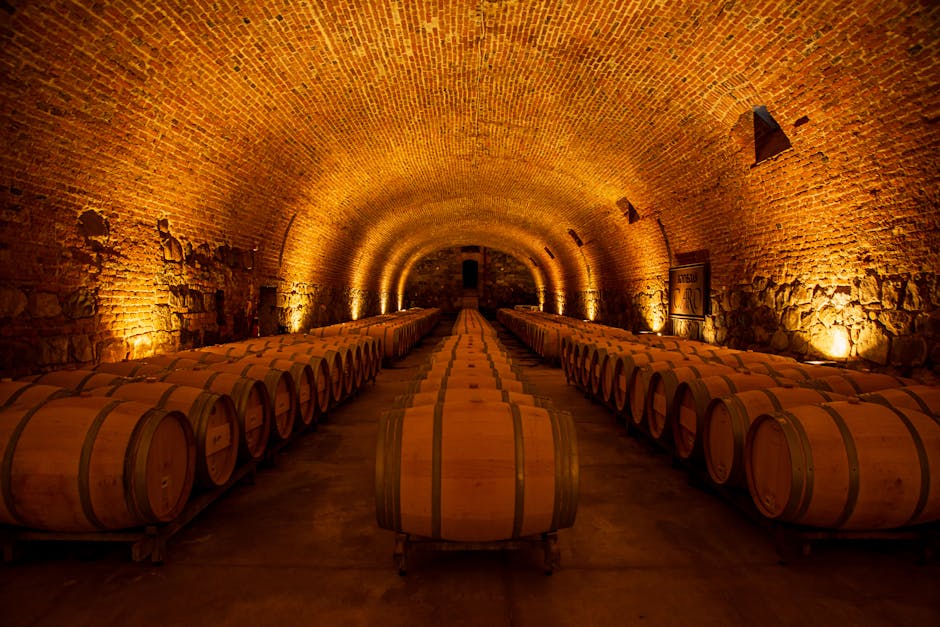
Cava is traditional-method sparkling wine — the same secondary-fermentation-in-bottle method as Champagne — produced primarily in Penedès, 45 minutes south of Barcelona. The native grapes (Xarel·lo, Macabeo, Parellada) produce wines with citrus and floral notes that age beautifully. Premium Gran Reserva cavas (30+ months aging) compete favourably with Champagne at one-third the price.
Cava Categories
- Cava (basic): Minimum 9 months aging; 4-12 EUR per bottle.
- Cava Reserva: Minimum 18 months; 12-25 EUR.
- Cava Gran Reserva: Minimum 30 months; 25-65 EUR.
- Cava de Paraje Calificado: Single-vineyard top tier; 60-150 EUR.
- Brut Nature: No added sugar; the most refined dry style.
- Brut: Up to 12 g/L sugar; the most common.
- Extra Brut: 0-6 g/L.
- Semi-seco: Sweeter; for desserts.
Top Cava Producers
- Recaredo: Premium biodynamic; among the best Cava Gran Reserva producers.
- Gramona: Gran Reserva specialist; legendary aging programs.
- Torelló: Premium family producer.
- Codorniu: Historic giant (founded 1551); the Modernist cellars are a UNESCO industrial heritage site.
- Freixenet: Mass-market giant; reliable.
- Parés Balta: Family biodynamic.
- Llopart: Family-owned since 1385.
- Vilarnau: Modern design.
- Albet i Noya: Spain’s first organic producer.
Best Cava Bars in Barcelona
El Xampanyet (El Born) — Cash Only
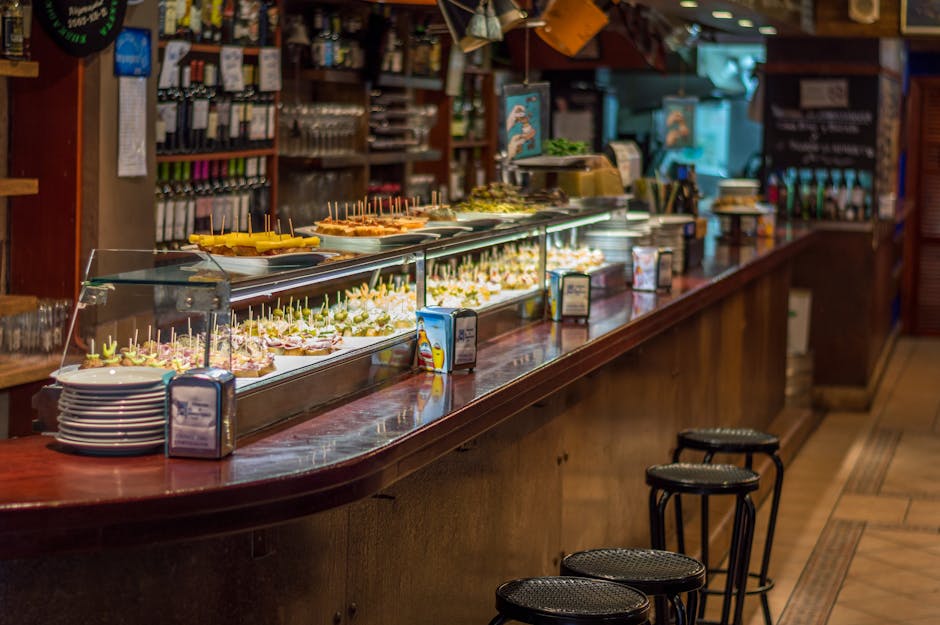
The most legendary cava bar in the city. Hand-painted tile walls, family-run since 1929, house cava on tap (2-3 EUR per glass), small tapas counter, no reservations. Open evenings until 11 PM; closed Sunday and Monday. Cash only. Arrive at opening (7 PM) or after 9:30 PM. 20-30 EUR per person for cava and tapas. The most authentic cava experience in Barcelona.
Can Paixano (Barceloneta) — “La Champanyeria”
Barceloneta’s cult cava bar since 1969. Pink “champagne” served in tiny glasses (2 EUR each); famous bocadillos (small sandwiches; 4-7 EUR). Stand-up only; tightly packed. Cash only. Closed Sunday. 15-25 EUR per person.
La Vinya del Senyor (El Born)
Located on Plaça de Santa Maria del Mar facing the Gothic basilica. Long wine list with 30+ cavas by the glass. Beautiful terrace with church views. 4-9 EUR per glass; 25-50 EUR per bottle for a sit-down session.
La Vinateria del Call (Gothic Quarter)
Cosy brick-walled wine bar in the medieval Jewish Quarter. Cava and Catalan still wines; small tapas plates. 30-50 EUR per person.
Cellar Florida (Sant Antoni)
Chic but inviting wine bar; rotating cava list; modern Catalan tapas. 35-55 EUR per person.
Bormuth (El Born)
Vermouth-focused but with strong cava list. Sunday vermouth crowd. 25-40 EUR.
Bar Mut (Eixample)
Refined wine bar; mature crowd; long Catalan wine list. 40-65 EUR per person.
Monvínic (Eixample)
The wine industry’s wine bar. 4,000+ bottles; 50+ wines by the glass; refined dining with wine pairings. 60-100 EUR per person; book ahead.
Best Wine Bars Beyond Cava
Vila Viniteca (El Born)
Spain’s most respected wine shop and tasting venue. 7,000+ bottles; daily tastings 25-50 EUR; refined cheeses and charcuterie. 35-65 EUR for a tasting session with food.
Bar Cañete (Old City)
Old-school stand-up tapas bar with one of the city’s best wine lists. 40-65 EUR per person.
Bodega 1900 (Poble Sec, Albert Adrià)
Albert Adrià’s revival of classic Catalan vermouth bar. Refined wines; vermouth focus. 40-60 EUR.
Sips (Eixample)
2024 World’s Best Bar; cocktail-focused but with curated wine list. 30-60 EUR.
Paco Meralgo (Sant Antoni-adjacent)
Pintxo bar with refined Catalan wines; mature crowd. 30-50 EUR.
El Quim de la Boqueria
Counter inside Mercat de la Boqueria; 30 EUR per person; excellent house wines.
Mont Bar (Eixample)
Modern Catalan with one of the city’s most thoughtful wine pairings; 1 Michelin star. 90-130 EUR per person with pairings.
Vermouth: Barcelona’s Pre-Dinner Ritual
Vermouth (vermut in Catalan) is fortified wine flavoured with botanicals — herbs, roots, citrus peels. Catalonia’s vermouth tradition runs 150 years; the Reus and Tarragona regions produce the most famous brands (Yzaguirre, Miró, Antonio Galofre, Cinzano alternative producers). The “vermut” hour is a Catalan ritual — Sunday afternoon especially, but throughout the week between 12:30 and 2:30 PM as a pre-lunch aperitivo.
How to Drink Vermouth
- Served on ice with an orange slice and an olive (sometimes pickled).
- Use the small straw to stir; sip slowly.
- Pair with chips, pickled mussels, or a small tapa.
- Cost: 3-6 EUR per glass.
Best Vermouth Bars (Vermutorias)
- Bar Bodega Quimet (Gracia): Old-school neighbourhood vibe.
- Bar de la Virreina (Gracia): Sunday vermouth ritual; Plaça de la Virreina.
- Bar Calders (Sant Antoni): Hipster vermouth bar.
- Bormuth (El Born): Vermouth-focused; modern.
- Casa Mariol (Gracia/El Raval): Brand-owned bar with Catalan wines and vermouth.
- Bodega 1900 (Poble Sec): Albert Adrià’s vermouth revival.
- Bar Electricitat (Barceloneta): 1908 classic on the beach.
- Bar la Plata: Cash-only Old City classic.
Wine Tasting Experiences
In-City Wine Tastings
- Vila Viniteca: Daily tastings with food pairings; 25-65 EUR.
- Monvínic: Sommelier-led pairings.
- Wine and Tapas Tour (Devour): 3-hour walking tour of wine bars; 90-110 EUR.
- Catalan Wine and Tapas (Eat & Walk): 4-hour deep-dive tour.
- Wine Palace Bornaltà: Wine tasting in a Modernist building.
Penedès Day Trips
The wine country day trip — 45 minutes by train from Sants to Sant Sadurní d’Anoia or Vilafranca del Penedès. Cellar tours and tastings at:
- Codorniu: Modernist cellar tour; UNESCO heritage; 22 EUR.
- Familia Torres: Spain’s most prestigious wine family; 25-50 EUR.
- Recaredo: Premium biodynamic; 40-65 EUR.
- Gramona: Premium aging; 35-55 EUR.
- Parés Balta: Family biodynamic; 25-40 EUR.
Plus refined Catalan lunch in Vilafranca (Cal Blay Vinticinc; 60-85 EUR per person). See our Penedès wine guide.
Priorat and Montsant Day Trips
The DOQ Priorat region — Catalan Wine’s premium destination. 2 hours’ drive south. Old-vine Garnatxa and Carinyena from slate-soil vineyards. Top producers: Clos Mogador, Clos Erasmus, Clos i Terrasses, Alvaro Palacios. Tastings 40-150 EUR. Best as overnight; refined wine-country Lodging at Cal Llop or Mas L’Almirall.
Catalan Wine Pairings to Know
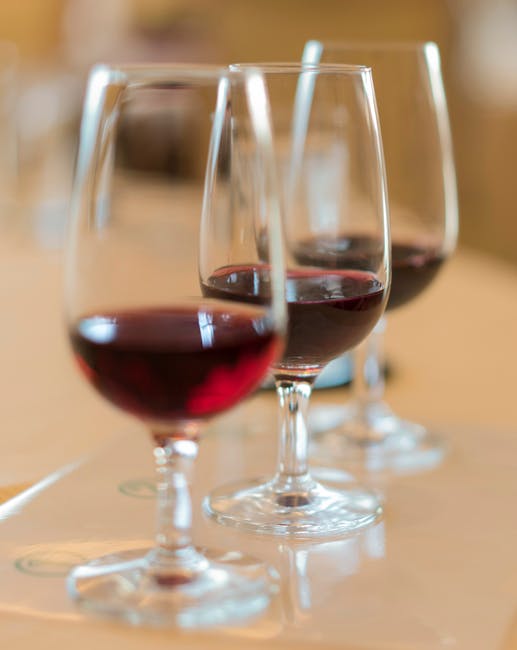
- Cava brut nature with seafood: oysters, anchovies, sushi.
- Xarel·lo (still): Catalan classic with mar i muntanya (sea-and-mountain) dishes.
- Garnatxa rosado: Lighter cuisine; Mediterranean salads.
- Trepat: Native red; light style; perfect with butifarra (Catalan sausage).
- Priorat reds: Game; aged cheese; Catalan stews.
- Empordà sweet wines: Crema catalana; aged Catalan cheeses.
- Cava semi-seco: Christmas pastries; turrón.
Where to Buy Wine
- Vila Viniteca (El Born): Most refined; international brands; rare bottles.
- Bodega Lo Pinyol (Eixample): Family-run with rare Catalan wines.
- El Celler d’en Marc (Old City): Locally focused.
- Vinissim (multiple locations): Wine club shop.
- Mercat de Sant Antoni: Several reasonable wine counters.
- Mercadona supermarkets: Reliable budget Catalan wines.
- Bonpreu/Sorli: Locally focused supermarket chains.
Sample Wine Day Itinerary
Morning
- 10:00 AM: Coffee at Cafe del Centre.
- 11:00 AM: Walk to Vila Viniteca; sommelier-led 90-min tasting (45 EUR).
Lunch
- 1:30 PM: Lunch at Bar Mut (3-course with wine pairings; 65 EUR).
Afternoon
- 3:30 PM: Sunday vermut at Bar de la Virreina (3 EUR; Catalan tradition).
- 5:00 PM: Walk through Gracia to Casa Mariol vermouth bar.
Evening
- 7:00 PM: Cava at El Xampanyet (cash only; arrive at opening).
- 9:00 PM: Dinner at Mont Bar with refined wine pairings (110 EUR).
- 11:30 PM: Final glass at Sips cocktail-and-wine bar.
Sample Penedès Wine Day
- 9:00 AM: Train from Sants (R4; 45 min).
- 10:00 AM: Codorniu Modernist cellar tour with cava tasting.
- 1:00 PM: Long Catalan lunch with wine pairings at Cal Blay Vinticinc.
- 3:30 PM: Recaredo biodynamic tour and Gran Reserva tasting.
- 6:00 PM: Train back to Barcelona.
- 8:00 PM: Light dinner at La Vinya del Senyor with view of Santa Maria del Mar.
Practical Tips
- House wine (“vino de la casa”) is excellent value — 3-5 EUR per glass.
- Premium cavas (Reserva, Gran Reserva) are 1/3 the price of comparable Champagnes.
- Vermut hour is 12:30-2:30 PM; Sunday peak.
- Most wine bars accept cards; the legendary cava bars (El Xampanyet, Can Paixano) are cash-only.
- Reservations: Monvínic, Mont Bar, refined cellars yes; casual bars no.
- Wine glasses default to large pours; ask for “una copa pequeña” for tasting size.
- Don’t ask for sangria at quality wine bars — order house wine instead.
- “Tinto” = red; “blanco” = white; “rosado” = rosé; “espumoso” = sparkling.
- The DO labels on bottles (DO, DOQ, DO Penedès) indicate region origin.
- Tip 5-10% at refined wine bars; round up at casual bars.
- Some wine bars close 4-7 PM (Spanish siesta); plan around it.
Frequently Asked Questions
What’s cava?
Catalan traditional-method sparkling wine from native grapes. Same method as Champagne; about 1/3 the price.
Is cava cheaper than Champagne?
Yes — comparable quality at 1/3 the price.
Best cava bar?
El Xampanyet (legendary; cash-only); Can Paixano (Barceloneta cult); La Vinya del Senyor (refined terrace).
What’s vermouth?
Fortified aromatised wine; the Catalan pre-lunch aperitivo. Served on ice with orange and olive.
When’s vermouth hour?
12:30-2:30 PM, especially Sundays.
Best wine bar?
Vila Viniteca (most refined); Monvínic (sommelier-led); Bar Mut (mature crowd).
Best wine tasting experience?
Vila Viniteca daily tasting (25-65 EUR); Devour Tours wine tour (90-110 EUR); Penedès cellar visit (full day, 80-150 EUR).
What’s Catalonia’s most prestigious wine?
DOQ Priorat — old-vine Garnatxa and Carinyena reds; bottles 30-200 EUR.
Should I do a Penedès day trip?
Yes — the most rewarding wine-country day from Barcelona.
Best month for wine tourism?
September-October (vendemia/harvest); April-June (vines in growth).
Can I drink and drive?
Spanish DUI limit is 0.5 g/L. Limit yourself if driving; use a designated driver.
What’s the best Catalan grape?
Xarel·lo (white) is the rising star — used for cava and increasingly for refined still whites.
Should I bring wine home?
Wine shipping is offered by larger cellars; or carry 1-2 bottles in checked luggage. Premium Cava Reserva or Priorat are the most travel-worthy purchases.
How do Catalan wines compare to Spanish wines from elsewhere?
Different. Catalan: native grape diversity, cava, mountain microclimates, refined whites. Rioja and Ribera del Duero: more classical Tempranillo-focused.
Is Sangria popular?
Mostly tourist-targeted. Locals drink vermut, tinto de verano (red wine + lemon Fanta), or house wine.
What about natural wine?
Strong scene. Bar Mut, Bormuth, and dozens of newer Sant Antoni bars feature natural Catalan wines.
Are there wine apps?
Vivino is widely used; many Catalan winemakers list there.
Final Thoughts: A Wine Culture Worth Going Slow For
The right approach to barcelona wine bars is to mix the legendary (El Xampanyet, Can Paixano), the refined (Vila Viniteca, Monvínic), and the everyday (Sunday vermut at Bar de la Virreina). One Penedès day trip deepens the experience; one Priorat tasting (in the city if can’t reach the region) elevates it. Catalan wine is one of Europe’s most distinctive drinking cultures, and Barcelona is the perfect base to explore it.
For more, see our food pillar, the Catalan cuisine guide, the Penedès wine guide, and the best bars guide.