Why Penedes Is the Day Trip That Adds the Most to a Barcelona Trip
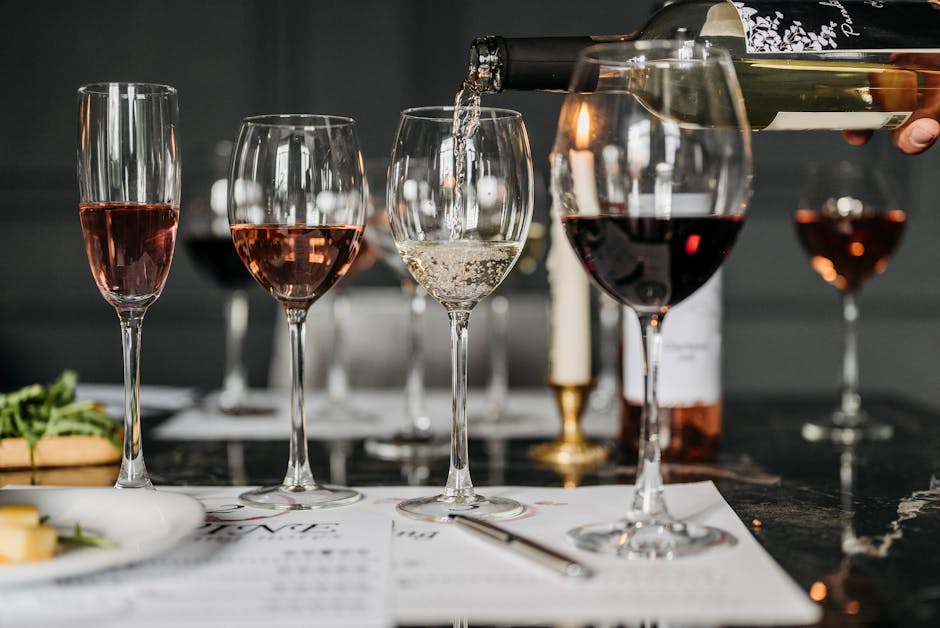
An hour southwest of Barcelona, the Penedes wine region produces 95% of Spain’s cava (Spain’s traditional-method sparkling wine) and a growing range of impressive still wines from native varieties like Xarel.lo, Garnatxa, and Trepat. Catalonia’s most prestigious winemakers — Codorniu, Freixenet, Torres, Pares Balta, Recaredo, Gramona — are headquartered here, and most welcome visitors with cellar tours, tastings, and lunches that turn into half-day experiences. For wine enthusiasts, the Penedes day trip is the most rewarding addition to any Barcelona itinerary. This complete guide to penedes wine tour covers the best cava tour barcelona options, how to organise a penedes day trip, the difference between cava and Champagne, and the practical logistics for travellers without a car.
Quick Geography of Penedes
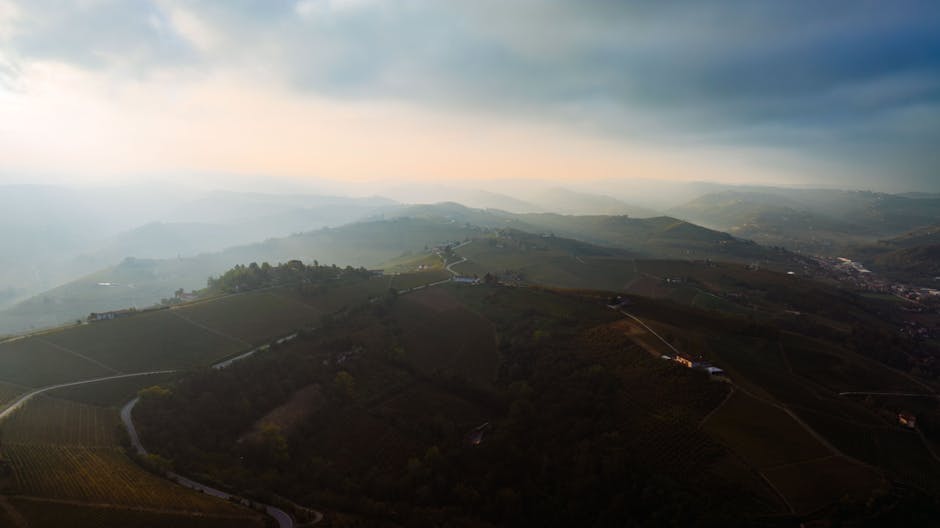
The Penedes wine region surrounds the towns of Vilafranca del Penedes (the wine capital, 50 minutes from Barcelona) and Sant Sadurni d’Anoia (the cava capital, 45 minutes from Barcelona). The region produces:
- Cava (95% of Spain’s production): Traditional-method sparkling wine; mostly from Xarel.lo, Macabeo, and Parellada grapes.
- Still whites: Xarel.lo (the local hero variety; complex, age-worthy, increasingly recognised internationally), Macabeo, Parellada, Garnatxa Blanca.
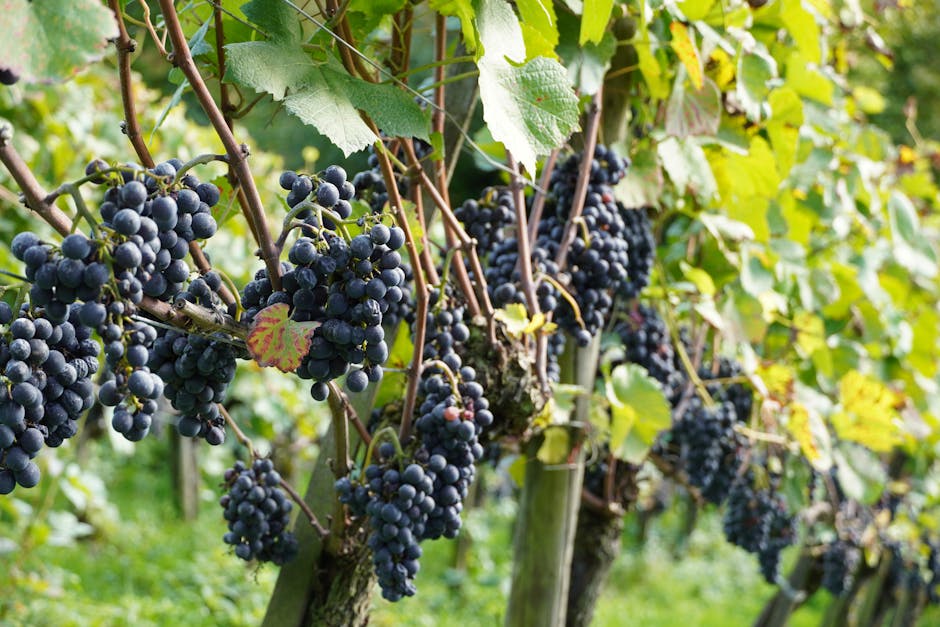
- Still reds: Tempranillo, Cabernet Sauvignon, Merlot, Garnatxa, Trepat, Mont Rouge.
- Sweet wines: Moscatell and Garnatxa-based sweet wines.
The DO Penedes appellation produces around 6 million hectolitres annually; the DO Cava appellation produces around 250 million bottles annually (most from Penedes).
Cava vs Champagne: The Quick Reference
- Method: Both use the traditional method (second fermentation in the bottle).
- Grapes: Cava — Xarel.lo, Macabeo, Parellada (and increasingly Chardonnay, Pinot Noir). Champagne — Chardonnay, Pinot Noir, Pinot Meunier.
- Aging: Cava requires minimum 9 months on lees; Reserva 18 months; Gran Reserva 30 months. Champagne minimum 15 months for non-vintage.
- Climate: Penedes warmer; longer ripening; richer fruit.
- Price: Cava 8-30 EUR per bottle; Premium and Gran Reserva 30-100 EUR. Champagne 35-200+ EUR.
- Categories: Brut, Brut Nature (no added sugar), Extra Brut, Reserva, Gran Reserva, Cava de Paraje Calificado (highest grade, single vineyard).
Top Wineries to Visit
Codorniu
The historic giant; founded 1551; one of Spain’s oldest businesses. The cellar in Sant Sadurni d’Anoia is housed in a Modernist masterpiece by Puig i Cadafalch (1895-1915), recognised as a UNESCO industrial heritage site. Tours include the Modernist building, the underground cellar (26 km of tunnels), tasting of 2-3 cavas. 16-25 EUR; book online ahead.
Freixenet
The mass-market giant; cellar tour in Sant Sadurni d’Anoia. Less refined than Codorniu but informative about cava production. 15-22 EUR.
Familia Torres (Vilafranca del Penedes)
One of Spain’s most prestigious wine families; family-owned since 1870. Visit includes the modern winery, vineyard tour, tasting of 4-5 wines (still wines, not cava — Torres focuses on still wines). 25-50 EUR.
Recaredo (Sant Sadurni d’Anoia)
Premium cava producer; biodynamic; long aging. Tours include their vineyards and the cellar; 40-65 EUR for premium tastings. Book months ahead.
Gramona (Sant Sadurni d’Anoia)
Another prestigious cava producer; long-aged Gran Reservas. Tours and tastings 35-55 EUR.
Pares Balta
Family-run boutique winery; biodynamic; uses native Xarel.lo and Garnatxa Blanca. Tours emphasise sustainability. 25-40 EUR.
Albet i Noya
Spain’s first organic wine producer (1979). Family-run; quietly progressive. Tours 25-40 EUR.
Loxarel
Boutique amphora-aged producer; experimental; 100% Xarel.lo focus. Tours 30-50 EUR.
Mas Estela
Boutique organic family winery; small-scale; intimate visits. 25-35 EUR.
Vilarnau
Cava with international design (their bottles use indigenous Mexican Huichol art); cellars near Sant Sadurni d’Anoia. 18-30 EUR.
Llopart
Family-run cava since 1385 (one of the oldest documented winemaking families in Spain). Tours emphasise heritage. 25-40 EUR.
How to Get to Penedes
Train (Best for Solo and Couples)
Rodalies R4 from Sants or Plaça Catalunya to Sant Sadurni d’Anoia (45 minutes; 4 EUR each way) or Vilafranca del Penedes (50 minutes; 5 EUR each way). Trains every 30 minutes. From the station, walk or taxi to the wineries (most are 10-30 minutes by foot or short taxi ride).
Driving
40 minutes via AP-7 to Sant Sadurni d’Anoia or Vilafranca del Penedes. Excellent option for visiting multiple wineries; designate a non-drinking driver.
Guided Tours from Barcelona
The most popular option for travellers without a car. Operators include Vinos and Tapas, Wine Pleasures, and BCN Wine Tours. Half-day tours 70-95 EUR; full-day with lunch 110-145 EUR. Tours typically visit 2-3 wineries with optional lunch at a winery restaurant.
Private Driver
Private taxi or driver from Barcelona; 200-350 EUR for the day for up to 4 passengers. Best for groups or special occasions.
Sample Penedes Day Trip Itinerary
Morning
- 9:00 AM: Train from Sants.
- 9:45 AM: Arrive Sant Sadurni d’Anoia.
- 10:00 AM: Codorniu tour and tasting (2 hours).
Lunch
- 12:30 PM: Walk to Cal Blay (Vilafranca del Penedes; legendary local restaurant) or have lunch at the winery’s restaurant.
- 1:00 PM: Long Catalan lunch with paired wines (40-65 EUR per person).
Afternoon
- 3:00 PM: Visit a second smaller winery (Pares Balta or Recaredo).
- 5:00 PM: Tasting and walk through vineyards.
- 6:00 PM: Return to Sant Sadurni or Vilafranca.
Return
- 7:00 PM: Train back to Barcelona.
- 8:00 PM: Arrive Sants.
Where to Eat in Penedes
In Vilafranca del Penedes
- Cal Blay Vinticinc: Long-running family restaurant; refined Catalan cuisine. 50-80 EUR per person.
- Cal Pere del Maset: Excellent traditional Catalan with refined service. 60-85 EUR.
- Inzolia: Italian-Catalan fusion; popular wine-day-trip lunch.
- VINSEUM Cafe: Casual cafe at the wine museum.
In Sant Sadurni d’Anoia
- La Cava de Sant Pau: Charming bistro; cava-paired menus.
- Restaurant Mas Tinell: Winery restaurant; refined Catalan; vineyard views.
At Wineries
- Restaurante Mirador de las Caves (Codorniu): Inside a Modernist building.
- Restaurant Albert Adria at Heretat Mas Tinell: Premium Catalan cooking.
- Cal Mossen (vineyard farmhouse): Rustic, authentic.
VINSEUM (Wine Museum)
The Catalan wine museum in Vilafranca del Penedes. Excellent introduction to the region’s history, grape varieties, winemaking methods, and cultural traditions. 8 EUR; 1.5-2 hours; tastings available.
What to Buy
- Cava Reserva or Gran Reserva: 12-25 EUR per bottle; substantial value vs Barcelona retail.
- Premium Cava Reserva (Recaredo, Gramona): 30-65 EUR per bottle; collectible.
- Pure Xarel.lo whites: Native varietal; complex; 15-30 EUR.
- Trepat reds: Native red; light and aromatic; 18-35 EUR.
- Wine accessories: Penedes-specific stoppers, decanters.
- Local olive oil and vinegar: From small producers around the region.
What to Wear
- Smart-casual; closed shoes (some cellars are dusty).
- Layers; cellars are cool (12-15°C) even in summer.
- Avoid strong perfume — interferes with tasting.
- Comfortable walking shoes for vineyard walks.
- Light jacket if visiting in spring/autumn.
Tasting Etiquette
- Swirl the glass to release aromas.
- Smell before tasting.
- Taste in small sips; let the wine cover the tongue.
- Spit if visiting multiple wineries (use the spittoons; not rude).
- Take notes if buying.
- Ask questions; the staff love explaining.
- Don’t rate wines critically out loud — be polite.
- Tip 5-10 EUR for an attentive guide.
Best Times to Visit
- April-June: Vines in growth; pleasant weather; smaller crowds.
- September-October: Harvest season (vermada); excellent atmosphere; more activity.
- November-March: Quieter; some wineries reduce hours.
- Avoid: Harvest week (varies by year, usually mid-September) — many wineries close to visitors during peak harvest.
Special Events
- Cava Week (mid-October): Open cellars; tastings throughout the region.
- Vermada Festival (mid-September): Harvest celebrations.
- Festa Major de Sant Sadurni d’Anoia (last weekend August): Cava festival.
- Vinaval (Vilafranca, mid-November): Wine fair.
- Sant Felix (30 August – Vilafranca): Wine and human towers (castellers).
Frequently Asked Questions
How long is the trip from Barcelona?
45-50 minutes by train; 40 minutes by car.
Can I visit without booking?
Codorniu and Freixenet often accept walk-ins. Smaller wineries require booking ahead.
What’s the best winery for first-timers?
Codorniu (history + Modernist architecture); Familia Torres (range and quality).
Is cava better than Champagne?
Different. Cava is fruitier, often more affordable, and uses native Catalan grapes.
Can I drink and drive?
Spanish DUI limit is 0.5 g/L (lower than US). Limit yourself if driving; use a designated driver.
Is Penedes cheaper than Barcelona for wine?
Yes by 20-40% from the cellar door.
Can I do this with kids?
Yes — most wineries welcome children; some have grape juice tastings. Adjust expectations.
Should I take a guided tour or DIY?
Guided tour for first-timers and travellers without a car. DIY (with rental car or train) for repeat visitors.
How many wineries in a day?
2 maximum if including a long lunch. 3 only with a designated driver and minimal lunch.
Are credit cards accepted?
Yes at all major wineries.
Can I ship wine home?
Yes most wineries offer shipping. Check duties for your destination.
Is Cava cheaper at Spanish supermarkets?
Mainstream cava (Codorniu, Freixenet) is similarly priced. Premium cava and small-producer wines are best from the cellar door.
What’s a fair tip for the guide?
5-10 EUR per person for excellent service.
Are there cava festivals?
Yes — Cava Week (October); Vermada Festival (September); Festa Major de Sant Sadurni (August).
Can I cycle through the vineyards?
Yes — several rental shops in Vilafranca; flat-to-rolling terrain.
Is there overnight accommodation?
Yes — Hotel Mas Tinell, Mas la Boella, Cava&Hotel Mastinell are wine-themed; book ahead.
Can I taste at the train station?
No formal tastings, but a few bars in Sant Sadurni and Vilafranca near the stations have cava menus.
Final Thoughts: One of Catalonia’s Great Day Trips
The right penedes wine tour day delivers Catalan wine country at its most intimate: medieval-era family wineries, biodynamic boutiques, and the historic giants like Codorniu and Torres all welcoming visitors. Pick 2 wineries and a long lunch; let the slow Catalan pace work on you; and bring back a few bottles. The day adds depth to a Barcelona trip that pure city walking cannot match.
For more, see our day trips pillar, the Catalan cuisine guide, the food tours guide, and the Sitges guide.