We get commissions for bookings made through this post. Booking links, and any accommodation options shown on the page, are handled by a partner that adds commission tracking automatically. It never costs you more, and it never affects what we recommend. Affiliate disclosure
Why Christmas in Barcelona Is Different from Anywhere Else in Europe
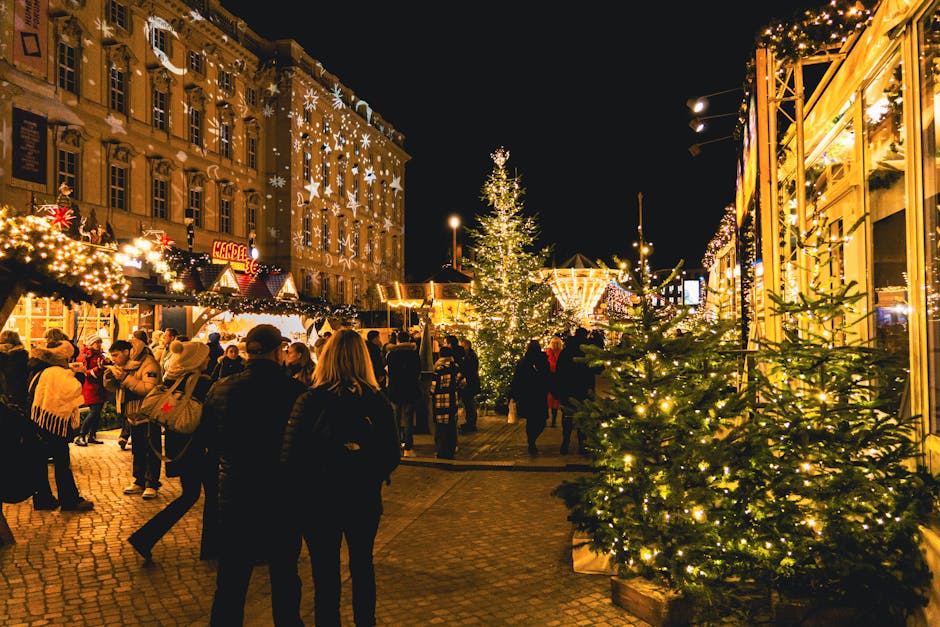
Most European Christmas traditions involve Santa Claus, snow, and chestnuts. Barcelona has its own version, and it is wonderfully strange. The Catalans celebrate Christmas with a hollow log called the Caga Tio that children beat with sticks until it produces presents. Nativity scenes include a peasant figure called the Caganer, who is depicted defecating in a corner. The oldest market in the city, the Fira de Santa Llucia, has been running since 1786 in front of the Cathedral. The Sagrada Familia square hosts another market with a giant Tio. Decorated streets, illuminated facades, and Catalan family meals create a magical atmosphere from late November through 6 January (Three Kings Day). This guide to christmas barcelona covers everything you need: the four major Christmas markets, the local traditions, the food, the events, and how to plan a Christmas trip.
Whether you are visiting in early December for the markets or staying through Three Kings Day, this article gives you the complete picture of barcelona christmas market options, the local caga tio tradition, and the broader barcelona december festive season.

The Four Major Christmas Markets
1. Fira de Santa Llucia (1786)
The oldest and most iconic Christmas market in Barcelona. About 250 stalls in front of the Cathedral selling Christmas decorations, nativity figures, the Caga Tio logs, the Caganer figures, mistletoe, and traditional handicrafts. Atmospheric, traditional, and unmissable.
- Address: Avenue de la Catedral.
- Dates: Late November to 23 December.
- Hours: Daily 10:00 AM to 9:00 PM.
- Closest metro: L4 Jaume I.
2. Fira de Nadal de la Sagrada Familia
The newer market in front of the Sagrada Familia. About 120 stalls focusing on more contemporary Christmas goods, with family activities including the giant Tio for children to “feed”, a giant Caganer photo opportunity, and free workshops, music, and theatre.
- Dates: Late November to 23 December.
- Hours: Daily 10:00 AM to 9:00 PM.
- Closest metro: L2 or L5 Sagrada Familia.
3. Port Vell Christmas Market
The newest market on the Old Port. Light shows, ice rink (in some years), entertainment, and a more modern festive atmosphere.
- Dates: Mid-November to early January.
- Closest metro: L3 Drassanes.
4. Fira de Reis a la Gran Via
The Three Kings market on Gran Via. Toys, gadgets, food, and gifts. Particularly active in early January when the Three Kings parade approaches.
- Dates: Late December to 5 January.
- Closest metro: L1 Urgell.
The Catalan Christmas Traditions
The Caga Tio (Tio de Nadal)
The most famous and most baffling Catalan Christmas tradition. A hollow log, painted with a smiley face and wearing a red Catalan hat (barretina), is brought into the home on 8 December (Immaculate Conception). Children “feed” the Tio bits of bread and water every day until Christmas Eve or Christmas Day, when they cover it with a blanket, beat it with sticks, and sing a traditional song demanding that it produce presents. Surprisingly, the Tio “delivers”: small gifts and sweets appear under the blanket. Almost every Catalan child grows up with this ritual.
The Caganer
The “pooper” figure in Catalan nativity scenes. A small ceramic figure of a peasant in traditional dress, depicted defecating in a corner of the manger scene. The tradition dates to at least the 17th century and is considered good luck (a fertility ritual fertilising the soil for the new year). Modern Caganers depict celebrities, footballers, and politicians; the original peasant remains the classic. You can buy them at every Christmas market.
The Pessebre (Nativity Scene)
Catalan nativity scenes are elaborate, with dozens of figures showing village life around the manger. Many homes display them all month; museums and churches host competitive ones.
The Three Kings Parade (Cabalgata de los Reyes)
Held on 5 January each year. The Three Kings (Melchor, Caspar, Balthasar) arrive at the Old Port by sea, then parade through the city throwing sweets to children. The parade ends near Plaça Catalunya. Massive crowds.
The Christmas Lottery (El Gordo)
The 22 December lottery is a huge Spanish tradition. Tickets sold months in advance; winners share massive jackpots.
Christmas Day Lunch (Escudella)
The traditional Catalan Christmas meal centres on escudella i carn d’olla, a hearty stew. Galets de Nadal (large pasta shells stuffed with meat) are essential.
Sant Esteve (26 December)
Saint Stephen’s Day. Traditional Catalan dish is canelones (pasta cannelloni filled with leftover Christmas meats).
Cap d’Any (New Year’s Eve)
The Catalan tradition is to eat 12 grapes at midnight, one per second of the final 12 seconds of the year. Each grape represents a month.
Three Kings Day (6 January)
The traditional gift-giving day in Catalonia (more than Christmas Day). Children wake up to gifts from the Three Kings. The traditional cake is the Tortell de Reis, a ring-shaped pastry with hidden ceramic king and bean.
Christmas Lights
Barcelona’s Christmas lights are spectacular. Major streets to walk:
- Passeig de Gracia: Each year features a new themed display.
- Las Ramblas: Traditional white lights.
- Avinguda Diagonal: Modern displays.
- Carrer de Pelai: Pedestrian-friendly with lots of shops.
- Carrer de Verdi (Gracia): Charming neighbourhood lights.
- Plaça Catalunya: The big public Christmas tree.
- Born Cultural Centre: Sometimes hosts illuminated installations.
The lights typically come on around 28 November and remain through 6 January.

What to Eat
- Escudella i carn d’olla: The Christmas Day stew.
- Galets de Nadal: Large pasta shells with Christmas meats.
- Canelones: Sant Esteve (26 December) tradition.
- Tortell de Reis: The Three Kings cake.
- Turron: Almond-honey Christmas confectionery.
- Polvorones: Crumbly almond cookies.
- Mantecados: Soft sweet biscuits.
- Cava: Catalan sparkling wine for the holiday season.
Practical Christmas Trip Planning
Best Times to Visit
- Late November to mid-December: Markets in full swing; lights illuminated; weather mild but cool.
- 22-24 December: Christmas markets at peak energy; book restaurants ahead.
- 25 December: Most shops and restaurants closed; quiet, family-focused day.
- 26 December (Sant Esteve): Public holiday; many restaurants open.
- 27 December to 4 January: Markets continuing; quieter.
- 5 January (Three Kings parade): One of the city’s biggest events.
- 6 January (Three Kings Day): Public holiday; gifts; quiet day.
Weather
December temperatures: 8 to 14 degrees Celsius daytime; cooler at night. Some rain. Sun is bright. Pack layers and a light jacket.
Crowds
Less crowded than summer. Markets are busy on weekends. Major attractions (Sagrada Familia, Park Guell) often available with shorter advance booking than summer.
Public Holidays
25 December, 26 December, 1 January, 6 January are all public holidays. Shops, banks, many restaurants close.
Sample Christmas Market Day
- 10:00 AM: Coffee in El Born.
- 10:30 AM: Fira de Santa Llucia at the Cathedral.
- 12:00 noon: Walk through the Gothic Quarter.
- 1:30 PM: Lunch at a Catalan restaurant.
- 3:30 PM: Walk to Sagrada Familia.
- 4:00 PM: Fira de Nadal de la Sagrada Familia.
- 5:30 PM: Pose with the giant Tio.
- 6:30 PM: Walk Passeig de Gracia for Christmas lights.
- 7:30 PM: Vermouth or cocktail.
- 9:00 PM: Catalan Christmas dinner.
What to Buy at the Markets
- Caga Tio: Choose a smiling log to take home. Sizes from 10 EUR.
- Caganer: Traditional or celebrity versions. 8 to 30 EUR.
- Nativity figures: Catalan-made ceramic.
- Mistletoe: A traditional centrepiece.
- Christmas decorations: Catalan and Spanish-themed.
- Turron and sweets: Local Christmas confectionery.
- Wooden toys: Traditional craftsmanship.
Christmas with Children
Barcelona is family-friendly at Christmas:
- Sagrada Familia market: Giant Tio photo, free workshops, family activities.
- Three Kings Parade (5 January): Children gather sweets thrown from floats.
- Caga Tio at home: Buy a small Tio for kids’ bedrooms.
- Cathedral Christmas concerts: Many free or low-cost.
- Ice skating at Port Vell: Family-friendly (when available).
Frequently Asked Questions
When are the Christmas markets in Barcelona?
Late November to 23 December for Fira de Santa Llucia and Sagrada Familia. Port Vell market runs longer, into early January.
What is Caga Tio?
A traditional Catalan Christmas log that children beat with sticks to produce presents. Usually painted with a smiley face and a red Catalan hat.
What is the Caganer?
A small figure in Catalan nativity scenes depicting a peasant defecating. A traditional good-luck symbol.
Is Christmas in Barcelona worth visiting?
Yes. The atmosphere is festive, the markets are charming, and the Catalan traditions are unique.
What’s the weather like?
Mild for European winter. 8 to 14 degrees Celsius. Layers and a light jacket.
Are restaurants open at Christmas?
Many close on 25 December for family meals. Most reopen on 26 December.
What are the Catalan Christmas dishes?
Escudella i carn d’olla on Christmas Day; canelones on Sant Esteve; Tortell de Reis on Three Kings Day; turron and polvorones throughout.
Is the Three Kings Parade family-friendly?
Yes. Children gather sweets thrown from floats; the parade is the most child-friendly event of the season.
Where are the best Christmas lights?
Passeig de Gracia, Las Ramblas, Carrer de Verdi (Gracia), and the city’s Plaça Catalunya tree.
How do I buy a Caga Tio?
Available at every Christmas market. Sizes range from desktop to large family logs. From 10 EUR.
What’s the busiest day for markets?
Saturdays and Sundays in mid-December.
Do I need to book restaurants?
Yes for Christmas Eve, Christmas Day, and New Year’s Eve. Reservations 2 to 4 weeks ahead.
Is the New Year’s Eve celebration big?
Yes. For years the official countdown and fireworks were held on the Avinguda de la Reina Maria Cristina below the Magic Fountain; because of works at the Fira site, the city has announced that from New Year’s Eve 2026 the countdown moves to the Anella Olímpica on Montjuïc.
What time is the Three Kings Parade?
Late afternoon on 5 January, finishing around 9:00 PM. Crowds line the route from the Old Port up to Plaça Catalunya.
Can I bring a Caga Tio home through customs?
Wood items face restrictions for some destinations. Check your home country’s rules.
Final Thoughts: A Festive Season Worth a Trip
Christmas in Barcelona is one of Europe’s most distinctive festive seasons. The unique Catalan traditions, the spectacular markets, and the warmer-than-most-Europe weather make December a wonderful time to visit. Plan around the markets, embrace the Caga Tio, and you will leave with one of the most memorable trips of your year.
For more, see our Barcelona festivals pillar, the Sant Jordi guide, the La Merce guide, and the best time to visit Barcelona.
Barcelona’s Christmas does not end on 25 December. The season runs on to the Three Kings, who arrive by boat on the evening of 5 January and parade through the city throwing sweets, with presents on the morning of the 6th and the winter sales starting the day after. Our Barcelona in January guide covers the Cavalcada de Reis, the tortell de Reis, the sales and the rest of the month, from the weather to the Tres Tombs horse parade.
For the rest of the month around Christmas, from the weather and the shortest days of the year to the Puríssima long weekend, what closes on 25 and 26 December and how prices climb towards New Year, see our Barcelona in December guide, with the dates to expect in 2027.