Why Tarragona Is the Most Underrated Day Trip from Barcelona
Most travellers focus their day trips on Sitges, Montserrat, or the Costa Brava. But 95 km south of Barcelona — an hour by AVE high-speed train, 70 minutes by regional Rodalies — sits Tarragona, the former capital of Roman Hispania Citerior and home to a UNESCO-listed archaeological ensemble that ranks among the most impressive Roman ruins outside Rome itself. The 2nd-century amphitheatre overlooks the Mediterranean from a clifftop; the circus once held 30,000 spectators for chariot races; the medieval old town overlays the Roman colonial forum; and the cathedral mixes Romanesque, Gothic, and Renaissance elements. Add a long stretch of beach below the cliffs, a working fishing port, and a rich Catalan food culture, and Tarragona delivers a day trip that combines history, food, and coast in a way no other Catalan destination quite matches. This complete guide to tarragona day trip covers the full UNESCO archaeological complex, the best tarragona things to do for visitors of all interests, restaurants, transport from Barcelona, and a sample full-day itinerary.
The Roman Tarraco Story
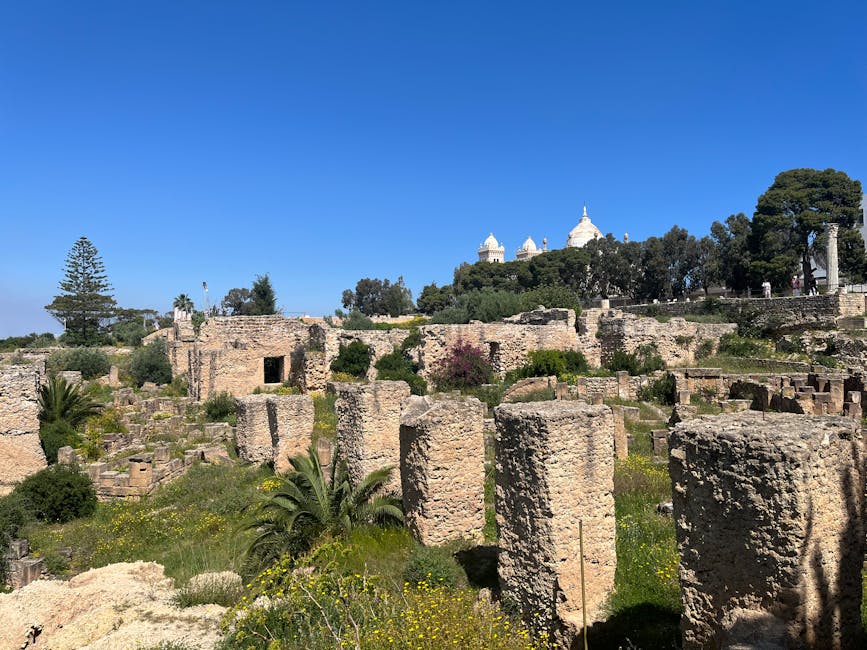
Tarragona — known as Tarraco in Roman times — was founded as a Roman military camp in 218 BC during the Second Punic War. The site became the first Roman settlement on the Iberian Peninsula and grew into the capital of the Roman province of Hispania Citerior (later renamed Hispania Tarraconensis). At its peak in the 2nd century AD, the city held 30,000-40,000 inhabitants and served as the empire’s administrative and military centre for the western Iberian Peninsula. Roman emperors Augustus and Hadrian both spent time here.
The city’s Roman period left a remarkable architectural legacy: amphitheatre, circus, forum, walls, aqueduct, theatre, basilicas, and dozens of villas. Many of these survive today in extraordinary condition. The UNESCO World Heritage designation (2000) recognises Tarraco as one of the most complete Roman archaeological sites in the western Mediterranean.
Top 10 Things to Do in Tarragona
1. Roman Amphitheatre
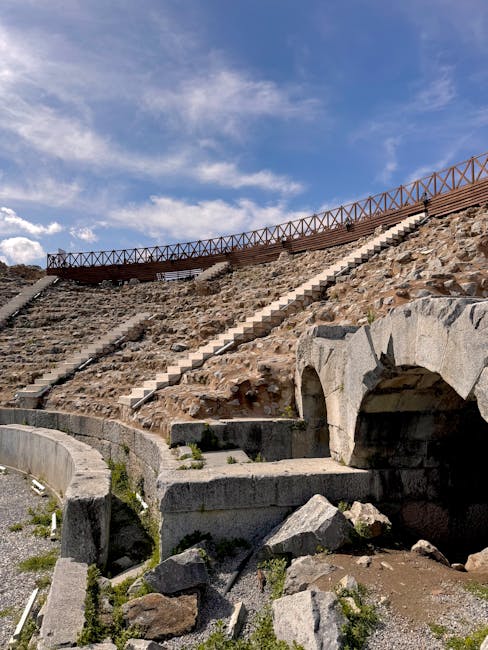
The signature monument. Built around 100 AD, the amphitheatre seats 14,000 spectators and is dramatically positioned on a cliff above the Mediterranean. The marbled chambers used to detain gladiators and animals are preserved at the centre of the arena. Christian martyrs were executed here in 259 AD; a 6th-century church was built on the site, partially destroyed in the Middle Ages but visible as ruins in the centre. Entry 4 EUR (or 15 EUR combined ticket).
2. Roman Circus and Pretorium
The 1st-century AD chariot racing circus once held 30,000 spectators across 325 metres of track. Today, much of the structure is buried beneath medieval and modern Tarragona, but accessible underground sections show the vaulted passages, the spina (central wall), and the bleachers. The adjacent Pretorium (Roman governor’s residence; later medieval palace) connects to the circus through preserved underground passages. Combined ticket includes both.
3. Cathedral of Tarragona
Built between 1171 and 1331 over the Roman temple of Augustus. Mixes Romanesque (oldest sections) and Gothic (later) elements. The cloister is among the most beautiful in Catalonia; ornate carvings include the famous “rats burying the cat” scene. Entry 7 EUR.
4. Roman Walls and Passeig Arqueologic
The 3rd-century BC city walls — among the oldest Roman walls anywhere — encircle the old town. The 1.1-kilometre Passeig Arqueologic walking circuit follows the wall exterior with information panels. Free with combined ticket.
5. National Archaeological Museum (MNAT)
Houses the largest collection of Roman artefacts in Catalonia: mosaics, sculptures, ceramics, and the “Mosaic of the Medusa” (one of the finest Roman mosaics in Spain). 6 EUR; allow 2 hours.
6. Old Town (Part Alta)
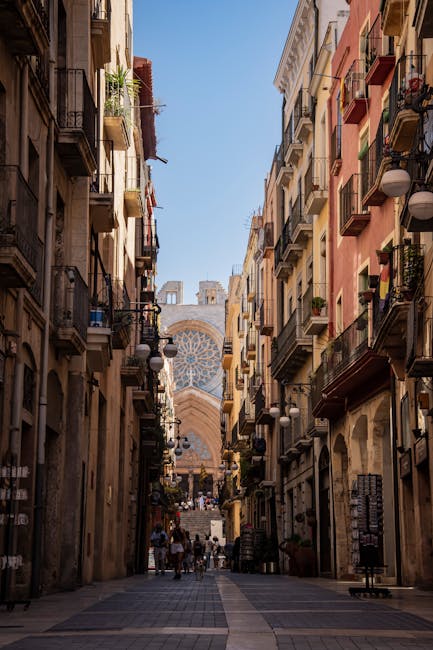
The medieval old town encircled by Roman walls. Narrow lanes, small plazas, artisan shops, and excellent restaurants. The Pla de la Seu (Cathedral Square), Carrer Mercerias, and the medieval Jewish quarter (Call) reward unhurried exploration.
7. Tarragona Cathedral Cloister
One of the most beautiful Catalan Gothic cloisters; Romanesque columns with the rats-burying-cat carving. Included with cathedral entry.
8. Balco del Mediterrani
Panoramic terrace at the south end of Tarragona’s main avenue. The Mediterranean view from this terrace, plus the wrought-iron railings, are picture-postcard. Free.
9. El Serrallo (Fishing Port)
The historic fishing district; auction at the daily fish market (around 4-5 PM); excellent seafood restaurants for lunch or dinner.
10. Beach (Platja del Miracle)
The main town beach, immediately below the amphitheatre. Sandy, lifeguarded summer, less crowded than Barcelona beaches. Beach lunches at Chiringuito El Serrallo or Bon Profit. Walk from old town in 15 minutes (steep descent and ascent).
Other Notable Sights
Aqueduct of Les Ferreres
Roman aqueduct 4 km outside the city; 217 metres long, 26 metres tall. Among the best-preserved Roman aqueducts in Spain. Free; 30-min taxi or local bus from town.
Centcelles Roman Mausoleum
Roman mausoleum 8 km from Tarragona with 4th-century mosaics — among the earliest Christian art in the western Roman Empire. Visits by appointment.
Casa Castellarnau
16th-century palace housing the city’s local museum. Combined ticket includes.
Casa Canals
Another medieval-Renaissance palace; 18th-century interiors. Combined ticket.
Roman Theatre
Smaller than the amphitheatre and circus; partly preserved on a slope.
Modern Town Beaches
South of the old town, three long Mediterranean beaches (Arrabassada, Llarga, Salou) extend 10 km — full chiringuito infrastructure, water sports, family-friendly. Salou (10 km away) hosts PortAventura World theme park.
Combined Tickets and Pricing
The MHT Combined Ticket (15 EUR) covers:
- Roman Amphitheatre.
- Roman Circus and Pretorium.
- Casa Canals (medieval palace).
- Roman Wall Passeig Arqueologic.
- Casa Castellarnau (Renaissance palace).
- Colonial Forum.
Buy at the first MHT site you visit. Valid for 24 hours. The cathedral and MNAT are not included; budget 7 + 6 EUR for those separately.
Getting to Tarragona
By AVE High-Speed Train (Recommended)
- From Barcelona Sants: 35 minutes; 18-30 EUR each way.
- Frequency: 25+ daily.
- Camp de Tarragona: The AVE station is 12 km outside the old town. Local bus or 15-EUR taxi to the city.
By Regional Rodalies (Cheaper)
- From Barcelona Sants or Passeig de Gracia: 1 hr 10 min via R14 or R16; 9 EUR each way.
- Tarragona main station: 10-15 minute walk to old town.
- Recommended for budget travellers — saves 50% over AVE.
By Car
1 hour 15 minutes via AP-7 (toll motorway, around 11 EUR each way) or 1 hour 30 minutes via N-340 (free coastal road). Park near the old town gates; parking can be tight in summer.
Guided Day Tours from Barcelona
Several operators run full-day tours to Tarragona including transport, guide, and lunch. 75-105 EUR per person. Convenient for non-drivers but more expensive than DIY.
Sample Full-Day Itinerary
Morning
- 8:30 AM: Train from Barcelona Sants (R14 or AVE).
- 9:30-10:00 AM: Arrive Tarragona; coffee at Cafe del Centre.
- 10:00 AM: Roman Amphitheatre.
- 11:00 AM: Walk Passeig Arqueologic (Roman walls).
- 12:00 PM: National Archaeological Museum (MNAT).
Lunch
- 1:30 PM: Long Catalan lunch at La Cuca Fera (refined; old town) or El Serrallo (fishing port; seafood).
Afternoon
- 3:30 PM: Cathedral and cloister.
- 4:30 PM: Old town walk; Pla de la Seu, Carrer Mercerias, Jewish Quarter.
- 5:30 PM: Roman Circus and Pretorium underground tour.
- 6:30 PM: Balco del Mediterrani for sunset views.
Evening
- 7:30 PM: Vermouth at Bar Mercat or coffee at Cafe del Centre.
- 8:30 PM: Train back to Barcelona.
- 9:30-10:00 PM: Arrive Barcelona; late dinner.
Where to Eat in Tarragona
Old Town
- Aq Restaurant: Refined modern Catalan; 50-80 EUR per person.
- La Cuca Fera: Long-running refined Catalan; 35-55 EUR.
- Restaurant Arcs: Within Roman wall arches; 40-65 EUR.
- El Llagut: Catalan with seafood focus; 35-50 EUR.
El Serrallo (Fishing Port)
- El Bestia Bar: Famous for boquerones (anchovies in vinegar); casual; 25-40 EUR.
- Bon Profit: Beachfront chiringuito; 25-40 EUR.
- Restaurant La Estiba: Refined fish dining; 50-75 EUR.
Casual / Tapas
- Bar Lola: Vermouth and tapas; 15-25 EUR.
- Quinoa: Brunch and casual; 12-20 EUR.
- Mercat Central: Daily market with food counters; 8-15 EUR.
Beach Chiringuitos
The beach below the amphitheatre has casual seasonal chiringuitos serving paella, fresh fish, and beers (May-October). 20-40 EUR.
What to Wear
- Comfortable walking shoes — old town is steep with cobblestones.
- Sun protection — limited shade in archaeological sites.
- Layers — Mediterranean wind on exposed terraces.
- Smart-casual dinner outfits if staying overnight.
- Swimwear if combining with beach.
When to Visit
- April-June: Pleasant weather; smaller crowds.
- July-August: Hot but spectacular; archaeological sites can be crowded.
- September-October: Best balance — warm sea, fewer tourists.
- November-March: Quiet; comfortable for walking; some sites reduce hours.
- Avoid: Mondays — many sites closed.
Special Events
- Tarraco Viva (mid-May): Annual Roman heritage festival; gladiator reenactments; Roman cuisine; military parades. Among Spain’s best historical festivals.
- Concurs de Castells (early October): Biennial castellers (human towers) competition at the Tarraco Arena Plaça; UNESCO Intangible Cultural Heritage. Major event.
- Santa Tecla (mid-September): The city’s patron saint festival; major castellers performances; fireworks; food.
- International Fireworks Festival (late June-early July): Nightly fireworks competitions over the Mediterranean.
- Christmas markets: December.
Practical Tips
- Buy the MHT Combined Ticket at the first site visited.
- Arrive early — most sites open 9-10 AM.
- Many archaeological sites close Mondays.
- Cathedral closes for siesta (typically 1-3 PM); plan around it.
- Walking from the Rodalies station to the old town takes 15 minutes uphill.
- The AVE Camp de Tarragona station is outside town; bus or taxi required.
- Bring water — limited drinking fountains on archaeological routes.
- Use the lift down to the beach to save energy.
- Plan a sit-down lunch — Catalan lunch culture is the best part of the day.
- Check Tarraco Viva dates if visiting in May — book ahead if possible.
- Mobile data works throughout the city; Spanish SIM cards available.
- Not too crowded compared to Barcelona — the day feels more relaxed.
Tarragona Beyond the Day Trip
If you have more time, Tarragona makes an excellent overnight base. The town has fewer tourists than Barcelona but plenty of restaurants, bars, and walkable neighbourhoods. Combined with surrounding sites:
- Salou: Beach resort 10 km south; PortAventura World theme park.
- Reus: Modernist heritage; Gaudi’s birthplace; 12 km north.
- Cambrils: Fishing town and beach south.
- Priorat: Wine region 30 km inland.
- Tortosa: Medieval castle town further south.
- Delta de l’Ebre: Wetlands and rice paddies south of Tarragona.
Frequently Asked Questions
Is Tarragona worth the day trip?
Yes. The Roman ruins are exceptional; the old town is charming; the food is excellent.
How long does the trip take?
35 minutes by AVE; 1 hr 10 min by Rodalies regional train.
What’s the best way to get there?
AVE for speed; Rodalies for budget.
How much does the trip cost?
9-30 EUR each way for transport; 15-25 EUR for combined entry tickets; budget 60-100 EUR per person total.
Can I do this without Spanish?
Yes. Tourist signs and museum information are in English at all major sites.
Is the amphitheatre worth seeing?
Yes. The cliffside Mediterranean view alone justifies the visit.
Are the beaches good?
Yes. The town beach is small but pleasant; longer beaches extend south.
What food should I try?
Calçots in season (February-April); seafood; xato salad with romesco sauce; vermouth; local Tarragones wines.
Is Tarragona family-friendly?
Yes. Roman ruins fascinate kids; the beach works for cooling off; PortAventura World 10 km away if you want a theme park.
Should I stay overnight?
Yes if you want to explore the surrounding region (Reus, Salou, Priorat).
Are tours in English available?
Yes — most archaeological sites have multilingual audio guides.
Is there a Tarragona walking tour?
Yes — both free and paid tours operate. Free tours from outside the cathedral.
Best festivals to plan around?
Tarraco Viva (May); Castellers (October); Santa Tecla (September); fireworks (late June-early July).
How does Tarragona compare to Sitges?
Tarragona is 50% larger; Roman heritage; less beach-focused. Sitges is more compact and Mediterranean-resort flavoured.
How does it compare to Girona?
Both are excellent day trips. Girona is medieval Jewish heritage and Game of Thrones locations; Tarragona is Roman archaeology and cathedral.
Final Thoughts: A Roman Capital an Hour Away
The right tarragona day trip from Barcelona puts you face-to-face with one of the western Mediterranean’s most complete Roman cityscapes: amphitheatre, circus, walls, and forum within walking distance, all overlooking the same sea Roman sailors crossed two thousand years ago. Pair the archaeological sites with a long Catalan lunch and an old-town walk, and the day feels like a fuller cultural experience than most weekend trips deliver. Take the AVE for time efficiency or Rodalies for budget; either way, plan one full day and the city rewards you.
For more, see our day trips pillar, the Sitges guide, the Girona guide, and the Montserrat guide.