We get commissions for bookings made through this post. Booking links, and any accommodation options shown on the page, are handled by a partner that adds commission tracking automatically. It never costs you more, and it never affects what we recommend. Affiliate disclosure
Why Finding Real Paella in Barcelona Is Harder Than You Think
Paella is the dish foreign visitors come to Spain wanting most. It is also the dish most likely to be served frozen, microwaved, drowned in saffron-yellow food colouring, and topped with frozen mixed seafood at restaurants on Las Ramblas. Real paella in Barcelona exists, but you have to know where to look. The good news: when you find a great one, it is unforgettable. This guide to the best paella barcelona walks you through the dish itself (its origins, how it should taste, what to avoid), the city’s best paella restaurants barcelona, and the related Catalan rice dishes that locals often prefer to paella when given the choice. By the end of this article you will know where to find authentic paella barcelona, what to order alongside, and how to spot a tourist trap from 50 metres away.
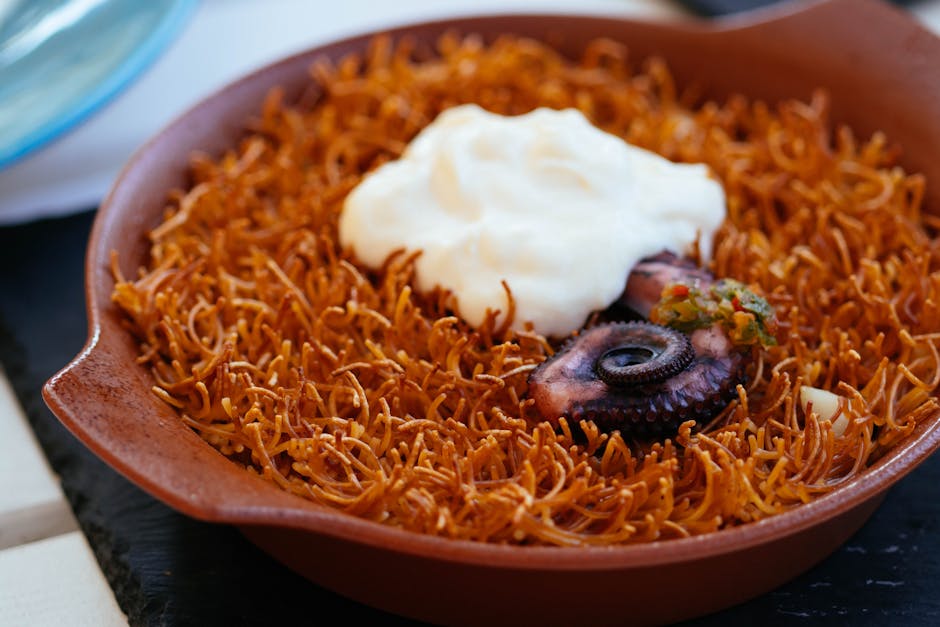
For full context on Catalan rice culture, our guide also covers fideua barcelona, the noodle cousin of paella that many locals consider equally good or better. Both dishes share the same prized ingredient: a thin, crispy bottom layer called the socarrat that sticks to the bottom of the pan and is the test of a real cook.
What Is Paella, Really?
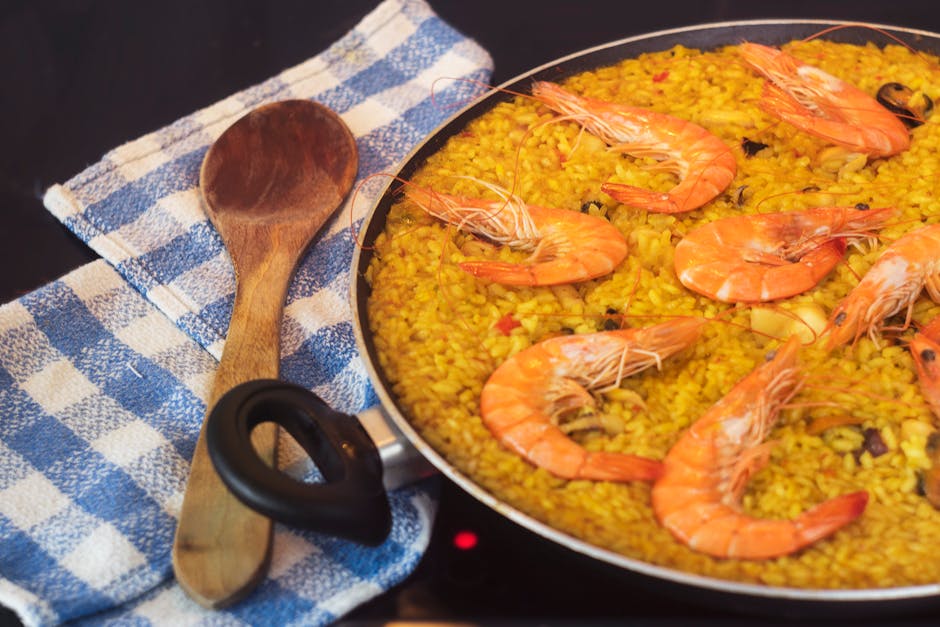
Paella is a Valencian rice dish, not a Catalan one. The original dish was invented in the marshlands around Valencia in the mid-19th century by farmers cooking rice with whatever was available: rabbit, snails, green beans, lima beans, sometimes chicken. Seafood paella was a later coastal variation. The defining feature has always been the wide flat pan (the “paella” itself; the dish is named after the pan), the short-grain Bomba or Senia rice, and the slow-cooked broth that infuses every grain.
A great paella is dry on top, crispy on the bottom (the socarrat), and intensely flavoured throughout. Saffron is the iconic spice; smoked paprika, garlic, and tomato are the supporting cast. The dish is traditionally served on Sunday lunch, in the same pan it was cooked in, and is shared among 4 to 6 people. It takes about 45 minutes to cook and cannot be reheated, which is why frozen versions ruin the experience.
In Barcelona, paella is served everywhere because tourists demand it, but Catalonia has its own rice tradition. Catalan rice dishes use the same techniques but different combinations: arros negre with squid ink, arros caldos with wet broth, arros del senyoret with peeled seafood, and the iconic fideua with thin pasta noodles instead of rice.
How to Spot a Tourist-Trap Paella
Five red flags that identify a fake paella:
- Pictures of the dish on a menu in 8 languages. Always frozen.
- Served in under 20 minutes. Real paella takes 45 minutes minimum.
- Bright yellow rice. Indicates food colouring rather than saffron.
- Available for one person. Real paella is a sharing dish; minimum two diners.
- On Las Ramblas, La Rambla del Mar, or with a tout outside the door. The location alone is a warning.
Also: any restaurant claiming to serve “Spanish paella” with chorizo. Chorizo is not in any traditional Spanish or Valencian paella. Adding it is a tourist-restaurant trick.
The Best Paella Restaurants in Barcelona
1. 7 Portes (Pla de Palau 14, El Born)
Founded in 1836, this is one of the oldest continuously operating restaurants in Spain. Its paella Parellada (with everything peeled and deboned by the kitchen) is iconic. The dining room with its tiled floors, heavy curtains, and white-jacketed waiters is itself an experience. Around 28 to 35 EUR per person for paella plus starters.
2. Can Sole (Carrer de Sant Carles 4, Barceloneta)
The classic Barceloneta seafood restaurant, founded 1903. Their paella de marisco is one of the best in the city, and their suquet de peix and arros caldos are equally celebrated. Reservations essential. 50 to 70 EUR per person.
3. Restaurant Salamanca (Carrer de l’Almirall Aixada 22, Barceloneta)
A traditional beachside restaurant with a beautiful terrace overlooking the boardwalk. Their paella is excellent value at around 22 EUR per person, and the location is unbeatable for a long lunch. Open since 1957.
4. La Mar Salada (Passeig de Joan de Borbo 58, Barceloneta)
A modern Catalan-Mediterranean restaurant on the Barceloneta marina. Their arros caldos and paella de marisco are excellent. Around 40 to 60 EUR per person.
5. Xiringuito Escriba (Litoral Mar 42, Bogatell beach)
Run by the famous Escriba pastry family. The beachside chiringuito serves what many consider the best paella on Barcelona’s beaches, with views straight onto Bogatell. About 25 to 35 EUR per person.
6. Botafumeiro (Gran de Gracia 81, Gracia)
A more upmarket option with Galician-Catalan seafood. Their paellas are flawless; their suquet de peix is among the best in the city. 70 to 100 EUR per person.
7. Cal Pep (Plaça de les Olles 8, El Born)
The famous tapas counter occasionally serves a small paella for two on request, but it is not the menu’s main item. Better known for its tapas, but the rice game is solid. About 50 to 70 EUR per person.
8. La Barca del Salamanca (Moll del Gregal, Port Olimpic)
The marina restaurant of Salamanca, with the same kitchen and a more upscale atmosphere. The paella valenciana with rabbit is a faithful traditional recipe. 40 to 60 EUR per person.
9. Pez Vela (Passeig del Mare Nostrum 19-21, Barceloneta)
A modern beachfront restaurant under the W Hotel. The paella is excellent and the terrace is one of the most beautiful for a long lunch. 45 to 65 EUR per person.
10. Set Portes Restaurant (modern offshoots)
The 7 Portes name has spawned several offshoots; verify you are at the original Pla de Palau location for the historic experience.
11. Bestial (Carrer de Ramon Trias Fargas 2, Vila Olimpica)
An Italian-Mediterranean restaurant with a Spanish lunch focus. Their paella with seafood is reliably good and the beachside terrace is a draw. 35 to 50 EUR per person.
12. Restaurant Llamber (Carrer de la Fusina 5, El Born)
Modern Catalan with serious rice dishes; their arros del senyoret is exemplary. 40 to 55 EUR per person.
Catalan Rice Dishes Beyond Paella
Fideua
The Catalan paella with thin pasta noodles instead of rice. Slightly easier to eat, equally complex in flavour. Always served with allioli on the side. The best fideua restaurants in Barcelona are El Cangrejo Loco at the marina, 7 Portes, Salamanca, and Cal Pep.
Arros Negre (Black Rice)
Rice cooked with squid ink, tomato, and seafood. The dramatic black colour comes from the ink, and the flavour is briny, deep, and unique. Almost every paella restaurant offers it; Can Sole and 7 Portes serve standout versions.
Arros Caldos
A wet, soupy rice dish with seafood, eaten with a spoon. The brothy answer to paella. Best at Can Sole, La Mar Salada, and Bestial.
Arros del Senyoret (The Gentleman’s Rice)
Paella with all the seafood peeled, deboned, and ready to eat without using your hands. Named because the wealthy didn’t want to dirty their hands. Cleaner to eat, just as flavourful. 7 Portes serves the iconic version (Paella Parellada).
Arros Empedrat
A simpler, drier rice with white beans, salt cod, and tomato. A traditional Catalan home dish that some restaurants serve as a Sunday special.
Arros a Banda
Rice cooked in fish stock and served separately from the seafood. The accompanying allioli adds richness. Less common in Barcelona but worth seeking out.
Where to Avoid
- Las Ramblas restaurants. Almost universally tourist-oriented frozen paella.
- Restaurants with photos on the menu. A near-perfect indicator of frozen kitchen.
- “Paella” listed in 5+ languages. The wider the language list, the worse the food.
- Touts pulling people in from the door. Real paella restaurants don’t need touts.
- “Buffet” restaurants near tourist hotels. Frozen mass-market food.
- Mediterranean strip near the Cathedral. The street between the Cathedral and Mercat Santa Caterina has many traps.
- “Best paella in Barcelona” signs. Real great paella restaurants don’t need to advertise like that.
How Paella Should Be Served
A correctly served paella has these features:
- Cooked in the original pan. Never reheated, never plated separately.
- Crispy bottom (socarrat). Scrape it; it is the best part.
- Take 45 minutes from order to service. Real cooking takes time.
- Minimum two diners. Single-person paellas are tourist-only.
- Served at lunch, not dinner. Paella is a Spanish lunch dish; restaurants serving it at 10:00 PM are catering to tourists.
- Pan placed in the centre of the table. Sharing is part of the ritual.
- Lemon wedges on the side. Squeeze on the rice before eating.
- No chorizo. Chorizo is not a traditional ingredient.
What to Order Alongside Paella
- Pa amb tomaquet: Rubbed tomato bread, the universal Catalan accompaniment.
- Esqueixada de bacalla: Cold salt-cod salad to start.
- Escalivada: Roasted pepper, aubergine, and onion salad.
- Berberechos al vapor: Steamed cockles.
- Anchoas de l’Escala: Cured anchovies on bread.
- A bottle of Catalan white wine: Look for Penedes or Costers del Segre whites with a bit of body.
- Cava: The Catalan sparkling wine pairs beautifully with seafood paella.
- Crema catalana: The original Catalan dessert to finish.
How to Plan a Paella Lunch
For the best experience:
- Reserve a Sunday lunch slot. Sunday from 1:30 PM is the traditional paella time. Most restaurants are at full pace.
- Allow 2 hours. Don’t rush; paella takes 45 minutes plus tapas plus dessert.
- Order for the table. Two paella servings split between four people leaves room for tapas.
- Drink white or cava, not red. The flavours match better.
- Ask for the socarrat. A polite request to the waiter ensures the kitchen leaves the crispy layer for you.
- Take a photo before serving. The presentation is part of the joy.
- Don’t add chorizo. Resist the urge to ask.
Paella Cooking Classes in Barcelona
If you want to take paella home with you, several Barcelona cooking schools offer half-day classes:
- Cook and Taste (Carrer del Paradis 3, Gothic Quarter): 4-hour classes with market shopping followed by paella and tapas cooking.
- Mum’s Kitchen (Carrer Calabria 47, Eixample): Smaller, family-style classes.
- Barcelona Cooking Class (Pas de l’Ensenyança 8): A more refined option with a private kitchen.
- Paella Club (Carrer de Pintor Fortuny 32): Specifically focused on paella; small groups.
Most classes run 65 to 95 EUR per person and include market shopping, recipe instruction, cooking, and a full meal of what you cooked.
Practical Tips
- Reserve ahead. Top paella restaurants book up 3 to 7 days ahead, more on weekends.
- Eat lunch. Paella for dinner is for tourists; lunch is the proper time.
- Allow 2 hours. Catalan lunches are not rushed.
- Cash for tips. Service is included; tip an extra 5 to 10 percent in cash.
- Watch for paella for 1. A clear sign of a tourist-trap kitchen.
- Ask about the rice. Bomba or Senia rice are the traditional choices.
- Try multiple rice dishes. Order a paella for two and a fideua for two to share.
- Bring an appetite. Paella is a hearty dish; pace yourself.
Pairing Paella with the Rest of Your Day
The Classic Sunday Paella Day
- 11:30 AM: Vermouth at Bormuth or Bar Calders.
- 1:30 PM: Long paella lunch at Can Sole, 7 Portes, or Salamanca.
- 4:00 PM: Walk along the Barceloneta boardwalk.
- 5:30 PM: Coffee or ice cream.
- 7:00 PM: Easy stroll back to the hotel for an early evening rest.
The Beach + Paella Day
- 10:00 AM: Beach at Bogatell or Nova Icaria.
- 1:30 PM: Lunch at Xiringuito Escriba or Salamanca.
- 3:30 PM: More beach time.
- 6:00 PM: Sunset cocktail.
- 8:00 PM: Light tapas dinner.
Frequently Asked Questions
Where can I find authentic paella in Barcelona?
7 Portes, Can Sole, Salamanca, La Mar Salada, and Xiringuito Escriba are the most reliable. All have been operating for decades.
How much does paella cost in Barcelona?
22 to 35 EUR per person at mid-range restaurants; 50 to 70 EUR at upscale spots; 80 to 120 EUR at fine-dining venues like Botafumeiro.
Is paella a Catalan dish?
No. Paella is Valencian. Catalonia has its own rice dishes (arros negre, fideua, arros caldos) that locals often prefer.
Can I order paella for one person?
Most authentic restaurants do not offer single-person paella. The minimum is two diners.
What time should I eat paella?
Lunch (1:30 to 3:30 PM) is the traditional time. Restaurants serving paella at dinner often serve frozen versions to tourists.
What is the difference between paella and arros negre?
Paella is the Valencian dish; arros negre is the Catalan version with squid ink. Same techniques, different ingredients.
Is fideua better than paella?
It is different. Fideua uses noodles instead of rice and is easier to eat. Many locals prefer it. Try both.
What rice is used in paella?
Bomba or Senia rice, both short-grain Spanish varieties that absorb broth without becoming mushy.
What goes in a traditional paella?
Valencian paella includes rabbit, snails, green beans, lima beans, and sometimes chicken. Seafood paella has prawns, mussels, squid, and fish. Chorizo is not traditional.
How do I avoid tourist-trap paella?
Avoid Las Ramblas, restaurants with picture menus in many languages, and any place with touts at the door. Choose restaurants with at least 10+ years of operation.
Can I take a paella cooking class?
Yes. Several Barcelona cooking schools offer 4-hour classes for 65 to 95 EUR.
Should I try paella with a glass of red wine?
White or cava is the traditional pairing. Red can work with meat-based paella but does not pair as well with seafood versions.
Final Thoughts: A Dish Worth Doing Right
The best paella barcelona can offer is a long, slow lunch in a historic restaurant where the dish is cooked properly, served in its pan, and shared among friends. It is not a quick-service tourist meal. Pick one of the restaurants on this list, reserve ahead, allow two hours, and let the experience unfold the way it is meant to. After your first proper paella, you will understand why locals are so protective of the dish and so dismissive of the imitations.
For more, see our Barcelona food guide pillar, the Catalan cuisine primer, and the best tapas in Barcelona roundup. To plan a great Sunday lunch, our 3-day Barcelona itinerary includes a paella afternoon naturally.