When you think about Barcelona, the city’s world-class architecture and vibrant culture immediately come to mind. But for many visitors, the true heart of Barcelona reveals itself through its food. A Barcelona food guide is essential for understanding this Mediterranean metropolis, because Catalan cuisine is as much a part of Barcelona’s identity as Gaudí’s buildings or its passionate football culture.
If you’re planning a trip to this magnificent city, discovering the local culinary traditions should be at the top of your itinerary. This complete Barcelona food guide will help you navigate the city’s incredible dining scene, from bustling tapas bars to Michelin-starred restaurants, from hidden neighborhood gems to the historic markets that have fed Barcelonans for centuries.
The Mar i Muntanya Philosophy: Understanding Catalan Food at Its Core
To truly appreciate eating in Barcelona, you need to understand the philosophy that has shaped Catalan cuisine for centuries: mar i muntanya, which literally means “sea and mountain.” This concept perfectly encapsulates the geographic and cultural heart of Catalan food, blending Mediterranean seafood with inland agricultural traditions.
Barcelona sits on the coast, just a short distance from the Pyrenees mountains. This unique position created a culinary tradition that celebrates both worlds—fresh fish and seafood prepared with the same respect given to cured meats, wild mushrooms, and hearty vegetables from the surrounding countryside. You’ll find this philosophy expressed in countless dishes throughout Barcelona restaurants, where chefs combine ingredients in ways that might seem unexpected but always make perfect sense.
The other essential concept is “seny”—a Catalan word roughly translating to “common sense” or “practical wisdom.” In cooking, this means respecting ingredients, using techniques that highlight rather than hide their natural flavors, and creating food that nourishes both body and soul. This is why the Barcelona food guide tradition emphasizes simplicity and quality over complexity and pretension.
Essential Catalan Dishes Every Food Lover Must Try
When you visit Barcelona, there are certain dishes that define Catalan cuisine and should be on every visitor’s eating list. These aren’t just random dishes—they’re the foundation of Barcelona dining culture and represent generations of culinary tradition.
Pa amb Tomaquet: The Foundation of Catalan Eating
Before you even sit down at a restaurant in Barcelona, you’ll likely encounter pa amb tomaquet—bread rubbed with ripe tomato and olive oil. This simple preparation is so fundamental to eating in Barcelona that it’s often served as complimentary bread before your meal. Don’t dismiss its simplicity; quality matters enormously here. The bread must be toasted and slightly crusty, the tomato perfectly ripe and juicy, and the olive oil extra virgin and flavorful. Many locals consider excellent pa amb tomaquet to be a mark of a restaurant’s fundamental respect for quality.
Escalivada: Roasted Vegetables Done Right
This traditional dish represents the marriage of mountain vegetables with Catalan cooking philosophy. Escalivada features vegetables—typically eggplant, red peppers, tomatoes, and onions—roasted until soft and slightly charred, then dressed with the finest olive oil and perhaps some anchovies or salt cod. It’s a vegetable dish that meat-eaters and vegetarians alike will appreciate, and it demonstrates why Barcelona food guide recommendations always include at least a few vegetable-focused dishes.
Botifarra: Catalan Sausage Excellence
You haven’t truly experienced Barcelona dining until you’ve tasted authentic botifarra, the fresh pork sausage that’s been made in Catalonia for centuries. Often grilled and served with white beans (botifarra amb mongetes), this dish represents the mountain side of the mar i muntanya philosophy. The sausage’s flavor comes from simple, high-quality pork and minimal seasoning, so quality ingredients are crucial.
Fideuà: The Coastal Cousin of Paella
While paella dominates Barcelona’s seafood reputation, fideuà deserves equal attention in any Barcelona food guide. This beautiful dish replaces rice with short vermicelli noodles cooked in seafood stock with similar ingredients to paella. The result is crispy, flavorful, and deeply satisfying. You’ll find exceptional fideuà throughout Barcelona restaurants, especially in neighborhoods like Barceloneta.
Crema Catalana: Catalan Dessert Tradition
No exploration of Barcelona dining is complete without experiencing crema catalana for dessert. This custard-based dessert topped with a caramelized sugar crust is the Catalan version of crème brûlée. The experience of cracking through that caramelized top with your spoon never gets old, and it’s the perfect way to end a meal while experiencing authentic Catalan food.
Barcelona Tapas Culture: The Heart of Social Eating
To understand how Barcelonans actually eat day-to-day, you need to understand the tapas culture. While the concept of tapas is broadly Spanish, Barcelona has developed its own distinctive tapas traditions that deserve their own section in any Barcelona food guide.
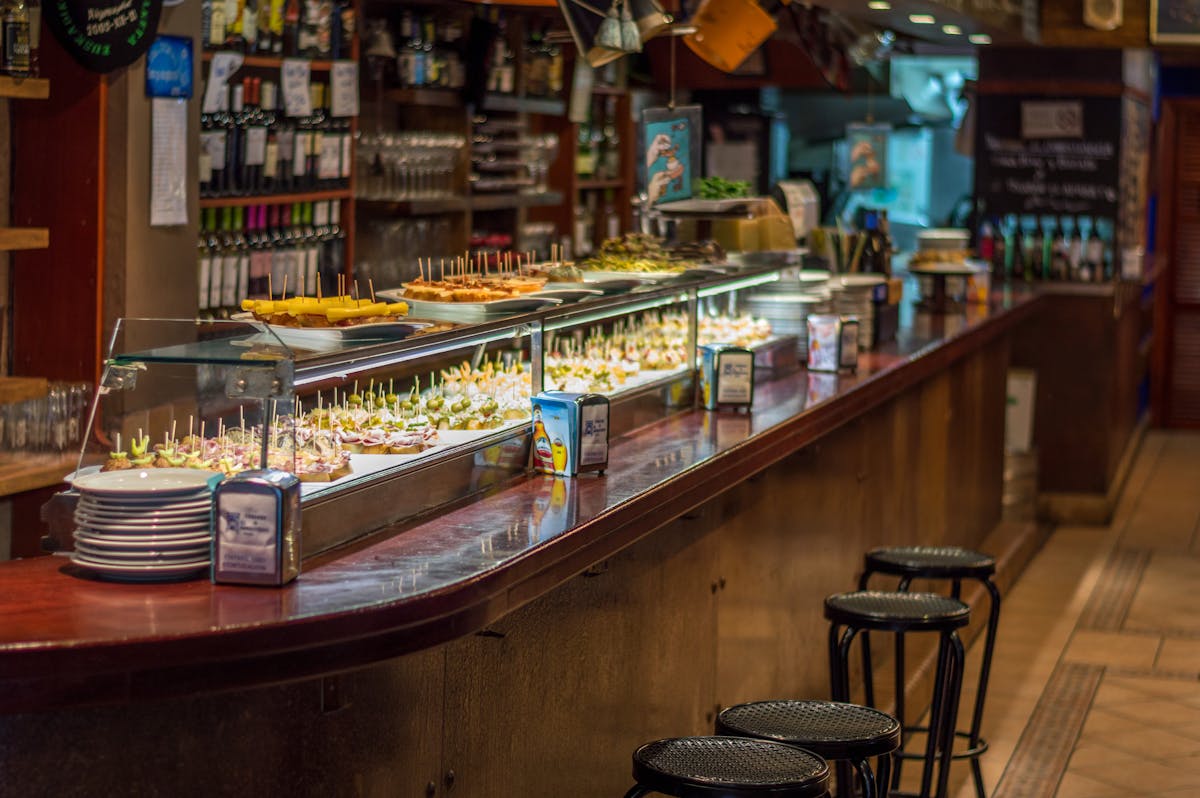
Tapas are small plates designed for sharing, conversation, and leisurely enjoyment. The best tapas bars in Barcelona understand that these dishes are meant to encourage lingering over a drink, catching up with friends, and enjoying the social aspect of eating. This is fundamentally different from fast, transactional dining.
Classic Tapas You Must Try
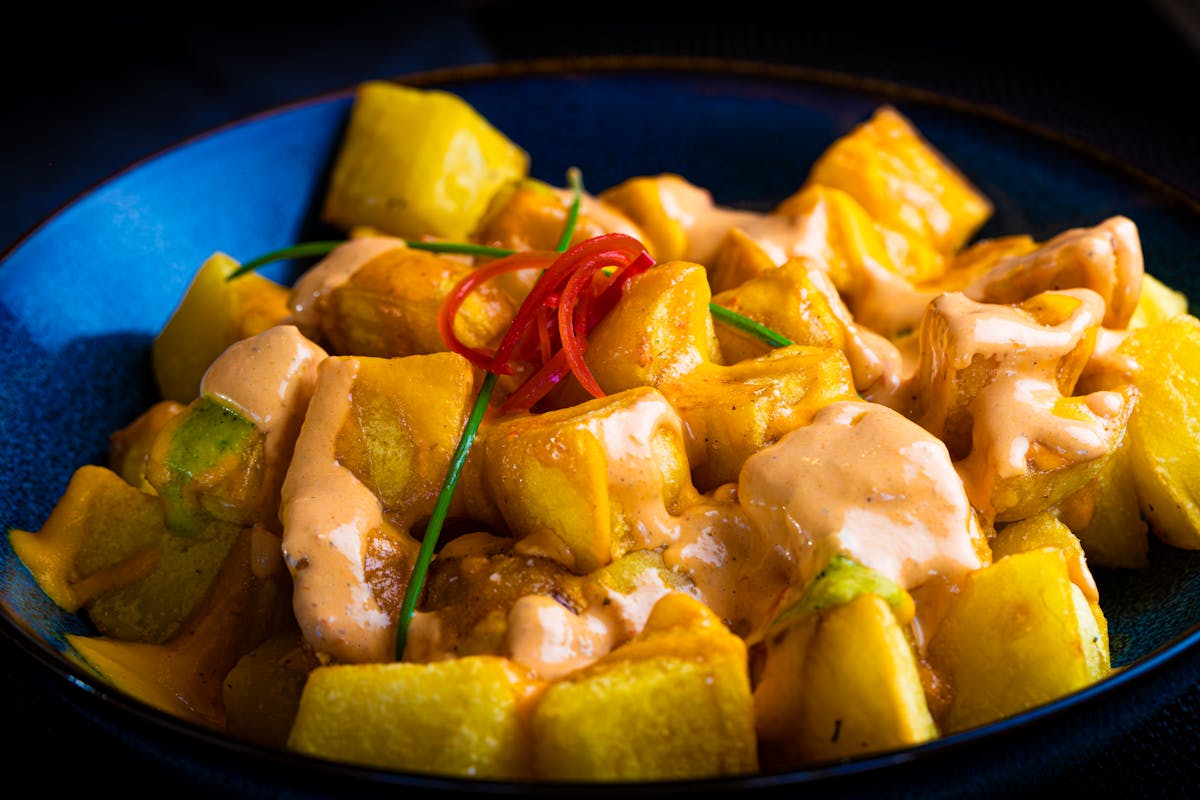
Patatas bravas are perhaps the most iconic Barcelona tapas—fried potatoes served with a spicy or mild sauce (depending on your preference) and often aioli. These golden cubes are comfort food at its finest and appear on nearly every Barcelona food guide.
Bombas are slightly more elegant potatoes—hollow potato spheres filled with meat and fried until golden. Legend says they earned their name from their explosive tendency to burst when you bite into them. Served with sauce, they’re an upgrade from standard patatas bravas while maintaining that same satisfying fried-potato joy.
Pan con tomate (also written pan amb tomàquet in Catalan) is the communal version of pa amb tomaquet—bread sliced, toasted, and served with tomato and olive oil, meant for sharing. It’s a staple accompaniment to nearly every tapas meal.
Croquetas deserve special attention in any Barcelona dining guide. These creamy, fried tubes of goodness come in countless varieties—jamón ibérico, bacalao (salt cod), mushroom, seafood, and more. The best croquetas have a crispy exterior that yields to a creamy interior that tastes of quality ingredients.
Where to Experience Barcelona Tapas Culture
The best tapas bars in Barcelona tend to cluster in certain neighborhoods. El Born district is famous for its narrow streets lined with buzzing tapas bars. Many of these establishments have been operating for decades, each with its own specialties and regular customers. The energy in these bars—especially on weekend evenings—is electric, with locals and visitors squeezed together enjoying food and wine.
Poble Sec, on the other side of the city, has emerged as a serious tapas destination in recent years. While still more local-focused than the tourist-heavy El Born, this neighborhood’s street, Carrer de Blai, has become famous for its concentration of quality tapas establishments.
Seafood and Paella: Barcelona’s Coastal Heritage
Given Barcelona’s position on the Mediterranean, seafood dominates Barcelona restaurants and deserves thorough coverage in any Barcelona food guide. The city’s seafood tradition goes back centuries, and the quality of fish and shellfish available here remains exceptional.
Understanding Barcelona Seafood
The key to excellent seafood in Barcelona is understanding seasonality and quality markers. Fresh fish should have bright, clear eyes, firm flesh, and a briny sea smell—never a fishy odor. The city’s proximity to fishing grounds means that quality fish should be abundant, so don’t settle for anything less than excellent.
Common Barcelona seafood preparations include grilled whole fish (brasa), seafood platters (often called “combination plates”), and traditional preparations like suquet de peix (traditional Catalan fish stew). When exploring Barcelona seafood options, look for restaurants that source locally and change their menus based on what’s available.
Paella: Tradition and Reality in Barcelona
Paella requires special attention in any Barcelona food guide because this iconic dish has become a victim of its own fame. While paella originated in Valencia, not Barcelona, the city has a legitimate seafood paella tradition called paella marinera. This version features seafood like mussels, clams, shrimp, and fish cooked with saffron-infused short-grain rice.
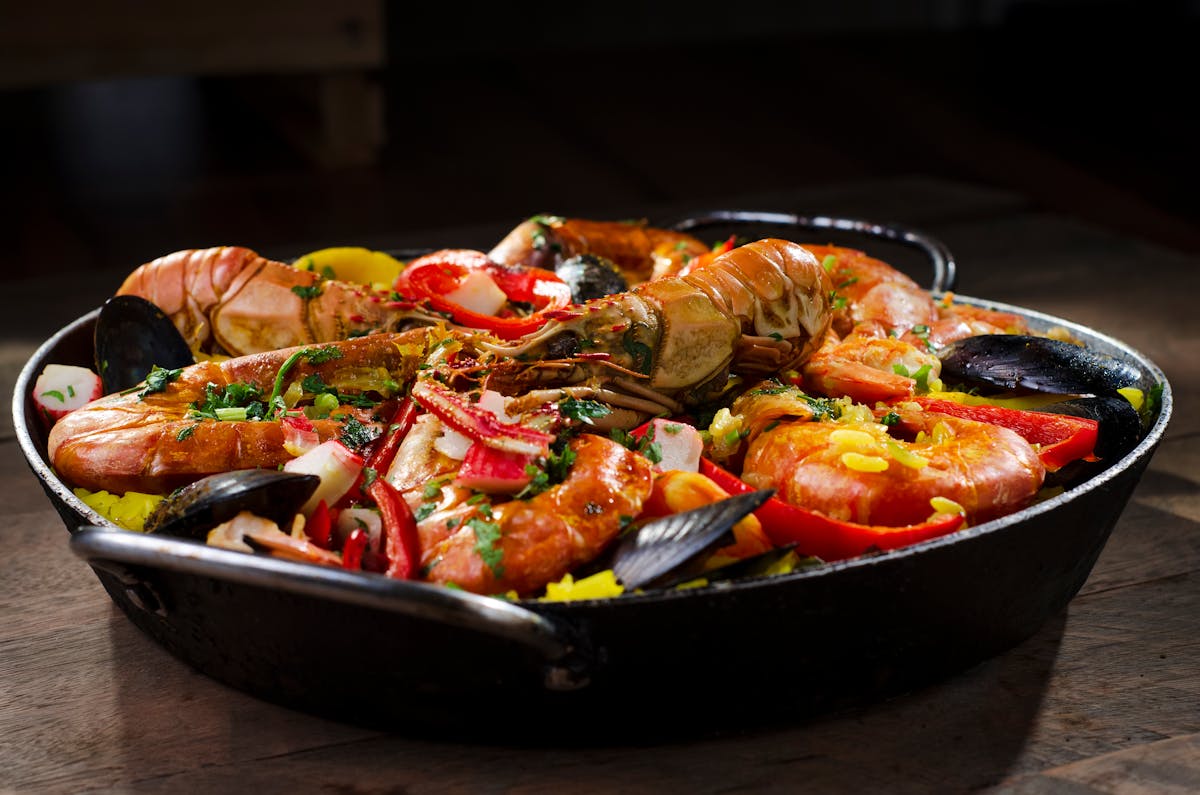
The challenge for visitors is that paella in Barcelona has become a tourist cliché. Many restaurants serve mediocre versions to unsuspecting visitors in tourist zones. When seeking the best paella in Barcelona, follow these principles: Avoid places with giant neon signs advertising “Authentic Paella!” Seek out restaurants in Barceloneta (the old fishing neighborhood) rather than the Gothic Quarter. Look for restaurants that make small quantities throughout the day rather than large batches. Ask locals for recommendations. Finally, remember that excellent paella is never cheap—quality saffron, fresh seafood, and proper cooking technique all cost money.
Fideuà, mentioned earlier, offers an excellent alternative to paella and is arguably more authentically Barcelona. This dish uses noodles instead of rice but follows similar cooking principles and often appears alongside paella on Barcelona restaurant menus.
La Boqueria and Barcelona’s Market Culture
No comprehensive Barcelona food guide is complete without discussing La Boqueria, the famous covered market that has served Barcelonans since 1840. Located on the Ramblas, La Boqueria is simultaneously a local institution and a major tourist attraction—a combination that can make it feel overwhelming on first visit.
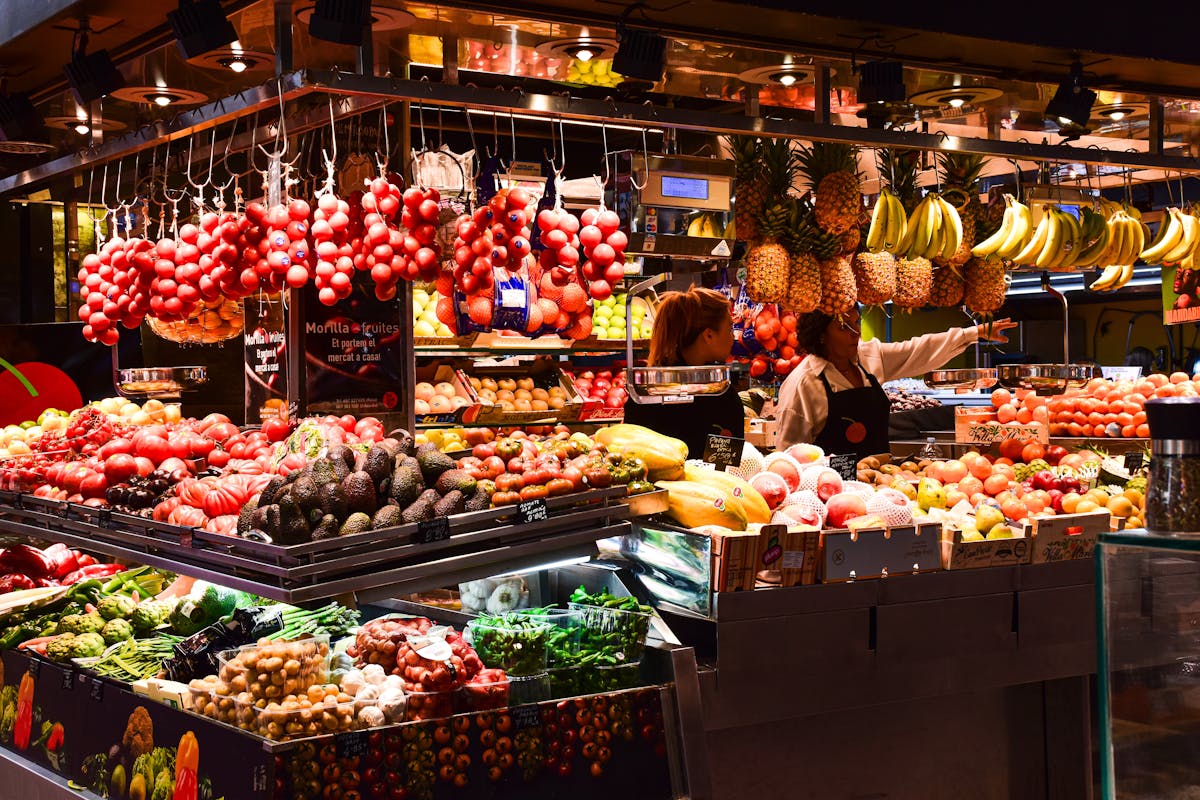
Understanding La Boqueria means understanding Barcelona’s food culture. This market represents the old way of shopping for food—selecting items from specialty vendors rather than grabbing pre-packaged goods from supermarkets. You’ll find separate stalls for fish, meat, produce, nuts, dried goods, and more. Each vendor is a specialist in their category, and quality is paramount.
Navigating La Boqueria Like a Local
Visit early morning (before 11 AM) to see the market at its liveliest and to access the best selection. The produce, fish, and meat are displayed beautifully, and this is when you’ll see the most serious shoppers. Arrive later and you’ll still find excellent food, but the chaos of the crowds increases significantly.
Many of the market’s stalls offer ready-to-eat food—juice bars, seafood stands serving fresh oysters and clams, and vendors selling jamón ibérico and cheese. These casual eating spots are excellent for experiencing authentic Barcelona eating culture without the formality of a restaurant.
If you’re staying in an apartment or have access to a kitchen, buying from La Boqueria vendors and preparing your own meals is an excellent way to experience Barcelona food culture while discovering ingredients you might not find at home.
Neighborhood Dining Guides: Where to Eat in Barcelona
Barcelona’s neighborhoods each have distinct eating characters and traditions. Understanding these differences will help you navigate Barcelona restaurants more effectively and find experiences aligned with your preferences.
La Barceloneta: Seafood, History, and Paella
The Barceloneta neighborhood, originally a fishing village, remains the heart of Barcelona’s seafood culture. This warren of narrow streets leads to numerous restaurants ranging from tourist-focused paella joints to serious seafood destinations. The best approach is wandering the small streets without a specific reservation, looking for restaurants with locals dining outside and fresh fish displays. Many establishments in Barceloneta have been family-run for generations and maintain genuine commitment to quality.
For paella in Barcelona, Barceloneta offers your best chance of finding the real thing. Look for restaurants with views of the beach or harbor—not because the view makes the food better, but because genuine waterfront restaurants have competitive pressure to maintain quality.
El Born: Trendy but Traditional
This historic neighborhood has transformed in recent decades while maintaining its essential character. El Born’s narrow medieval streets are packed with bars, restaurants, and shops. The area attracts a mix of tourists and young Barcelonans, which means you’ll find everything from traditional tapas bars that have served the same menu for decades to innovative modern restaurants.
The best tapas bars in Barcelona cluster in El Born, especially along Carrer de Montcada and the surrounding streets. Many are small, standing-room only establishments where you order at the bar and eat while standing—the authentic tapas experience. These bars often have house specials not listed on any menu, so asking “What’s good today?” or watching what locals are ordering reveals hidden gems.
Gràcia: Local, Bohemian, Authentic
The Gràcia neighborhood feels less touristy than other central areas, with a bohemian vibe and strong local identity. Its plazas and narrow streets host numerous bars and restaurants ranging from vegetarian cafes to modern Spanish cuisine. Because Gràcia attracts fewer tourist groups, you’ll find prices somewhat lower and authenticity higher than in the Gothic Quarter.
Eixample: Modern Barcelona Dining
The Eixample district, designed by Ildefons Cerdà in the 19th century, has evolved into Barcelona’s modern dining hub. Here you’ll find the highest concentration of Michelin-starred restaurants and upscale dining establishments. If your Barcelona dining guide includes splurge meals, Eixample is where to look. That said, the neighborhood also has excellent casual options and traditional restaurants mixing innovation with tradition.
Poble Sec: The Emerging Favorite
Once considered a quiet, working-class neighborhood on the south side of Barcelona, Poble Sec has emerged as a serious eating destination. Carrer de Blai, the neighborhood’s main street, is lined with tapas bars, wine venues, and restaurants. The prices remain lower than central Barcelona, and the food quality is frequently excellent. Many locals now prefer dining in Poble Sec to the more touristy central neighborhoods.
Wine, Cava, and Catalan Drinking Culture
Understanding Barcelona dining means understanding the drinks that accompany food. Catalan wine and cava traditions are as important to the overall eating experience as the food itself.
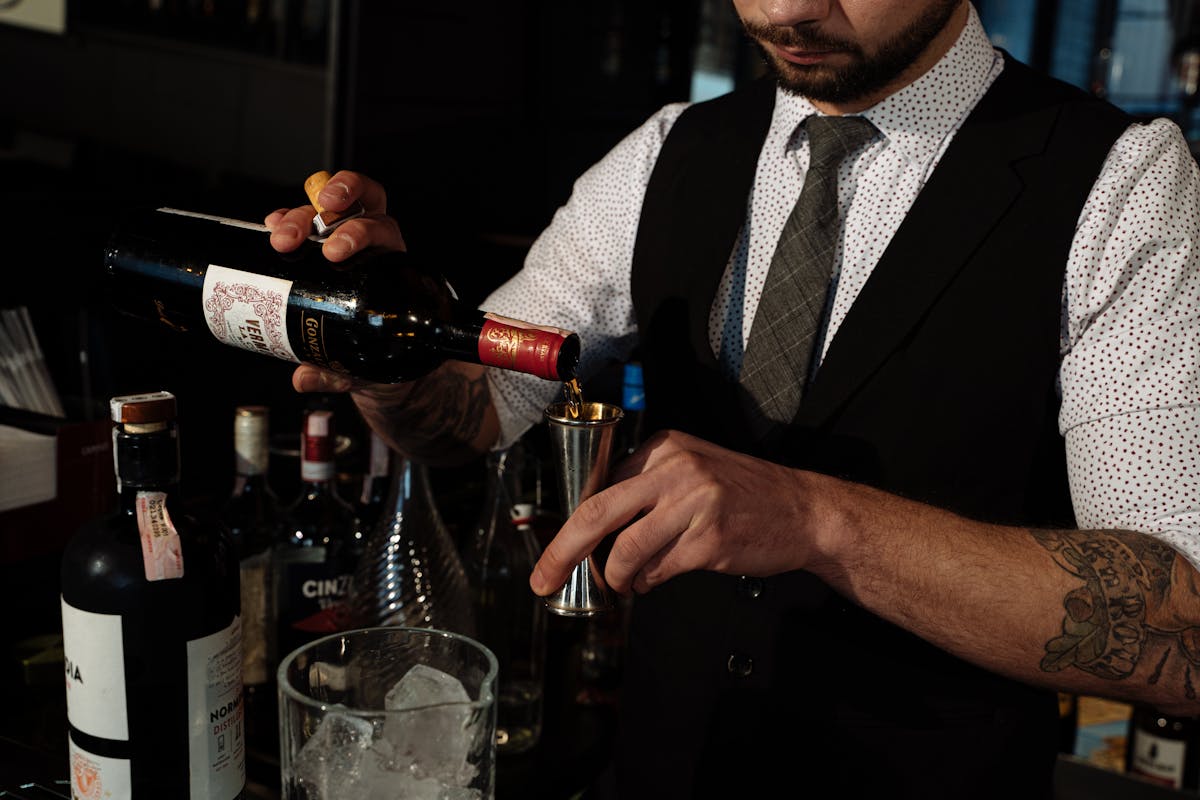
Catalan Wine and Penedès Region
The Barcelona wine guide begins with understanding that some of Spain’s finest wines come from regions near Barcelona. The Penedès region, about 45 kilometers inland, produces excellent reds and whites. These wines, made from varieties like Grenache (Garnatxa), Tempranillo, and Cabernet Sauvignon, pair excellently with Catalan food.
Ask for recommendations at restaurants and wine bars—Barcelona has an excellent wine culture, and servers can generally guide you toward wines that complement your meal. The wines from Penedès typically offer excellent value compared to more famous Spanish regions.
Cava: Catalan Sparkling Wine
Cava is Catalonia’s answer to Champagne—a sparkling wine produced using the same traditional method but at a fraction of the price. The Penedès region also produces most of Spain’s cava. In Barcelona, you’ll find cava served as aperitifs, with tapas, and throughout meals. Good cava should have fine bubbles, pleasant acidity, and subtle fruit character. This is an excellent way to experience Barcelona’s sparkling wine tradition without breaking the budget.
Vermouth: The Neglected Classic
Barcelona has a vermouth culture that deserves mention in any Barcelona food guide. This fortified, herbal wine is traditionally served as an aperitif, often with olives and anchovies. Vermuts are experiencing a renaissance in Barcelona, with dedicated vermouth bars appearing throughout the city. If you’re interested in exploring beyond wine and cava, vermouth offers an authentic Barcelona experience.
Understanding Barcelona Dining Culture and Meal Times
Practical knowledge about how Barcelonans actually eat is essential for optimizing your Barcelona dining guide experience. Meal times in Barcelona follow a pattern quite different from many other countries.
Breakfast and the Morning
Breakfast in Barcelona is typically light—coffee and a pastry or sandwich. The Barcelona breakfast guide should emphasize café culture more than elaborate breakfast spreads. However, modern brunch culture has developed, especially in neighborhoods like Gràcia and Eixample, where cafes serve more substantial morning meals to accommodate international visitors and younger Barcelonans adopting brunch culture.
Lunch: The Main Meal
Lunch remains the primary meal for most Barcelonans, typically served between 2 and 3 PM. Many restaurants offer menu del día (menu of the day)—a fixed-price lunch special including first course, main, and dessert, plus drink and bread. These menus offer exceptional value and are popular with both locals and budget-conscious travelers. Your Barcelona food guide should emphasize taking advantage of menu del día for the best value on excellent food.
Dinner: Light and Late
Dinner in Barcelona typically begins late by international standards—rarely before 9 PM for restaurants, and often later on weekends. This timing aligns with the Spanish rhythm and warm Mediterranean climate. Before dinner, many Barcelonans enjoy tapas and drinks between 7 and 9 PM, a period called the “paseo” (promenade). This is an excellent time to enjoy Barcelona’s tapas culture.
Dinner itself is typically lighter than lunch, often consisting of soup or salad, followed by fish or light proteins. The tradition reflects both climate and culture—Barcelonans eat less heavily in the evening heat.
Tipping and Practical Dining Etiquette
In Barcelona, tipping is not obligatory like in some countries, though leaving small change or 5-10% for good service is appreciated. Rounding up the bill is perfectly acceptable. Service charges are not automatically added to bills.
Many Barcelona restaurants close between lunch and dinner, typically from 4 PM to 7 or 8 PM. Plan accordingly—seeking food during these hours can be challenging. Most places are open all day on weekends, but weekday dining requires respecting these traditional meal times.
Jamón Ibérico and Cured Meat Excellence
While not unique to Barcelona, the appreciation and availability of jamón ibérico (Iberian ham) deserves special attention in any Barcelona dining guide. This dark, intensely flavored cured ham from the black Iberian pig represents the pinnacle of Spanish charcuterie.
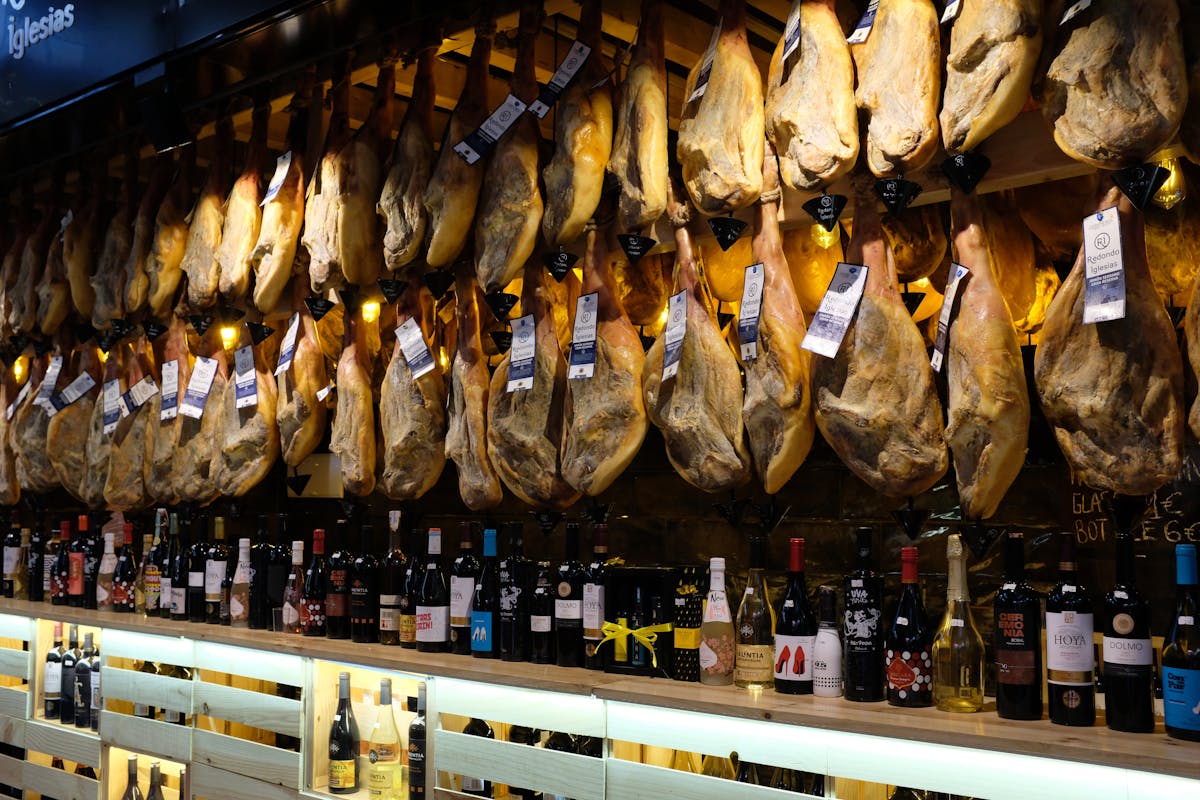
In Barcelona restaurants and tapas bars, jamón ibérico appears on charcuterie boards, in croquetas, as tapas served with bread, and sliced thin as a standalone plate. The meat’s deep flavor, marbling, and melt-in-your-mouth texture represent the quality end of the cured meat spectrum. Because jamón ibérico is expensive and heavily regulated (genuine jamón ibérico from free-range Iberian pigs has specific geographic origins and production standards), you should expect to pay premium prices when ordering it.
Other cured meats equally worthy of mention include jamón serrano (regular Spanish cured ham), various sausages like chorizo and salchichón, and other regional specialties.
Seasonal Foods and What to Eat When
A good Barcelona food guide should help you understand seasonal eating in this Mediterranean city. Spain has a strong culture of seasonal eating, and Barcelona’s restaurants reflect this tradition.
Spring (March to May)
Spring brings asparagus, artichokes, spring onions, and fresh peas to Barcelona markets and restaurant menus. Seafood is excellent year-round, but spring brings certain species to their peak. Spring vegetables appear in traditional preparations and modern innovations throughout the city.
Summer (June to August)
Summer is peak season for tomatoes, squash, and stone fruits. Seafood remains excellent. The heat means lighter meals dominate—gazpachos, cold vegetable dishes, and grilled items. Summer is peak tourist season, which unfortunately means more crowded restaurants and sometimes lower food quality in tourist areas.
Fall (September to November)
Fall brings mushrooms, game meats, and later in the season, grapes and new wines. September and October offer ideal eating conditions—warm weather but less oppressive than summer, with new harvests arriving.
Winter (December to February)
Winter is citrus season—oranges, lemons, grapefruit, and special varieties make their appearance. Seafood remains excellent. Root vegetables and hearty preparations reflect the cooler weather. Winter is an excellent time to visit Barcelona from a food perspective—fewer tourists, pleasant weather, and excellent seasonal ingredients.
Practical Tips for Optimizing Your Barcelona Eating Experience
These practical guidelines will help you navigate eating in Barcelona with confidence and success.
Making Reservations
Popular restaurants in Barcelona require reservations, especially for dinner. Many tapas bars don’t take reservations and operate on a first-come, first-served basis. For fine dining establishments and well-known restaurants, reserve at least a week in advance during tourist season. Your hotel can often help with reservations, and many restaurants accept reservations through their websites.
Budget Considerations
A Barcelona cheap eats guide should emphasize that excellent food at reasonable prices remains possible if you know where to look. Menu del día at lunch offers exceptional value—typically €10-15 for a three-course meal with drink. Tapas and market food offer budget options. Fine dining runs €50-150+ per person. Mid-range restaurants typically cost €20-40 per person.
Avoiding Tourist Traps
The most important rule: If a restaurant has a picture menu, neon signs advertising “Paella!” or “Sangria!”, or staff members aggressively recruiting customers from the street, it’s likely a tourist trap. Quality Barcelona restaurants rely on reputation and word-of-mouth, not flashy marketing. They’re often unmarked or have subtle signage. Look for restaurants where locals are dining, especially at lunch.
Language and Communication
While English is increasingly common in Barcelona restaurants, especially in central tourist areas, attempting Spanish or Catalan is appreciated. Many Barcelona menus include English translations, though some traditional establishments might not. Don’t hesitate to ask questions about dishes—most servers are happy to describe preparations and help with recommendations.
Understanding Food Safety and Hygiene
Barcelona maintains excellent health and safety standards. Restaurants are regularly inspected, and incidents of food-borne illness are rare. Don’t be concerned about eating at casual street-level establishments or market stalls—Barcelona’s food system is well-regulated.
Exploring Barcelona Food Tours and Culinary Experiences
For many visitors, Barcelona food tours offer an excellent way to experience the city’s eating culture with expert guidance. These range from market tours focused on La Boqueria to neighborhood walking tours combining eating with exploration to cooking classes teaching traditional preparations.
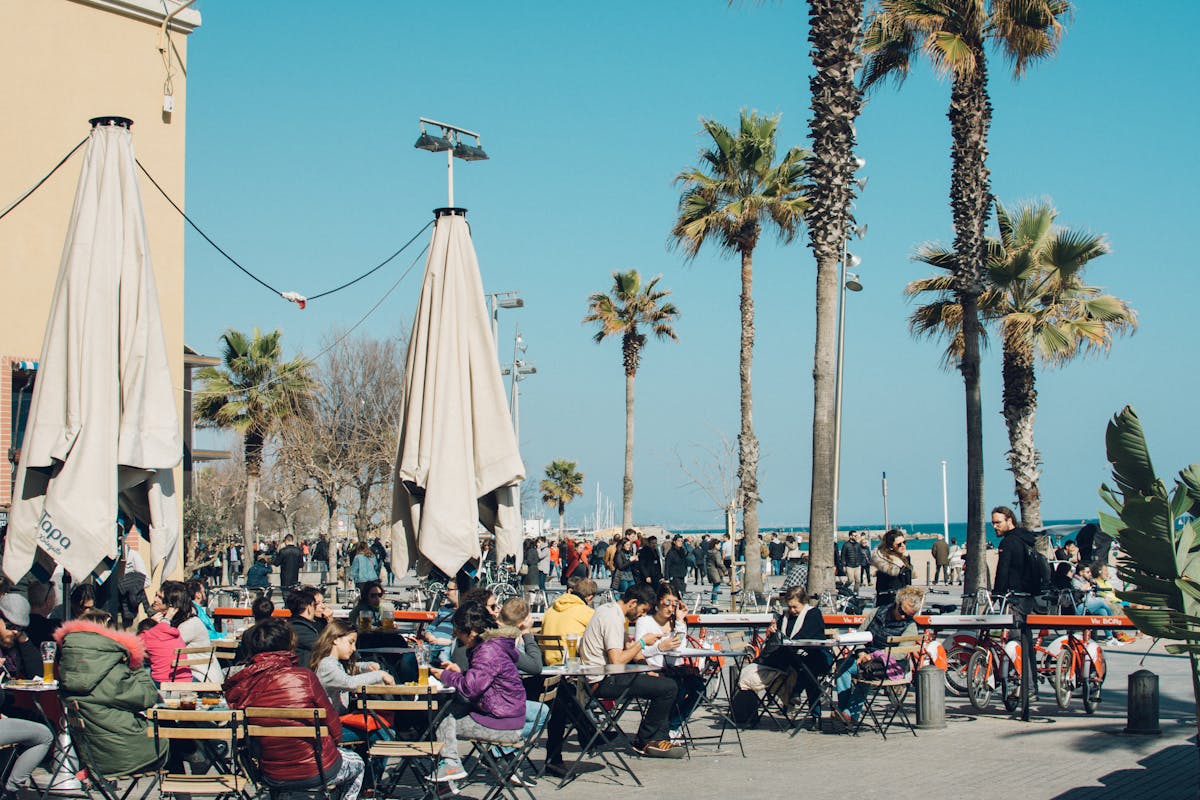
Quality food tours typically cost €60-150 per person and include multiple stops with tastings, beverage pairings, and expert commentary. These provide excellent value if you’re interested in learning deeply about Barcelona’s food culture. Many food tour operators can also arrange cooking classes, wine tastings, and market shopping experiences.
Special Dietary Considerations and Alternatives
Barcelona increasingly caters to dietary restrictions and preferences. Vegan Barcelona has developed considerably, with restaurants throughout the city offering plant-based options. El Born and Gràcia neighborhoods have the highest concentration of vegetarian and vegan establishments.
For other dietary restrictions—gluten-free, allergies, religious requirements—Barcelona’s restaurants generally accommodate requests, though communication is essential. Always inform your server of allergies or restrictions, as this is taken seriously in Catalan food culture.
Coffee Culture and Cafes in Barcelona
While Barcelona isn’t particularly famous for coffee culture compared to other European cities, the Barcelona coffee guide reveals an increasingly sophisticated coffee scene, especially in neighborhoods like Gràcia and Eixample. Local roasteries have emerged, and coffee quality has improved dramatically in recent years.
Café con leche (coffee with milk) remains the standard morning drink. Afternoon coffee is typically espresso, enjoyed quickly at the counter. The rise of specialty coffee shops means you can find excellent third-wave coffee alongside traditional café culture.
Connecting Food Exploration with Barcelona’s Other Attractions
Your Barcelona travel guide should integrate food experiences with other things to do in Barcelona. After exploring the Gothic Quarter, enjoy tapas in El Born. After visiting Park Güell, grab lunch in Gràcia. After beach time, have fresh seafood in Barceloneta. Understanding Barcelona’s neighborhoods through food creates deeper appreciation for both the cuisine and the city itself. Consulting your Barcelona neighborhoods guide alongside food recommendations ensures you’re also experiencing the culture, history, and character of different areas.
Your Barcelona Food Adventure Awaits
A comprehensive Barcelona food guide isn’t just about restaurants and recipes—it’s about understanding a culture through its most essential expression: food. Catalan cuisine reflects centuries of geography, history, trade, and tradition. The mar i muntanya philosophy isn’t merely a cooking principle; it’s an entire worldview about how communities should live, eat, and come together.
Whether you’re standing at a cramped tapas bar in El Born with a glass of vermouth and some jamón ibérico, sitting at a seafood restaurant in Barceloneta watching the Mediterranean sunset, wandering through the sensory explosion of La Boqueria market, or enjoying a late dinner in Poble Sec, you’re participating in traditions that have fed and brought joy to Barcelonans for generations.
The most important rule of any Barcelona dining guide is this: eat what looks good, ask locals for recommendations, embrace the slower pace of meals, and remember that in Barcelona, food is never just fuel—it’s culture, history, art, and the heart of social life. Your visit to this magnificent city will be infinitely enriched by diving deep into its extraordinary culinary traditions.