Why El Raval Is Barcelona’s Most Multicultural Neighbourhood
Just west of Las Ramblas sits El Raval, the city’s most multicultural and gritty district. Once a working-class slum (the medieval Raval was Barcelona’s outside-the-walls quarter), today it is a thriving mix of immigrant communities, vibrant nightlife, the city’s modern art museum, beautiful Modernist architecture, and a fast-changing creative scene. The neighbourhood is more layered than the polished Gothic Quarter and more local than the Eixample. This guide to el raval barcelona covers everything you need: the must-see sites, the best restaurants and bars, the safety considerations, and how to combine a Raval visit with the rest of your Barcelona trip.
Whether you are a first-time visitor wondering whether to skip El Raval (don’t) or a seasoned traveller wanting to explore beyond the touristy stretches, this raval barcelona guide covers the raval things to do, the food scene, and addresses the raval safety questions head-on.

A Brief History
El Raval (literally “outside the walls”) was historically Barcelona’s beyond-the-walls neighbourhood. From the medieval period to the 18th century it housed convents, monasteries, and outlying farms. The 19th-century industrial boom transformed it into a dense working-class district packed with factories, brothels, and immigrant boarding houses; the area was nicknamed Barri Xines (Chinese Quarter), although there were few actual Chinese inhabitants. Henri Toulouse-Lautrec, Pablo Picasso, and Andre Breton all wandered the Raval’s bohemian streets.
The 20th century brought multiple waves of immigration: from rural Spain, then from Pakistan, the Philippines, North Africa, and Latin America. By 2000, El Raval was the most diverse neighbourhood in Barcelona, with around 50 percent foreign-born residents.
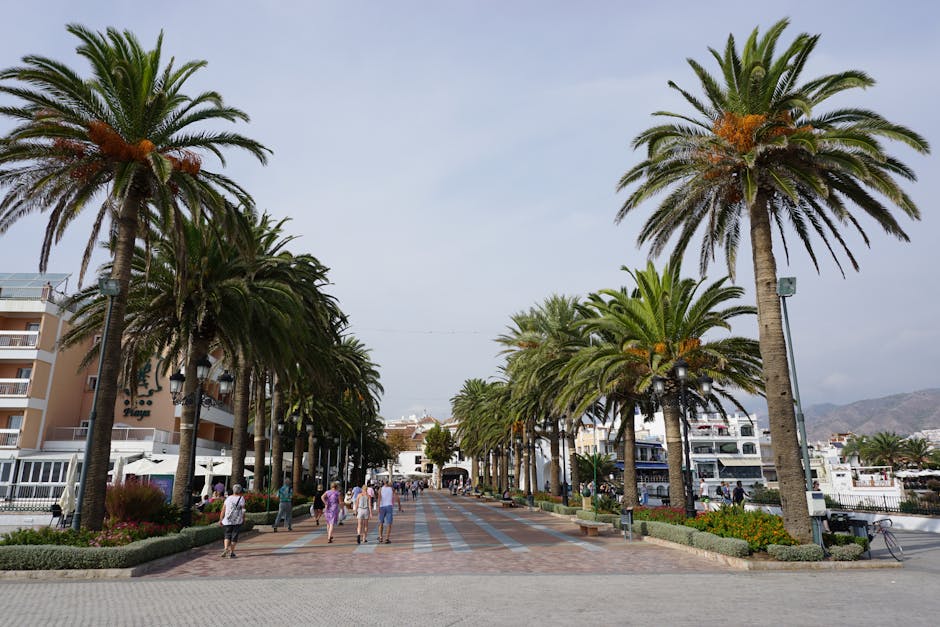
Major regeneration efforts in the 1990s and 2000s included the demolition of dense streets to create the Rambla del Raval (a wide pedestrian boulevard with palms and Fernando Botero’s “El Gat” sculpture), the building of the MACBA modern art museum, and the restoration of historic buildings. Today El Raval is one of the most rapidly changing neighbourhoods in Barcelona: vibrant, sometimes edgy, always multicultural.
Where Exactly Is El Raval?
El Raval sits west of Las Ramblas, bounded by:
- East: Las Ramblas.
- West: Avinguda Paral.lel and Ronda de Sant Antoni.
- North: Plaça Universitat.
- South: The harbour and Drassanes.
The Top Things to Do in El Raval
1. MACBA (Museum of Contemporary Art)
The striking white Richard Meier-designed building dominates Plaça dels Angels. Excellent collection of post-war Catalan, Spanish, and Latin American contemporary art. The plaza outside is one of the city’s main skateboarding venues.
- Address: Plaça dels Angels 1.
- Hours: Daily 11:00 AM to 7:30 PM.
- Tickets: 12 EUR adults; free under-14.
- Closest metro: L1, L2 Universitat.
2. Rambla del Raval
The wide pedestrian boulevard with palm trees and Fernando Botero’s “El Gat” (the giant cat sculpture). A regenerated area that anchors the modern Raval. Lively cafe terraces and a multicultural atmosphere.
3. Palau Guell
One of Antoni Gaudi’s earliest masterpieces (1886-1888). Built for his patron Eusebi Guell as a town residence, the building features parabolic arches, intricate ironwork, and a stunning rooftop with chimney sculptures. UNESCO World Heritage Site.
- Address: Carrer Nou de la Rambla 3-5.
- Hours: Tuesday-Sunday 10:00 AM to 7:00 PM.
- Tickets: 12 EUR.
4. CCCB (Centre de Cultura Contemporania de Barcelona)
The contemporary culture centre adjacent to MACBA. Hosts exhibitions on contemporary issues including science, society, and the arts.
5. Sant Pau del Camp
A 9th-century Romanesque monastery with a beautiful cloister. Free or low-cost; one of the oldest buildings in Barcelona.
6. La Boqueria Market
The famous market sits at the boundary between Las Ramblas and El Raval. See our Barcelona markets guide.
7. Boqueria Backstreets
The narrow streets behind La Boqueria are full of small shops, immigrant-run grocers, and traditional Catalan workshops. Less touristy than the market itself.
8. Modern Art Galleries
El Raval has a thriving independent gallery scene. Carrer del Doctor Dou, Carrer dels Angels, and several smaller streets host rotating exhibitions.
9. Filmoteca de Catalunya
The Catalan Film Archive screens international and Catalan films at affordable prices. A favourite of locals and cinephiles.
10. Hospital de la Santa Creu
The 15th-century Gothic hospital complex (predecessor to the Modernist Sant Pau). Now houses the Library of Catalonia and the Royal Academy of Medicine. Beautiful courtyards.
Where to Eat
Classic Catalan
- Bar Cañete (Carrer de la Unio 17): Excellent classic Catalan tapas; one of the most respected in the city.
- Casa Lolea (Carrer Sant Pere Mes Alt 49, on the boundary): Stylish modern tapas.
- Restaurant La Pedrera (Carrer de Sant Pere Mitja): Traditional Catalan home cooking.
Multicultural
- Pakistani and Indian restaurants: The Raval has many; try a curry house on Carrer de Sant Pau.
- Filipino restaurants: Popular with the local Filipino community.
- Lebanese and Turkish: Several around Plaça Reial.
Specialty
- Granja M. Viader (Carrer Xuclà 4): The legendary chocolate-and-cream cafe.
- Bar Marsella (Carrer de Sant Pau 65): 1820 absinthe bar; Hemingway, Picasso, Dali drank here.
- Bar Pastis (Carrer de Santa Monica 4): Tiny atmospheric Edith Piaf-soundtracked bar.
- Boadas (Carrer dels Tallers 1): Barcelona’s oldest cocktail bar (1933).
Where to Drink
- Two Schmucks (Carrer de Joaquin Costa 52): One of the World’s 50 Best Bars; fun-first cocktail bar.
- Bar Marsella: Classic absinthe institution.
- Boadas: 1933 cocktail bar; iconic daiquiris.
- Moog (Carrer de l’Arc del Teatre 3): Underground techno club.
- Bar Pastis: Tiny atmospheric.
- London Bar (Carrer Nou de la Rambla 34): Modernist gem, supposedly Hemingway-patroned.
- Bar Almirall (Carrer de Joaquin Costa 33): Founded 1860; one of Barcelona’s oldest.
Where to Stay
- Casa Camper: Stylish boutique 4-star.
- Hotel Barcelo Raval: Modern 4-star with rooftop pool.
- Hotel Espana: Modernist building with original Domenech i Montaner interiors.
- Hotel Curious: Mid-range design hotel.
- Hostels: Several budget options near Plaça Universitat.

Safety in El Raval
El Raval gets a bad reputation but is largely safe during the day. The honest safety picture:
Daytime (Generally Safe)
- The upper Raval (around Plaça Universitat, MACBA, CCCB) is safe and busy.
- The middle Raval (Rambla del Raval, Sant Pau del Camp) is safe.
- The southern Raval (around Drassanes) is safe but quieter.
Specific Hot Spots
- Carrer d’En Robador and adjacent streets: Some drug dealing and prostitution; tourists should not stroll here at night.
- Inner alleys late at night: Particularly between 2:00 AM and 4:00 AM.
- Near Drassanes after 1:00 AM: Quiet stretches.
Pickpockets
El Raval has the same pickpocket density as Las Ramblas during the day. Standard precautions apply.
Recommendations
- Walk in groups after midnight.
- Use main streets after dark.
- Free Now or Cabify for late-night returns.
- Keep valuables secured.
- Don’t engage with street offers (drugs, sex, help).
For more, see our Barcelona safety guide.
El Raval for Different Trip Types
For Art Lovers
MACBA, CCCB, independent galleries, the Filmoteca.
For Foodies
Bar Cañete, multicultural restaurants, Granja M. Viader, the Boqueria backstreets.
For Architecture Enthusiasts
Palau Guell, Sant Pau del Camp, Hotel Espana interiors, Hospital de la Santa Creu.
For Nightlife
Two Schmucks, Boadas, Moog, Bar Pastis, the late-night club scene.
For History Buffs
Sant Pau del Camp, Hospital de la Santa Creu, Bar Marsella, the Modernist medical and educational buildings.
For Off-the-Beaten-Path
The narrow streets, immigrant communities, traditional shops, multicultural atmosphere.
Sample El Raval Day
- 10:00 AM: Coffee at Granja M. Viader.
- 10:30 AM: La Boqueria backstreets.
- 11:30 AM: MACBA museum.
- 1:30 PM: Lunch at Bar Cañete.
- 3:30 PM: Walk Rambla del Raval; visit Botero’s Cat.
- 4:30 PM: Sant Pau del Camp.
- 5:30 PM: Palau Guell tour.
- 7:00 PM: Aperitif at Bar Almirall or Bar Marsella.
- 8:30 PM: Dinner.
- 10:30 PM: Cocktails at Two Schmucks or Boadas.
Frequently Asked Questions
Is El Raval safe?
Yes during the day and on main streets at night. Some inner alleys near Carrer d’En Robador have drug-related activity; avoid these at night.
Should tourists visit El Raval?
Yes. The area has excellent museums, restaurants, bars, and cultural attractions.
What is the most multicultural part?
The streets around Sant Pau del Camp and the lower Rambla del Raval.
Is MACBA worth visiting?
Yes for contemporary art enthusiasts. The building itself is also a Richard Meier masterpiece.
Where are the best Raval bars?
Two Schmucks for cocktails; Bar Marsella for absinthe; Bar Pastis for atmosphere; Boadas for classic; Moog for techno.
Can I walk Las Ramblas to El Raval?
Yes, El Raval is the western side of Las Ramblas. Cross any small street.
Is Palau Guell worth visiting?
Yes for Gaudi enthusiasts. It is one of his earliest UNESCO works.
What’s the best time to visit?
Late morning to early evening. Avoid the deepest inner alleys after 1:00 AM.
Where do locals eat?
Bar Cañete, Casa Lolea, the small immigrant-run restaurants on Carrer de Sant Pau.
Should I stay in El Raval?
For travellers wanting an edgy, multicultural neighbourhood feel: yes. For first-time visitors who want polished safety: stick to the Eixample or Gothic Quarter.
Is there a famous skate spot?
Yes. The MACBA plaza is one of Europe’s most famous skateboarding venues.
Final Thoughts: A Neighbourhood Worth Knowing
El Raval rewards visitors who venture beyond the Las Ramblas tourist corridor. The combination of MACBA, Palau Guell, Sant Pau del Camp, and the multicultural street life makes it one of the most layered neighbourhoods in Barcelona. Add at least a half-day to your trip; the rewards justify the effort.
For more, see our Barcelona neighbourhoods pillar, the Gothic Quarter guide, the El Born guide, and the Eixample guide.