Why El Born Is Barcelona’s Most Atmospheric Neighbourhood
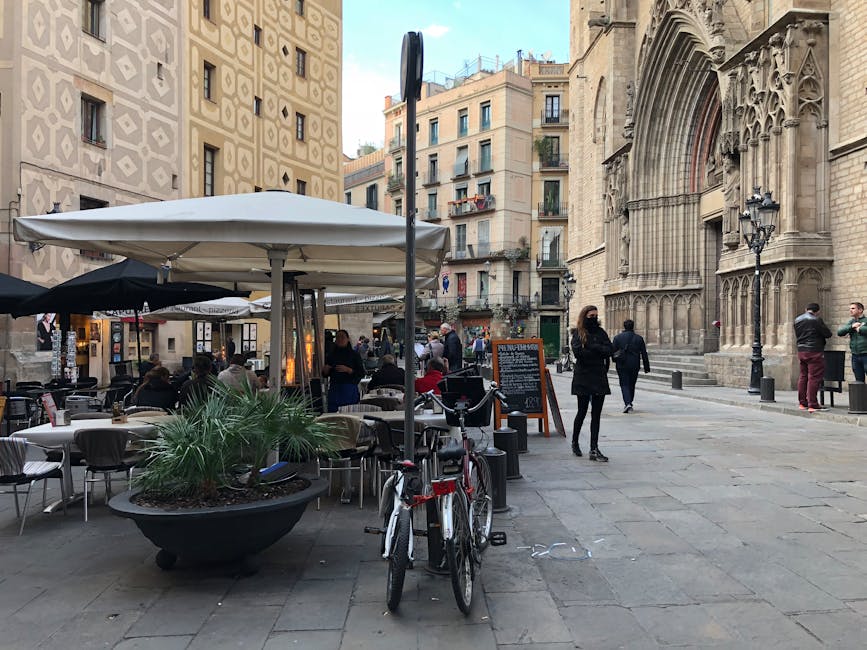
Tucked between the Gothic Quarter and the seaside, El Born is the medieval-meets-modern heart of Barcelona. The neighbourhood (officially part of the larger La Ribera district, though most locals use the names interchangeably) was once the city’s port-side mercantile centre, the stage on which Barcelona’s medieval wealth was built. Today the same narrow stone lanes are home to the Picasso Museum, the city’s most beautiful Gothic basilica, dozens of independent boutiques, world-class cocktail bars, and tapas counters where the chefs invent new dishes each week. This el born barcelona guide is your complete map of the neighbourhood: what to see, where to eat, where to drink, and how to feel the rhythm of the place locally.
Whether you are here for one afternoon or basing yourself for a long weekend, El Born rewards slow travel. The streets bend, dead-end, and re-emerge in surprising ways. Wander long enough and you will find a 14th-century church, a hidden plaza with a single olive tree, a contemporary art gallery in a 16th-century palace, and a chocolate maker frothing thick xocolata for queue-up locals at 11:00 AM. This is the la ribera barcelona visitors come back for, and the version of Barcelona that you remember most vividly long after you fly home.
A Brief History: From Tournament Grounds to Trendy Quarter
The name El Born derives from the medieval Catalan word for a tournament arena. In the 13th and 14th centuries, the open space at the heart of the neighbourhood (today the Born Cultural Centre) hosted jousting tournaments, public executions, and the city’s main marketplace. As Barcelona’s port grew rich on Mediterranean trade, the merchant aristocracy built their palaces along nearby Carrer de Montcada, and the church of Santa Maria del Mar (1329-1383) was raised by stevedores and sailors as a tribute to the Virgin of the Sea.
El Born’s fortunes rose and fell with Barcelona’s. In 1714, the city fell to Bourbon forces during the War of Spanish Succession; King Philip V had a third of the neighbourhood demolished to build a citadel that loomed over the city as a punishment for resistance. The citadel itself was finally torn down in 1869 and replaced with the Parc de la Ciutadella that visitors enjoy today, but the neighbourhood remained working-class for another century.
Gentrification arrived in the 1990s. The Picasso Museum (already opened in 1963) anchored a wave of cultural investment; small designers, galleries, and restaurants moved in. The Born Cultural Centre opened in 2013 on top of the excavated remains of the 1700s street grid, completing the neighbourhood’s transformation. Today El Born is one of the most walkable, most photogenic, and most enjoyable parts of Barcelona for a slow afternoon.
Where Exactly Is El Born?
El Born sits on the eastern flank of the Old City, bounded by Via Laietana to the west, Passeig de Lluis Companys / Parc de la Ciutadella to the east, the harbour to the south, and Sant Pere/Carrer del Princep de Viana to the north. The geography is small (about 1 square kilometre) and entirely walkable.
How to get there: Metro Line 4 to Jaume I or Barceloneta drops you at the western and southern edges respectively. Most visitors arrive on foot from the Gothic Quarter; the boundary is Via Laietana, a major north-south avenue.
The Top 10 Things to Do in El Born
1. Picasso Museum
The single largest reason visitors come to El Born. The Museu Picasso occupies five connected medieval palaces along Carrer de Montcada, with a collection of more than 4,200 works tracing Picasso’s early years (Blue and Rose Periods), his groundbreaking 1957 reinterpretation of Velazquez’s Las Meninas, and his ceramics. Allow 90 minutes. Tickets around 14 EUR; free for under-18s and free for everyone Sundays after 3:00 PM. Pre-booking strongly recommended; weekend morning slots sell out 2 to 3 days ahead.
2. Santa Maria del Mar
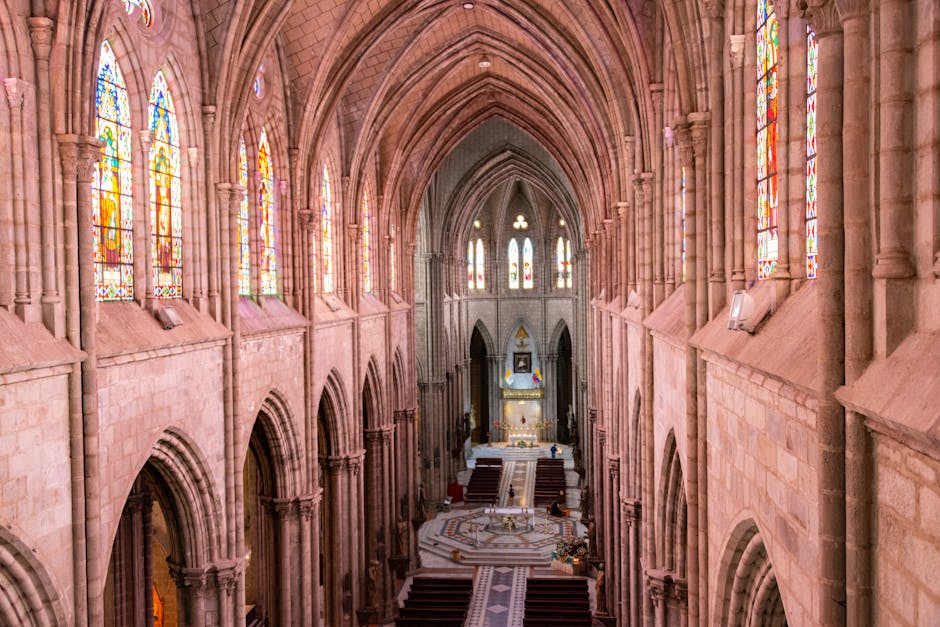
Often called the most beautiful church in Barcelona. The 14th-century Catalan Gothic basilica was built by the city’s port workers and dockhands in just 55 years, an extraordinary feat for the period. The interior is austere, vast, and luminous, with slim octagonal columns rising 13 metres before arching outward into a single clean roof. Free entry to the main floor; 10 EUR for a guided rooftop tour. Visit at dusk when the stained-glass colours fall across the floor.
3. Born Cultural Centre (El Born CC)
The 19th-century iron-and-glass market hall at the centre of the neighbourhood was converted in 2013 into a cultural centre and archaeological site. The floor is a giant excavation pit revealing the 1700s street grid that was demolished by the Bourbons; you walk above it on raised platforms and read interpretation panels in English, Catalan, and Spanish. The cultural programming includes temporary exhibitions, talks, and concerts. Free entry to the archaeological zone; 6 EUR for special exhibits.
4. Carrer de Montcada
The 13th- to 16th-century palaces lining this short street are arguably the finest secular medieval architecture in Spain. The Picasso Museum occupies five of them, but the others house the Cosmo Museum of World Cultures, contemporary art galleries, and a few private offices. Walk slowly and read the small plaques. The architectural details (carved doorways, courtyards, twisted columns) reward attention.
5. Palau de la Musica Catalana
Just across Via Laietana on the El Born/Sant Pere border, the Palau de la Musica is one of the world’s most extraordinary concert halls. The 1908 Modernista interior by Lluis Domenech i Montaner is a riot of stained glass, mosaics, and sculpted figures. Tickets for the daily 50-minute guided tour are 22 EUR; consider attending an evening concert for an even more magical experience.
6. Mercat del Born
Named for the same Born Cultural Centre, this beautiful 19th-century market hall is the symbol of the neighbourhood’s transformation. Visit the centre’s public archaeology and grab a coffee at the small cafe inside. The hall hosts occasional weekend craft markets.
7. Mercat de Santa Caterina
The local market, completed in 2005 with a striking undulating roof by Enric Miralles. Inside you find fish, vegetables, charcuterie, cheese, and a couple of standout food stalls (Cuines Santa Caterina serves excellent breakfasts and lunches). Far less crowded than the famous Boqueria.
8. Carrer dels Flassaders and Carrer de l’Argenteria
Two of the most charming small streets in the neighbourhood. Flassaders is full of designer boutiques, vintage stores, and patio cafes. L’Argenteria runs from Santa Maria del Mar back toward the Cathedral, lined with tapas bars and tiny galleries.
9. Pla de Palau and the Old Trade Hall
The Pla de Palau is the open square at the southern end of El Born. It once was the maritime gateway to the city, where ships unloaded and the kings received foreign delegations. The 19th-century Llotja de Mar (Trade Hall, with a stunning Gothic interior) and the Captaincy Building line the square. The Llotja is rarely open to the public; check schedules in advance.
10. Pla de Vidre Fountain (and the Cycling Lanes)
The flat plaza at Pla de Vidre is a small but lovely place to sit. The neighbourhood’s cycling lanes intersect here; on a sunny weekend the patio chairs fill up with locals on the way somewhere else. Watch the world go by for ten minutes.
Where to Eat in El Born
El Born’s food scene is one of the best in Barcelona, mixing classic tapas, modern Catalan cuisine, and a steady wave of opening cocktail and small-plates bars. Here are the standouts.
Cal Pep
The most famous tapas counter in El Born. No reservations, queue from 7:00 PM. Sit at the bar, let the staff pick for you, and trust them. Expect 50 to 70 EUR per person with wine. Iconic for a reason.
Bar del Pla
A modern Catalan tapas bar with creative dishes (octopus carpaccio, cod fritters with romesco). Reservations possible. Around 35 to 50 EUR per person.
El Xampanyet
The 1929 cava bar already mentioned. Tile walls, Cava de la Casa, anchovies, and small queues from 7:30 PM. Cash only.
Llamber
A modern, sit-down restaurant with Catalan-Asturian fusion tapas and small plates. Excellent wine list. Around 50 EUR per person.
Cafe del Born
A more casual option with good breakfasts, coffee, and afternoon snacks. Ideal between museum visits.
Bormuth
Stylish vermuteria with traditional Catalan vermouth tradition (the Sunday-morning aperitif). Affordable, lively, on Carrer del Rec.
Granja M. Viader
Just over the Via Laietana into the Gothic Quarter, but worth the 4-minute walk. The 1870 milk-and-chocolate shop serves the city’s most famous suizo (hot chocolate with whipped cream).
Bar Mut
Stylish wine bar with excellent small plates. On Carrer Pau Claris but easily reached from El Born.
Disfrutar
The Eixample’s Disfrutar is a 3-Michelin-star option just outside El Born proper, but ranked among the World’s 50 Best Restaurants in 2024. Bookings 6 to 10 weeks ahead.
Tickets
Adria-family creative-tapas legend a short walk away in Sant Antoni. Expensive, theatrical, and worth a special-occasion booking.
Where to Drink in El Born
Paradiso
One of the World’s 50 Best Bars, hidden behind a fake pastrami counter on Carrer de Rera Palau. Push the pickle door, walk into the cocktail wonderland, and wait. Reservations from the Paradiso website. Cocktails around 18 EUR.
Dr. Stravinsky
An apothecary-style cocktail bar with handcrafted drinks and a strict no-photo policy that promotes conversation. On Carrer dels Mirallers.
El Vermut
Casual neighbourhood vermutera popular with locals. House vermouth on draught, classic Catalan tapas, low prices.
Antic Teatre
The bohemian garden bar mentioned in our hidden gems guide. Cheap drinks, live music or dance most nights, deeply local crowd.
La Vinya del Senyor
A wine bar facing Santa Maria del Mar. The terrace is one of the prettiest in the city. Excellent Catalan and Spanish wines by the glass.
Where to Shop in El Born
El Born is the best neighbourhood in Barcelona for independent boutiques, vintage shops, and artisan goods. Highlights include:
- Carrer dels Flassaders: Boutiques, vintage, and designer ateliers.
- Casa Gispert: 1851 family-run dried fruit and nuts shop, with a still-operating wood-fired oven for roasting almonds.
- La Manual Alpargatera: Espadrilles handmade in Barcelona since 1940. (Just over the Via Laietana in the Gothic Quarter, but Born visitors should make the walk.)
- El Magnifico: Independent coffee roaster with the best pour-over in the Old City.
- La Bottifarrera de Santa Maria: Catalan sausages and charcuterie made on-site.
- Vila Viniteca: Beautiful wine and gourmet store; tastings on Saturdays.
- Sabater Hermanos: Family-run soap shop with hand-crafted bars.
Where to Stay in El Born
El Born has some of the best small hotels in Barcelona. Top recommendations:
- Mercer Hotel Barcelona: Five-star luxury in a converted medieval palace; rooftop pool. Around 400 to 700 EUR per night.
- Hotel Neri: Five-star boutique on the Gothic Quarter side. Equally elegant.
- Hotel Banys Orientals: Mid-range design hotel on Carrer Argenteria. Excellent value.
- The Serras: Five-star with a rooftop pool overlooking the marina. On the southern edge of the neighbourhood.
- Apartments: El Born has many holiday apartments; choose those with proper licences (HUTB number).
For staying with kids or large groups, apartments are typically a better choice. For solo travellers and couples, the small hotels offer atmosphere and central convenience.
El Born for Specific Trip Types
For Couples
Picasso Museum, lunch at Bar del Pla, walk to Santa Maria del Mar, drinks at La Vinya del Senyor, dinner at Llamber, nightcap at Paradiso.
For Solo Travellers
Coffee at El Magnifico, walk Carrer de Montcada, lunch at the bar at Cal Pep, afternoon at the Born Cultural Centre, evening cocktail at Dr. Stravinsky.
For Architecture Lovers
The Carrer de Montcada palaces, Santa Maria del Mar, the Born Cultural Centre archaeology, and the Palau de la Musica tour are a perfect day’s worth.
For Foodies
Multi-stop tapas crawl: Bormuth (vermouth), Cal Pep (lunch), El Xampanyet (cava and anchovies), Llamber (dinner), Paradiso (cocktail).
For Families with Children
Born Cultural Centre walking platforms, Mercat del Born, picnic at Parc de la Ciutadella (just east of the neighbourhood), Picasso Museum family tour for older kids.
For Art Lovers
Picasso Museum (a half-day in itself), then small contemporary galleries on Carrer de Montcada (Galeria Maeght, Galeria Mascort), and the Born Cultural Centre exhibits.
El Born vs. The Gothic Quarter
The two Old City neighbourhoods are often confused or merged. Key differences:
- El Born is slightly newer (12th-15th century at its core), more boutique, and more food-focused. Less crowded with tourists in the morning.
- Gothic Quarter is the old Roman and medieval centre, with more historic landmarks (Cathedral, Roman walls) and more obvious tourist density.
Both are walkable in the same afternoon. Many visitors stay in one and explore the other. Our advice: stay in El Born if food, design, and atmosphere are your priorities; choose the Gothic Quarter for proximity to the cathedral and direct Las Ramblas access. See our Gothic Quarter guide for that comparison.
Etiquette and Practical Tips
- Quiet voices on the small streets. Many of El Born’s lanes have apartments above the cafes; locals feel the noise.
- Pickpocketing. Lower than in Las Ramblas but still a real risk in tourist-heavy bars and the Picasso Museum queue.
- Cash for small bars. Cal Pep takes cards; El Xampanyet does not.
- Reservations. Most modern restaurants are reservation-essential on weekends. Tapas counters typically don’t take them.
- Sundays. Many shops close. The Mercat de Santa Caterina is open Sunday morning, but most boutiques are not.
- Avoid driving in. The narrow lanes are restricted access; metro or walking is the way in.
- Watch the cobbles in heels. The streets are uneven and slick when wet.
- Be patient at the Picasso Museum security check. The Sunday afternoon free hours create long queues; book in advance for paid hours instead.
Best Time to Visit El Born
- Weekday mornings (10:00 AM to 12:00 noon): Quietest. The Picasso Museum is least crowded. The cafes have empty tables.
- Weekday afternoons (3:00 to 6:00 PM): Lively but manageable. Ideal for shopping and gallery visits.
- Friday and Saturday evenings (8:00 PM to midnight): Peak vibrancy. Tapas bars hum, cocktail bars fill, and the streets fill with diners.
- Sunday late morning: The vermouth hour. Bormuth, Bormuth-style bars, and the Mercat de Santa Caterina are full of locals having pre-lunch aperitifs.
- Late night (after midnight): Some bars and cocktail spots stay open to 2:00 AM weekdays and 3:00 AM weekends, but most restaurants close by 11:30 PM.
A Suggested El Born Half-Day Itinerary
- 10:00 AM: Coffee and pastry at Cafe del Born or El Magnifico.
- 10:30 AM: Picasso Museum (90 minutes).
- 12:00 noon: Walk Carrer de Montcada and the small lanes; visit Santa Maria del Mar.
- 1:30 PM: Lunch at Bar del Pla, Bormuth, or El Xampanyet.
- 3:30 PM: Stroll Carrer dels Flassaders and shop at Casa Gispert and Vila Viniteca.
- 4:30 PM: Born Cultural Centre archaeology platforms.
- 5:30 PM: Drinks at La Vinya del Senyor or Bar Mut.
- 7:00 PM: Walk to Pla de Palau and the harbour.
- 8:30 PM: Dinner at Cal Pep, Llamber, or Bar del Pla.
- 10:30 PM: Nightcap at Paradiso or Dr. Stravinsky.
Frequently Asked Questions
What is El Born known for?
The Picasso Museum, Santa Maria del Mar, medieval palaces along Carrer de Montcada, world-class tapas, and a vibrant cocktail and shopping scene.
Is El Born safe?
Yes, very safe. Pickpocketing is the main concern, especially in tourist-heavy bars. Stay alert with your phone and wallet.
Is El Born the same as La Ribera?
El Born is the southern half of the larger La Ribera district. The Born neighbourhood today encompasses about two-thirds of historic La Ribera; the northern part (around Carrer del Princep de Viana) is sometimes called Sant Pere.
Where should I eat in El Born for the first time?
For tapas, Cal Pep or Bar del Pla. For cava and anchovies, El Xampanyet. For modern Catalan, Llamber. For breakfast, Cuines Santa Caterina inside the market.
Can I walk from El Born to the beach?
Yes. Walk south through Pla de Palau and across the Passeig de Joan de Borbo to Barceloneta beach, about 12 minutes.
Is El Born a good place to stay?
Excellent for couples and solo travellers. The atmosphere, food, and central location are unmatched. Less ideal for families with young children due to night-time noise and narrow streets.
What is the closest metro to El Born?
Jaume I (L4) is the closest, at the western edge. Barceloneta (L4) is at the southern edge.
How much time should I spend in El Born?
Half a day for the headline sights; a full day if you include the Picasso Museum, Palau de la Musica tour, lunch, and shopping. Many visitors return three or four times during a week-long trip.
Is El Born family-friendly?
Yes for daytime visits. The Born Cultural Centre, Picasso Museum (older kids), Mercat de Santa Caterina, and Parc de la Ciutadella are all great for families. Evening dining is more adult-oriented.
What is the best festival to catch in El Born?
The Festes de Santa Eulalia in February (the city’s other patron-saint festival) brings parades through El Born. La Merce in September has events in Pla de Palau and Carrer del Princep de Viana. See our La Merce festival guide.
Final Thoughts: The Most Memorable Square Kilometre in Barcelona
El Born packs more atmosphere into one square kilometre than most full neighbourhoods can manage. The history is layered, the architecture is alive, the food is among the best in Spain, and the streets are made for slow, curious walking. Whether you visit for a single afternoon during your 3-day Barcelona trip or stay for a week, El Born will likely become the part of the city you remember most fondly.
For the full neighbourhood landscape, see our Barcelona neighbourhoods pillar, the Gothic Quarter guide, our best tapas in Barcelona roundup, and the Barcelona hidden gems guide for more under-the-radar finds inside El Born.