We get commissions for bookings made through this post. Booking links, and any accommodation options shown on the page, are handled by a partner that adds commission tracking automatically. It never costs you more, and it never affects what we recommend. Affiliate disclosure
Why Carnival in Barcelona and Sitges Is One of Spain’s Most Spectacular Festivals
The pre-Lenten Carnival is one of Catalonia’s most extravagant festivals. Barcelona’s celebration combines parades, costumes, masquerade balls, and traditional rituals; the nearby town of Sitges hosts what many consider Spain’s most flamboyant Carnival, with massive parades, drag queen contests, and beach parties. This complete guide to barcelona carnival covers the history, the parade routes, the famous Rua de Carnaval, the King Carnestoltes character, the food, and the broader Catalan tradition. Whether you are visiting in February for carnival barcelona or planning a sitges carnival trip, this article gives you the complete picture, including barcelona carnival dates and carnaval barcelona traditions for first-time visitors and returning festival-goers alike.

The History and Meaning of Catalan Carnival
Carnival (Carnestoltes in Catalan) precedes the Christian fast of Lent and is the last party before forty days of austerity. The tradition predates Christianity by centuries — Roman Saturnalia, pre-Christian fertility rites, and medieval European misrule festivals all contribute to its DNA. The Catalan version was suppressed during the Franco dictatorship (1939-1975) and revived enthusiastically after democracy returned. Today’s Catalan Carnival is older in structure than most Spanish equivalents and emphasises:
- King Carnestoltes: The central character; the symbolic king of misrule who arrives on the Thursday before Lent (Dijous Llarder), gives a satirical sermon, presides over the festival, and is “killed” or buried at the end. Each district elects its own Carnestoltes who roams the streets with a court of jesters.
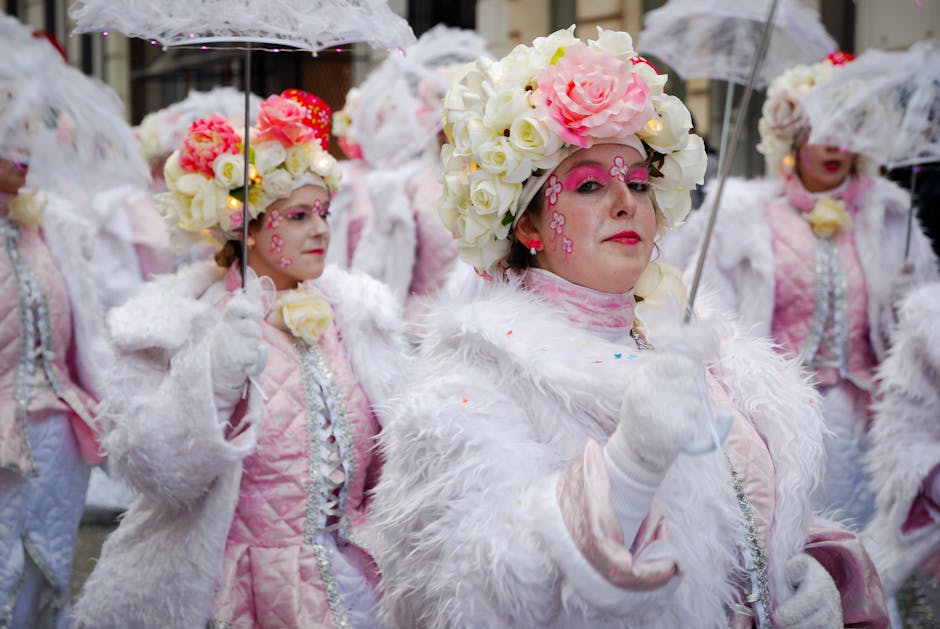
- Parades (Rues): Each neighbourhood holds its own parade with traditional and contemporary costumes. The main city Rua de Carnaval is the centrepiece.
- Fish day (Dijous Llarder): The Thursday before Lent; traditional Catalan fat-day food includes botifarra d’ou (egg sausage), tortillas, and the iconic coca de llardons (lard-and-pine-nut sweet bread).
- Burial of the Sardine (Enterrament de la Sardina): The Wednesday of Ash Wednesday; symbolic funeral procession marking the end of Carnival. A giant papier-mâché sardine is paraded through streets and ceremonially “buried” or burned, accompanied by mock-mourners in black.
Barcelona Carnival Dates 2026
Carnival is movable, dictated by Easter (Lent begins on Ash Wednesday, 46 days before Easter). In 2026:
- Dijous Llarder (Fat Thursday): 12 February 2026 — the official opening; restaurants serve Carnival menus.
- Carnival Friday: 13 February 2026 — preliminary neighbourhood events.
- Carnival Saturday: 14 February 2026 — many neighbourhood parades; Sitges’ Rua de la Disbauxa.
- Carnival Sunday (Rua): 15 February 2026 — Barcelona’s main official Rua de Carnaval.
- Carnival Monday: 16 February 2026 — children’s parades.
- Carnival Tuesday: 17 February 2026 — Sitges’ Rua de l’Extermini, the most extravagant parade.
- Burial of the Sardine: 18 February 2026 (Ash Wednesday) — formal end of Carnival.
Barcelona Carnival Highlights
The Rua de Carnaval (Main Sunday Parade)
The biggest official parade in the city. Floats, costumed groups, music, and dance route through central Barcelona on the Sunday afternoon of Carnival. The route varies year to year but typically runs from Plaça de Catalunya through the Eixample or along Avinguda Diagonal. Free; family-friendly. Around 50 groups participate, ranging from neighbourhood associations to drag-themed troupes.
Neighbourhood Parades
Each Barcelona district holds its own parade. Each has a distinct character:
- Gracia: Friendly, family-focused; small floats; village atmosphere.
- Sant Andreu: Traditional Catalan elements; older Carnival rituals preserved.
- Poblenou: Contemporary creative; arts-school costumes; multicultural.
- Sants: Working-class neighbourhood spirit; loud and inclusive.
- Sant Antoni: Centred on Mercat de Sant Antoni; family-heavy.
- Sant Marti: Smaller parade; local in feel.
- Les Corts: Calmer; more children’s events.
Coca de Llardons (Carnival Bread)
The traditional Carnival sweet bread is topped with crispy lard nuggets, pine nuts, and sometimes glaceed fruit. Available at Catalan bakeries throughout the period. The most legendary versions: Pastisseria Escriba on Las Ramblas; Forn Sarret in Eixample; Forn Mistral. Eat fresh on Dijous Llarder.
Other Traditional Carnival Foods
- Botifarra d’ou: Egg-laden Catalan sausage; the centrepiece of Dijous Llarder lunch.
- Tortilla de patates: Classic potato omelette; family Carnival staple.
- Truita amb suc: Omelette in tomato-based sauce.
- Bunyols de quaresma: Lent-period doughnuts that bridge into Lent.
- Crema catalana: The classic Catalan dessert often offered after Carnival meals.
Masquerade Balls
Several venues host costumed events. The Palau de la Musica Catalana hosts a formal masquerade; smaller theatres and clubs run alternative costume nights. Apolo’s Carnival night is the most accessible costume party in the city. Tickets 25-50 EUR.
Sitges Carnival
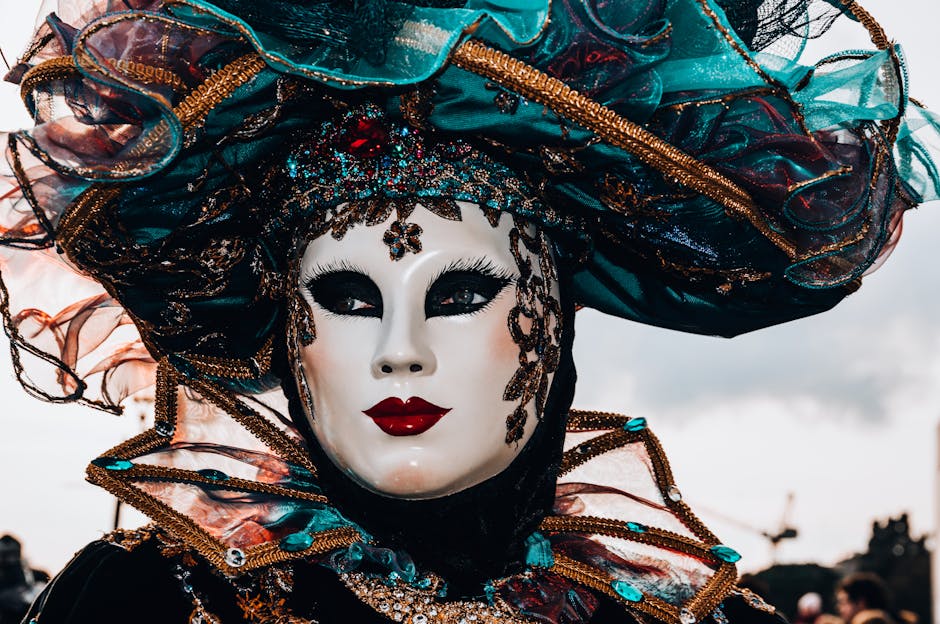
The most spectacular Carnival in Catalonia and one of the largest LGBTQ+ celebrations in Spain. The seaside town 35 minutes south of Barcelona hosts week-long celebrations from Dijous Llarder through Ash Wednesday, with population swelling from 30,000 to 250,000 over the weekend. Highlights:
Crida del Rei Carnestoltes (Thursday)
The opening proclamation. The King Carnestoltes character (an elected drag queen most years) reads a satirical “sermon” from a balcony, kicking off the festival with humour and political commentary.
Rua de la Disbauxa (Saturday Night)
The “Wild Parade.” One of Spain’s biggest LGBTQ+-flavoured celebrations; massive crowds; spectacular costumes. Starts around 8:30 PM and runs until midnight. Crowds line the route 6-deep along Carrer del Cap de la Vila and Passeig de la Ribera.
Rua de l’Extermini (Tuesday Night)
The “Extermination Parade.” The most extravagant Sitges parade. Floats with elaborate themes (politics, pop culture, satire); choreographed dance routines; live music. Starts around 8:00 PM; this is the parade most photographed for international media.
Drag Queen Contest
Famous nationally. Held at Hotel Calipolis or similar venue. Tickets sell out months in advance; bookable via the Sitges tourist office. The winners often go on to Spanish reality TV.
Beach Parties and Nightclub Events
The whole town becomes a party from Thursday to Tuesday. Pacha Sitges, El Picnic, and the Mediterraneo run all-night events; daytime beach parties in good weather. Small bars on Carrer de Sant Bonaventura become impromptu costume venues.
Carnival Children’s Parade
Sunday afternoon. Family-friendly; kids in costume; traditional music. Held during daylight (3:00-6:00 PM).
How to Plan a Carnival Trip
Barcelona Day Plan (Carnival Sunday)
- 10:00 AM: Coffee in your neighbourhood.
- 11:00 AM: Watch a smaller neighbourhood parade (Gracia is great for families).
- 1:30 PM: Long Catalan Carnival lunch (book a restaurant doing the Carnaval menu).
- 3:30 PM: Coca de Llardons tasting at Forn Mistral or Escriba.
- 4:00 PM: Watch the main Rua de Carnaval parade.
- 7:00 PM: Vermouth break.
- 9:00 PM: Dinner.
- 11:00 PM: Costumed party at Apolo or smaller club venue.
Sitges Carnival Weekend (Recommended)
- Thursday: Train from Barcelona (8 EUR R2); check into hotel; watch the King Carnestoltes proclamation.
- Friday: Beach morning if weather permits; afternoon vermouth; small evening events.
- Saturday: Beach morning; Rua de la Disbauxa parade in the evening (find a spot by 7:30 PM).
- Sunday: Recovery and parade-watching; children’s parade.
- Monday: Quiet rest day; restaurant Carnival menu.
- Tuesday: Rua de l’Extermini (the spectacular one); after-party at Pacha or Mediterraneo.
- Wednesday: Burial of the Sardine; train back to Barcelona.
Day Trip from Barcelona
If you can’t stay overnight, attend the Saturday Rua de la Disbauxa as a day trip:
- 4:00 PM: Train to Sitges from Passeig de Gracia.
- 5:00 PM: Walk the old town in costume; pre-parade dinner.
- 8:30 PM: Find a parade spot.
- 11:00 PM: Late train back to Barcelona (last Saturday train ~11:30 PM; check timetable annually).
Where to Stay for Sitges Carnival
Hotels sell out 3-6 months ahead. Pricing roughly doubles or triples vs off-season. Options:
- Hotel Calipolis: 4-star beachfront; hosts the drag contest; book 6 months ahead.
- Melia Sitges: Large 4-star; good for groups.
- Hotel Subur Maritim: Beachside boutique 4-star; quieter.
- Hotel Estela Barcelona: Art-themed 4-star; close to parade route.
- Holiday apartments: The most cost-effective for groups; book Sitges-specialist agencies.
- Stay in Vilanova i la Geltru: Next town over (5-min train); cheaper hotels available.
- Day-trip from Barcelona: Train R2 takes 35 minutes; Saturday last train back is around 11:30 PM.

Practical Tips
- Book hotels 3-6 months ahead for Sitges Carnival.
- Bring a costume. Even a simple mask or feather boa helps you blend in.
- Comfortable shoes. Long days of standing.
- Layers. February evenings are cool (8-12°C overnight).
- Reserve restaurants ahead. Especially Sitges; many close for staff to celebrate Carnival.
- Watch the parades from elevated spots. Curbs fill quickly; cafe terraces with raised seating are gold.
- Sitges trains back to Barcelona run until midnight. Late stays require overnight accommodation.
- Pickpockets work the parades. Standard precautions: zipped pockets, money belt.
- Bring cash. Small bars and food stalls are cash-only.
- Hotel hot showers. February sea is cold (13°C); even Sitges sun can leave you chilly.
- Buy your costume in Barcelona. Costume shops along Carrer Hospital and Avinguda del Paral.lel.
What to Wear
- Costumes range from simple masks to elaborate creations.
- Sitges crowds wear the most flamboyant outfits — full drag, body paint, period costumes.
- Casual costumes work for Barcelona neighbourhood parades — costume hat, mask, themed accessory.
- Comfortable walking shoes are essential — flat boots, not heels.
- Layers for variable weather; February in Barcelona is 8-15°C.
- Waterproof option in case of rain.
Costume Shopping in Barcelona
- Bazar (Rambla del Raval): The classic Barcelona costume shop. Inexpensive, full range.
- El Ingenio (Carrer Rauric): Specialised toy and costume shop in the Gothic Quarter.
- Nuria’s (Carrer Hospital): Theatrical costumes and accessories.
- Disfraces Carnaval (Avinguda Paral.lel): Wide selection from simple to elaborate.
- Don’t Drink the Water (Sant Antoni): Quirky vintage costume options.
Frequently Asked Questions
When is Barcelona Carnival 2026?
The main Sunday parade is 15 February 2026; full festival 12-18 February.
Is Carnival a public holiday?
No, but most cultural and parade events are free.
Where’s the best Carnival?
Sitges for the spectacle; Barcelona for a balanced city experience. Many travellers do both.
Should I dress up?
Yes, especially in Sitges. Adds to the atmosphere and lets you join the experience rather than just watch it.
Is it family-friendly?
Barcelona neighbourhood parades yes. Sitges parades have adult themes; daytime children’s parades are fine.
Are restaurants open?
Yes; many run special Carnival menus featuring botifarra d’ou and coca de llardons.
What is the Burial of the Sardine?
The symbolic end of Carnival on Ash Wednesday. A funeral procession (often comic) for a giant sardine; mock-mourning, music, and a final farewell to the festival.
Are tickets needed for parades?
No. Parades are free public events. The drag contest at Sitges is ticketed.
Is Sitges Carnival LGBTQ+ friendly?
Yes, exceptionally so. One of the largest LGBTQ+ festival celebrations in Spain.
How do I get from Barcelona to Sitges for Carnival?
Train R2 from Passeig de Gracia or Sants to Sitges (35 min, 8 EUR round trip). Trains run frequently; last late-night service around 11:30 PM-midnight.
Do I need to book Sitges restaurants ahead?
Yes — many close their kitchens early for staff celebration; the open ones fill quickly.
Is photography welcome?
Yes for parades. Ask before photographing individuals close-up; some attendees prefer their costume not to be filmed.
What does a Carnival ticket cost in Barcelona?
Most events are free. The Apolo costume night is around 25-30 EUR; Palau de la Musica masquerade can be 50-150 EUR.
Are there Carnival running events?
Some neighbourhood organisations run costumed 5K runs; check Barcelona’s Time Out and city culture pages closer to date.
Is Carnival celebrated outside Barcelona and Sitges?
Yes — Vilanova i la Geltru, Solsona, and Tarragona host distinctive Carnivals. Vilanova’s “Carnaval del Tradicional” is rich in older Catalan rituals.
Final Thoughts: A February Festival Worth Travelling For
The right barcelona carnival visit combines the city’s neighbourhood parades with a Sitges weekend for the full Catalan Carnival experience. Plan months ahead for accommodation; pack a costume; embrace the energy. Carnival is the rare festival where attending in costume is the entire point — go all in and the festival rewards you with one of the most colourful experiences in Catalonia.
For more, see our Barcelona festivals pillar, the Sant Jordi guide, the La Merce guide, and the Sitges day trip guide.