We get commissions for bookings made through this post. Booking links, and any accommodation options shown on the page, are handled by a partner that adds commission tracking automatically. It never costs you more, and it never affects what we recommend. Affiliate disclosure
Sant Joan: The Wildest Night in Barcelona
Each year on 23 June, Barcelona stops being a city and becomes a controlled bonfire. The night of Sant Joan (Saint John), midsummer’s eve in the Catalan calendar, is when the entire population pours onto the streets and beaches with bottles, fireworks, and the year’s most uninhibited energy. By midnight every beach is dotted with bonfires, every neighbourhood plaza echoes with explosions, and the Mediterranean horizon fills with the lights of fishing boats setting off their own pyrotechnics. This guide to sant joan barcelona covers everything you need: the history, the traditions, where to be on the night, what to bring, what to avoid, and how to plan your stay around what locals call “the most Catalan night of the year”.
Whether you have planned your trip around sant joan night or you find yourself in town on 23 June, this june 23 barcelona guide will help you experience Spain’s most spectacular midsummer barcelona celebration safely and unforgettably. Don’t make the mistake of staying in your hotel; the san juan barcelona energy is unlike anything else.

The History of Sant Joan
The Sant Joan tradition predates Christianity. The pre-Christian Celts and Iberians celebrated the summer solstice with bonfires, believing that fire purified the spirit and warded off evil at the year’s longest day. When Christianity arrived, the church absorbed the festival, dedicating it to John the Baptist (whose feast day is 24 June). The bonfires remained.
The Catalan version centres on the night of 23 June (the eve), called the Revetlla de Sant Joan. The night is considered a “magical” time when the boundary between worlds is thinnest. Couples were said to find love, predictions came true, and ancient herbs gathered before sunrise had healing powers. Most of the magic has faded; the bonfires and the parties remain.
In Barcelona specifically, Sant Joan combines the broader Catalan tradition with the local Mediterranean beach culture. The result: bonfires on the sand, fireworks across every neighbourhood, communal meals in the streets, and a relaxed party that lasts until dawn.
What Happens on Sant Joan Night
The Flame of Canigo
The day begins with a symbolic ritual: the Flame of Canigo (Flama del Canigo) descends from the sacred Mount Canigo in the French Pyrenees. The flame is carried by hand and bicycle through Catalan villages and towns; in Barcelona it arrives at the Generalitat (Catalan parliament) on 23 June afternoon, where the President lights the official Sant Joan bonfire in Plaça Sant Jaume. The flame represents Catalan cultural continuity and is tradition only since the 1960s.
Neighbourhood Bonfires
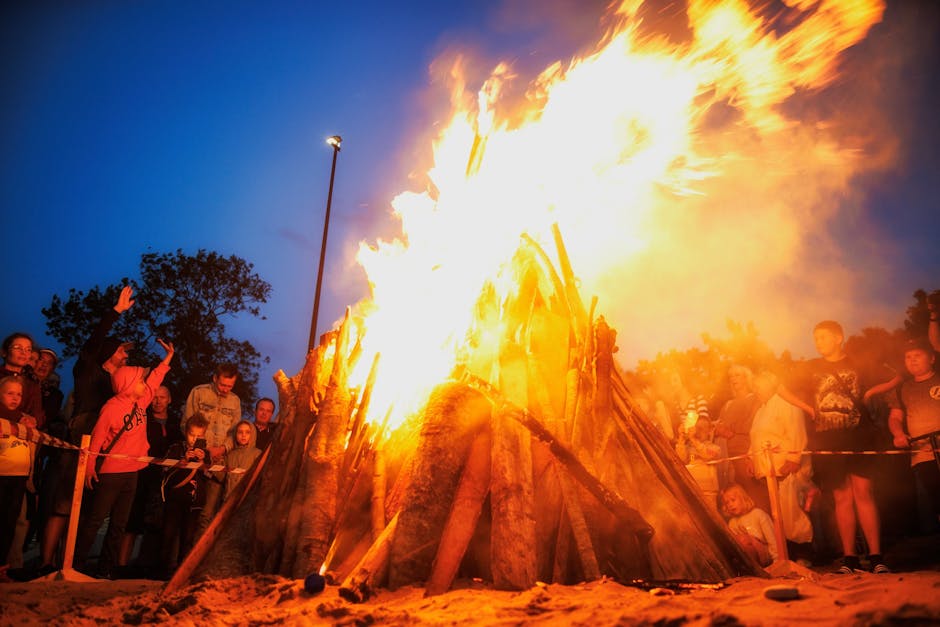
Throughout the afternoon and evening, neighbourhoods set up communal bonfires in plazas, parks, and on beaches. Residents bring old furniture, cardboard, and wood to burn. The bonfires are lit at dusk (around 9:30 to 10:00 PM in late June) and continue burning into the early morning.
Fireworks Everywhere
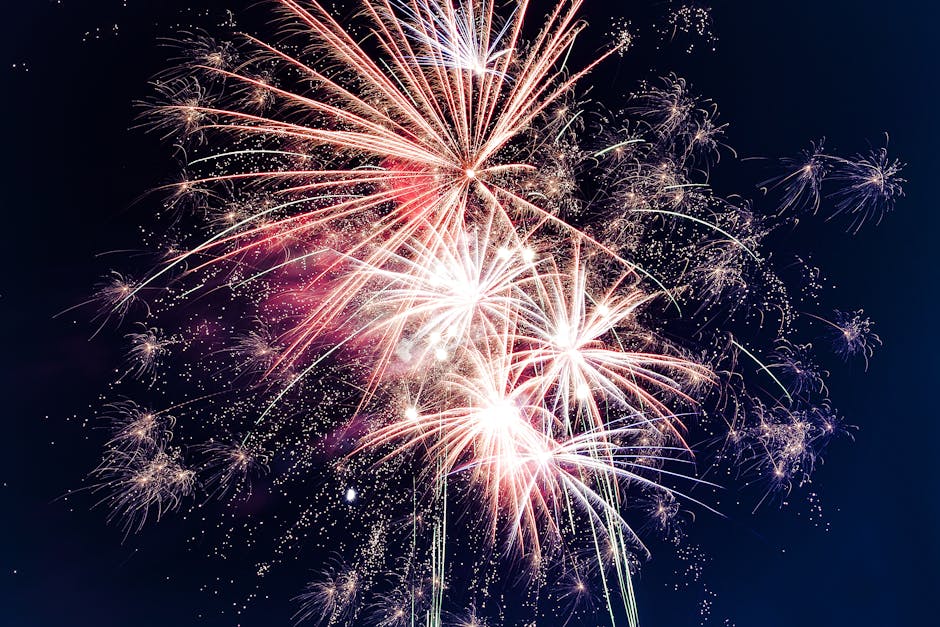
From 9:00 PM, fireworks start exploding across the city. By midnight, the sky is a constant chaos of flashes, bangs, and sparkling rockets. Catalans buy fireworks at temporary licensed stalls (parades) that pop up in early June. Most households have their own stash. The result is unlike any other festival: the entire urban area becomes a 360-degree firework show.
The Beach Party
The beaches are the epicentre. Barceloneta, Bogatell, Mar Bella, and Nova Mar Bella all host massive informal celebrations. Bonfires dot the sand, sound systems pump music, and tens of thousands of people swim, drink, dance, and watch fireworks from midnight to dawn. The party is mostly Catalan and Spanish residents, with a smaller proportion of tourists than other festivals.
The Coca de Sant Joan
The traditional pastry of the night is the Coca de Sant Joan: a flat sweet bread topped with candied fruit and pine nuts. Catalan bakeries (forns) prepare them in the days leading up to Sant Joan. Buy one in the morning of the 23rd; it should be eaten the same day.
Cava and Communal Meals
Many neighbourhoods organise communal dinners in the streets, with long tables, simple Catalan food (pa amb tomaquet, cured meats, salads, coca), and bottles of cava. The atmosphere is relaxed and welcoming.
Castells and Music
Some neighbourhoods host human towers (castells), traditional Catalan dance, and concerts. The Born Cultural Centre and Plaça del Sol in Gracia are reliable hubs.
Where to Be on Sant Joan Night
The Beaches
The most spectacular setting. Bonfires, fireworks, swimming under the stars, and the Mediterranean horizon dotted with boat lights.
- Barceloneta: The most central and most crowded.
- Bogatell: Wider, more breathing room, equally lively.
- Mar Bella: Younger crowd, more bohemian.
- Nova Mar Bella: Quieter, family-friendlier.
The Neighbourhoods
- Gracia: Some of the city’s biggest neighbourhood bonfires. Plaça del Sol and Plaça de la Vila de Gracia are the centres.
- Poble Sec: Local feel with fireworks-heavy plazas.
- Sants: Working-class neighbourhood with traditional bonfires.
- El Raval: Multicultural celebration with a bohemian edge.
- El Born: Smaller, more intimate gatherings.
The Hilltops
For the panoramic view, the Bunkers del Carmel and the Park Guell free area give you a 360-degree view of fireworks across the city. Bring a picnic and arrive by 9:00 PM.
The Old Port and Marina
Boats anchored in the harbour set off their own fireworks. The view from the boardwalk near the W Hotel or the Olympic Marina is spectacular.
Practical Tips for Sant Joan Night
What to Bring
- Cotton clothing: No synthetics. Sparks and stray fireworks are real risks.
- Closed-toe shoes: The sand and streets are full of broken glass and cardboard.
- A light jacket: Late June nights are cool by the sea.
- Water bottle: Hydrate; the night is long.
- Coca de Sant Joan: Buy one to share.
- Cava: Bring a bottle.
- Cash: Some street vendors are cash-only.
- Phone with charger: Long night.
- Towel and swimsuit: Many people swim at midnight.
- Earplugs (optional): Fireworks are constant.
Safety
- Stand back from amateur fireworks. The risk of injury from poorly-aimed rockets is real; about 50 to 100 people are treated at hospitals each year.
- Don’t pick up fireworks. Even discarded ones can be dangerous.
- Watch children carefully. Crowded beaches with bonfires are not safe for young kids past midnight.
- Wear cotton. Synthetic fabrics melt and can stick to skin.
- Don’t swim alone after midnight. Tides and exhaustion are real.
- Pickpocketing is real. Use front pockets and zipped bags.
- Hospital emergency lines work normally. 112 for emergencies.
- Public transport ramps up. Metro runs all night. Night buses operate.
Etiquette
- Respect local communities. Don’t crash family dinners.
- Don’t take photos of strangers without asking.
- Leave the beach as you found it. Catalans are particular about this.
- Speak Catalan or Spanish if you can: “Bona revetlla” (good festival eve) goes a long way.
- Buy fireworks only from licensed stalls.
- Don’t wake neighbours after 4:00 AM.
- Recycle.

Sample Sant Joan Plan
Morning (23 June)
- 9:00 AM: Coffee and pastry.
- 10:00 AM: Visit a Catalan bakery to buy a Coca de Sant Joan.
- 11:00 AM: Optional sightseeing.
Afternoon
- 1:30 PM: Long lunch.
- 4:00 PM: Watch the Flame of Canigo arrive at Plaça Sant Jaume.
- 5:00 PM: Buy supplies (drinks, snacks, sparklers if desired).
- 6:00 PM: Rest or hotel break.
Evening
- 8:00 PM: Light dinner.
- 9:00 PM: Head to a beach or neighbourhood plaza.
- 9:30 PM: Bonfires lit; fireworks start.
- 11:00 PM: Peak energy; communal meals at neighbourhood gatherings.
- Midnight: Swim if at the beach; the moment of midnight is symbolic.
- 2:00 AM: Continue or move to a quieter spot.
- 4:00 AM: Many parties wind down; some continue to dawn.
- 6:00 AM: Sunrise on the beach is the traditional close.
Sant Joan with Children
Sant Joan is intense but family-friendly until about 10:30 PM. The early bonfires (8:00 to 10:00 PM) work for older children; the constant fireworks may scare toddlers and dogs. Many families:
- Take young children to a small neighbourhood plaza for early fireworks (8:30 to 9:30 PM).
- Have an early dinner together.
- Return home before 10:30 PM as the loud fireworks intensify.
- Older teens often continue to the beach with friends.
For a family-focused stay during festival time, see our family activities Barcelona guide.
Sant Joan Specific Plans
The First-Timer’s Plan
- Spend the early evening in a Gracia or Born plaza for the neighbourhood feel.
- Walk to Bogatell or Barceloneta beach by 11:00 PM.
- Watch the midnight fireworks and bonfires.
- Walk the boardwalk back to Plaça Catalunya for the all-night metro home.
The Romantic Plan
- Long dinner at a tasting-menu restaurant.
- Walk to a quieter beach (Mar Bella or Nova Mar Bella).
- Find a quiet stretch with a bottle of cava.
- Watch fireworks from 11:00 PM.
- Swim at midnight.
- Walk back along the boardwalk for sunrise.
The Local-Style Plan
- Join a neighbourhood bonfire at 9:00 PM.
- Eat with the locals at a communal table.
- Move to the beach around midnight.
- Continue dancing until dawn.
- Sunrise breakfast at a churreria.
The Hilltop Spectator Plan
- Climb to Bunkers del Carmel by 9:00 PM with a picnic.
- Watch the fireworks across the entire city from the panoramic terrace.
- Descend after midnight when the displays peak.
Where to Stay for Sant Joan
Hotels book up months in advance for Sant Joan and Primavera Sound (which often falls just before). Recommended areas:
- Vila Olimpica or Diagonal Mar: Walking distance to the beaches.
- Eixample or Gothic Quarter: Central and walkable to neighbourhoods.
- Gracia: Authentic neighbourhood feel.
- Avoid hotels far from the metro. The all-night service is essential.
Sant Joan vs. Other Catalan Festivals
- Sant Jordi (23 April): Day of books and roses; gentle, romantic. See our Sant Jordi guide.
- Sant Joan (23 June): Wild midsummer night with bonfires and fireworks.
- La Merce (mid-late September): Biggest civic festival; week-long. See our La Merce guide.
- Festa Major de Gracia (mid-August): Decorated streets in one neighbourhood for one week.
- La Diada (11 September): National day; political and reflective.
Sant Joan Outside Barcelona
Sant Joan is celebrated across Catalonia. The biggest celebrations outside Barcelona:
- Valencia and Alicante: Their version is called Hogueras de San Juan and is one of Spain’s biggest festivals.
- Sitges: Beach bonfires draw a Barcelona-equivalent crowd.
- Costa Brava villages: Smaller but charming.
Frequently Asked Questions
Is Sant Joan a public holiday?
Yes. 24 June (the day after the night) is a public holiday in Catalonia. Most shops, banks, and offices close.
Is Sant Joan safe?
Generally yes, but the constant amateur fireworks pose a real injury risk. Stay alert and follow safety tips.
What time does it start?
The official ceremonies start at 4:00 PM (Flame of Canigo); fireworks ramp up from 8:00 PM; bonfires lit at dusk; peak energy from 11:00 PM to 2:00 AM.
What time does it end?
Most parties wind down by 4:00 AM; some continue to sunrise.
Do I need tickets?
No. Almost everything is free public street and beach festivities.
Is Sant Joan crowded?
Yes, especially the beaches. Expect tens of thousands of people on Barceloneta alone.
Can I bring children?
Yes for the early evening (8:00 to 10:00 PM); not recommended for young children after 10:30 PM.
What should I wear?
Cotton (no synthetics). Closed-toe shoes. Light jacket for the cool sea breeze.
Where can I buy a Coca de Sant Joan?
Any Catalan bakery (forn) on the days leading up to and on 23 June. Forn Mistral and Caelum are reliable.
Are restaurants open on Sant Joan night?
Yes, many. Reservations essential.
Is the metro running?
Yes, all night. The L4 yellow line serves the beaches.
What if it rains?
Most beach activities continue in light rain; heavy rain shifts the party indoors and to neighbourhood plazas with covered areas.
Is it crowded with tourists?
Less than other festivals. Sant Joan is primarily a Catalan-Spanish celebration.
Where can I see the Flame of Canigo arrive?
Plaça Sant Jaume in front of the Generalitat, around 4:00 PM on 23 June.
Are there organised events?
Many neighbourhood committees organise community dinners, music, and small fireworks displays. The official city programme is published in early June.
Is Sant Joan family-friendly?
Until about 10:30 PM yes. After that the noise and crowds become overwhelming for young children.
Final Thoughts: A Night Unlike Any Other
If your trip falls on or around 23 June, build your night around sant joan barcelona. The combination of bonfires, fireworks, beaches, and communal energy creates a memory that lasts decades. Bring cotton clothes, comfortable shoes, a camera, and enough cava to share, and step into the most uninhibited night in the Catalan calendar.
For more, see our Barcelona festivals pillar, the La Merce guide, the Sant Jordi guide, and the Primavera Sound guide. To plan a trip around the festival, our 3-day Barcelona itinerary works well as a structure with Sant Joan slotted in as the evening highlight.
In 2027 the Revetlla de Sant Joan falls on the night of Wednesday 23 June, with Thursday 24 June a public holiday, and it lands in the middle of Barcelona’s busiest festival month. Our Barcelona in June guide covers the rest of the month, from the weather and the sea temperature to Primavera Sound, Sónar, the crowds and prices, and how to plan a day around the heat.