Why Besalú Is the Most Photogenic Day Trip from Barcelona
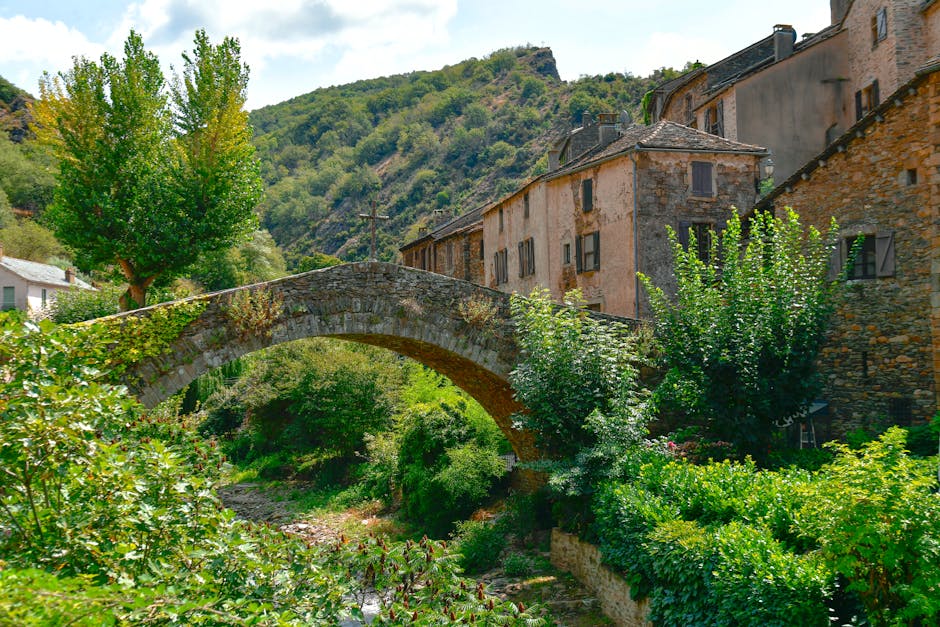
One hour and forty-five minutes north of Barcelona — past Girona, into the foothills of the eastern Pyrenees — sits Besalú, a 10th-century medieval village perched on a riverbank. The Pont Vell (Old Bridge) is one of Europe’s most photographed Romanesque bridges: a fortified 12th-century stone span across the Fluvià River with two defensive towers and seven arches. The town’s medieval Jewish bath (one of the oldest mikvehs in Europe) and intact synagogue remains predate most surviving Jewish heritage on the Iberian peninsula. The cobbled streets, Romanesque churches, defensive walls, and the surrounding Garrotxa volcanic landscape combine to make Besalú feel less like a town and more like a perfectly preserved medieval set piece. Add the option to combine Besalú with two or three other medieval villages (Castellfollit de la Roca on volcanic basalt cliffs, Rupit, Santa Pau in the volcanic park), and the day delivers more atmospheric variety than nearly any other Catalan day trip. This complete guide to besalu day trip from barcelona covers the history, the bridge, the Jewish heritage, food, transport, and the medieval villages worth combining.
Quick Facts About Besalú
- Location: La Garrotxa region of north-east Catalonia.
- Distance from Barcelona: 130 km north; 1 hr 45 min by car.
- Population: 2,500 (small medieval village).
- Founded: Roman origins; documented from 9th century AD.
- Historical importance: Capital of an independent county (897-1111 AD); Jewish heritage among the oldest in Europe.
- UNESCO status: The town is a designated National Historic-Artistic Site.
- Best for: Photography; medieval atmosphere; food; combined with Garrotxa volcanic park.
The Pont Vell (Old Bridge): The Town’s Icon
The 12th-century Romanesque bridge spans the Fluvià River and serves as the town’s main entrance. Features:
- Length: 105 metres.
- Arches: Seven; varying spans.
- Defensive towers: Two — a triangular gateway and a square fortified tower.
- Date: Built between 12th and 14th centuries.
- Restorations: Damaged repeatedly by floods; restored most recently in 1965 after being blown up during the Spanish Civil War.
- Photo angle: The classic shot is from the river bank to the south of the town, looking toward the bridge with the medieval village rising behind.
Crossing the bridge on foot delivers the same experience medieval traders had — the bridge connects the Romanesque town centre to the southern outskirts.
Medieval Jewish Heritage
The Mikveh (Jewish Ritual Bath)
Discovered in 1964 and now restored. The mikveh is a Jewish ritual immersion bath used for spiritual purification. The Besalú mikveh — dating from the 12th-13th century — is one of the only surviving medieval mikvehs in Europe. The architectural detail (Romanesque vaulting, stone steps descending to spring water) is exceptional. Free to enter; small donation appreciated.
The Synagogue Remains
Adjacent to the mikveh; partial walls of the 13th-century synagogue. The Jewish quarter (call) of Besalú thrived 1100-1391; the 1391 anti-Jewish pogrom destroyed much of the community.
The Jewish Quarter (Call)
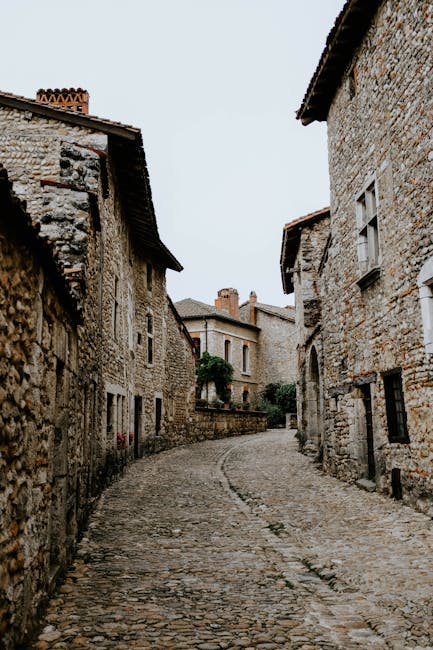
Walk the narrow lanes of the medieval Jewish quarter. The medieval Jewish butchery (carnisseria), the ritual bath, and several houses with surviving Hebrew architectural features.
Romanesque and Gothic Churches
Church of Sant Vicenç
12th-century Romanesque church on the main square. Striking entrance arch with carved decorative elements; quiet interior; small Romanesque cloister.
Monastery of Sant Pere
Founded in 977 AD; among the oldest monasteries in Catalonia. The 11th-century Romanesque church remains; the abbey was secularised in 1835. Walk the grounds; the church is occasionally open.
Church of Santa Maria
13th-century church now serving as the parish.
Other Medieval Sights
Old Town Walls
12th-century defensive walls partially intact; you can walk along sections and see the original gateways.
The Jewish Quarter (Call)
Mentioned above; walking the medieval lanes is the experience.
Casa Cornellà
Romanesque civil building (12th century); among the oldest surviving secular medieval buildings in Catalonia.
Plaça Major (Main Square)
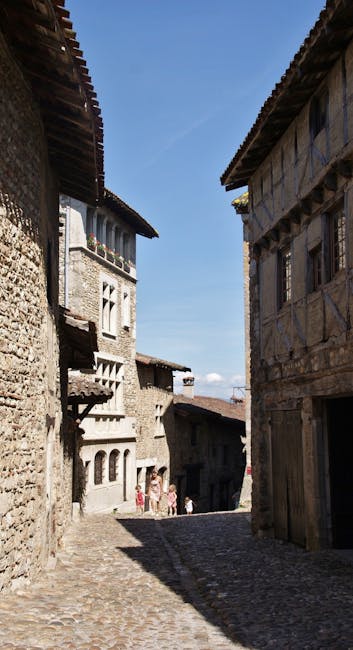
The medieval town centre; surrounded by stone buildings; cafes and tourist shops.
Plaça de Sant Pere
Main square in the lower town; Sant Pere monastery on one side.
How to Get to Besalú
By Car (Most Practical)
- From Barcelona: 1 hr 45 min via AP-7 motorway (toll ~12 EUR each way) plus C-66 secondary road.
- Parking: Free public parking on the south side of the bridge; walk into town.
- Best for: Combined trips with other Garrotxa villages.
By Bus
- From Barcelona Estació del Nord: TEISA bus to Olot; change to local bus to Besalú. Total journey 2-3 hours.
- Cost: 16-22 EUR each way.
- Limited departures: 3-4 times daily; check timetables.
By Train + Bus
- AVE to Girona: 38 min (30-50 EUR each way).
- Bus from Girona to Besalú: 30 min (5-8 EUR each way).
- Practical for: Combining Besalú with a Girona morning visit.
Guided Day Tours from Barcelona
The most popular option. Several operators (Inout Barcelona Tours, Catalunya Bus Turistic, GetYourGuide partners) run small-group day trips combining Besalú with 1-3 other medieval villages or the Garrotxa volcanic park.
- Cost: 75-110 EUR per person.
- Inclusions: Hotel pickup, guide, transport, walking tour of each village.
- Duration: 8-10 hours.
- Group size: 8-25 people typically.
Combining with Other Medieval Villages
Castellfollit de la Roca
15 km from Besalú. Tiny village (1,000 inhabitants) perched on basalt cliffs above two converging rivers. The dramatic location — the village is built on top of a 50-metre vertical basalt wall — makes it one of Catalonia’s most photographed scenes. 30-minute visit suffices for the basalt-cliff viewpoint.
Santa Pau
15 km from Besalú in the Garrotxa volcanic park. Medieval walled village built around a 13th-century castle. Very small but charming. The volcanic park surrounding it (volcano cones, lava landscapes) is itself a half-day exploration.
Olot
The largest town in Garrotxa; 25 km from Besalú. Known for its 19th-century landscape painters (Olot School); art museum; less touristy than Besalú but lacks the atmospheric medieval charm.
Rupit
Further afield (50 km); medieval village with stone houses; in the Collsacabra range. A full day if combined with one or two others.
Vic
Medium-sized historic city; 25 km south of Besalú. Roman temple, medieval churches, weekly market. A good full-day visit on its own.
Tavertet
Tiny village above a 200-metre cliff face; hiking access; combined with Rupit.
The Garrotxa Volcanic Park
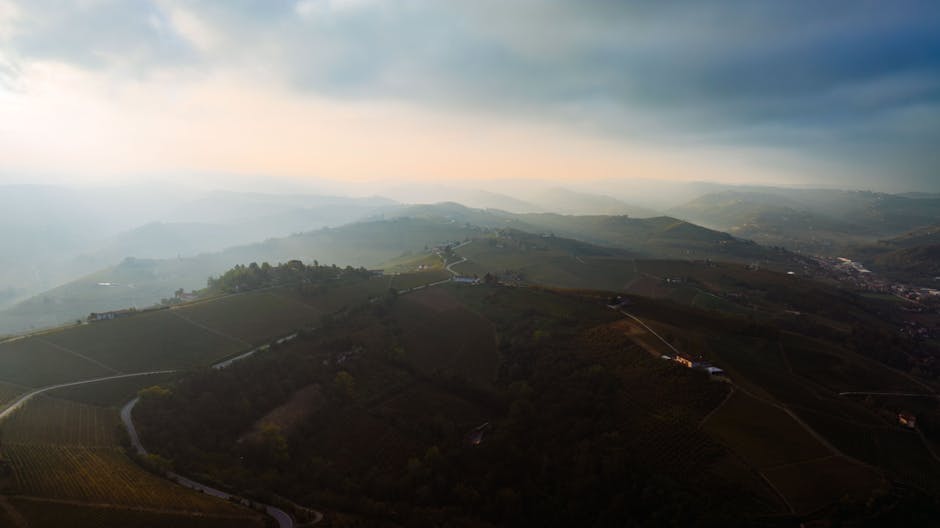
Besalú sits on the eastern edge of the Garrotxa Volcanic Natural Park — Spain’s most important volcanic landscape. 40+ volcano cones; lava-formed valleys; beech forests. Hiking trails range from 30-min strolls to 6-hour mountain walks. The volcanic activity ended around 11,000 years ago but the landscape remains startlingly recent in geological terms.
Top Park Activities
- Volcán Croscat (Croscat Volcano): The youngest volcano in the park; spectacular crater walk (1 hour).
- La Fageda d’en Jordà: Famous beech forest growing on lava; magical, especially in autumn.
- Volcán Santa Margarida: Volcano cone with a Romanesque hermitage at the top.
- Hot air balloon rides: Available from Olot; spectacular volcanic-landscape views.
- Pilgrim trails: Several connecting medieval villages.
Where to Eat in Besalú
Curia Reial
The town’s most established refined restaurant. Catalan country cooking; refined seasonal menu; 50-75 EUR per person. Located in a 12th-century building.
Restaurant Pont Vell
Mid-range; views of the famous bridge; 35-50 EUR per person.
Restaurant Cúria
Smaller refined option; 40-55 EUR.
Plaça Major Cafes
Several casual options for coffee and tapas (12-25 EUR per person).
Local Specialties
- Local Catalan country cuisine: Hearty stews, butifarra (Catalan sausage), cured meats.
- Wild mushrooms (autumn season): Local specialty.
- Patates emmascarades: Catalan farm-style potatoes.
- Beans (mongetes): Local Garrotxa beans served with sausage.
- Coca de recapte: Catalan flatbread with vegetables and anchovies.
Sample Day Trip Itinerary
Self-Drive (Full Day)
- 8:00 AM: Drive from Barcelona; AP-7 north.
- 9:45 AM: Arrive Besalú; park near the bridge.
- 10:00 AM: Walk the Pont Vell; photograph from south bank.
- 10:30 AM: Mikveh and Jewish quarter visit.
- 11:30 AM: Old town walking — Plaça Major, Sant Vicenç church, Monastery of Sant Pere.
- 12:30 PM: Coffee on Plaça Major.
- 1:30 PM: Lunch at Curia Reial or Restaurant Pont Vell.
- 3:00 PM: Drive 15 min to Castellfollit de la Roca; photograph the basalt cliffs.
- 4:30 PM: Drive 20 min to Santa Pau; walk medieval village.
- 5:30 PM: Drive back via Garrotxa park; quick stop at Volcán Croscat or La Fageda.
- 7:30 PM: Drive back to Barcelona.
- 9:15 PM: Arrive Barcelona; late dinner.
Guided Tour (8-10 Hours)
- 8:00 AM: Hotel pickup.
- 9:30 AM: Arrive first stop (typically Vic for breakfast and Roman temple).
- 11:00 AM: Drive to Castellfollit de la Roca.
- 12:00 PM: Drive to Besalú; walking tour.
- 2:00 PM: Lunch in Besalú.
- 4:00 PM: Optional Santa Pau or Garrotxa park stop.
- 6:30 PM: Return to Barcelona.
Best Times to Visit
- Spring (April-June): Wildflowers; volcanic park lush; comfortable for walking.
- Autumn (September-November): Best beech forest colour; mushroom season.
- Summer (July-August): Hot but tolerable; morning visits work.
- Winter (November-March): Quiet; cold; some restaurants reduce hours.
- Avoid: Saturdays in summer (most crowded).
Where to Stay (If Overnight)
In Besalú
- Hotel Pont Vell: Stylish 4-star in restored medieval building; 120-200 EUR/night.
- Casa Marcial: Boutique guest house in old town; 80-130 EUR.
- Hotel Cal Sastre: Mid-range with traditional rooms.
- Several casa rurals (rural guesthouses): 60-100 EUR.
In Olot
- Larger town with more hotel options.
- Convenient base for Garrotxa volcanic park exploration.
In Girona
- For travellers wanting medieval city + day trip combination.
- 40 minutes drive from Besalú.
Festivals and Events
- Medieval Fair (mid-September): Two-day festival with medieval costumes, jousting, music, and traditional crafts. Among Catalonia’s most atmospheric medieval recreations.
- Festes Major (September): Local saints’ celebration.
- Christmas market (December): Traditional crafts and food.
- Dijous Llarder Carnival (February): Local Carnival celebration.
Practical Tips
- The town is small — 2-3 hours covers all major sites.
- Self-drive is the most flexible option; gives you Garrotxa park access.
- Comfortable walking shoes — cobblestones throughout.
- Bring cash for small cafes and the mikveh donation.
- Photography permitted everywhere outside private homes.
- The bridge is best photographed in morning or late-afternoon light.
- Combine with at least one other village (Castellfollit de la Roca for visual contrast).
- Book Curia Reial restaurant ahead for weekend lunches.
- The synagogue and mikveh are quiet contemplative spaces — visit respectfully.
- The town is wheelchair-accessible at ground level; some streets are steep.
- Mosquitoes can be active in summer evenings near the river.
- The Garrotxa volcanic park has visitor information centres at Olot and the Croscat volcano entrance.
Frequently Asked Questions
Is Besalú worth the day trip?
Yes — among Catalonia’s most photogenic medieval villages.
How far is Besalú from Barcelona?
130 km; 1 hr 45 min by car.
What’s the famous bridge?
The Pont Vell — a 12th-14th century Romanesque bridge with two defensive towers.
Is the Jewish heritage authentic?
Yes — among the oldest surviving Jewish heritage on the Iberian peninsula.
Should I drive or take a tour?
Self-drive for flexibility; guided tour for ease (and to combine multiple villages).
What other villages are worth combining?
Castellfollit de la Roca (basalt cliffs); Santa Pau (medieval walled town); Vic (Roman temple).
How long do I need in Besalú?
2-3 hours covers the main sights; longer if eating lunch and combining with the volcanic park.
Is the volcanic park worth visiting?
Yes — Spain’s most distinctive volcanic landscape; combine with Besalú for a full day.
What’s the medieval fair?
Two-day festival in mid-September with costumes, jousting, music, traditional crafts.
Are there guided tours from Barcelona?
Yes — Inout Barcelona Tours and others offer 8-10 hour day trips with multiple villages.
Can I take public transport?
Yes — bus from Barcelona to Olot then local bus to Besalú; 2-3 hours each way.
Where should I eat?
Curia Reial (refined Catalan); Restaurant Pont Vell (mid-range with bridge views).
Should I stay overnight?
Yes if combining with Garrotxa park or other villages.
Is the bridge wheelchair-accessible?
Yes — flat surface; the old town has steeper streets.
What about photography?
The classic shot is from the river bank south of the town looking toward the bridge with the village behind.
How does Besalú compare to Girona?
Girona is larger and has more amenities; Besalú is smaller and more atmospheric.
Is the food good?
Yes — Catalan country cooking; mushrooms in autumn; local Garrotxa beans.
Can I bring kids?
Yes — the medieval atmosphere and bridge fascinate kids; the volcanic park has family-friendly trails.
What’s the best season?
Spring or autumn for colour and weather. Summer hot but tolerable; winter quiet.
Final Thoughts: A Medieval Day Trip Worth the Drive
The right approach to besalu day trip from barcelona is to combine it with one or two other Catalan medieval villages (Castellfollit de la Roca for basalt cliffs; Santa Pau for the volcanic park; Vic for the Roman temple). Self-drive gives the most flexibility; guided tours simplify logistics for travellers without cars. Plan to arrive at Besalú in mid-morning, walk the bridge, visit the mikveh, lunch in the old town, and explore the surrounding villages in the afternoon. The day delivers more atmospheric medieval Catalonia than virtually any other Barcelona day trip.
For more, see our day trips pillar, the Girona guide, the Dalí Museum guide, and the Costa Brava guide.