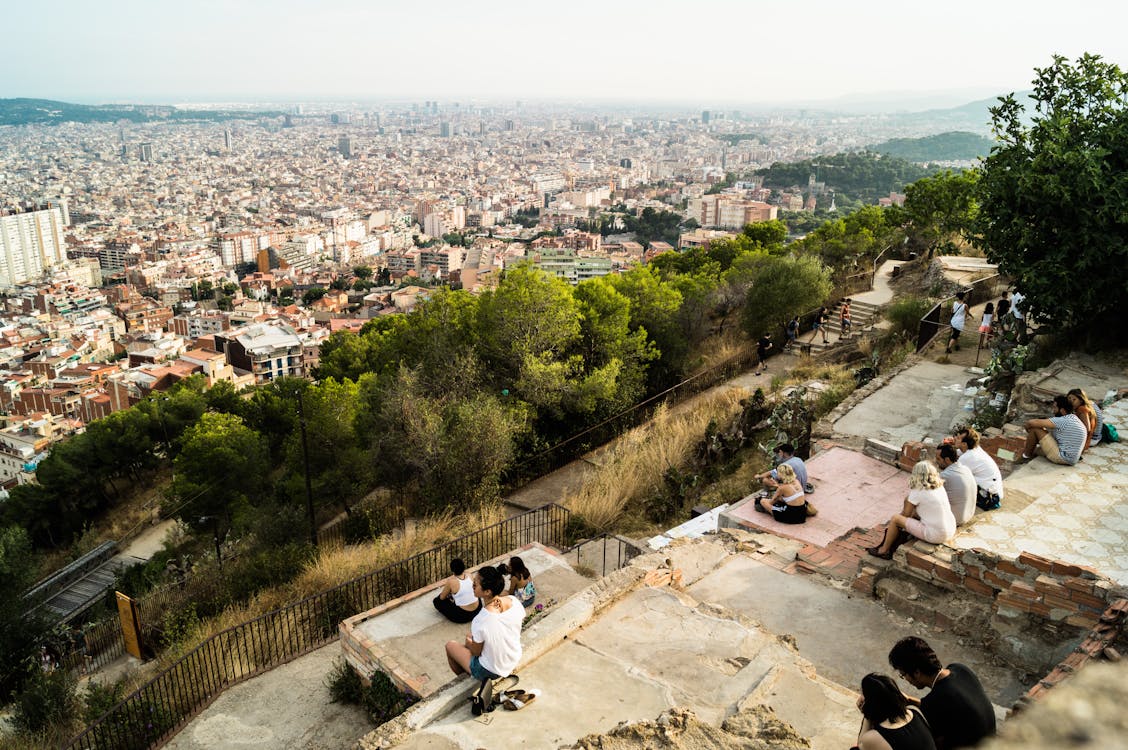
101 Best Things to Do in Barcelona: The Complete Activity Guide
Barcelona in 2026 is experiencing an extraordinary moment in time. As UNESCO’s World Capital of Architecture (February 12 – December 13, 2026), the Catalan capital is celebrating the 100th anniversary of Antoni Gaudí’s death, making this the year to explore things to do in Barcelona like never before. The iconic Sagrada Familia has just completed its Tower of Jesus Christ at 172.5 meters tall, featuring a stunning new observation deck. With over 1,500 multidisciplinary architecture activities scheduled throughout the year and the UIA World Congress of Architects arriving in June, Barcelona is positioned as the world’s premier destination for architecture lovers and culture seekers alike.
Whether you’re a first-time visitor planning your itinerary or a seasoned Barcelona explorer looking for fresh experiences, this comprehensive guide covers the best things to do in Barcelona across every category imaginable. From world-renowned architectural wonders to hidden neighborhood gems, from sophisticated museum experiences to vibrant beach culture—we’ve curated 101 essential activities that showcase why Barcelona consistently ranks among Europe’s most dynamic destinations. Read on to discover your perfect Barcelona experience.
Gaudí’s Architectural Masterpieces: The Heart of Things to Do in Barcelona
No exploration of things to do in Barcelona can begin anywhere else than with Antoni Gaudí, the visionary architect who transformed the city into an open-air museum of Modernisme. As 2026 marks the centenary of Gaudí’s death and Barcelona celebrates its UNESCO World Capital of Architecture status, visiting these masterpieces becomes a pilgrimage every traveler should undertake.
Sagrada Familia: The Newly Completed Tower of Jesus Christ
The Sagrada Familia isn’t just one of Barcelona’s most visited monuments—it’s one of the most extraordinary architectural achievements in human history. The basilica reached a historic milestone in February 2026 with the completion of the Tower of Jesus Christ, standing at 172.5 meters tall. This newly finished spire is now the tallest element of the basilica and offers visitors an unprecedented viewing experience from the new observation deck.
Begun by Gaudí in 1883, the Sagrada Familia represents an unfinished symphony—and that’s precisely what makes it so captivating. The basilica’s interior features eighteen soaring columns designed to resemble a forest canopy, with natural light filtering through stained glass that bathes the space in ethereal color. The ongoing construction process remains visible to visitors, allowing you to witness architectural evolution in real time.
Planning Your Visit: Book advance tickets through sagradafamilia.org to avoid queues (€26–€33 depending on tower access). Allow 2–3 hours for your visit. The climb to the observation deck offers panoramic city views. Visit early morning or late afternoon for better lighting and fewer crowds. The basilica operates daily from 9 AM–8 PM (extended hours during summer).
Casa Batlló: Gaudí’s Most Colorful Creation
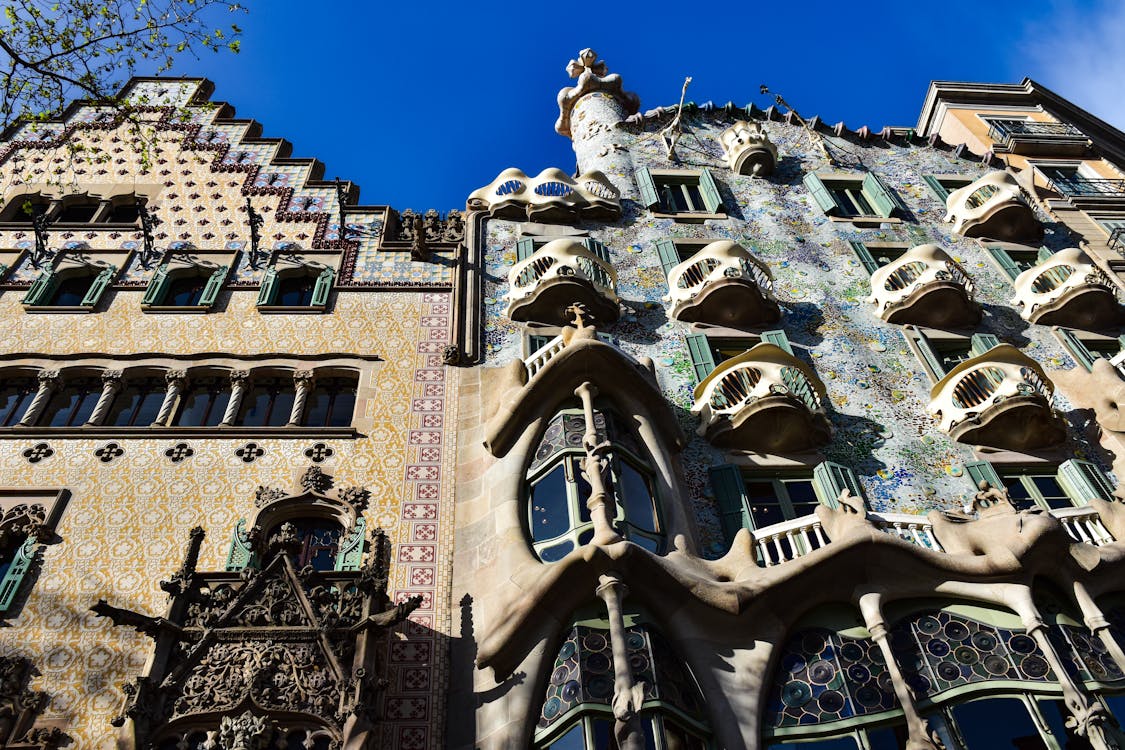
Casa Batlló exemplifies Gaudí’s mastery of organic forms and chromatic expression. The apartment building’s sinuous stone facade undulates like water, featuring a balcony system that resembles skeletal forms—a haunting beauty that once earned it the nickname “House of Bones.” The roof, covered with colorful ceramic tiles that represent a dragon’s back, is one of Barcelona’s most photographed rooflines.
In January 2026, Casa Batlló unveiled its “Beyond the Façade” exhibition, a new immersive experience designed specifically for Gaudí Year. This exhibition explores the interior spaces in unprecedented ways, combining original architectural elements with modern presentation techniques. The first floor’s main salon features spectacular stained glass and original furnishings, while the attic reveals Gaudí’s ingenious structural solutions—a series of catenary arches that distribute weight with stunning efficiency.
Planning Your Visit: Visit casabatllo.es for tickets (€28–€42, depending on experience level). The “Beyond the Façade” exhibition is included with admission. Plan 1.5–2 hours for your visit. Tuesday through Thursday mornings typically see smaller crowds. Night visits offer a magical atmosphere with artistic lighting that emphasizes the building’s sculptural qualities.
Park Güell: Whimsy in Stone and Tile
Perched on a hillside overlooking Barcelona, Park Güell initially seems more like a fairy tale landscape than an actual park. Gaudí’s vision for this private gated community (which failed commercially but succeeded artistically) created a dreamscape of colorful mosaics, sculptural forms, and organic geometry seamlessly integrated with nature.
The iconic terrace features the famous serpentine bench, a undulating seat decorated with vibrant “trencadís” mosaic—colorful ceramic shards arranged to create abstract patterns. The entrance pavilions, with their candy-like turrets and organic forms, immediately transport you into Gaudí’s imaginative realm. Walking through the park reveals constant surprises: stone archways that seem to grow from the ground, columns shaped like tree trunks, and platforms offering stunning views across the city to the Mediterranean.
Planning Your Visit: Book tickets through parkguell.barcelona in advance (€14–€20, free for children under 6). The main terrace (free access area) can be visited without a ticket, though the best views and photographic angles require paid admission. Morning visits (8–9 AM) offer the park at its most peaceful. Allow 1.5–2 hours for exploration. The park is wheelchair accessible via alternative routes.
La Pedrera: Where Technology Meets Organic Design
Casa Milà, affectionately known as La Pedrera (“The Stone Quarry”), showcases Gaudí’s most daring residential design. The building’s undulating facade lacks any straight lines, creating an effect of stone waves frozen in motion. The wrought-iron balconies, designed by Josep Maria Jujol, resemble tangled seaweed or undulating ribbons—pure sculptural poetry in iron.
The rooftop is an adventure in itself—a landscape of whitewashed chimney stacks and ventilation shafts that resemble an avant-garde sculpture park. The interior apartments, while primarily private residences, occasionally offer viewing opportunities. The main floor’s exhibition space showcases the apartment as it would have appeared in Gaudí’s era, complete with period furnishings and original details.
Planning Your Visit: Tickets cost approximately €24–€32. The building is open daily 9 AM–6:30 PM (extended hours in summer). Night tours are particularly atmospheric, with artistic lighting that emphasizes the building’s sculptural drama. Expect to spend 1–1.5 hours. The building is largely wheelchair accessible on the ground floor and main exhibition areas.
Historic Neighborhoods: Discovering Authentic Barcelona
While Gaudí’s architectural creations draw the crowds, the true spirit of Barcelona lives in its neighborhoods. Among the best things to do in Barcelona is simply wandering these ancient quarters, getting lost in winding streets, and discovering hidden plazas, local tapas bars, and centuries-old traditions. Each neighborhood tells a different chapter of Barcelona’s rich history.
Gothic Quarter (Barri Gòtic): Medieval Barcelona Preserved
The Gothic Quarter, the oldest section of Eixample and the medieval heart of Barcelona, feels like stepping into the 14th century. Narrow, shadowed streets wind between soaring Gothic buildings, many dating back to the 1300s and 1400s. The Cathedral of the Holy Cross and Saint Eulalia dominates the quarter’s center—a magnificent Gothic structure whose construction began in 1298 and continued for nearly 200 years.
Wandering through the Gothic Quarter reveals constant surprises: hidden plazas like Plaça Reial with its elegant arcades, the atmospheric Royal Palace (Palau Reial), atmospheric medieval streets that feel frozen in time, and dozens of small museums, art galleries, and craft shops tucked into ancient buildings. The quarter’s narrow streets provide welcome shade during hot summer months and create an intimate, discovery-driven exploration experience.
Things to Do Here: Visit the Cathedral (free entry to main church, €3 donation requested; 8–9:30 AM is the quietest time). Explore Plaça Reial and watch street performers. Browse vintage clothing shops and art galleries. Stop at traditional tapas bars (many have stood in the same location for decades). Join a free walking tour to learn the quarter’s history. Climb the Cathedral’s tower for city views.
El Born: Bohemian Charm and Contemporary Art
Once a working-class medieval neighborhood, El Born has transformed into Barcelona’s most fashionable quarter without losing its authentic character. This is where Barcelona’s young professionals, artists, and creatives congregate—browsing independent boutiques, sipping craft coffee in converted Gothic buildings, and dining in Michelin-starred restaurants housed in 15th-century structures.
The neighborhood centers around the Gothic Santa Maria del Mar basilica, one of Barcelona’s most beautiful churches, featuring soaring columns and spectacular rose windows. The surrounding narrow streets branch off into hidden galleries, concept stores, and cozy wine bars. The hidden gems of El Born include converted palaces-turned-museums and courtyard cafes tucked away from street level.
Things to Do Here: Visit the Picasso Museum, housed in several medieval palaces. Explore Carrer del Bisbe’s Gothic arcades and bridges. Browse independent fashion boutiques and design shops. Experience the neighborhood’s excellent dining scene (from pintxos bars to fine dining). Attend evening classical concerts at Santa Maria del Mar.
Gràcia: Village Vibes Inside the City
Gràcia retains the character of an independent village despite being absorbed into Barcelona proper over a century ago. Its charming squares are filled with local bars and cafes, while its streets feature independent bookstores, vintage clothing shops, and small galleries. This neighborhood is where Barcelona’s residents come to relax, not where tourists come to see sights—which makes it perfect for experiencing authentic local life.
Plaça del Sol, Plaça de la Virreina, and Plaça de diamant each serve as neighborhood hubs, lined with outdoor tables where locals linger over coffee and conversation. The neighborhood hosts a renowned summer festival featuring concerts, theater, and performances across multiple plazas simultaneously—a uniquely Barcelona experience that captures the city’s creative energy.
Things to Do Here: Relax with coffee at a neighborhood cafe (most significantly cheaper than tourist areas). Browse independent shops and galleries. Attend neighborhood festivals and cultural events. Explore the bohemian residential streets. Dine at local restaurants serving contemporary Catalan cuisine. Join locals for evening drinks in the plazas.
El Raval: Art, Culture, and Urban Regeneration
El Raval represents Barcelona’s commitment to urban renewal and cultural development. Once known for its seedier reputation, the neighborhood has transformed dramatically through strategic cultural investments and community development. The white rectangular bulk of the MACBA (Museum of Contemporary Art) anchors the district, with its sloped facade serving as an informal skate park where local youth gather for tricks and socializing.
Walking through El Raval reveals the city’s multicultural character—immigrant communities, street art covering entire buildings, vintage record shops, and alternative cultural spaces. The neighborhood doesn’t have the manicured charm of the Gothic Quarter or Gràcia, but that’s precisely what makes it feel authentic and vital—this is contemporary Barcelona, dynamic and still evolving.
Things to Do Here: Visit MACBA’s contemporary art exhibitions (free entry to atrium; museum tickets approximately €18). Watch skateboarders on the MACBA plaza. Explore street art and urban murals. Browse vintage record and book shops. Experience the multicultural dining scene. Visit the Church of Sant Antoni Abat (free, beautiful Gothic architecture).
Museums and Cultural Experiences for Every Interest
Barcelona’s world-class museums represent some of the finest things to do in Barcelona for culture seekers. The city punches well above its weight in terms of art collections, architectural museums, and specialized institutions that rival those of much larger cities. Whether your passion is Picasso, contemporary art, or Catalan design, Barcelona delivers comprehensive experiences.
Museum of National Art of Catalonia (MNAC)
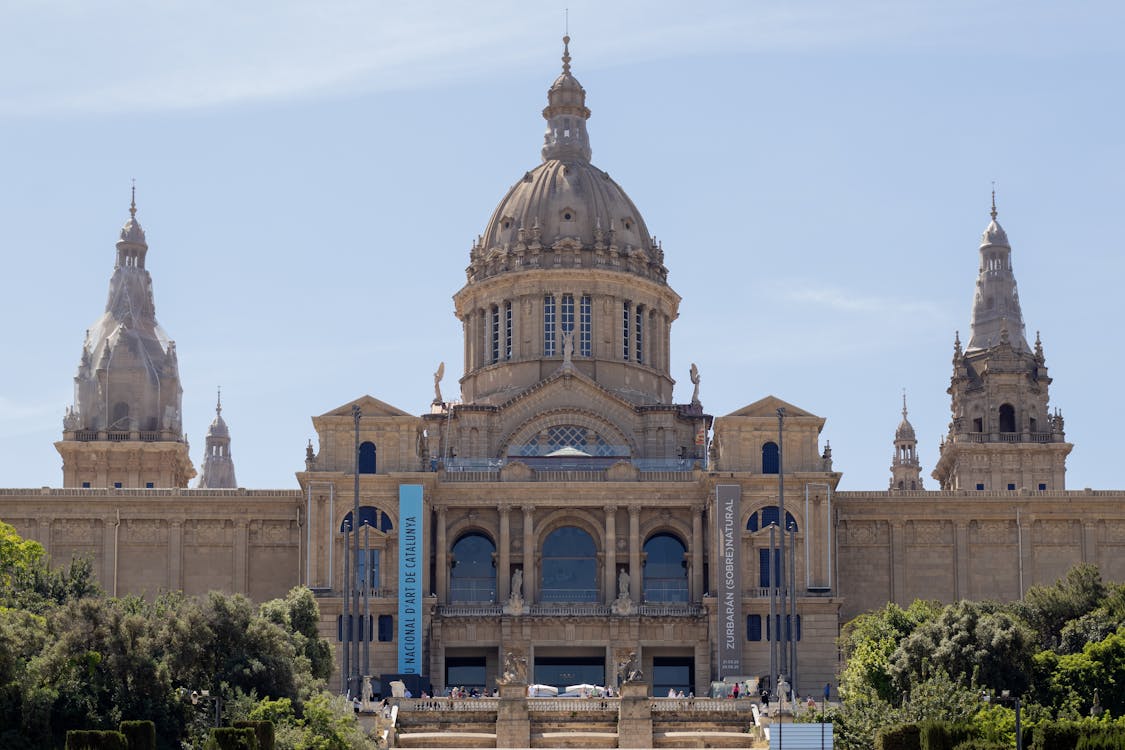
Housed in the stunning Palau Nacional atop Montjuïc hill, MNAC contains one of the world’s finest collections of Romanesque art, alongside impressive medieval, Gothic, and Renaissance galleries. The collection’s breadth—spanning the 11th through early 20th centuries—provides a comprehensive view of Catalan and Spanish artistic achievement.
The Romanesque collection is particularly extraordinary, featuring frescoes, icons, and altarpieces from Catalonia’s mountain churches, many restored to their original brilliance. The Gothic galleries showcase devotional panels and sculptures demonstrating the region’s artistic sophistication during the medieval period. The building itself, with its grand entrance staircase and impressive dome, makes a statement about the importance of art to Catalan identity.
Planning Your Visit: Tickets cost €15 (€12 reduction, free on first Sunday of month). Hours are Tuesday–Saturday 10 AM–6 PM, Sunday 10 AM–3 PM (closed Mondays). Plan 2–3 hours for your visit. The interior staircase provides dramatic photo opportunities. The rooftop terrace offers city views and a cafe.
Picasso Museum: One of the World’s Most Comprehensive Picasso Collections
Barcelona’s Picasso Museum ranks among the world’s finest dedicated to a single artist, particularly strong in Picasso’s early and formative years. The museum’s particular genius is showing how Picasso evolved from his Blue Period through to his revolutionary development of Cubism. Housed in several interconnected medieval palaces in El Born, the museum creates an intimate, discovery-driven experience.
The collection emphasizes Picasso’s Barcelona connections—he spent his youth here (1895–1904), and the city profoundly influenced his artistic development. Beyond the artworks themselves, the building interiors are beautiful, with Gothic arches, interior courtyards, and period architectural details that enhance the contemplative museum experience.
Planning Your Visit: Tickets cost €14 (€7 reduction, free after 7 PM Thursday). Hours are Tuesday–Sunday 9 AM–7 PM, Thursday 9 AM–9:30 PM (closed Mondays). Tuesday to Thursday evenings are less crowded. Plan 1.5–2 hours for a meaningful visit. The museum’s location in El Born makes it easy to combine with neighborhood exploration.
Fundació Joan Miró: A Masterpiece in Modern Art Display
Joan Miró, the Catalan surrealist artist, achieved international fame while maintaining deep roots to his Barcelona homeland. The Fundació Joan Miró, designed by architect Josep Lluís Sert and located on Montjuïc, houses the world’s most comprehensive collection of Miró’s works—over 11,000 pieces, with rotating exhibitions ensuring repeat visits reveal new discoveries.
The museum building itself is a masterpiece of modernist architecture, with clean lines, abundant natural light, and exhibition spaces that beautifully showcase the artworks. Miró’s evolution from early paintings through his abstract works, sculptures, ceramics, and graphic design pieces tells a comprehensive artistic narrative. The collection spans his entire creative life, revealing constant experimentation and an artist never satisfied with repeating previous achievements.
Planning Your Visit: Tickets cost €15 (€10.50 reduction, free for children under 14). Hours are Tuesday–Saturday 10 AM–7 PM, Sunday 10 AM–3 PM (closed Mondays). Plan 2–2.5 hours for a comprehensive visit. The museum’s location on Montjuïc pairs well with visits to MNAC and the Magic Fountain. Thursday evenings (until 9:30 PM) offer a quieter atmosphere.
CosmoCaixa: Science Meets Wonder
For a different museum experience, CosmoCaixa in the upper part of the city offers interactive science exhibitions that captivate both children and adults. The museum’s “Flooded Forest” recreates the ecosystem of an Amazonian rainforest, complete with 100 species of animals, unusual plant life, and controlled weather systems that produce actual rainfall within the museum space.
Beyond the permanent exhibits, the museum features rotating exhibitions on topics ranging from outer space to archaeological discoveries. The interactive nature of the displays makes it ideal for families, though the sophisticated science makes it equally rewarding for adult visitors seeking intellectual stimulation.
Planning Your Visit: Tickets cost €6–€10 depending on age and exhibitions. Hours are Tuesday–Sunday 10 AM–8 PM (closed Mondays). Plan 2–3 hours, depending on interest level. The museum includes a planetarium with shows throughout the day. Arrive early on weekends to avoid crowds.
Montjuïc Hill: Barcelona’s Cultural Crown Jewel
Rising dramatically above the city’s southwestern edge, Montjuïc serves as a comprehensive cultural destination unto itself. The hill hosts museums, gardens, historic monuments, and entertainment venues, making it one of Barcelona’s most multifaceted things to do. A single day could be spent entirely on Montjuïc without exhausting its attractions.
Magic Fountain of Montjuïc: Barcelona’s Nightly Spectacle
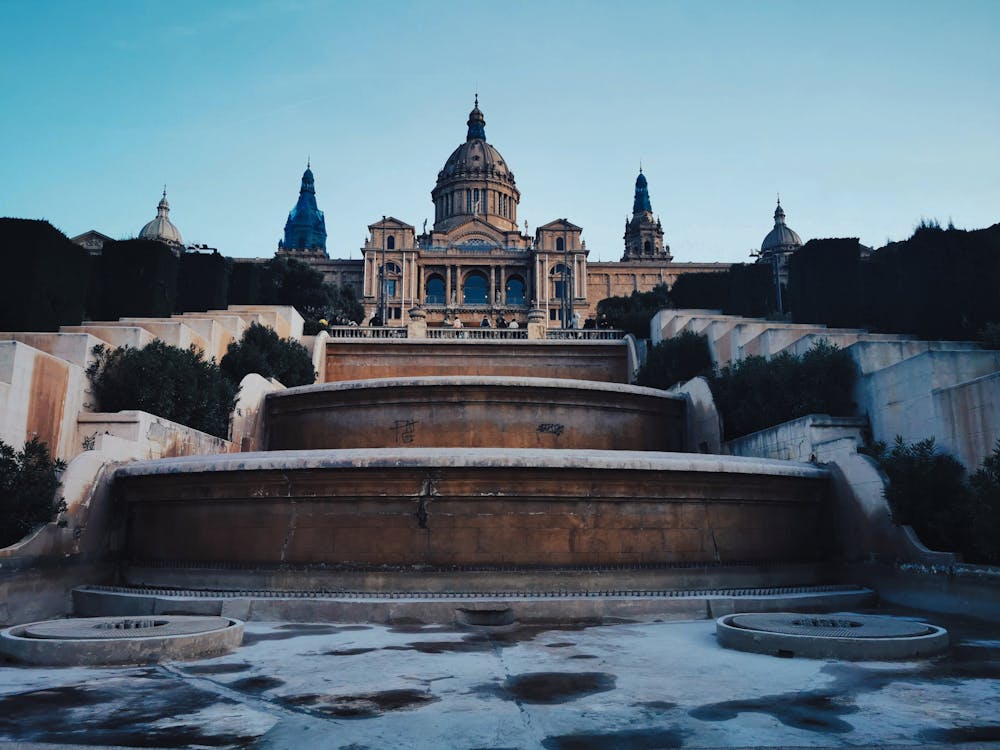
The Magic Fountain (Font Màgica) represents Barcelona at its most theatrical. This choreographed fountain show synchronizes thousands of water jets with music and colored lights, creating a spectacular display that has captivated audiences since it debuted in 1929. The fountain sits in front of the Palau Nacional, providing an impressive architectural backdrop for the performance.
The performances run Thursday through Sunday year-round, with extended schedules during summer months. Each show, lasting approximately 15 minutes, features a different musical program and choreography—attending multiple shows reveals the fountain’s remarkable variety. The experience is entirely free, with viewing areas accommodating thousands of visitors across multiple locations on the plaza.
Planning Your Visit: Shows begin at 9 PM Thursday–Sunday in winter (October–March) and 9:30 PM Thursday–Sunday in summer (May–September). Friday and Saturday often include extended hours. Arrive 20–30 minutes early for good viewing positions. The plaza offers various sightlines; the area directly in front provides the best fountain views, while side angles offer perspectives of the Palau Nacional. Bring a light jacket for evening breezes.
Montjuïc Castle: Historic Fortifications and City Views
Perched at Montjuïc’s summit, this 17th-century fortress commands panoramic views across Barcelona toward the Mediterranean. The castle’s military history spans centuries—originally constructed in 1640 and rebuilt multiple times, it served as both a military stronghold and, unfortunately, as a political prison. Today, it functions as a museum and recreational space, with its walls offering spectacular vistas of the city spread below.
The interior includes several small museums covering the castle’s military history and Barcelona’s fortification development. More importantly, walking the castle’s perimeter provides unobstructed 360-degree city views—arguably Barcelona’s best perspectives. Sunset visits offer particularly magical light, with the entire city gradually shifting from daylight to evening illumination.
Planning Your Visit: Entry costs €5 (€3.50 reduction). The castle is open daily 9 AM–sunset. Plan 1.5–2 hours for exploration and photography. The cable car ascent (€11 round-trip) provides scenic transportation, though the walk is manageable and offers gradual vista development. Bring water—the exposed hilltop lacks shade during hot months.
Montjuïc’s Garden Network: Green Spaces and Plant Collections
Beyond its major attractions, Montjuïc features an impressive network of gardens and green spaces, making it ideal for leisurely exploration. The Jardins de Mossèn Costa i Llobera showcases Mediterranean and desert plants in terraced gardens offering stunning city and sea views. The Jardins de Laribal provides cascading terraces with fountains, sculptures, and abundant shade—a refreshing escape from the busy city below.
The Jardins del Teatre Grec, developed around the remains of a Greek-style amphitheater, combines botanical interest with cultural significance. Multiple interconnected gardens allow for hours of wandering without retracing steps, discovering different zones dedicated to various plant families and geographic regions.
Planning Your Visit: Most gardens are free to enter and operate dawn to dusk. Plan 2–3 hours for comprehensive garden exploration. The spring bloom (March–May) offers the most vibrant colors. Gardens provide excellent photo opportunities and peaceful respite from city crowds. Bring comfortable walking shoes for the hill’s considerable elevation changes.
Markets and Food Experiences: Eating Well in Barcelona
Among the most authentic things to do in Barcelona is exploring the city’s legendary markets and food scene. Barcelona’s relationship with food extends far beyond fine dining—it’s woven into daily life through open-air markets, standing-room tapas bars, and family restaurants serving the same dishes for generations. Food tourism in Barcelona reveals the city’s culture, values, and spirit.
La Boqueria Market: Barcelona’s Most Famous Food Market
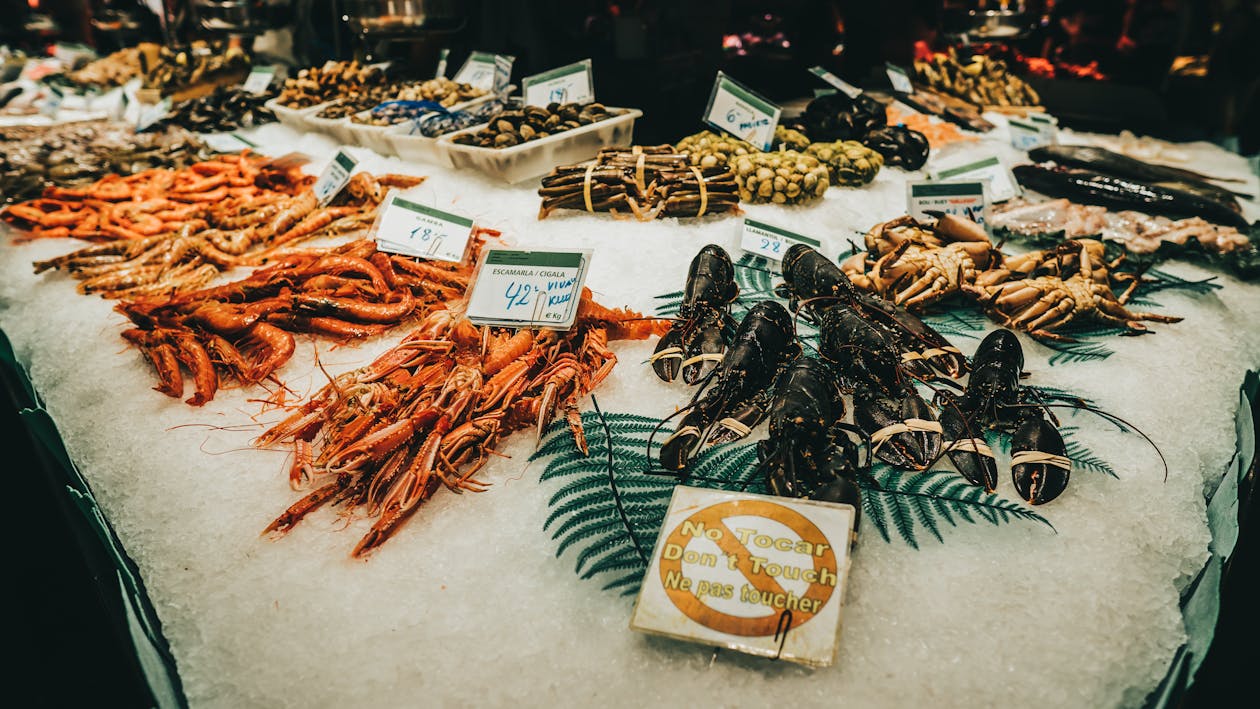
Located on Las Ramblas, La Boqueria has operated as a public market since 1836, evolving from a livestock market into the city’s premier destination for fresh produce, seafood, meat, and prepared foods. The market’s covered arcade features hundreds of stalls, each specializing in particular products—colorful fruit and vegetable vendors, fishmongers displaying the daily catch, olive oil specialists, nut and dried fruit vendors, and juice bars offering fresh-squeezed combinations.
La Boqueria’s character has somewhat shifted toward tourism, with prices reflecting its famous status. However, it remains an authentic marketplace where locals still shop daily, and exploring it captures essential Barcelona experiences. Early morning visits (before 10 AM) offer the best atmosphere before the heaviest tourist arrivals, with vendors still actively selling to residential customers.
Continue Exploring Barcelona
Ready to dive deeper into specific Barcelona experiences? Explore our comprehensive guides to free things to do in Barcelona, hidden gems off the tourist path, must-see museums and cultural institutions, Barcelona’s legendary markets and food experiences, best walking tours for neighborhood exploration, romantic activities for couples, indoor activities for rainy days, solo travel recommendations, accessible activities and accommodations, and the best viewpoints and photo opportunities across the city.
For broader Barcelona travel planning, visit our complete Barcelona travel guide covering accommodation options, transportation, dining recommendations, neighborhoods, safety, and practical visitor information. We’re here to help you plan an unforgettable Barcelona experience.