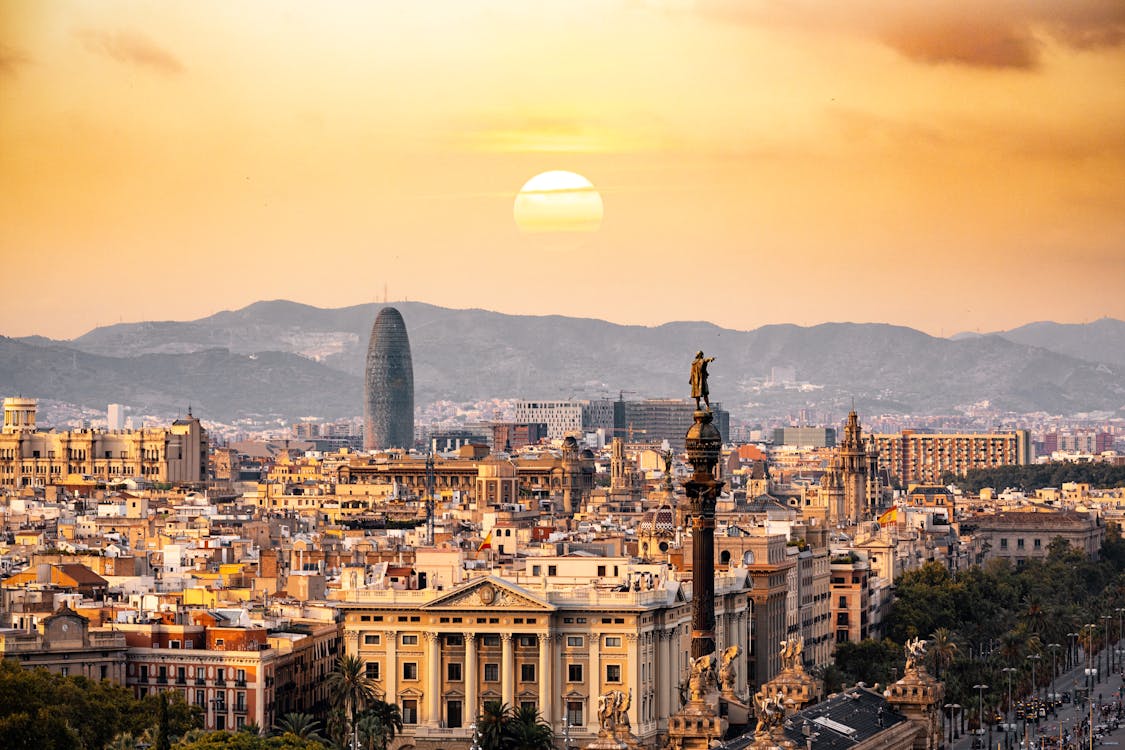
Barcelona is one of Europe’s most captivating cities — a place where centuries of history meet cutting-edge contemporary culture, where Gaudí’s surreal architecture rises against a backdrop of Mediterranean blue, and where every neighborhood tells its own story through winding streets, local markets, and vibrant plazas. Whether you’re planning your first visit or returning for another taste of Catalan life, this comprehensive barcelona travel guide covers everything you need to know to make the most of your trip in 2026.
From navigating the city’s efficient public transport to finding the best neighborhood for your stay, from budgeting your daily expenses to uncovering hidden gems that most tourists miss — we’ve packed this guide with practical, up-to-date information gathered from extensive research and local knowledge. Let’s dive into everything that makes Barcelona one of the world’s greatest travel destinations.
Why Visit Barcelona? Your Barcelona Travel Guide Starts Here
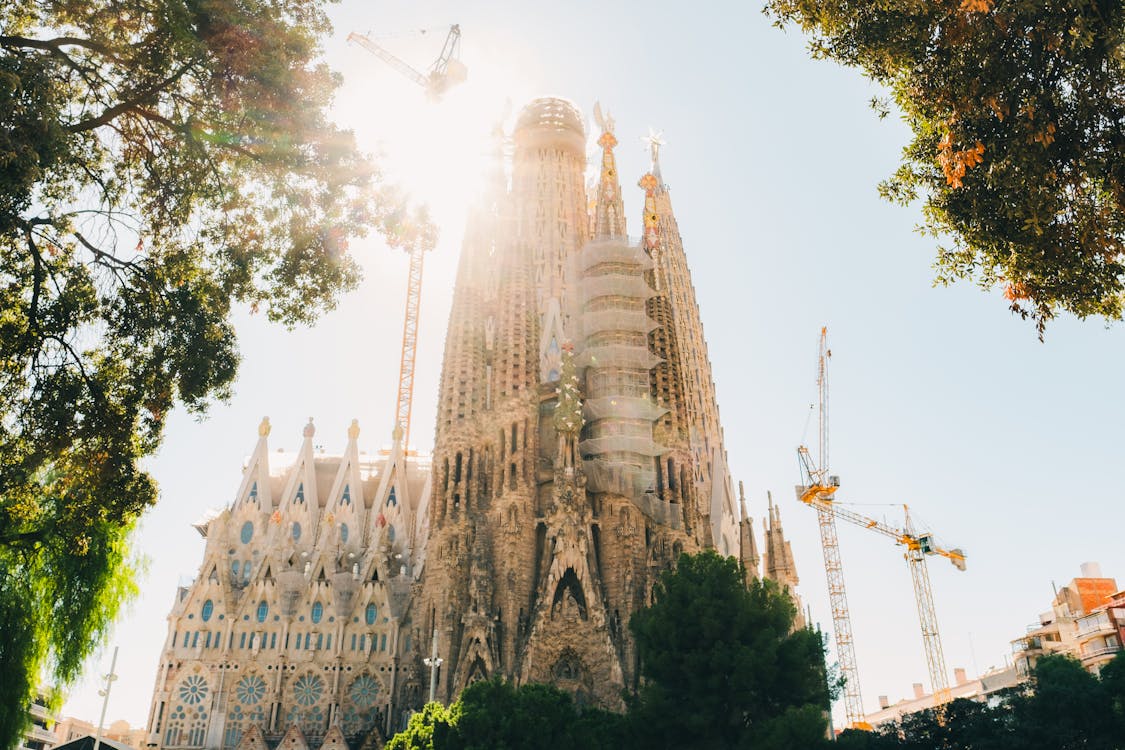
Barcelona consistently ranks among the top tourist destinations in the world, and for good reason. The capital of Catalonia offers a rare combination that few cities can match: world-class architecture spanning from Gothic cathedrals to modernist masterpieces, a thriving food scene rooted in Mediterranean tradition, over 4.2 kilometers of sandy urban beaches, and a cultural energy that pulses through every barrio from dawn until the early hours of the morning.
The city welcomed over 12 million international visitors in 2024, making it Spain’s second-most-visited city after Madrid. But unlike many tourist-heavy destinations, Barcelona has managed to retain an authentic local character — particularly once you venture beyond the main tourist corridors of La Rambla and the Sagrada Familia. Each of Barcelona’s distinct neighborhoods, from the bohemian streets of Gràcia to the maritime charm of Barceloneta, offers a genuinely different experience.
What truly sets Barcelona apart is its accessibility. The city is remarkably walkable, with an excellent metro system connecting every major attraction. The Mediterranean climate means mild winters and warm summers, making it a viable year-round destination. And with Barcelona–El Prat Airport serving as a major European hub, getting here is straightforward from virtually anywhere in the world.
Best Time to Visit Barcelona (Month-by-Month Breakdown)
Choosing when to visit Barcelona significantly impacts your experience — from crowd levels and hotel prices to weather conditions and available events. Here’s a detailed breakdown to help you pick the perfect time for your trip.
Spring (March–May): The Sweet Spot
Spring is widely considered the best time to visit Barcelona. Temperatures hover between 15°C and 22°C (59°F–72°F), the city’s parks and gardens burst with color, and the summer crowds haven’t yet arrived. April and May are particularly ideal — warm enough for comfortable sightseeing but without the oppressive heat that can make July and August exhausting. Hotel prices are moderate, and you’ll find shorter queues at major attractions like the Sagrada Familia and Park Güell.
Key spring events include Sant Jordi (April 23), Catalonia’s romantic festival of books and roses, and the Primavera Sound music festival in late May/early June. The beach season typically begins in late May, though the water remains cool until June.
Summer (June–August): Peak Season
Summer brings the warmest weather (25°C–33°C / 77°F–91°F), the biggest crowds, and the highest prices. July and August are peak tourist months, and popular attractions can have wait times exceeding two hours without advance tickets. The beaches are packed but buzzing with energy, and the city’s rooftop bars and outdoor terraces come alive.
If you visit during summer, book accommodation and attraction tickets well in advance, plan indoor activities for the hottest afternoon hours (1pm–4pm), and take advantage of the long daylight — sunset doesn’t come until after 9pm. The Grec Festival brings world-class performing arts to venues across the city throughout July.
Autumn (September–November): The Local Favorite
Many locals and repeat visitors consider autumn the absolute best time to experience Barcelona. September still offers beach weather (around 25°C / 77°F) with noticeably fewer tourists than August. October brings the beloved La Mercè festival (Barcelona’s biggest street festival with free concerts, human towers, and fire runs) and pleasant temperatures around 20°C (68°F). November is quieter and cooler but still mild by European standards.
Hotel prices drop significantly after mid-September, and you’ll find it much easier to snag reservations at popular restaurants. The sea remains swimmable through October for those who don’t mind slightly cooler water.
Winter (December–February): Budget-Friendly and Atmospheric
Barcelona’s winters are mild compared to most European cities, with average temperatures between 8°C and 15°C (46°F–59°F). Snow is extremely rare. This is the cheapest time to visit, with hotel prices 30-50% lower than peak season. You’ll practically have major attractions to yourself, and the city’s cultural calendar stays active with Christmas markets, Three Kings celebrations (January 5-6), and the Santa Eulàlia festival in February.
The tradeoffs are shorter daylight hours, occasional rainy days, and beaches that are pleasant for walking but too cold for swimming. If your focus is architecture, food, museums, and culture rather than beach time, winter offers outstanding value.
Barcelona’s Neighborhoods: Where to Stay and Explore
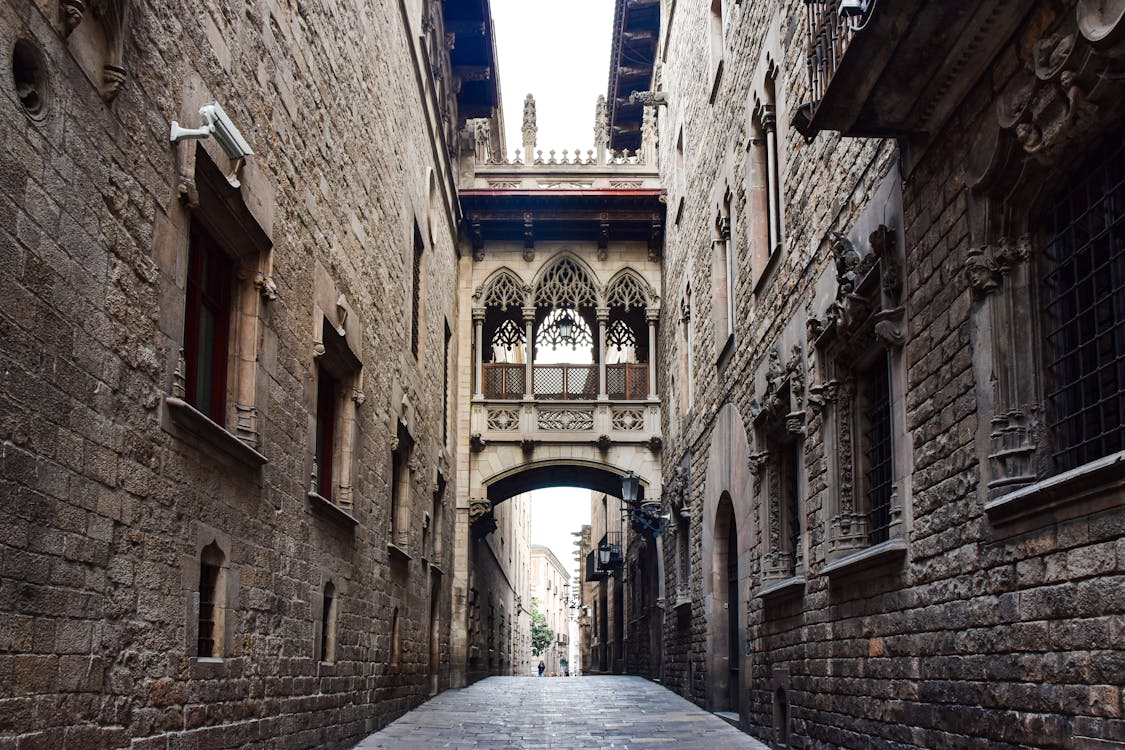
Barcelona is a city of neighborhoods, each with its own distinct personality. Understanding the character of each barrio will help you choose the best base for your trip and ensure you don’t miss the areas that match your interests. Here’s a comprehensive guide to Barcelona’s most important neighborhoods for visitors.
Barri Gòtic (Gothic Quarter)
The historic heart of Barcelona, the Gothic Quarter is a labyrinth of narrow medieval streets, hidden plazas, and ancient stone buildings dating back over 2,000 years to the Roman settlement of Barcino. This is where you’ll find the Barcelona Cathedral, the remnants of the Roman Temple of Augustus, and the atmospheric Plaça del Rei. The neighborhood comes alive at night with a mix of tapas bars, cocktail lounges, and live music venues tucked into centuries-old buildings.
Best for: History lovers, first-time visitors who want to be in the center of everything, and anyone who enjoys getting pleasantly lost in atmospheric old streets. Watch out for: Pickpockets are active here, especially on La Rambla and around the Cathedral. Some streets can feel crowded and touristy during peak hours.
El Born (Sant Pere, Santa Caterina i la Ribera)
Adjacent to the Gothic Quarter but with a distinctly more fashionable and artistic vibe, El Born has become one of Barcelona’s trendiest neighborhoods. The Passeig del Born, a beautiful tree-lined boulevard, is lined with boutique shops, cocktail bars, and independent galleries. Major attractions include the Picasso Museum, the stunning Santa Maria del Mar basilica, and the Born Cultural Centre (a preserved 18th-century market building). The neighborhood’s narrow streets are packed with some of the city’s best restaurants and wine bars.
Best for: Foodies, art lovers, boutique shopping enthusiasts, and travelers who want a central location with a more local feel than the Gothic Quarter.
El Raval
Once Barcelona’s most notorious neighborhood, El Raval has undergone a dramatic transformation over the past two decades while retaining its raw, multicultural character. Today it’s home to the MACBA (Museum of Contemporary Art), the atmospheric Boqueria market at its northern edge, and some of the city’s most diverse and affordable dining options. The upper Raval (closer to Plaça de Catalunya) is considerably more polished than the southern end, which still has a grittier edge.
Best for: Budget travelers, those seeking multicultural dining, contemporary art fans, and visitors who prefer authenticity over polish.
Eixample
The Eixample (pronounced “eye-SHAM-pluh”) is Barcelona’s elegant grid-planned neighborhood, designed in the 19th century by Ildefons Cerdà. This is where you’ll find the highest concentration of Modernist architecture, including the Sagrada Familia, Casa Batlló, Casa Milà (La Pedrera), and countless other gems along the Passeig de Gràcia — Barcelona’s answer to the Champs-Élysées. The neighborhood splits into the Eixample Dreta (right) and Eixample Esquerra (left), with the former being more upscale and tourist-oriented.
Best for: Architecture enthusiasts, luxury shoppers, visitors who prefer wide boulevards and elegant surroundings. The Eixample Esquerra is also the center of Barcelona’s LGBTQ+ scene (the “Gayxample”).
Gràcia
Once an independent village that was absorbed into Barcelona in the late 19th century, Gràcia has maintained its village-like character with small plazas where locals gather in the evenings, independent shops and cafés, and a bohemian artistic spirit. Park Güell sits at its northern edge. The neighborhood is particularly famous for its Festa Major de Gràcia in mid-August, when residents transform their streets into elaborately themed outdoor art installations.
Best for: Travelers who want to experience local Barcelona life, families, long-stay visitors, and anyone who prefers a quieter, more residential atmosphere while still being well-connected by metro.
Barceloneta and the Waterfront
Barcelona’s former fishing village sits between the Old Town and the Mediterranean, offering the city’s most direct beach access. Barceloneta’s narrow streets are lined with traditional seafood restaurants and no-frills tapas bars. The boardwalk stretching from Barceloneta toward the Forum area provides a beautiful coastal walk with beaches, chiringuitos (beach bars), and Frank Gehry’s shimmering Fish sculpture. The Port Olímpic area to the northeast has a more modern, resort-like feel.
Best for: Beach lovers, seafood fans, water sports enthusiasts, and summer visitors. Keep in mind that Barceloneta can be noisy at night during peak season.
Getting Around Barcelona: Transport Guide
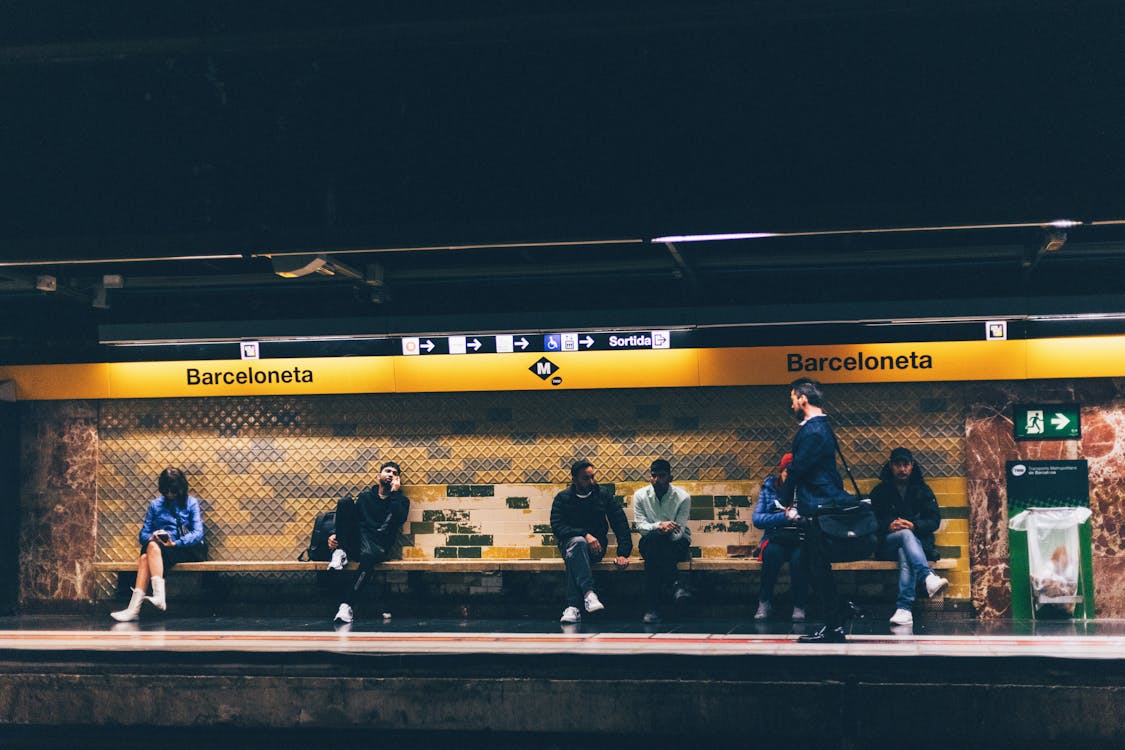
Barcelona’s public transport system is one of the best in Europe — clean, reliable, extensive, and affordable. Understanding your options will save you both time and money during your visit. This section of our barcelona travel guide covers what you need to know about getting around the city in 2026.
From the Airport to the City Center
Barcelona–El Prat Airport (BCN) sits about 15 kilometers southwest of the city center. You have several options for reaching your accommodation:
The Aerobus is the most popular choice — express buses run every 5-10 minutes between both terminals and Plaça de Catalunya in the city center, taking approximately 35 minutes. A one-way ticket costs €7.75 and a return costs €13.65 (valid for 15 days). The RENFE train (R2 Nord line) connects Terminal 2 to Passeig de Gràcia and Sants Estació for around €4.60, taking about 25 minutes. The Metro L9 Sud line connects both terminals to southern Barcelona and the Zona Universitària interchange, costing €5.50 for a single airport journey. A taxi to the city center typically costs €35-45 with a fixed minimum airport supplement of €4.30, taking 25-40 minutes depending on traffic.
The T-Mobilitat System
Barcelona’s integrated transport system covers the metro, buses, trams, and FGC (regional rail) under the T-Mobilitat contactless card system. For most visitors staying in the central city, all travel falls within Zone 1. The most cost-effective option for tourists is the T-Casual card, which provides 10 integrated journeys for €11.35 (Zone 1). Each journey allows unlimited transfers within 75 minutes across metro, bus, tram, and FGC. A single ticket costs €2.55, so the T-Casual saves you more than 50% per trip. The Hola BCN! offers unlimited travel for 2 days (€17.50), 3 days (€25.50), 4 days (€33.30), or 5 days (€40.80) — including airport metro trips.
Metro
The Barcelona Metro is the fastest way to get around and covers virtually every neighborhood and major attraction. The system has 12 lines running from 5am to midnight on weekdays, until 2am on Fridays and eves of holidays, and 24 hours on Saturdays. Key stations for tourists include Passeig de Gràcia (Eixample, shopping), Jaume I (Gothic Quarter, El Born), Barceloneta (beach), Sagrada Família, Diagonal (upper Eixample), and Liceu (La Rambla). Trains run every 2-5 minutes during peak hours.
Buses
The bus network fills in the gaps that the metro doesn’t reach, particularly useful for reaching Park Güell (bus V19 or 24), Montjuïc (bus 150), and the northern beaches. The red Tourist Bus (Bus Turístic) runs three routes covering all major attractions and costs €33 for a one-day hop-on-hop-off ticket — a reasonable option for first-time visitors who want an overview of the city before exploring in depth. Night buses (NitBus) operate from 11pm to 5am when the metro is closed, converging at Plaça de Catalunya.
Walking and Cycling
Barcelona is exceptionally walkable, and many of its best experiences happen on foot — wandering the Gothic Quarter’s medieval streets, strolling along the waterfront promenade, or exploring the passages of the Eixample. Most major attractions in the Old Town are within a 20-minute walk of each other. For cycling, the Bicing bike-share system is available to residents, but visitors can rent bikes from numerous shops for around €10-15 per day. Over 200 kilometers of dedicated cycle lanes make Barcelona one of Europe’s most bike-friendly cities.
Must-See Attractions in Barcelona
Barcelona’s attractions span from ancient Roman ruins to contemporary art museums, but a few iconic sites deserve special attention. Here’s what you absolutely shouldn’t miss, along with practical tips for visiting each one.
La Sagrada Familia
Antoni Gaudí’s unfinished basilica is not just Barcelona’s most famous landmark — it’s arguably the most extraordinary building on the planet. Construction began in 1882 and is now expected to reach substantial completion by 2026, making this a historic moment to visit. The interior is a breathtaking forest of branching columns bathed in kaleidoscopic light from the stained glass windows. Gaudí devoted the last 43 years of his life entirely to this project, and the level of symbolic and natural detail in every surface is staggering.
Practical tips: Book tickets online at the official Sagrada Familia website at least 2-3 weeks in advance (often sold out). General admission costs €26, or €36 with a tower visit. The Nativity Facade tower offers the most Gaudí-designed views. Visit in the morning for the best light through the eastern stained glass windows. Allow at least 1.5-2 hours for your visit. The audio guide is included and worth using.
Park Güell
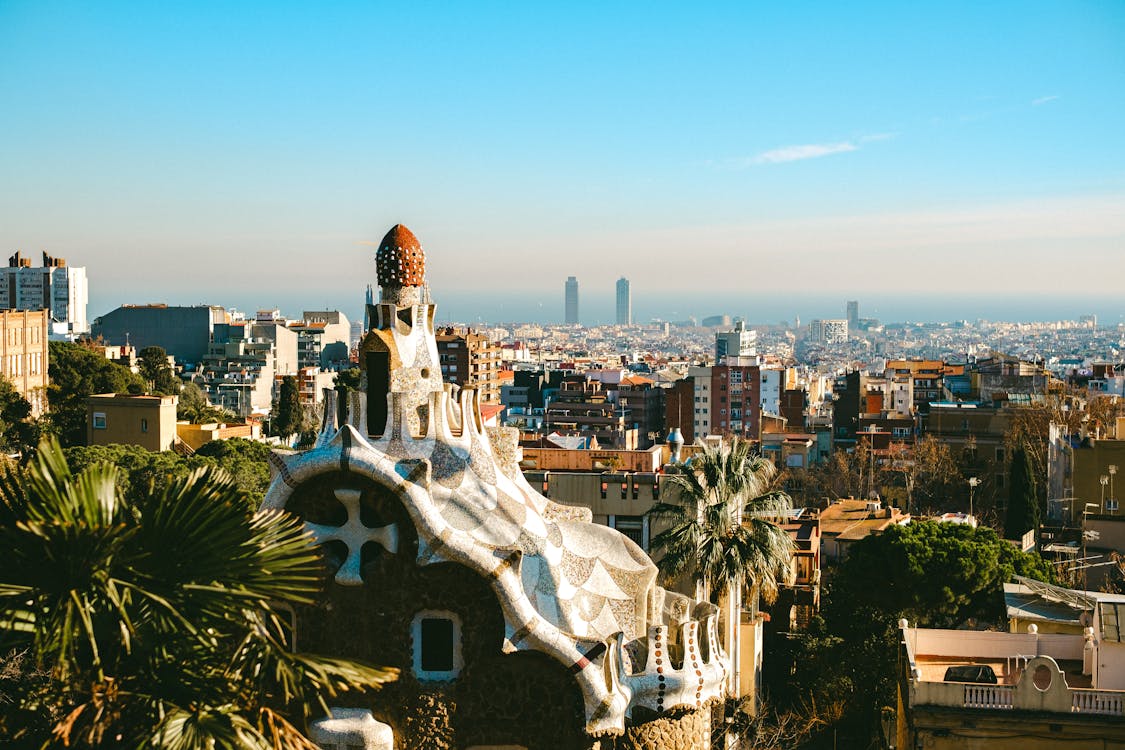
Gaudí’s whimsical public park on the Carmel Hill is a UNESCO World Heritage Site and one of Barcelona’s most photographed locations. Originally planned as a garden city of luxury homes (which never materialized), the Monumental Zone features the famous mosaic salamander (El Drac), the undulating bench of the main terrace with panoramic city views, and the Hypostyle Room with its forest of Doric columns. The surrounding free-access park area offers hiking trails and viewpoints that are equally rewarding.
Practical tips: The Monumental Zone requires timed tickets (€10 online, €13 at the gate). Book in advance, especially for morning slots. Arrive early (first entry at 9:30am) or late afternoon for the best experience with fewer crowds. Wear comfortable shoes — the park is hilly. Take bus V19 from Passeig de Gràcia or bus 24 from Plaça de Catalunya for the easiest access.
Casa Batlló and Casa Milà (La Pedrera)
These two Gaudí masterpieces sit just blocks apart on the Passeig de Gràcia and showcase the architect’s extraordinary approach to residential design. Casa Batlló features an ocean-inspired façade with bone-like balconies and a dragon-scale roof, while the interior uses organic curves and natural light in ways that were revolutionary for 1906. Casa Milà (La Pedrera) impresses with its undulating stone façade, a rooftop populated by surreal warrior-like chimneys, and a fascinating attic exhibition about Gaudí’s work.
Practical tips: Both are expensive (Casa Batlló €35, La Pedrera €25-28) but genuinely worth it. If you can only visit one, Casa Batlló has the more immersive interior experience with its augmented reality guide. For La Pedrera, the nighttime “La Pedrera Night Experience” offers a unique rooftop light show with drinks. Book online for both to skip the often-substantial queues.
La Rambla and La Boqueria Market
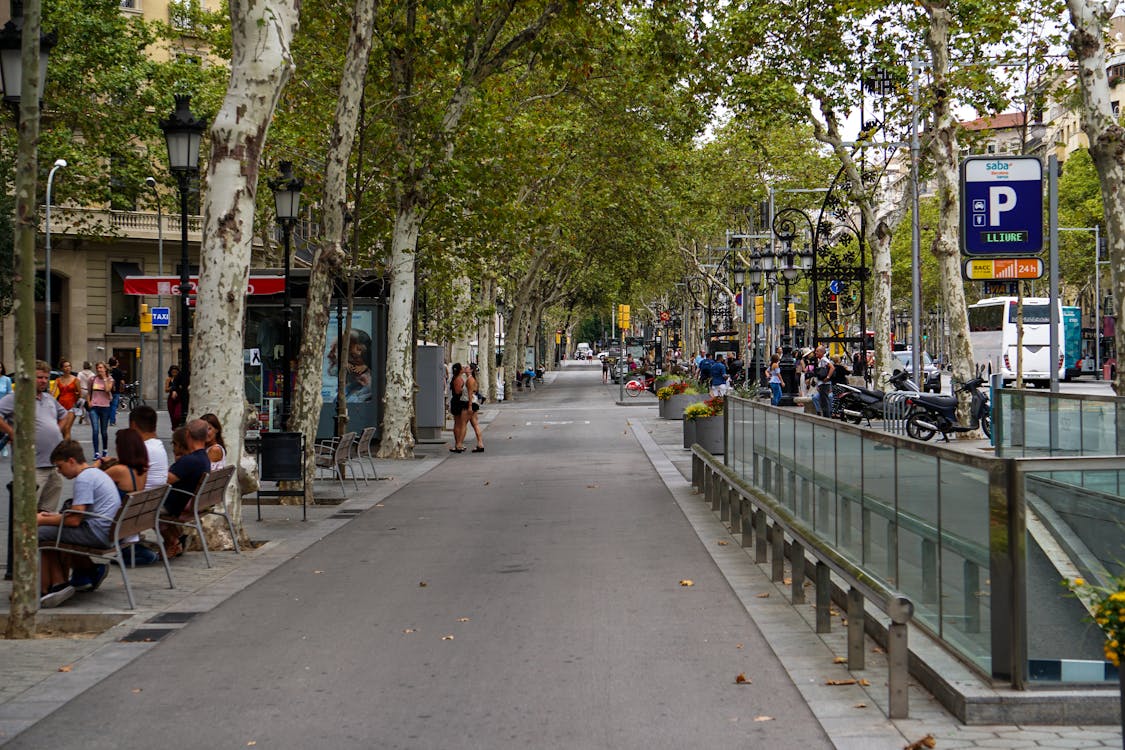
La Rambla is Barcelona’s most famous street — a 1.2-kilometer tree-lined pedestrian boulevard stretching from Plaça de Catalunya to the Columbus Monument at the waterfront. While it’s undeniably touristy and you’ll want to keep an eye on your belongings, walking the full length at least once is a quintessential Barcelona experience. The real gem along this route is the Mercat de la Boqueria, one of Europe’s most vibrant food markets, where stalls overflow with fresh seafood, Iberian ham, tropical fruits, and freshly prepared tapas.
Practical tips: Visit La Boqueria early in the morning (8am-10am) when local chefs shop and the crowds are thin. Avoid the overpriced tourist-facing stalls near the entrance and head deeper into the market for better prices and quality. The restaurants inside (like Bar Pinotxo) open early and close by 4pm. Don’t eat at the restaurants directly on La Rambla itself — walk one block in either direction for dramatically better food and prices.
The Barcelona Cathedral and Gothic Quarter
The Barcelona Cathedral (Catedral de la Santa Creu i Santa Eulàlia) is a magnificent Gothic structure built between the 13th and 15th centuries, with a neo-Gothic facade completed in 1913. The cloister, home to 13 white geese (representing the age of the patron saint Eulàlia at her martyrdom), is a peaceful oasis. Don’t miss the rooftop terrace, accessible by elevator, which provides stunning views over the Gothic Quarter and beyond. The surrounding streets are packed with hidden treasures: the Roman walls, the medieval Jewish Quarter (El Call), Plaça del Rei, and the Temple of Augustus columns hidden inside a courtyard.
Montjuïc
The hill of Montjuïc, rising 173 meters above the port, is an essential part of any Barcelona visit. It houses the Fundació Joan Miró, the MNAC (National Art Museum of Catalonia) with its remarkable Romanesque art collection, the Olympic Stadium from the 1992 Games, the Poble Espanyol open-air architectural museum, and beautiful botanical gardens. The Magic Fountain of Montjuïc puts on a spectacular free light and music show on weekend evenings (Thursday–Saturday in summer). The Telefèric de Montjuïc cable car offers panoramic views during the ride to the hilltop castle.
Barcelona Food Guide: What and Where to Eat
Barcelona is one of Europe’s great food cities, and eating well here doesn’t require a Michelin-star budget. Catalan cuisine draws from both Mediterranean and mountain traditions, creating a unique culinary identity that blends fresh seafood with hearty inland flavors. This barcelona travel guide section covers the essential dishes, dining customs, and where to find the best food in the city.
Essential Catalan and Barcelona Dishes
Start with pa amb tomàquet — bread rubbed with ripe tomato, drizzled with olive oil and a pinch of salt. This deceptively simple dish appears at nearly every meal and is the foundation of Catalan cuisine. Patatas bravas, crispy fried potatoes with spicy bravas sauce and aioli, are Barcelona’s most beloved tapas — every bar has its own version, and locals debate which is best with the passion of a religious argument. Bombas are a Barcelona original: deep-fried potato balls stuffed with meat and topped with bravas and aioli sauces, invented in the Barceloneta neighborhood.
For seafood, try fideuà, a noodle-based dish similar to paella but made with short pasta instead of rice, typically served with alioli on the side. Arroz negro (black rice) cooked in squid ink is visually dramatic and deeply savory. Paella is widely available, though purists will tell you it’s really a Valencian dish — what you’ll find in Barcelona is excellent but distinct from the original. Gambas al ajillo (garlic prawns) and pulpo a la gallega (Galician-style octopus) round out the seafood highlights.
Don’t leave without trying crema catalana, the Catalan cousin of crème brûlée — infused with cinnamon and lemon zest rather than vanilla, with a satisfying caramelized sugar crust. Churros con chocolate are the classic breakfast or late-night snack, with thick, rich hot chocolate for dipping.
Dining Tips and Customs
Barcelona eats late. Lunch typically runs from 1:30pm to 3:30pm, and dinner rarely starts before 9pm (most restaurants don’t open for dinner until 8pm or 8:30pm). The menú del día (daily set menu) is the best value in Barcelona dining — available at most restaurants during lunch, it typically includes a starter, main course, dessert, and a drink for €12-18. This is how locals eat during the workweek and it’s an excellent way to sample quality food at reasonable prices.
Tipping in Barcelona is appreciated but not expected at the same level as in North America. Rounding up the bill or leaving 5-10% for good service at a sit-down restaurant is standard. At tapas bars and casual spots, leaving loose change is sufficient. Always check whether the receipt includes “servicio incluido” — though this is rare in Barcelona.
Where to Find the Best Food
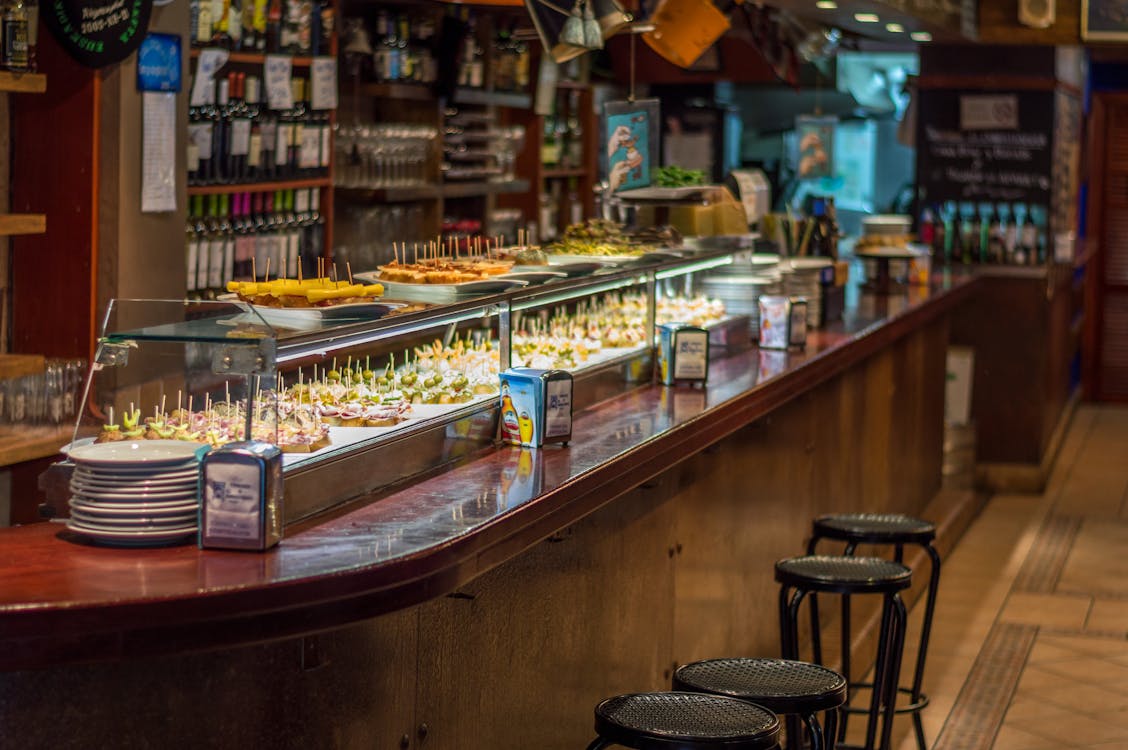
For tapas and pintxos: Head to El Born or the upper streets of the Gothic Quarter. The Carrer de Blai in Poble-Sec is legendary for its pintxos bars — small bites on bread for €1-3 each, lined up along the bar for you to grab. For seafood: Barceloneta’s beachside restaurants offer the freshest catch, though the best value is often found in the small, family-run places on the back streets rather than the waterfront promenade. For market food: Beyond La Boqueria, check out Mercat de Santa Caterina in El Born (with its colorful wavy roof by Miralles and Tagliabue) or Mercat de Sant Antoni, beautifully restored and less tourist-heavy. For budget eating: El Raval offers the most diverse and affordable dining in the city, with excellent Middle Eastern, Indian, Pakistani, and Filipino restaurants alongside traditional Catalan spots.
Barcelona’s Beaches: A Complete Guide
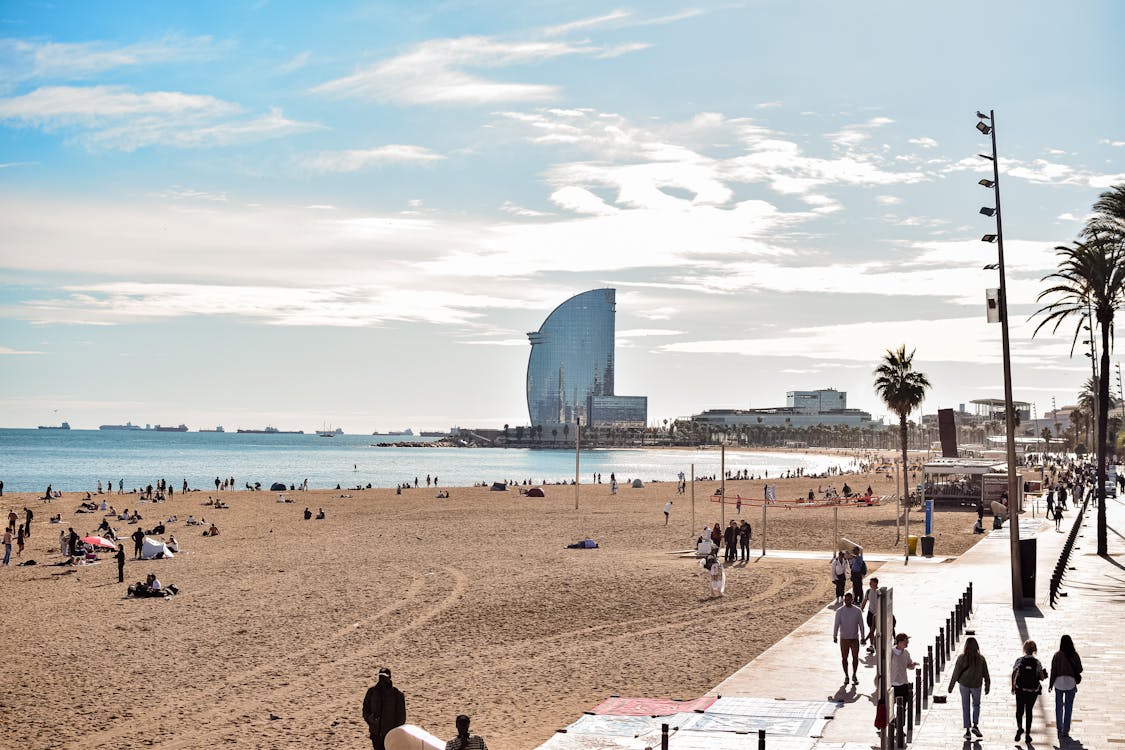
Few major European cities can claim sandy beaches within walking distance of the historic center, but Barcelona delivers over 4.2 kilometers of Mediterranean coastline right on its doorstep. The beaches were largely created for the 1992 Olympics, transforming a formerly industrial waterfront into one of the city’s greatest assets. Here’s a guide to Barcelona’s main beaches, listed from south to north.
Platja de Sant Sebastià is the southernmost and one of the oldest beaches, popular with locals and featuring calm waters. It tends to be slightly less crowded than neighboring Barceloneta. Platja de la Barceloneta is the most famous and lively — it’s always buzzing with activity, street performers, and beach volleyball games, and has the most facilities including showers, chiringuitos, and equipment rental. Platja del Somorrostro sits adjacent to the Port Olímpic, attracting a younger crowd with its beach clubs and proximity to nightlife. Moving further north, Platja de Nova Icària is a family favorite with calmer waters and a more relaxed atmosphere. Platja del Bogatell is preferred by locals looking to escape the tourist crowds — it’s clean, spacious, and has a great selection of chiringuitos. Platja de la Mar Bella has a nudist section and is popular with the LGBTQ+ community, while the furthest beaches — Platja de la Nova Mar Bella and Platja del Llevant — offer the most peaceful experience.
Beach safety tips: Never leave valuables unattended on the beach — locker services are available at several locations along the waterfront. The lifeguard season runs from late May through September. Water quality is regularly monitored and generally excellent. Watch for the flag system: green (safe), yellow (caution), and red (no swimming).
Barcelona Budget Guide: How Much Does It Cost?
Barcelona offers a range of experiences for every budget, but it helps to have realistic expectations about costs. As of 2026, here’s what you can expect to spend for different travel styles.
Daily Budget Estimates
A budget traveler staying in hostels, eating menú del día for lunch and cooking dinner, using public transport, and visiting a mix of free and paid attractions can manage on approximately €60-80 per day. A mid-range traveler in a 3-star hotel, eating out for most meals, visiting 1-2 paid attractions daily, and taking occasional taxis should budget approximately €150-220 per day. A luxury traveler in a 4-5 star hotel, dining at upscale restaurants, booking private tours, and taking taxis frequently will spend €350+ per day.
Key Cost Breakdown (2026 Prices)
Accommodation: Hostel dorms range from €25-40 per night. Budget hotels and guesthouses cost €80-120. Mid-range hotels average €150-250. Upscale and boutique hotels start at €250 and can exceed €500 in peak season. Apartments on short-term rental platforms average €100-180 per night for a central one-bedroom, though regulations have tightened significantly — make sure any rental has a proper tourist license (HUTB number).
Food: A coffee costs €1.50-2.50. A bocadillo (sandwich) at a local bar is €3-5. The menú del día is €12-18 for a three-course lunch with drink. A tapas meal costs €15-25 per person. Dinner at a mid-range restaurant runs €25-40 per person with wine. A fine dining experience starts at €60-80 per person. A beer at a bar costs €2.50-5, while wine by the glass is €3-6.
Attractions: Sagrada Familia costs €26-36. Park Güell (Monumental Zone) is €10. Casa Batlló costs €35. La Pedrera is €25-28. The Picasso Museum costs €12. Many museums offer free entry on the first Sunday of each month and Thursday evenings. The Barcelona Cathedral is free to visit during mass hours (typically before 12:45pm and after 5:15pm), with a €9 charge during tourist visiting hours.
Barcelona Tourist Tax: All visitors staying in paid accommodation in Barcelona must pay a tourist tax. As of 2026, this ranges from €1.70 per night for campsites to €6.75 per night for 5-star hotels, charged per person per night for stays up to 7 nights. This is in addition to your accommodation cost and is collected by your hotel or accommodation provider.
Money-Saving Tips
Consider the Articket BCN (€38) for six major museums including the Picasso Museum, MACBA, Fundació Joan Miró, and MNAC — exceptional value if you plan to visit at least three. Book attraction tickets online in advance for the best prices (and to guarantee entry). Take advantage of free walking tours (tip-based) to orient yourself. Drink at bodegas and vermut bars for local prices rather than tourist-oriented cocktail bars. Fill your water bottle at the thousands of public drinking fountains throughout the city rather than buying bottled water.
Practical Information for Your Barcelona Trip
Language
Barcelona is bilingual: both Catalan and Castilian Spanish are official languages, and you’ll see both on street signs, menus, and public information. Most locals switch comfortably between the two. English is widely spoken in tourist areas, hotels, and by younger residents, but learning a few words of Catalan (or Spanish) is always appreciated. Basic phrases like “bon dia” (good morning in Catalan), “gràcies” (thank you), and “si us plau” (please) will earn you smiles.
Safety
Barcelona is generally a safe city for tourists, but petty theft — particularly pickpocketing — is a well-documented issue. The highest-risk areas are La Rambla, the metro (especially during rush hour and on the L3 green line), the Gothic Quarter, and crowded tourist attractions. Use a money belt or front-pocket wallet, keep bags zipped and in front of you, be especially alert when someone creates a distraction (spilling something, asking for directions with a map), and never leave belongings unattended on the beach or at restaurant tables. Violent crime against tourists is very rare.
Connectivity
Free Wi-Fi is available throughout Barcelona, including at many public spaces, parks, beaches, and virtually all cafés and restaurants. For mobile data, EU residents benefit from free roaming. Non-EU visitors should consider purchasing a prepaid Spanish SIM card or an eSIM before traveling — providers like Orange, Vodafone, and Movistar offer tourist packages starting at around €10-15 for a week of data. The Barcelona City Council’s “Barcelona WiFi” network provides free connectivity at over 700 hotspots across the city.
Health and Emergencies
The European emergency number 112 works in Barcelona for police, medical, and fire emergencies. EU citizens should carry a European Health Insurance Card (EHIC) or Global Health Insurance Card (GHIC) for access to public healthcare. Non-EU visitors should have comprehensive travel insurance. Pharmacies (look for the green cross) are widely available and can provide over-the-counter medications and basic health advice. Tap water in Barcelona is safe to drink, though the taste can be slightly mineral due to the local water source — many locals prefer filtered or bottled water.
Electricity and Plugs
Spain uses Type C and Type F plugs with 230V/50Hz electricity. Travelers from the UK, US, Australia, and other countries using different plug types will need an adapter. Most modern electronics (phones, laptops, cameras) handle the 230V voltage automatically, but check your device’s rating before plugging in — older devices designed for 110V may require a voltage converter.
Best Day Trips from Barcelona
While Barcelona itself could easily fill weeks of exploration, the surrounding region of Catalonia offers incredible day trip options. Here are the most rewarding excursions you can make from the city.
Montserrat — Just one hour northwest of Barcelona by train (FGC from Plaça d’Espanya), this dramatic serrated mountain is home to a Benedictine monastery, the revered Black Madonna statue, and the renowned Escolania boys’ choir (performing at 1pm most days). Take the Sant Joan funicular for spectacular hiking trails with panoramic views stretching to the Pyrenees on clear days. It’s the most popular day trip from Barcelona and absolutely worth the journey.
Girona — A 38-minute high-speed AVE train ride from Barcelona Sants, Girona is a beautifully preserved medieval city with a Jewish Quarter (El Call) that’s one of the best-preserved in Europe, a stunning cathedral with the widest Gothic nave in the world, and colorful houses lining the Onyar River. It gained additional fame as a filming location for a popular fantasy television series, and its culinary scene includes El Celler de Can Roca, consistently ranked among the world’s best restaurants.
Sitges — A charming coastal town 35 minutes south of Barcelona by RENFE train, Sitges is known for its beautiful beaches, whitewashed old town, vibrant LGBTQ+ community, and excellent seafood restaurants. It makes a perfect beach day trip when Barcelona’s beaches feel too crowded, and the atmosphere is noticeably more relaxed than the city.
Costa Brava — The rugged coastline northeast of Barcelona offers stunning coves, medieval villages, and the Salvador Dalí Triangle (the Dalí Theatre-Museum in Figueres, his house in Portlligat near Cadaqués, and the Gala Dalí Castle in Púbol). Tossa de Mar and Calella de Palafrugell are among the most beautiful coastal towns, reachable in 1-2 hours by bus or car.
Tarragona — An hour south by train, this UNESCO World Heritage city boasts some of the best-preserved Roman ruins in Spain, including a massive amphitheater overlooking the Mediterranean, the Praetorium, and the Roman circus. The old town is atmospheric and far less touristy than Barcelona, with an excellent local food scene.
Suggested Barcelona Itineraries
3 Days in Barcelona: The Essentials
Day 1 — Gaudí and Modernism: Start at the Sagrada Familia (book 9am entry), then walk down to the Hospital de Sant Pau. After lunch, visit Casa Batlló on Passeig de Gràcia, continue past Casa Amatller and Casa Lleó Morera (the “Block of Discord”), then finish at La Pedrera. Evening: dinner in the Eixample.
Day 2 — The Old City: Begin with early-morning La Boqueria market visit, then walk La Rambla to the waterfront. Double back into the Gothic Quarter: Cathedral, Plaça del Rei, Roman Temple of Augustus. Lunch in El Born, then visit the Picasso Museum and Santa Maria del Mar basilica. Evening: tapas crawl through El Born’s narrow streets.
Day 3 — Park Güell, Gràcia, and the Beach: Morning at Park Güell (book first slot). Walk down through the charming streets of Gràcia for coffee and lunch in one of its plazas. Afternoon at Barceloneta beach. Evening: sunset drinks at a waterfront chiringuito, then dinner in Barceloneta.
5 Days in Barcelona: Going Deeper
Follow the 3-day itinerary above, then add:
Day 4 — Montjuïc: Take the cable car from Barceloneta to Montjuïc. Visit the Fundació Joan Miró, walk through the gardens, explore the Olympic Ring, and spend the afternoon at the MNAC. Evening: watch the Magic Fountain show (seasonal).
Day 5 — Day Trip: Take the train to Montserrat for morning hiking and the monastery, or head to Girona for medieval streets and outstanding food. Return to Barcelona for a farewell dinner.
7 Days in Barcelona: The Complete Experience
Follow the 5-day itinerary, then add:
Day 6 — Hidden Barcelona: Explore El Raval’s street art and the MACBA, visit the Hospital de la Santa Creu library gardens, explore the Sant Antoni market area. Afternoon: venture to the less-visited Sarrià neighborhood for a village-within-a-city experience. Evening: cocktails at a speakeasy-style bar, then dinner on Carrer de Blai in Poble-Sec.
Day 7 — Beach Town Escape: Day trip to Sitges for stunning beaches, a picturesque old town, and a fresh seafood lunch by the sea. Return for a final evening stroll along Barcelona’s waterfront.
Frequently Asked Questions About Barcelona Travel
Is Barcelona expensive? Barcelona is moderately priced by Western European standards — significantly cheaper than London, Paris, or Zurich, but more expensive than most Eastern European cities. Smart budgeting (menú del día lunches, T-Casual transport card, advance-booked attractions) makes it accessible for most travelers. Budget travelers can manage on €60-80 per day, while mid-range visitors should expect €150-220 daily.
How many days do you need in Barcelona? A minimum of 3 full days is recommended to cover the essential attractions and get a feel for the city’s character. Five days allows a more relaxed pace with time for a day trip. A week lets you truly explore the neighborhoods, discover hidden gems, and enjoy Barcelona like a local rather than rushing between landmarks.
Is Barcelona safe for solo travelers? Yes, Barcelona is generally very safe for solo travelers, including women traveling alone. The main risk is pickpocketing in tourist-heavy areas. Use common sense precautions: stay aware of your surroundings, keep valuables secure, and avoid walking alone through poorly lit areas late at night. The metro is safe but be extra vigilant on crowded trains.
Do I need to speak Spanish in Barcelona? No. While learning basic phrases is appreciated, you can get by comfortably with English in tourist areas, hotels, and most restaurants. Younger Barcelonians generally speak good English. Google Translate works well for situations where language barriers arise. Remember that the local language is Catalan, not Castilian Spanish — though everyone speaks both.
What’s the best way to avoid tourist traps in Barcelona? Avoid eating directly on La Rambla (walk one block in either direction for better options). Don’t hire street performers’ services without agreeing on price first. Book attraction tickets online rather than buying from unofficial sellers outside venues. Use official taxi ranks or apps rather than accepting rides from touts. Research restaurants on local blogs and review sites before dining — if a menu is only in English with photos of every dish, it’s likely a tourist trap.
Can I drink tap water in Barcelona? Yes, Barcelona’s tap water is safe to drink. However, the taste can be somewhat mineral or chlorinated due to the water treatment process and local source. Many locals and visitors prefer filtered or bottled water for drinking. Public drinking fountains throughout the city provide free, safe drinking water.
What should I pack for Barcelona? Comfortable walking shoes are essential — Barcelona involves a lot of walking on uneven surfaces. Pack layers for spring and autumn visits, sunscreen and a hat for summer, and a light jacket for winter evenings. A cross-body bag or money belt helps protect against pickpockets. Don’t forget a reusable water bottle (for the city’s many free fountains) and a swimsuit for the beaches.
Use This Barcelona Travel Guide to Plan Your Trip Today
Barcelona has an extraordinary ability to exceed expectations. The architecture is more breathtaking in person than any photograph can capture, the food scene rewards curiosity at every turn, and the energy of the city — from the quiet morning streets of Gràcia to the late-night buzz of El Born — creates memories that last long after you’ve returned home.
The key to a great Barcelona trip is booking your major attractions in advance (especially the Sagrada Familia and Park Güell), choosing a neighborhood that matches your travel style, and leaving enough unplanned time to simply wander and discover what makes this city so special. Whether you have three days or three weeks, Barcelona will give you reasons to come back.
Ready to dive deeper into planning your Barcelona adventure? Explore our detailed guides on things to do in Barcelona, Barcelona’s neighborhoods, where to eat in Barcelona, and Gaudí’s architectural masterpieces for even more insider tips and recommendations.